The Ladybug Diet

Water First to Disperse the Pests

Water First

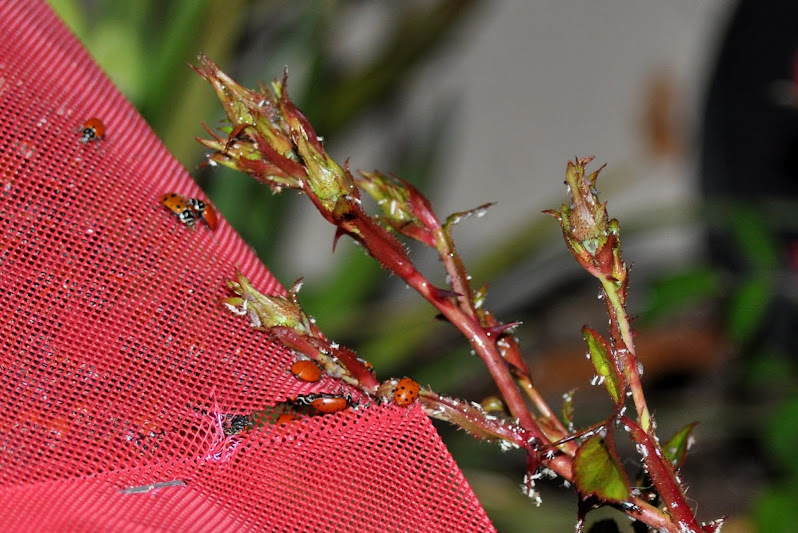
Weight Watchers teaches you to eat well, and South Beach helps break sugar cravings, but have you heard of the Ladybug Diet?  Those red-spotted beauties consume several times their body weight, ridding your roses of numerous garden pests.  I wish I could consume several times my body weight in a day and remain looking as fresh as the Coccinella septempunctata.

Ladybugs, also referred to as ladybirds, eat Aphids, Spider Mites, Thrips, White Fly and other harmful pests.  They are a boon to organic gardeners and a treat for the youngsters in the house, who enjoy setting them out at dusk.

Most garden centers now sell containers of live lady bugs.  I bought ours at Almaden Valley Nursery. Keep them in a cool place during the day when they’re inactive.

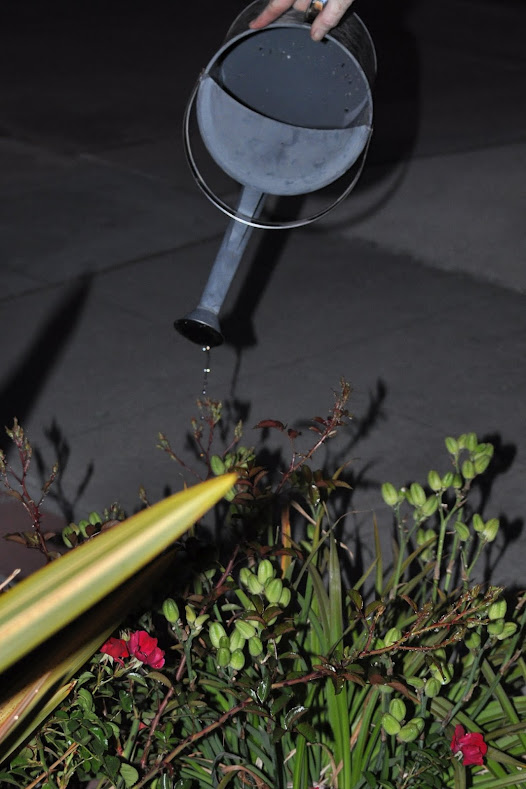
Tuesday night we watered the infested plant, cut open the mesh bag and offered them dinner.  By morning, they had done a decent job eradicating the pests.   Some years it takes two “applications” to wipe out the aphids or flies, but it’s always a treat to see hundreds of them gathered in one place so we don’t mind.
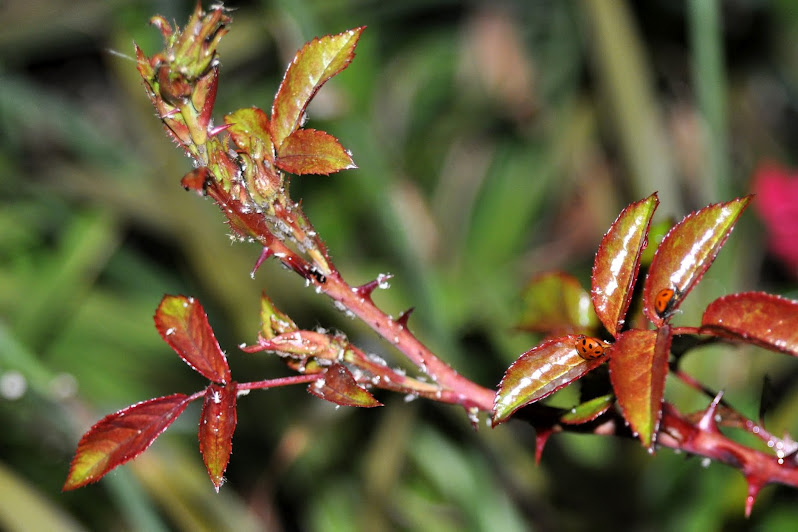
Ladybugs and Aphids

Ladybugs and Aphids

Garden Lady's: Nature's Pest Control

Garden Lady’s: Nature’s Pest Control

Dinner Awaits

Dinner Awaits

It's 9:00.  Do you know where your ladybugs are?

It’s 9:00. Do you know where your ladybugs are?

Read more about these farming heroes and the origin of the ladybug rhyme at Animal Planet.
4th of July Flowers

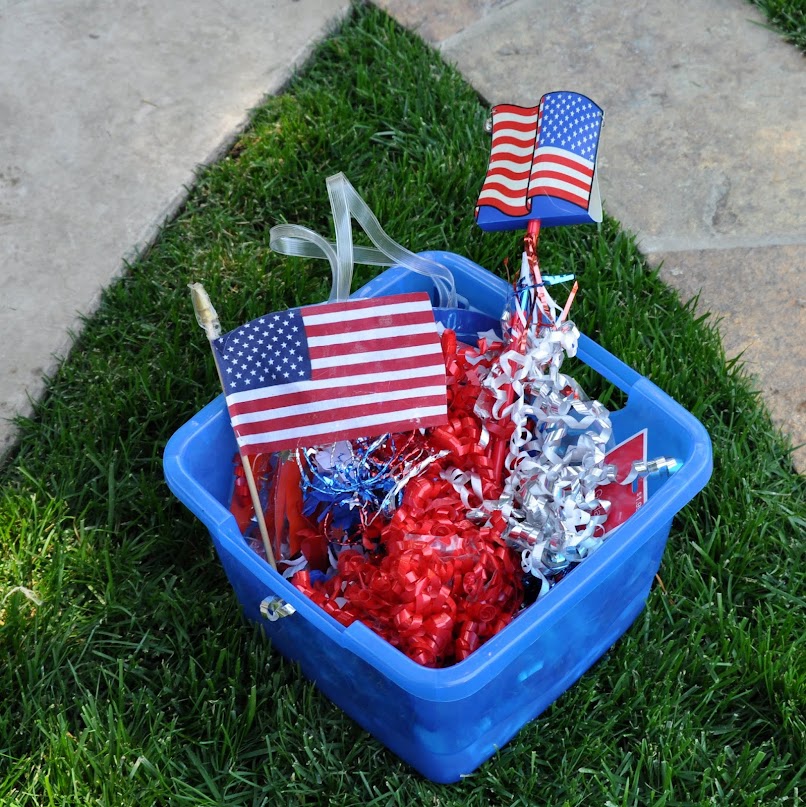
4th of July Bin

4th of July Bin

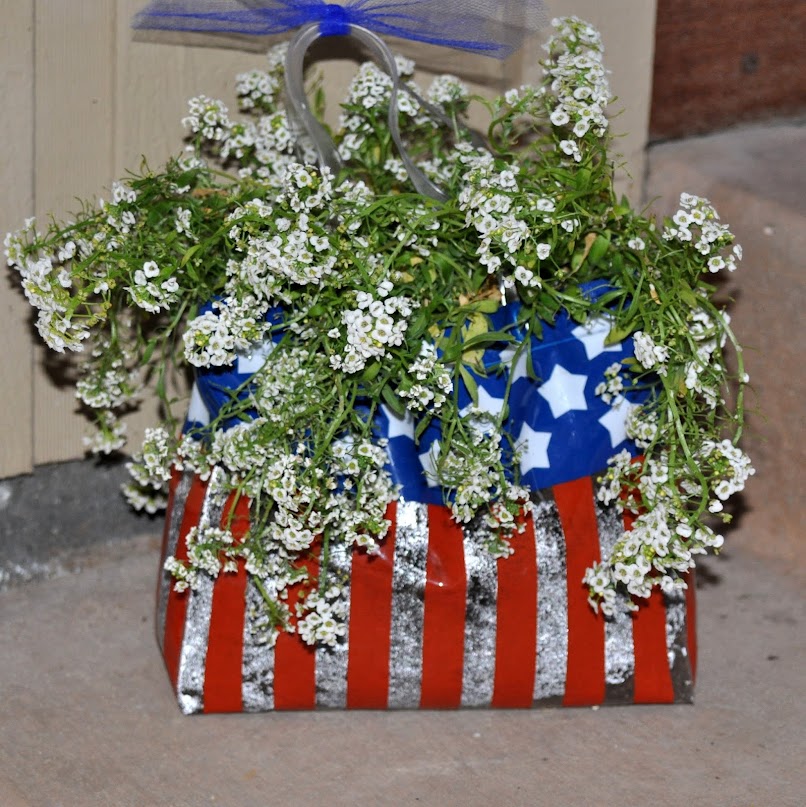
I’ll use any excuse to decorate so I headed to my favorite nursery on Tuesday and picked up some red, white and bluish flowers for the garden.

I replanted the curb-side pot, spruced it up with goodies from the 4th of July bin and used the extras for the fairy garden.  We’re cooling our jets during the mid-day sun, but will join the block party shortly.

If you celebrate the 4th, may you have a fun and festive day.  If it’s just another day on the calendar, I hope you are simply enjoying life in your corner of the world.

Celebratory Planter

Celebratory Planter

Small Vinvyl Bag from the Holiday Bin
Small Vinyl Bag from the Holiday Bin

Fairy Garden: Ready to Celebrate

Fairy Garden: Ready to Celebrate

Having Fun with the Magnoliaceae

Taking a Page From Queen Elizabeth II’s Book

I like to get silly from time to time, and what better place to do that than my garden. A couple of years ago, I put a Magnolia ‘tepal’ on my noise and had my son snap a couple of pictures. When I started Gardening Nirvana I picked that photo for my Gravatar. The photo embodied my love of gardening, the beauty of the fuchsias behind me and the silliness of wearing a flowering appendage on my nose. These were qualities I also wanted to embody in my blog. Unfortunately, that photo also travels with my organizing blog.  I was recently referred by a client whose friend saw the photo and voiced alarm that something was seriously wrong with my nose.  I got quite the chuckle out of that, but have since replaced it with a more professional photo.

Today I learned a few things about Magnolias from a Wikipedia entry, excerpted below.  My English teachers would be proud to see me correctly using my new terminology in a sentence.  If you need me, I’ll be dancing on the lawn, casting tepals to the wind.

Magnolia Branch

Magnolia Branch

Magnolia is a large genus of about 210 flowering plant species in the subfamily Magnolioideae of the family Magnoliaceae. It is named after French botanist Pierre Magnol.

Magnolia is an ancient genus. Having evolved before bees appeared, the flowers developed to encourage pollination by beetles. To avoid damage from pollinating beetles, the carpels of Magnolia flowers are extremely tough. Fossilized specimens of Magnolia acuminata have been found dating to 20 million years ago, and of plants identifiably belonging to the Magnoliaceae dating to 95 million years ago. Another primitive aspect of Magnolias is their lack of distinct sepals or petals: Magnolias possess undifferentiated flower parts for which the term “tepals” was coined. – Wikipedia

The Curious Photo

The Curious Photo

Ferny You Should Ask…

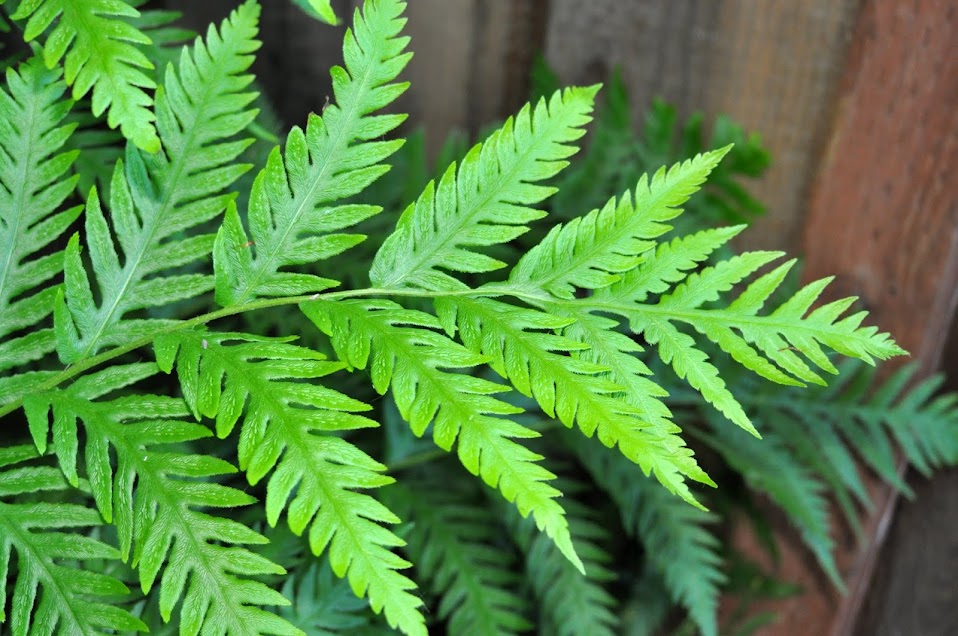
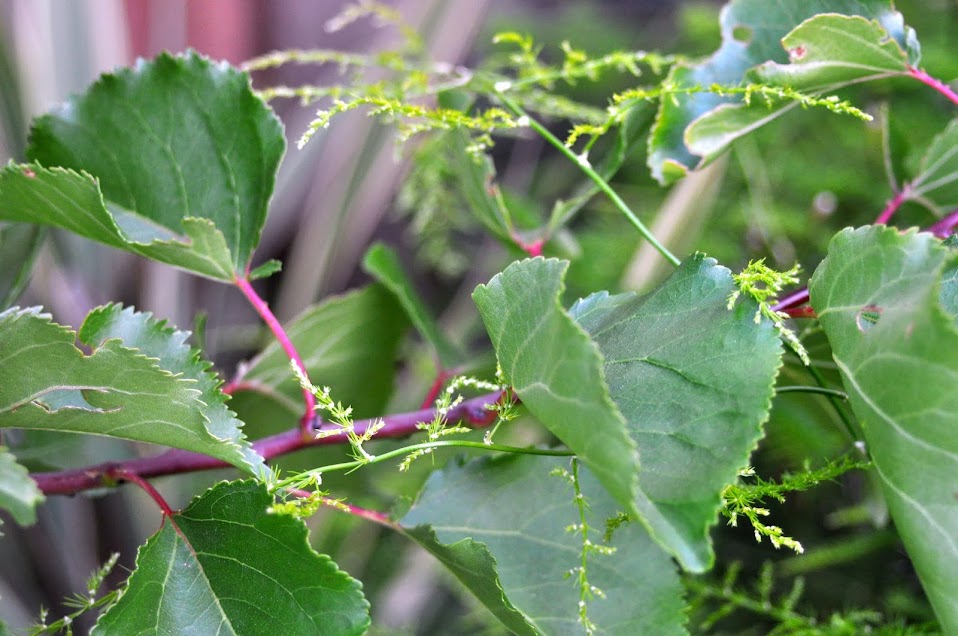
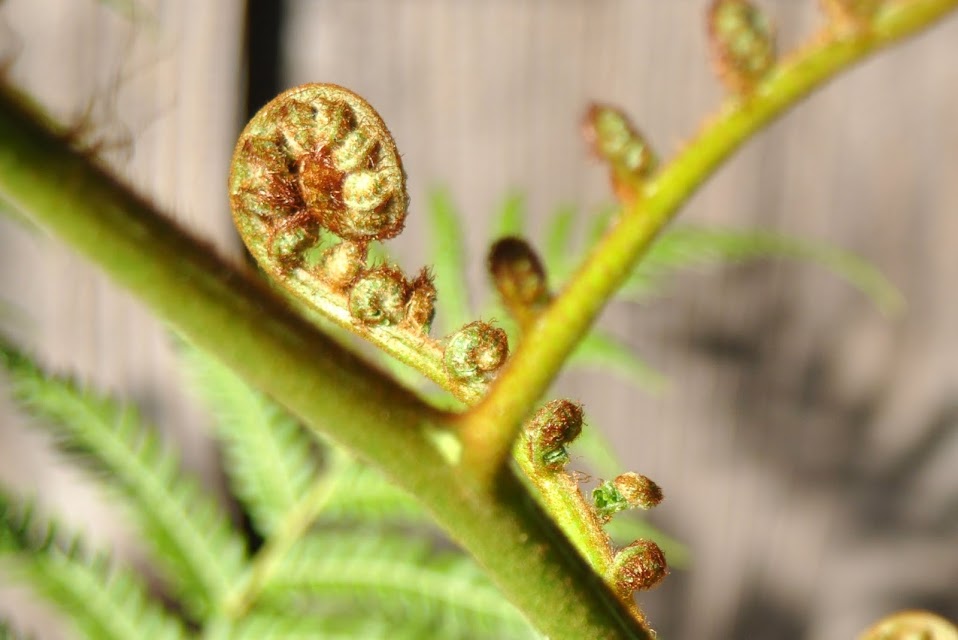
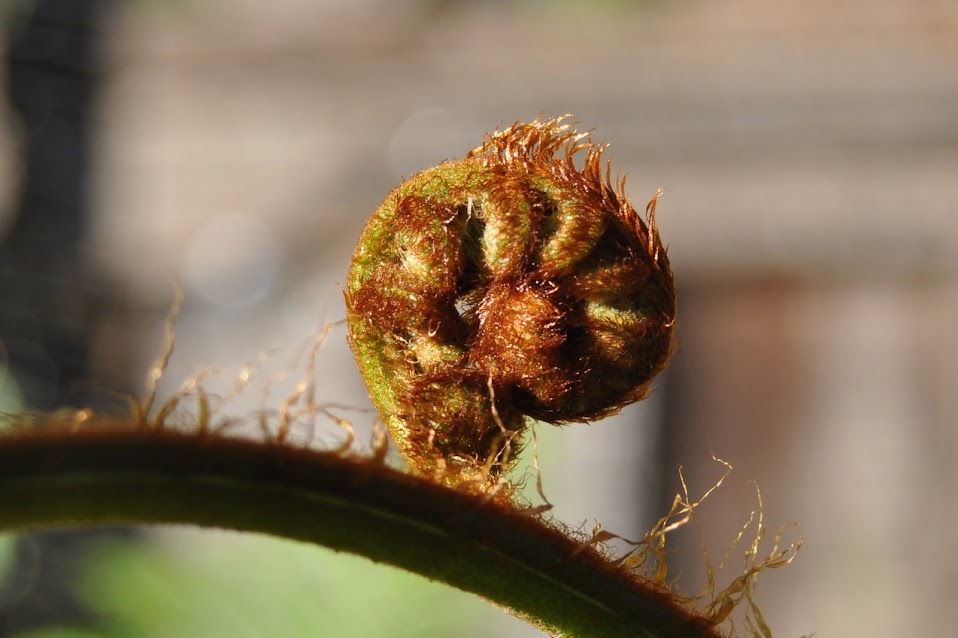
Flowers and fruits are the focus of many a blog, but in the cool, quiet corners of the garden, ferns flourish.  Fronds unfurl curling upward as they unwrap from their coil.  Sword ferns, native to North America, favor shade as they fearlessly stand guard beneath the orange tree.  Asparagus ferns are fond of climbing and twining, sending out long straight shoots.  Within a fortnight, feathery emerald leaves should follow.

Southern Sword Fern ‘Nephrolepis Cordifola’

Gian Chain Fern ‘Woodwardia fimbriata’

Asparagus Fern reaching for the fruit tree

Fern about to unfurl

Other Worldly

Fruit for the Picking

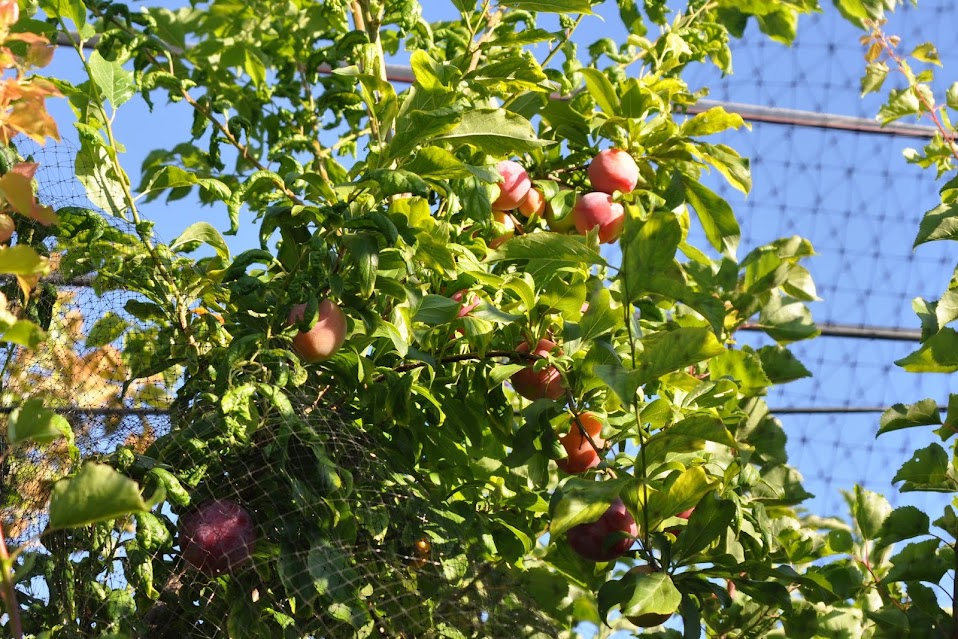
You may remember that while attempting to cover the four-in-one fruit cocktail tree with bird netting earlier this year, I fell.  Yep, just call me Grace.  One leg of the ladder sank into the dirt and down I went.  I wasn’t seriously hurt, but bruised and scratched enough to abandon the job at hand.  Did I mention that I broke the ladder, too?

The tree was partially covered before the fall.  I left the excess netting in a pile at the base of the tree.  From time to time I tucked in bits of netting around the expanding branches, hoping to confuse the foragers. Would the coverage be enough to save some fruit for my family?  Last year the birds and squirrels picked the tree clean.  If I hadn’t taken a photo of two beautiful plums the day before, I would have assumed I imagined the whole thing.

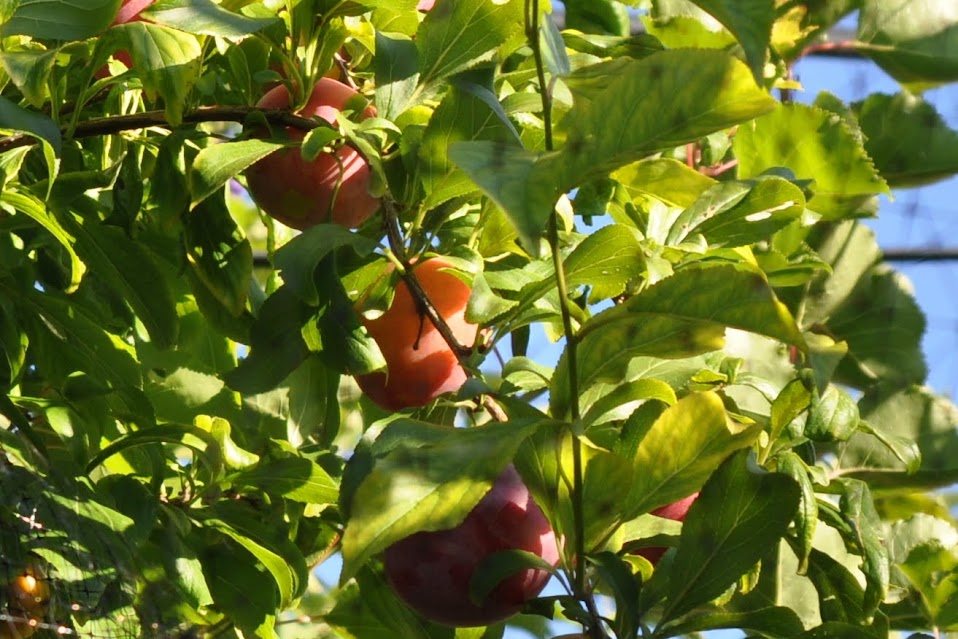
It worked!  I’ve seen a few nibbles, but most of the fruit is still on the tree, soon to be ripe for the picking.

Netted Fruit Cocktail Tree

Plums and Nectarines

I haven’t baked in pie in a zillion years, but I think it’s time to brush up on my baking skills. The next fruit to set: peaches. Oh my, oh my, oh my!

Please let me know if you have a favorite pie recipe to share.

Blooming Thursday: Dwarfed by the Cosmos

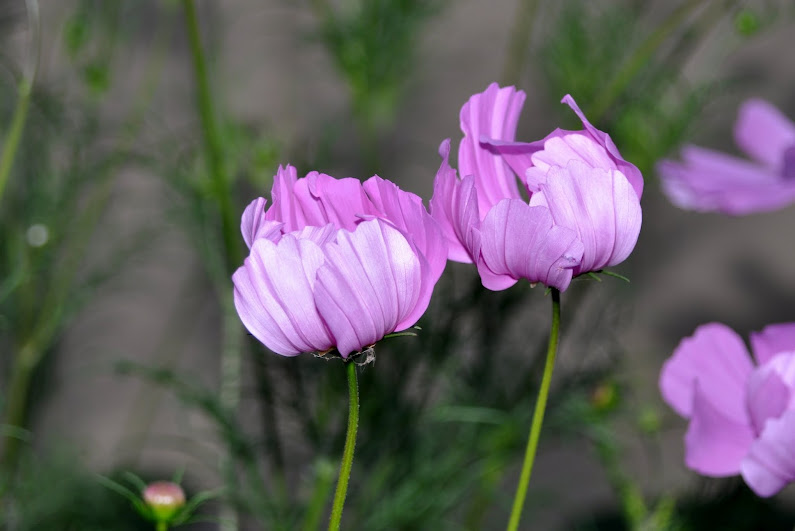
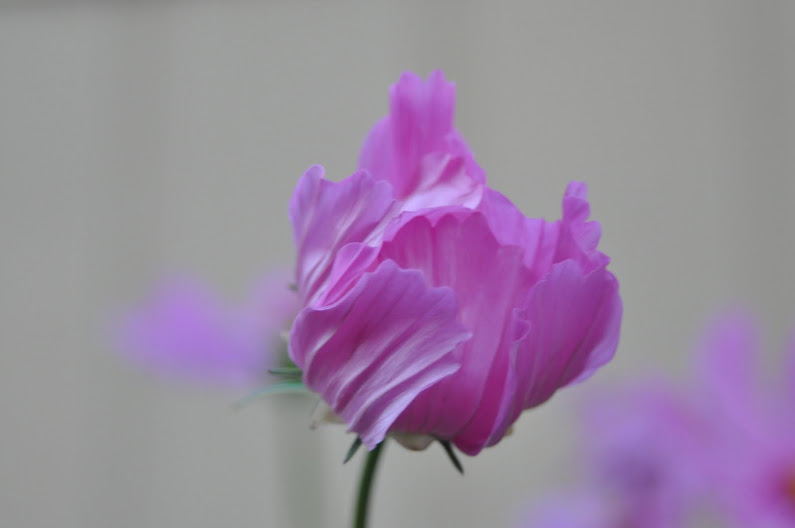
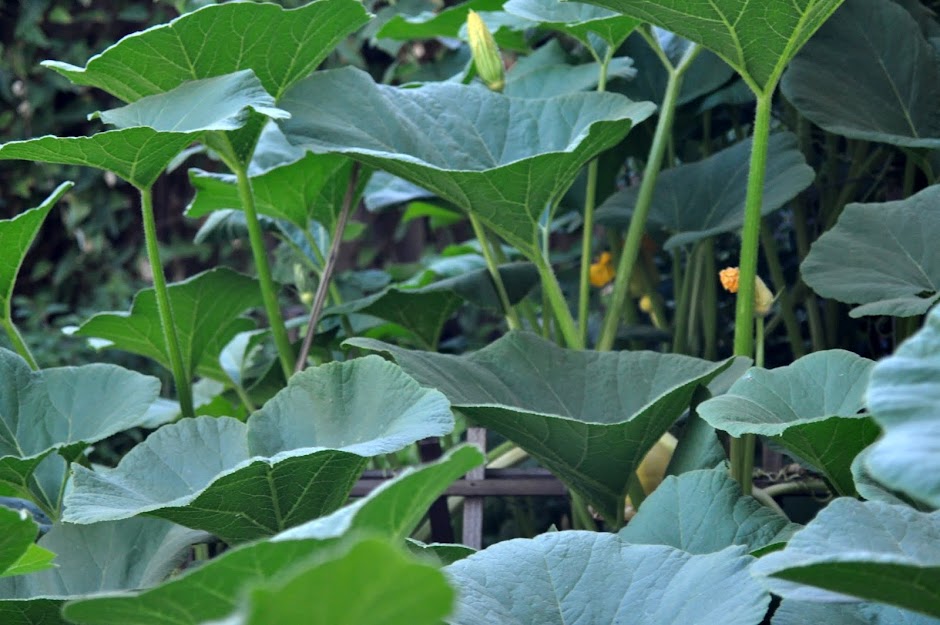
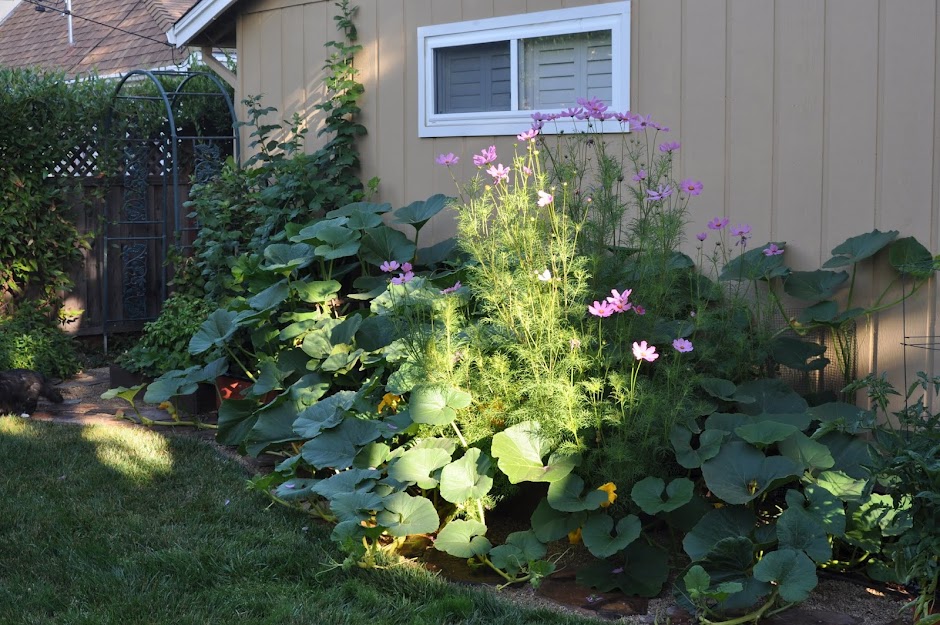
I’d like to give a shout-out to the bird, or perhaps it was the wind, for planting the cosmos.  These pink and yellow beauties are my new garden darling, the flower I didn’t know I loved.  They were part of a mixed flower seed packet from last season.  We had several flowers bloom over many months, but nothing as spectacular as this.  Around the corner from their original home, a leafy green plant emerged.  I let it grow along with the pumpkins and now this flowering lovely is taller than I am.  I’m 5’10” so that is saying a lot.

Here’s a little photo journal of life among the cosmos:

Dwarfed by the Cosmos

Sisters

Ruffles

Seeds!

The flower cycle

Pumpkin Vine Sprawl

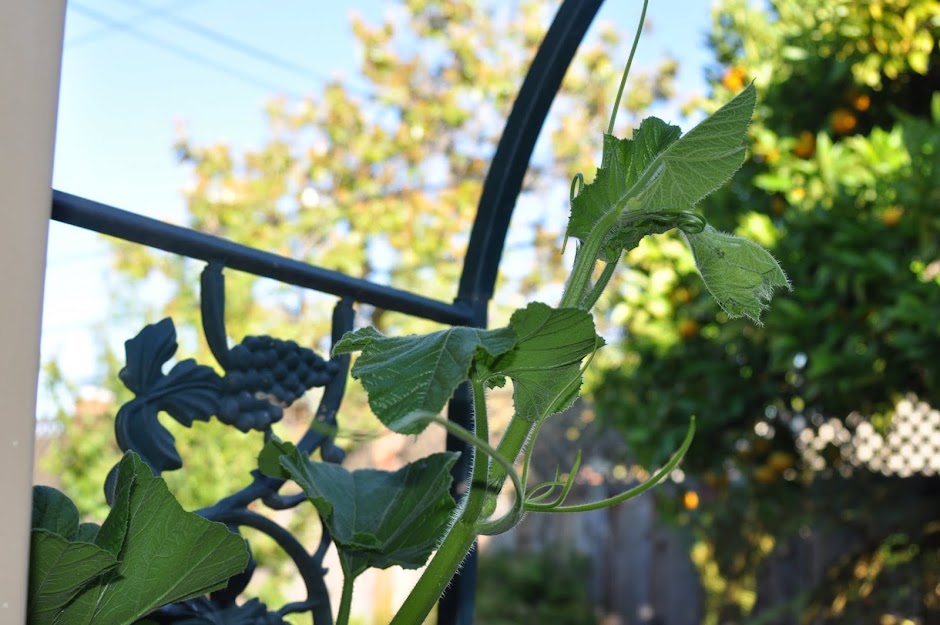
Well will you look at that?!  Our granddaddy of all pumpkin vines has meandered across the planting box, over the trellis, through the tomato cage and around the berries.  Yesterday Big Max grew at least a foot!

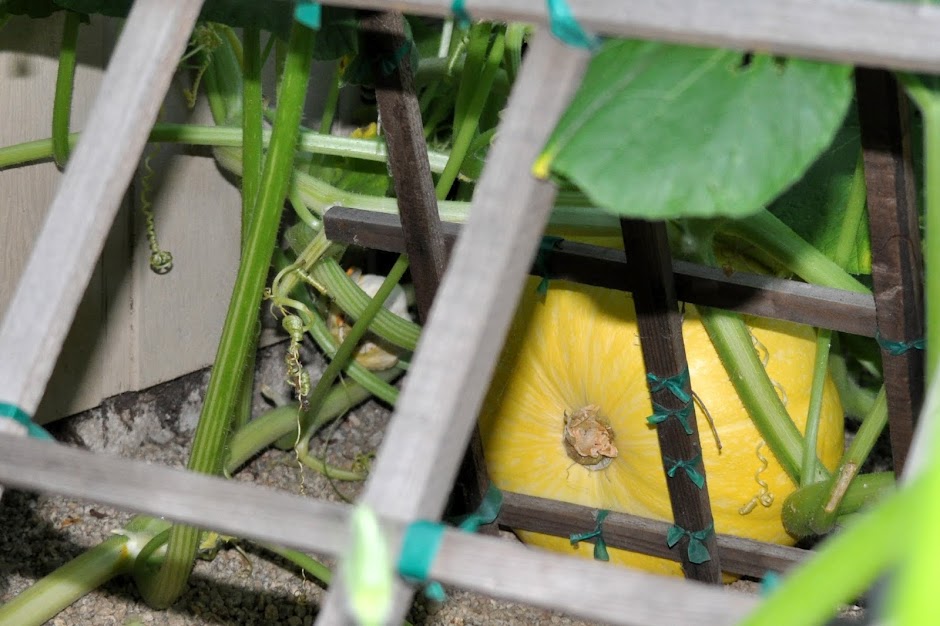
I have two smaller vines growing as well, transplants from indoors.  One of them set fruit last week, but they can’t keep up with the big guy.  We’ve counted at least a dozen pumpkins so far, currently a pale yellow.  Two of them are the size of basketballs and so far unharmed.  The rats, squirrels and other mysterious visitors are helping themselves to the smaller fruit, but fortunately we have enough to go around.  Fingers crossed.

A few of the fruits have rotted on the vine but the plant itself looks okay.  I hope this is just part of the natural selection process and that the others continue to grow.  I wish you could all stop by for an in-person tour.  I guess photos will have to do.

Upward Mobility

My Pride and Joy

Leafy Green

Pumpkin Vines: The Long View

Up and Comers

Three Out of Four Cats Agree: Nepeta Cataria Rocks!

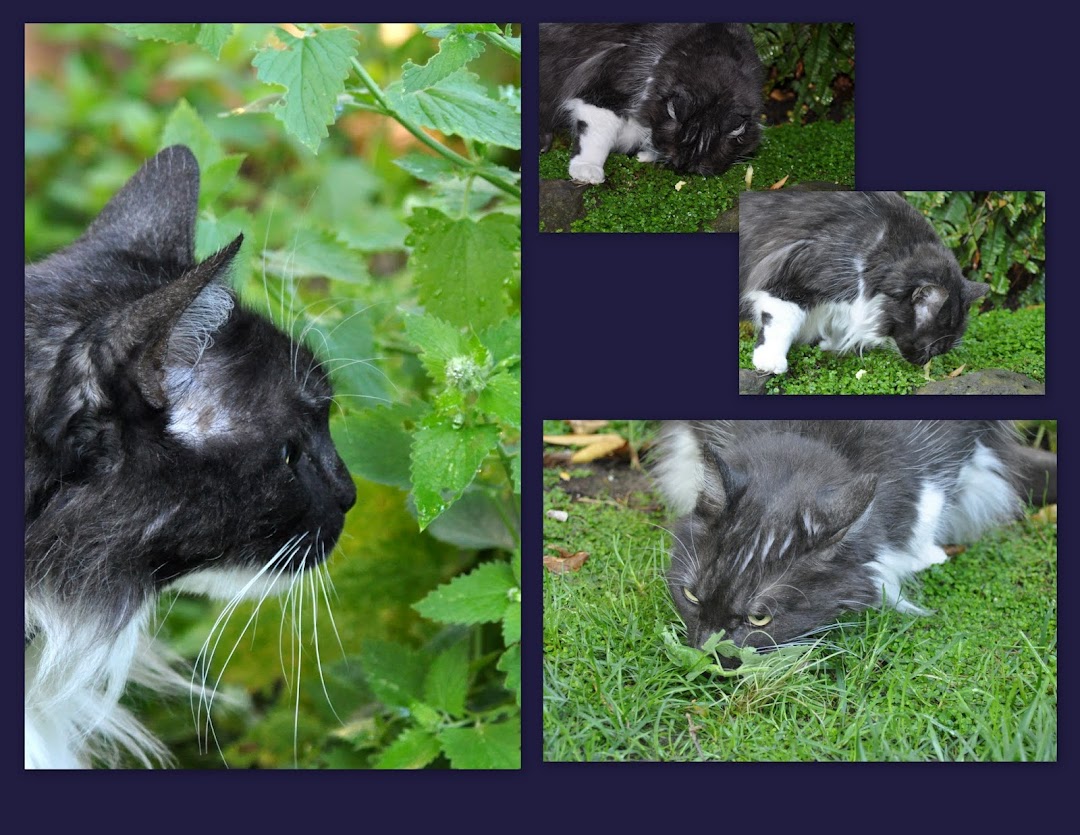
The verdict is in, at least as far as our cats are concerned. It’s a resounding “yes” to fresh-picked catnip. I performed this highly scientific test in random order. In other words, whatever feline showed interest first. Since Lindy, 10, had her eye on the plant, I started with her. She immediately dove into the lawn where I placed the catnip, rubbing her chin against the leaves.  I pulled my hand away to take the picture, and she continued to nuzzle the leaves. Next up, Beijing, 15,who came by to see what all the fuss was about. She leaned down to smell it, rubbed it a bit, then picked it up and took a nibble. Tasty!  Slinky, 2, is a wild one, frightened of just about everything. She took some coaxing, but once she got a whiff of the catnip she immediately took to the scent as well.

Neighbor kitty hung out on the fence, observing the tests and making sure I didn’t falsify the results and jeopardize my catnip seed funding.

Lindy-Lu gives it a Paws-Up

Beijing Finds it Tasty

Slinky Says Yes to Catnip

Neighbor Kitty: I’ve got my eye on you!

You can read more about the properties of Nepeta cataria, also known as catnip or cat mint here.

City Picker Update: Tiny Green Tomatoes

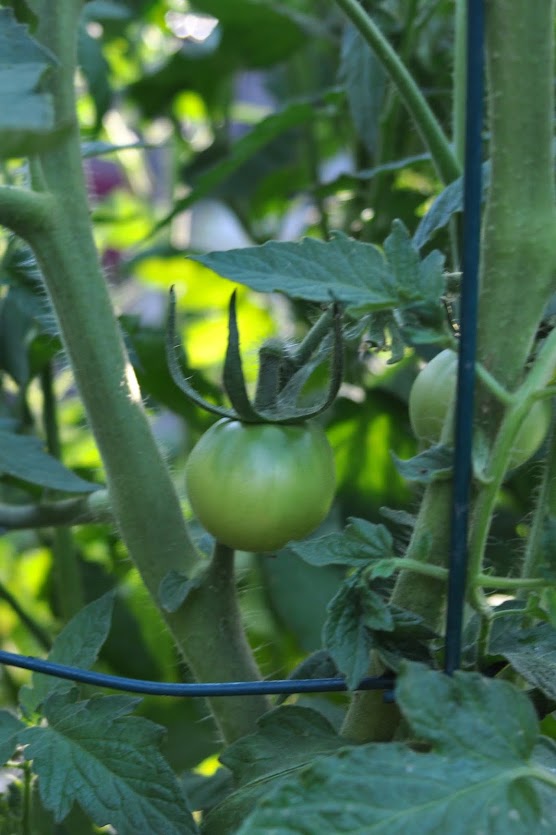
Early Green Tomatoes

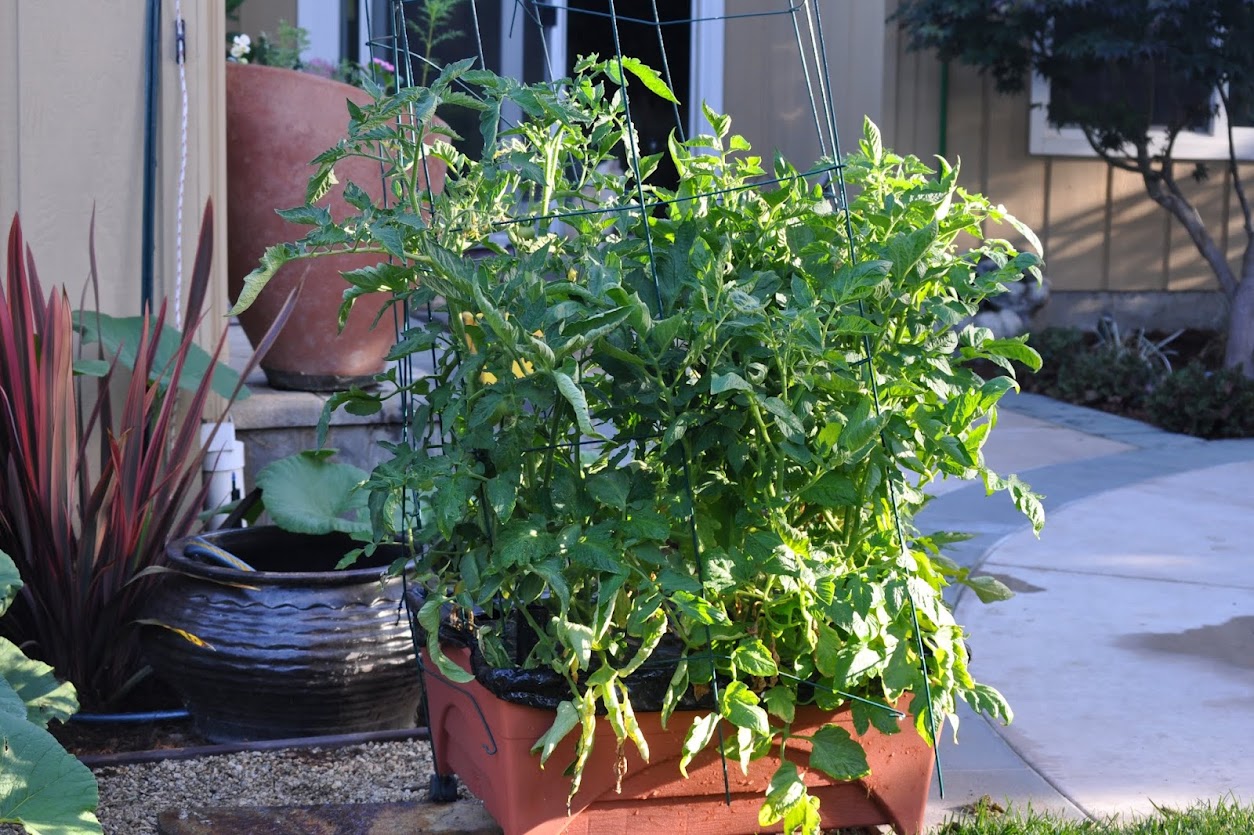
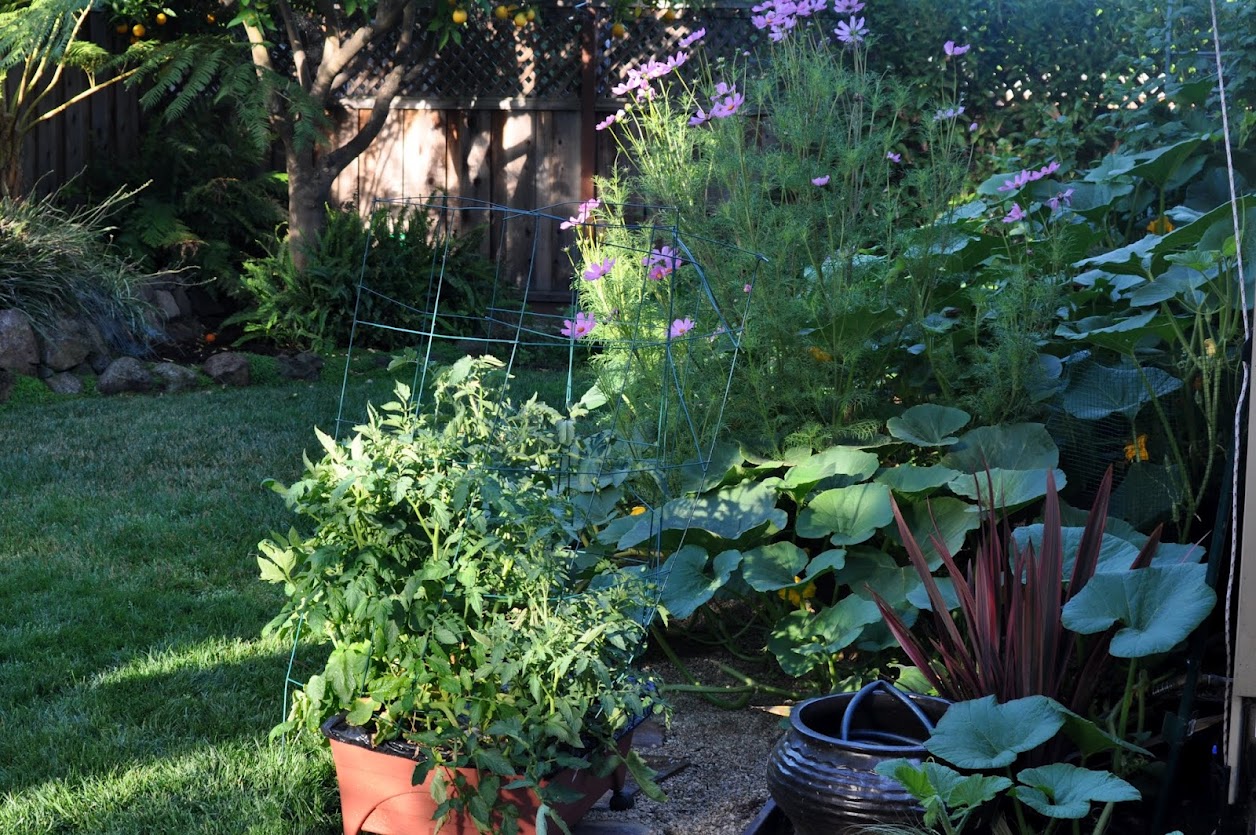
As the pumpkin vines continue to populate the vegetable patch, I was once again grateful for the City Picker boxes.  I simply rolled the entire planter box of tomatoes to another sunny spot, and let the pumpkin vines continue to grow.  (As if I would stop them!!!)

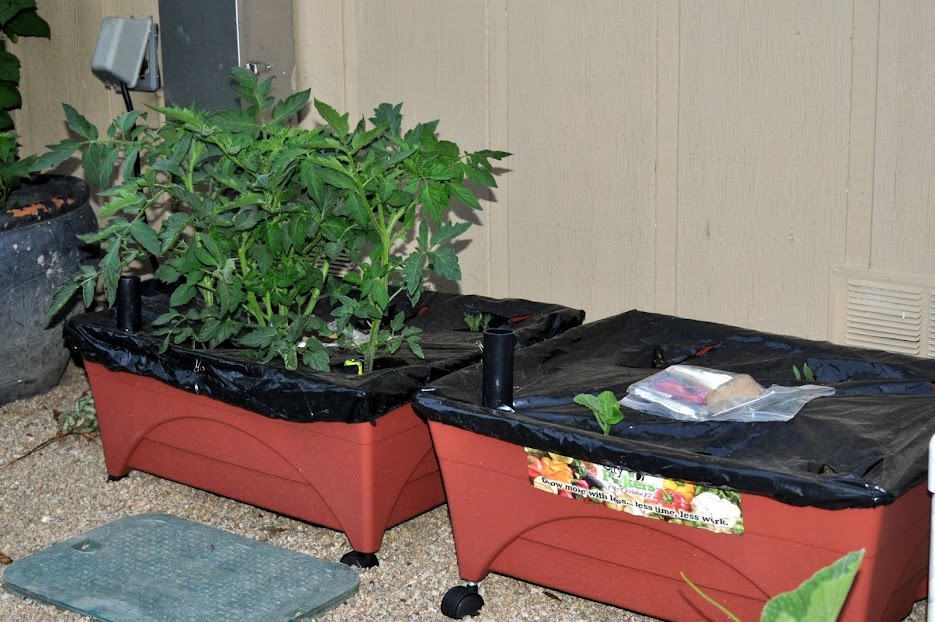
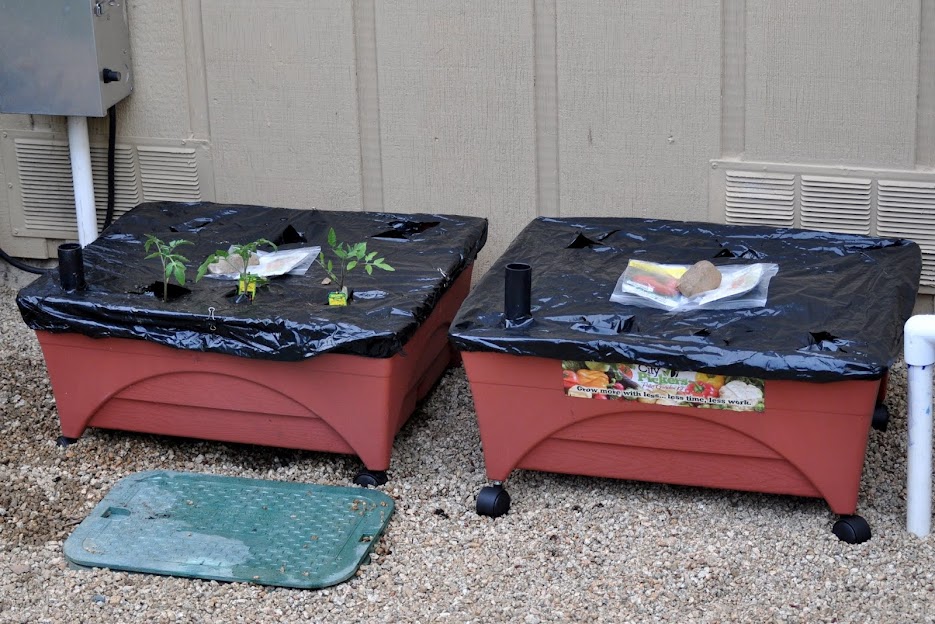
Unfortunately, one of the two boxes leaks when I fill the watering tube.  I can’t do anything about it now, but I’ll investigate at the end of the planting season to see what’s up.  I planted three starter tomato plants on one side and a variety of seeds on the other.   Eventually, I thinned the plants to an even six to the box.

Here’s how they’re growing:

City Picker Tomatoes: June 23, 2012

City Picker Tomatoes: May 23, 2012

City Picker Tomatoes: May 1, 2012

Help! There’s a pumpkin vine chasing me!!!

Rearranging the Plants: A Welcome Home Surprise

Rearranging the furniture was a favorite pastime when I was a girl.  My sister and I would move things around while Mom was at work, then yell surprise when she walked through the door.  This week, I decided to rearrange some plants.

In March we planted five glorious pink Azaleas beneath the living room window.  Sadly,  once the temperatures rose, one of them rapidly dried out.  Hoping for the best we held on for another several weeks.  I hate giving up on plants. We finally laid it to rest in the compost heap last week.

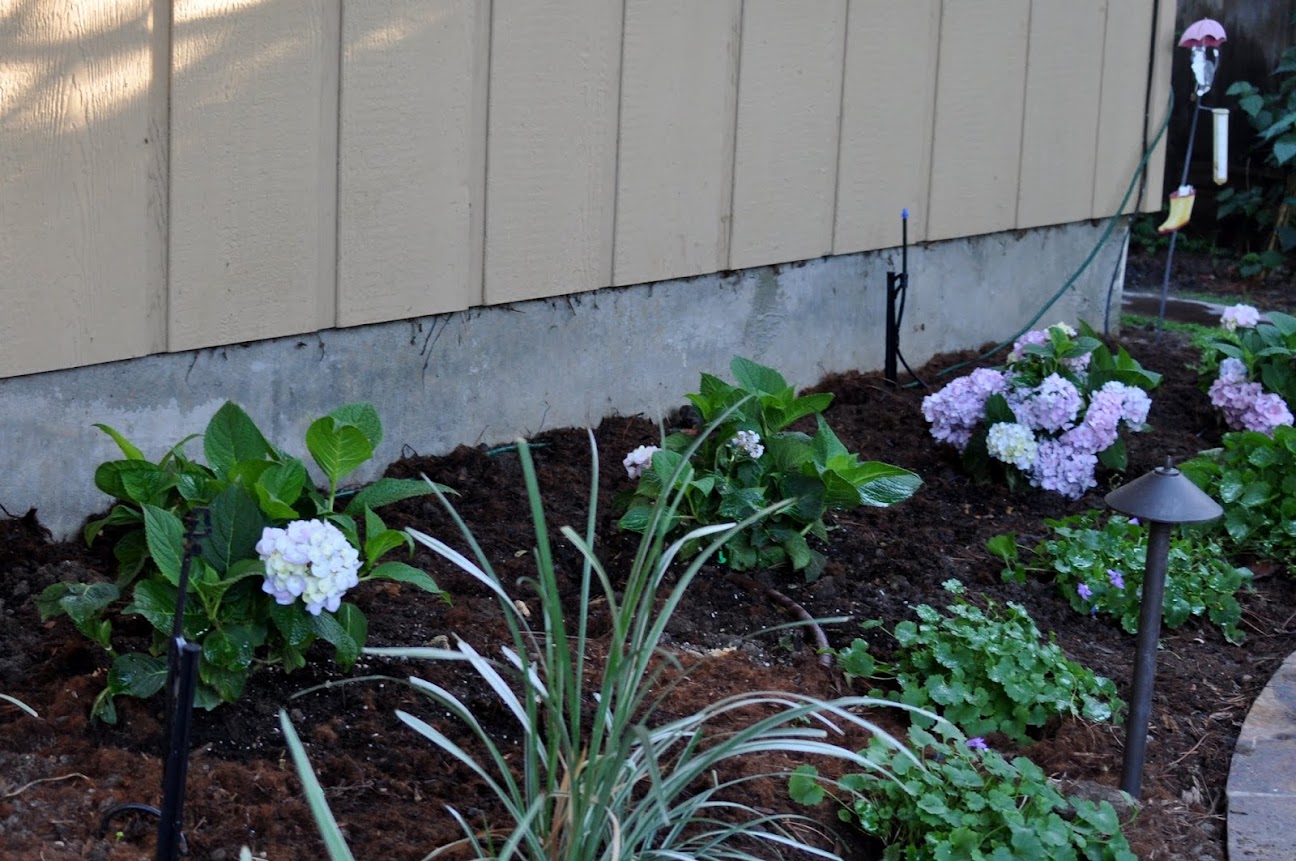
My husband has been wanting to buy more Azaleas for the back corner, to intersperse with the hydrangea. I suggested we move the surviving plants, then buy pink hydrangeas to go under the window.  Azaleas make me happy, but blooming hydrangea make my heart skip a few beats.

While I was away, Mike made the switch.  He tucked the Azaleas around the sword fern near the blue hydrangea, then planted pinkish purple hydrangea under the window.  The plants will grow taller, doing a better job hiding the house’s foundation, and as they grow they’ll pop their pretty pink heads above the window.  Can you feel me smiling from ear to ear?

New Hydrangea

Azaleas (Back in March)

Relocated Azaleas