Today is the final day of Cathy’s garden meme. I’ve enjoyed revisiting many of my garden favorites, even if I only managed three out of seven days.
A tip of the hat to the other gardeners who shared photos and checked in all week, and to Cathy for inviting us to share.
As we head toward the winter solstice, we can look back and forward, while enjoying the in between. It’s time for spring and summer gardens to rest, so that they can burst forth with color, energy, and strength the following year. I realized today that most of my spring garden favorites have an intoxicating scent. I’ve gradually introduced seven of the ten most fragrant flowers.
Now close your eyes and imagine the warming earth, bulbs breaking ground, and finally flowers releasing that wonderful scent. Floral scents attract birds, bees, bats, and other pollinators, each fragrance drawing the right crowd. Who’s to say that we don’t play a part as well as we breathe in that aromatic scent, breathing out a bit of energy as we inhale, exhale, inhale, and repeat.
I’m joining Cathy of Words and Herbs, along with other gardeners around the globe, for day six of her winter garden meme. Cathy’s invited us to share flowers from this past year’s garden as an antidote to winter gloom.
I probably shouldn’t admit this, but I live in USDA hardiness zone 9, which, to my non-gardening readers, means I can effectively garden for 10 months of the year. Frosts are rare.
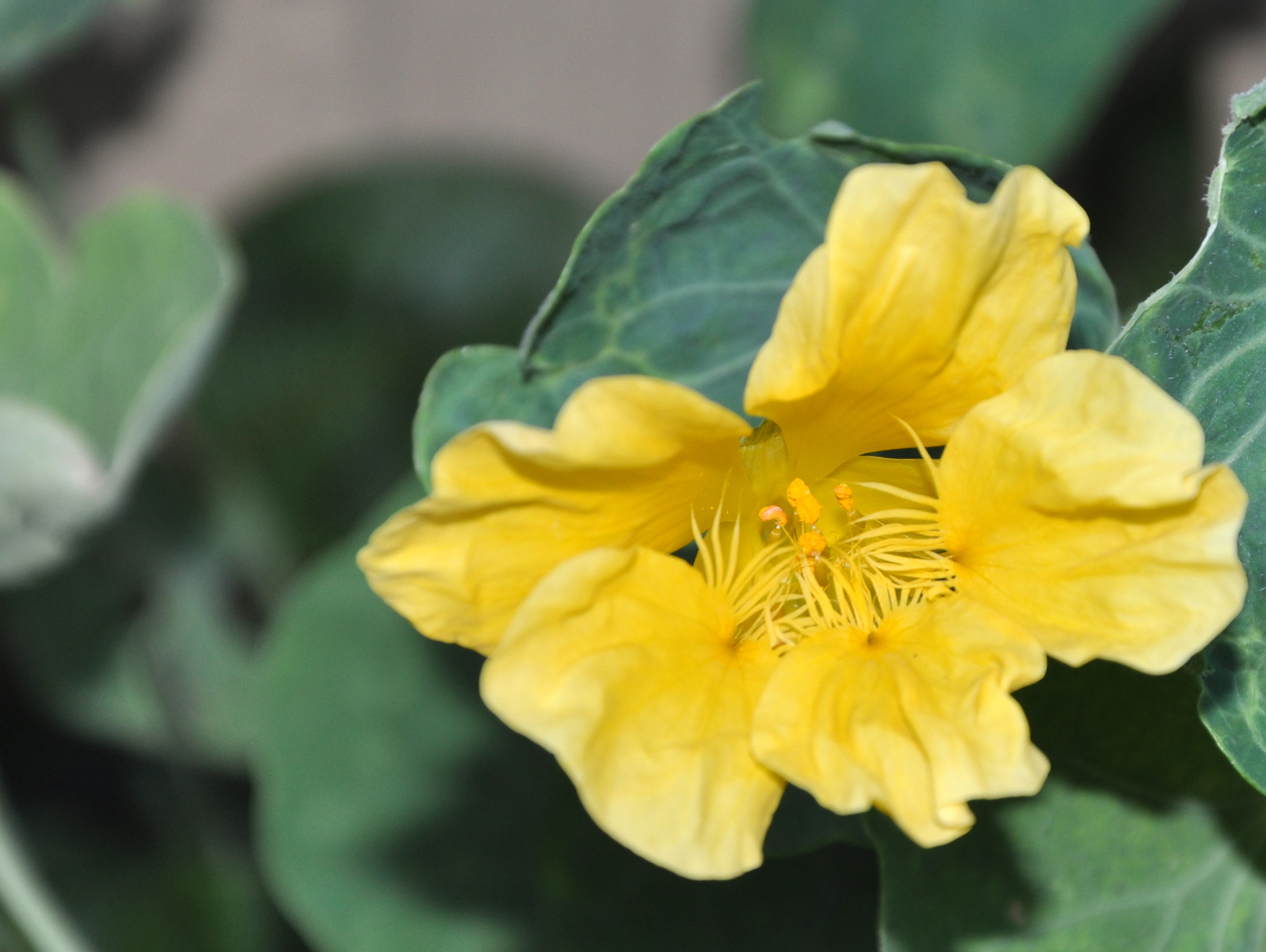
Yellow nasturtium
It’s not all rosy. We have multi-year droughts, and even in a typical year, rainfall is minimal and seasonal. We might go five or six months without a drop.
I am NOT complaining, just commiserating with gardeners who must step away for a few months till the ground thaws.
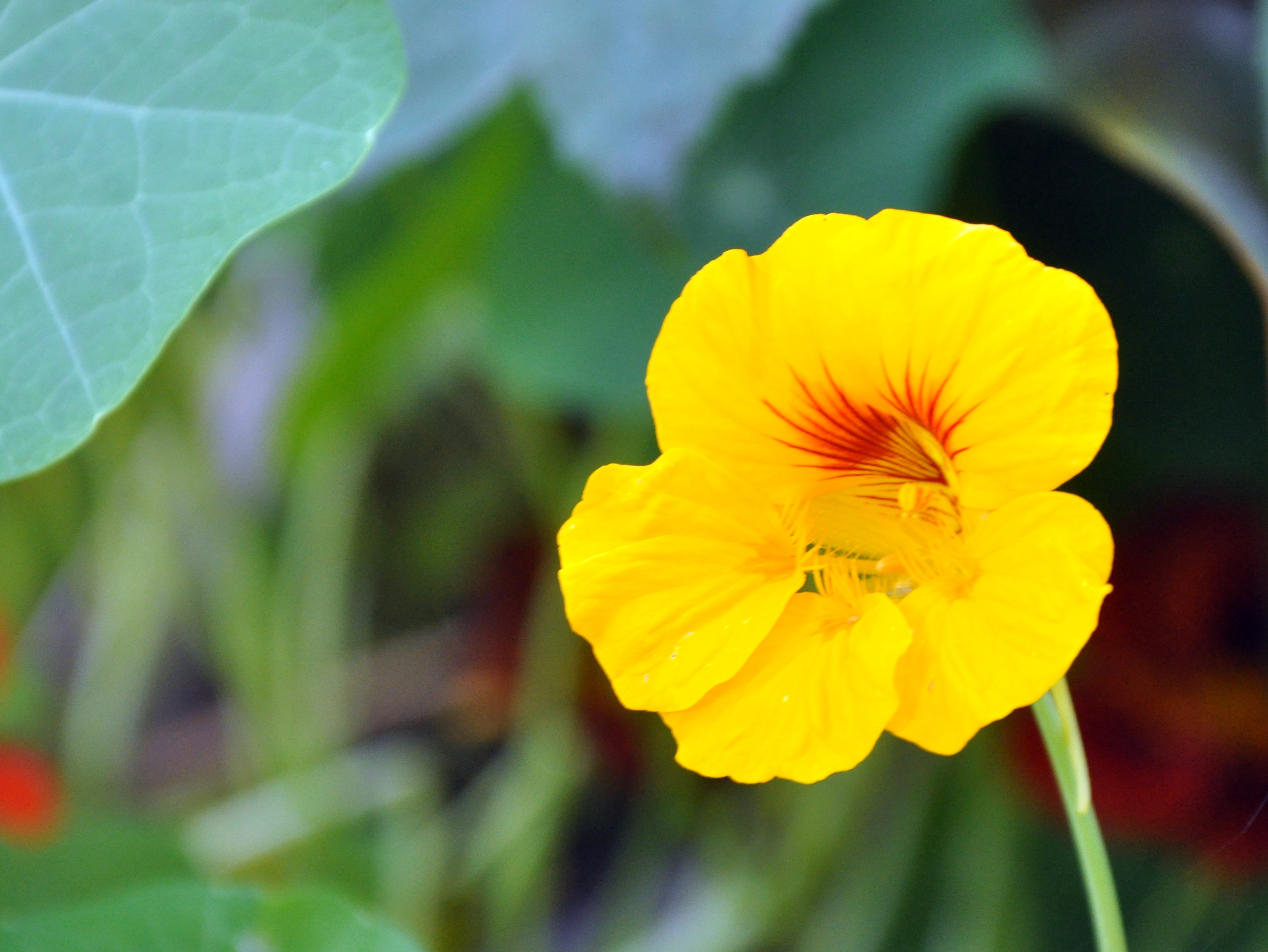
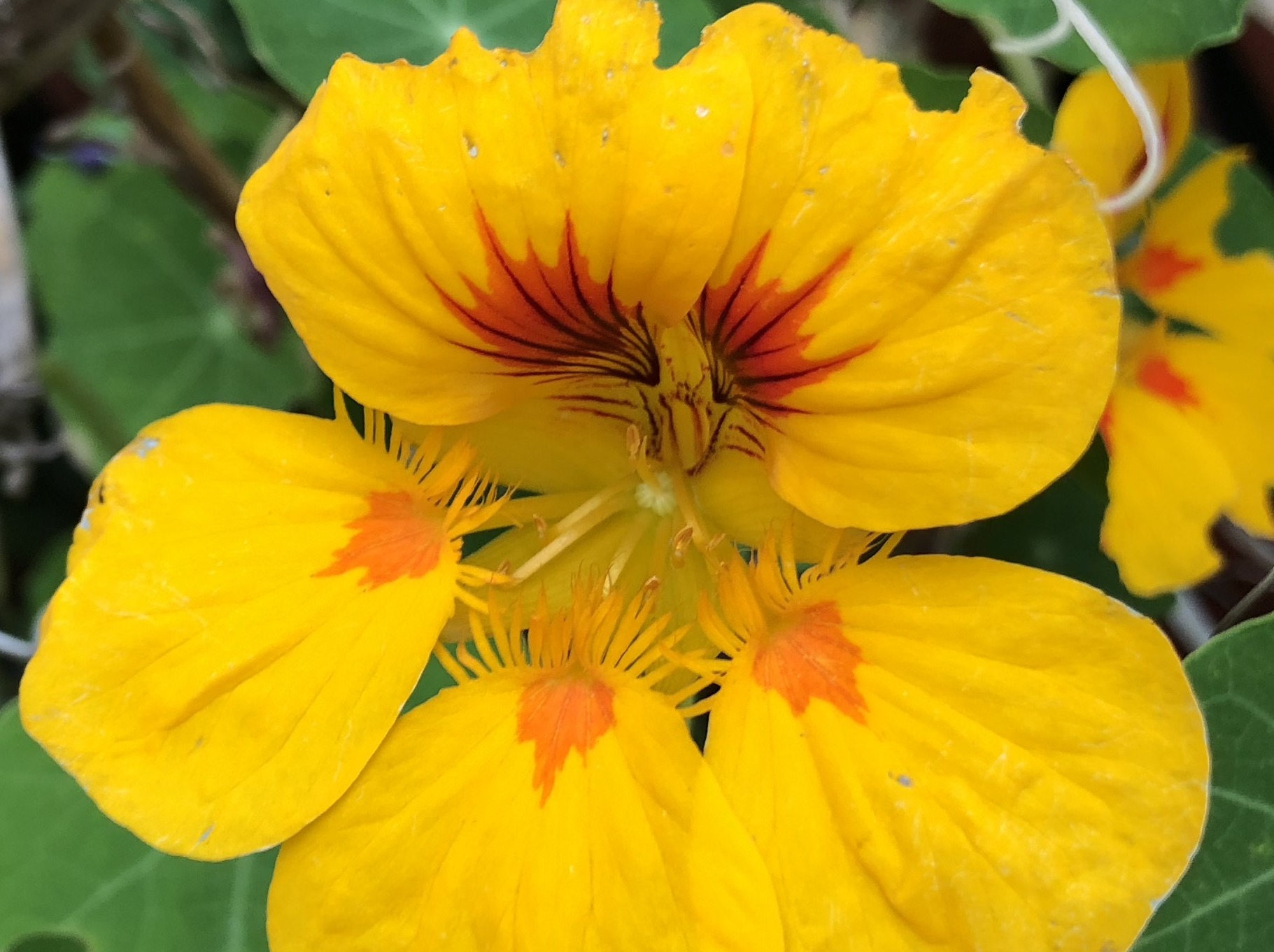
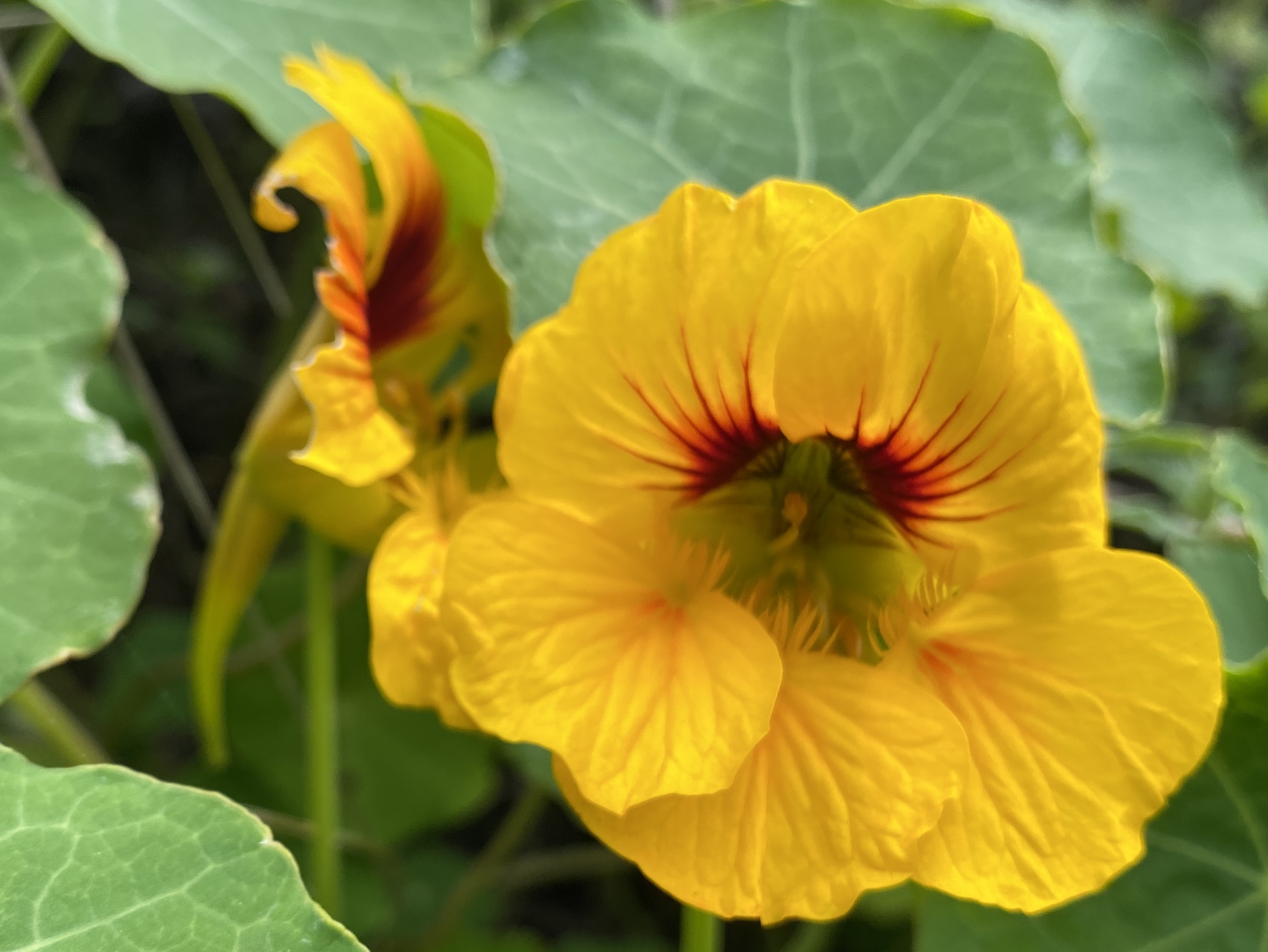
Today I’m sharing my garden nasturtiums, and my top-ten reasons for planting them.
They’re in my zone, growing well for months out of the year.
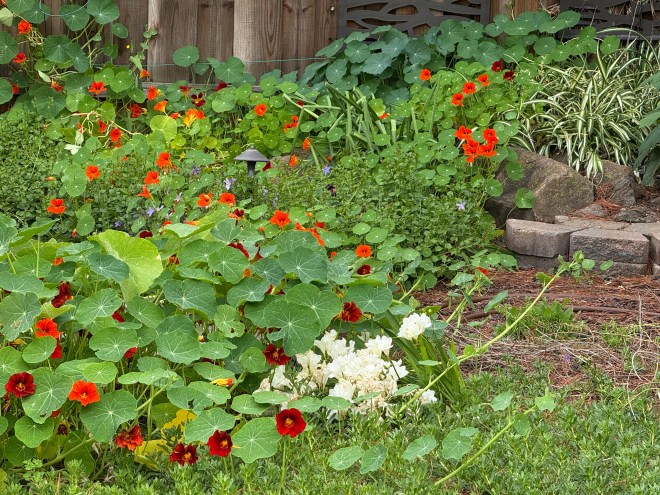
nasturtiums in the garden
2. Nasturtiums self-seed. Plant once, and enjoy their reliable return to the garden.
3. These tender perennials play well with others. They’re happy to grow up between plants or across the patio, but somehow they’re not invasive.
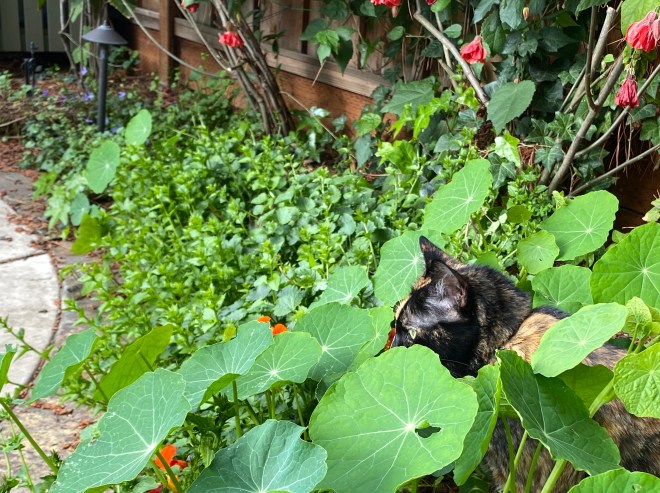
4. They make a fun hiding place for our cat, Tessa.
Tessa amid the nasturtium and abutilon
5. They flower twice a year.
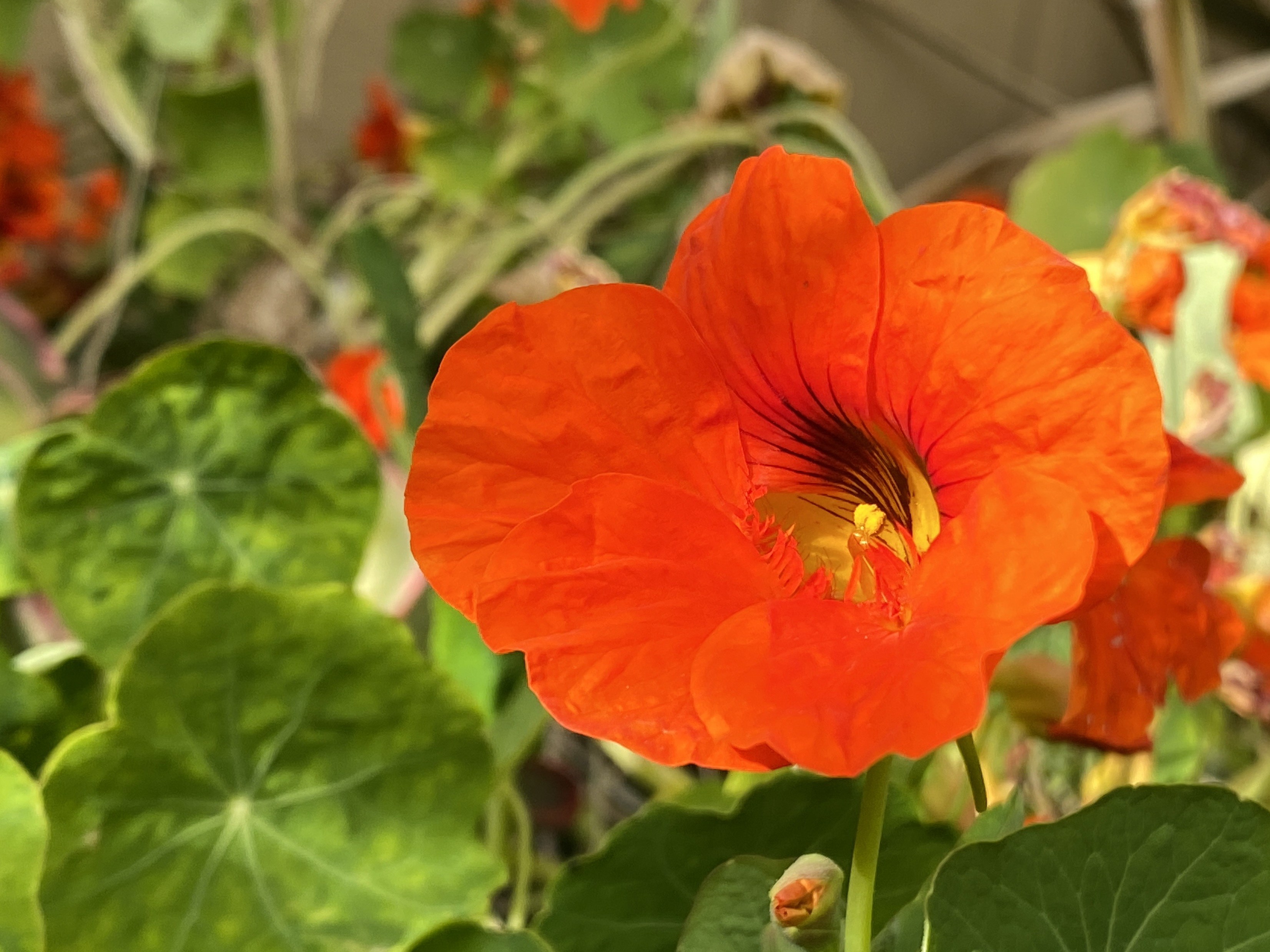
orange nasturtium
7. Nasturtiums have beautiful leaves.
6. The flowers and leaves are edible, cooked, and raw. They’re lovely as a side dressing on a salad or on top of a cake.
8. The rich yellows, oranges, and reds feel like sunshine.
9. When you enjoy crafting and gardening, nasturtiums make their way into your crafting room, where they leave a wonderful impression.
10. Bees love nasturtiums, and gardeners rely on bees. We all win, and that’s the best reason of all.
Cathy of Words and Herbs is hosting a week-long meme celebrating the stars of our gardens over this past year. It’s a chance to look back and also to imagine forward, as to garden well, is to plan. That doesn’t mean all goes according to plan, but you learn that planting lettuce in the heat of the summer or forgetting to get your bulbs in the ground on time can lead to disappointment.
Without further ado (it’s day five, but this is the first day I’ve had time to post), here are a few of my garden darlings, and an adorable photo of our grand-pooch.
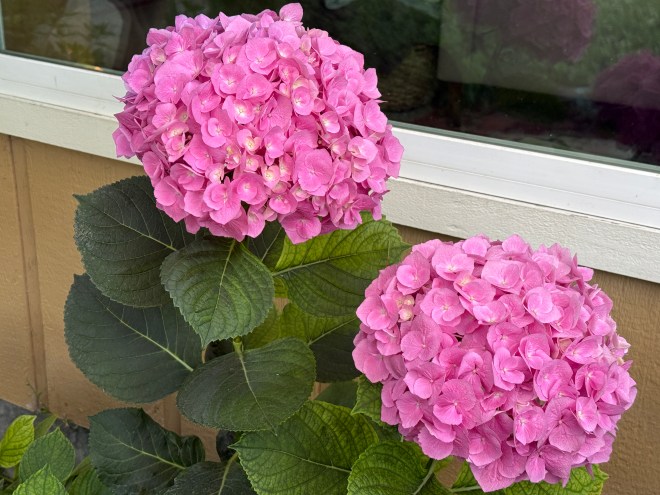
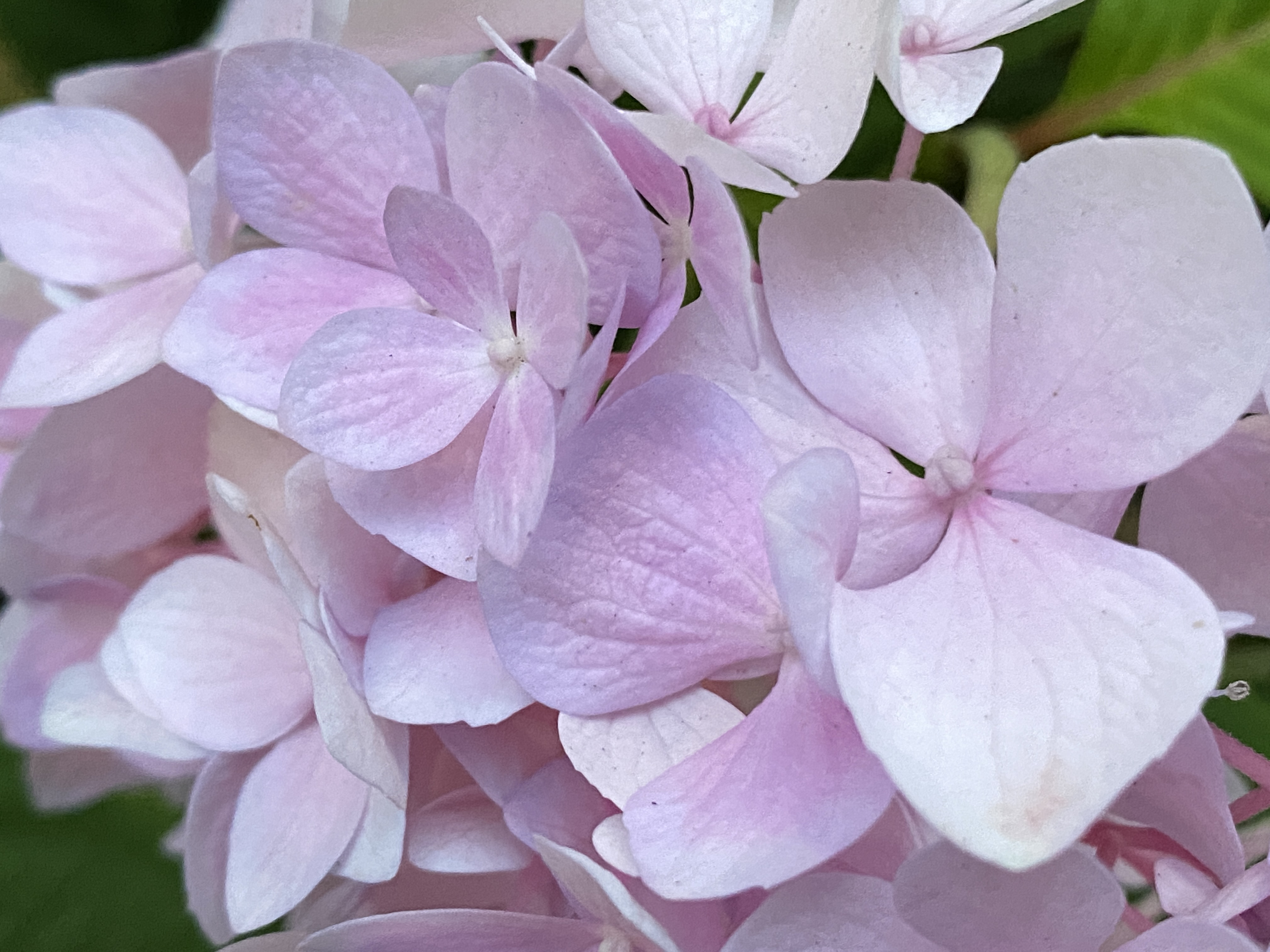
Our pink and blue hydrangeas are summer stunners. These are known as Bigleaf Hydrangeas(Hydrangea macrophylla).They span shades of fuchsia to cranberry, periwinkle to admiral blue, and even shades of green. It all comes down to the soil pH.
Oversized Hydrangea blooms
According to Wikipedia:
“The pink hydrangea has risen in popularity all over the world, especially in Asia. The given meaning of pink hydrangeas is popularly tied to the phrase “you are the beat of my heart,” as described by the celebrated Korean florist Tan Jun Yong, who was quoted saying, “The light delicate blush of the petals reminds me of a beating heart, while the size could only match the heart of the sender!”[36]
Hydrangeas were used by the Cherokee people of what is now the Southern U.S. as a mild diuretic and cathartic; it was considered a valuable remedy for bladder stones.
If you follow this link to Cathy’s page, you will find other garden bloggers sharing their favs.
Thank you for hosting, Cathy, and for all the goodwill.
After several years of near-constant pain and impaired mobility, I had my right hip replaced in February, followed by a new left hip earlier this month. I’m relieved to have both surgeries behind me. To pass the time, I cropped a photo of one of my new joints, added a pair of eyes, and created a less clinical image of the new joint.
Screenshot
Today, my in-home PT assessed my balance using the Berg Balance Scale, and I scored 47 out of 56. A score of 41-56 indicates low risk and independent walking. I’ll take it.
Over the next four weeks, I could dislocate my hip if I move it past a 90-degree angle, which, in garden-speak, translates to averting my eyes as the weeds sprout. After an unusually mild November, we’re finally seeing true fall weather, including rain. All those weed seeds have been waiting in the wings for their grand entrance.
They’re unlikely to go to seed any time soon, and the wet ground will make removal easy when I can finally kneel in the dirt, so for now I must bide my time.
As I heal, I’m able to take photos from a standing position. Mike’s also taking me on daily drives for a change of scenery. Nature is a balm.
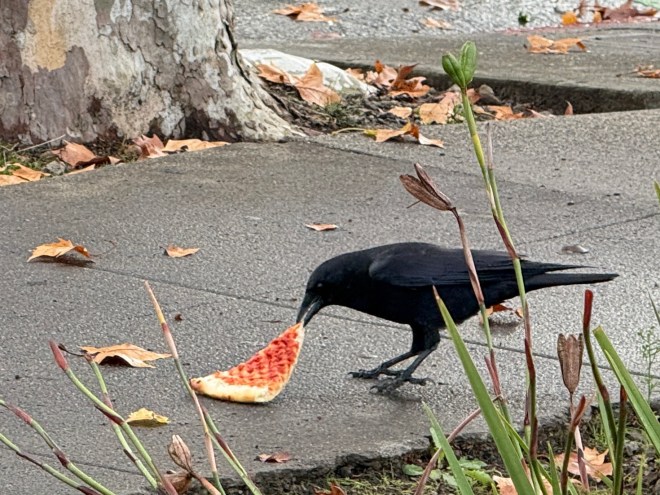
From the car window, I watched a crow enjoy a slice of sidewalk pizza in nearby Los Gatos.
I snapped this view of Silicon Valley in the misty fog at the top of Harwood Hill in San Jose.
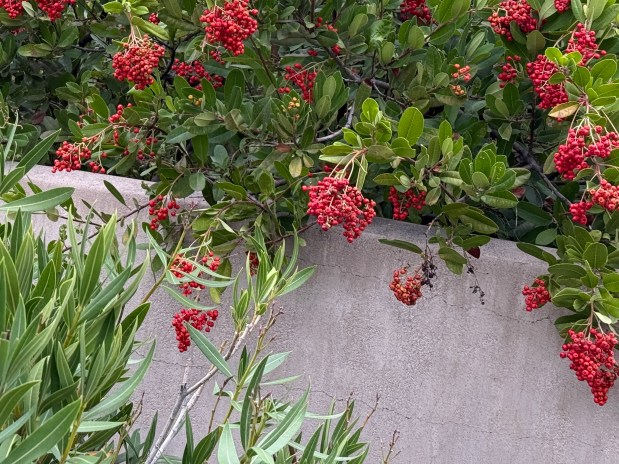
Heteromeles, commonly known as toyon, are native to our California coast. Not only do they provide food for birds, bears, and coyotes,
“The plant has been used as a treatment for Alzheimer’s disease by indigenous people of California, and recent research has found several active compounds that are potentially beneficial to Alzheimer’s treatment. These include icariside compounds, which protect the blood-brain barrier and prevent infiltration of inflammatory cells into the brain.” Source Wikipedia
The brilliant red berries brighten autumn’s grey days.
These Canada Geese were impervious to the rain outside the Cambrian Community Center. It must be nice to have a built-in raincoat.
Closer to home, a neighbor’s cat named Thor visited our front deck.
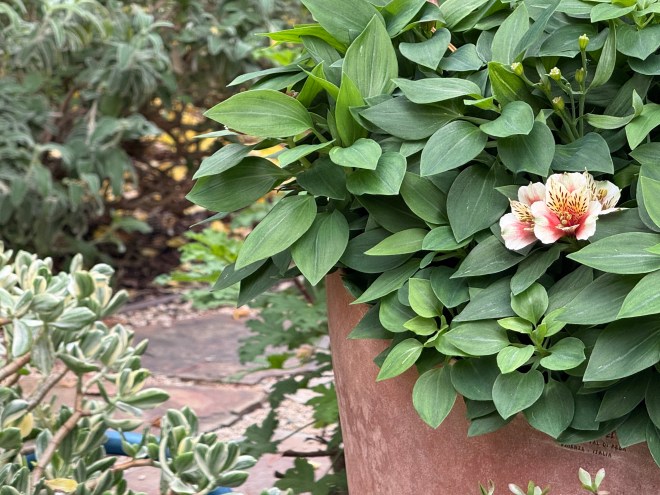
This potted alstroemeria recovered well after a broken pipe nearly drowned the plant. Once the roots dried and the heat of summer passed, it made a full recovery.
I plan to follow in the plant’s footsteps and make a full recovery as well.
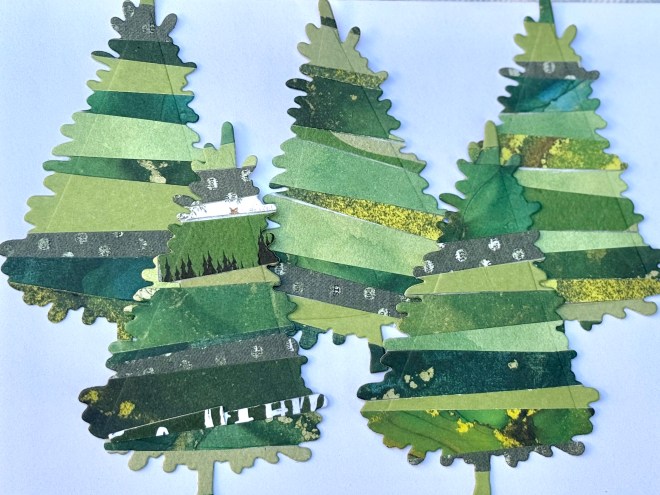
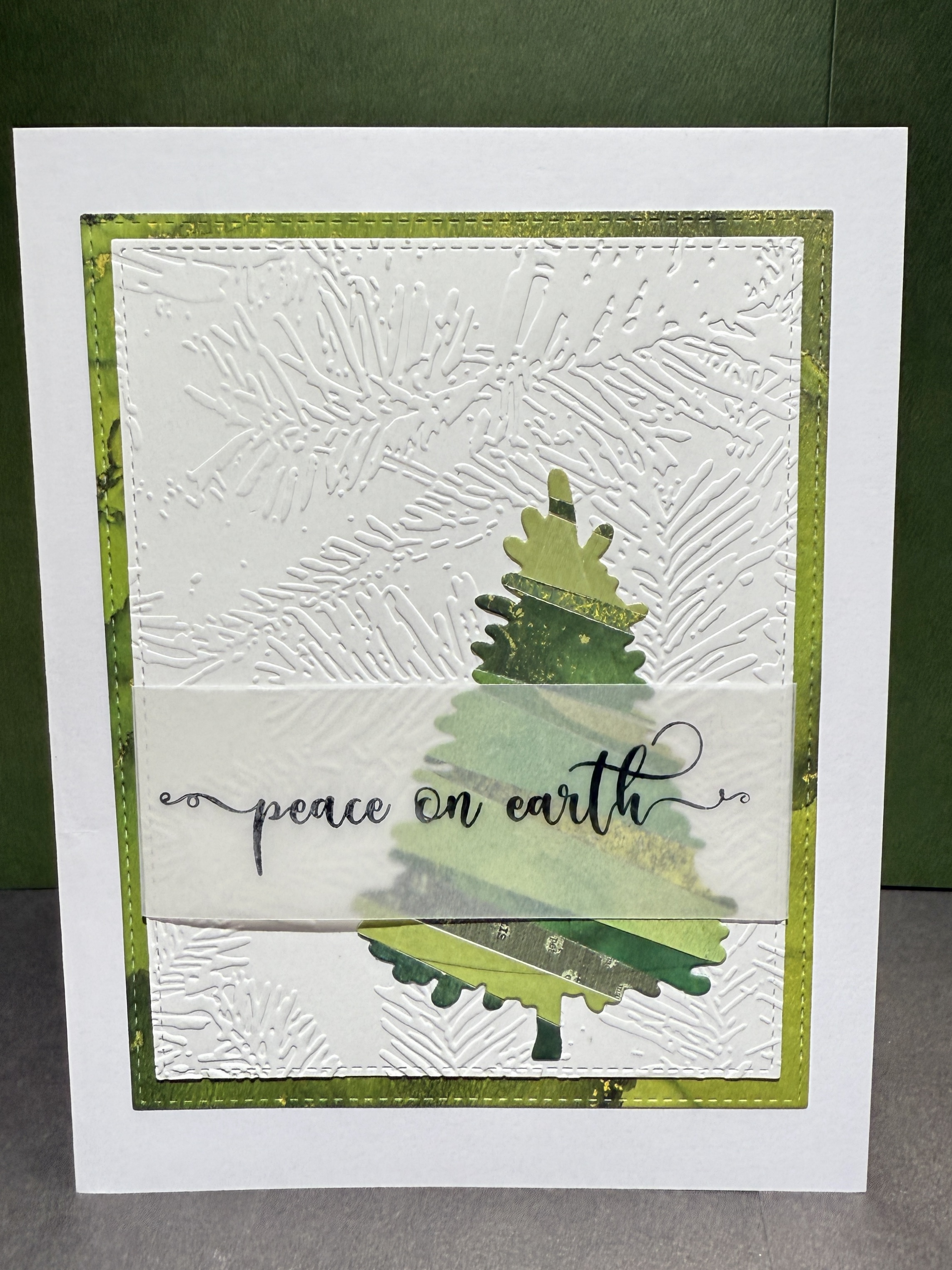
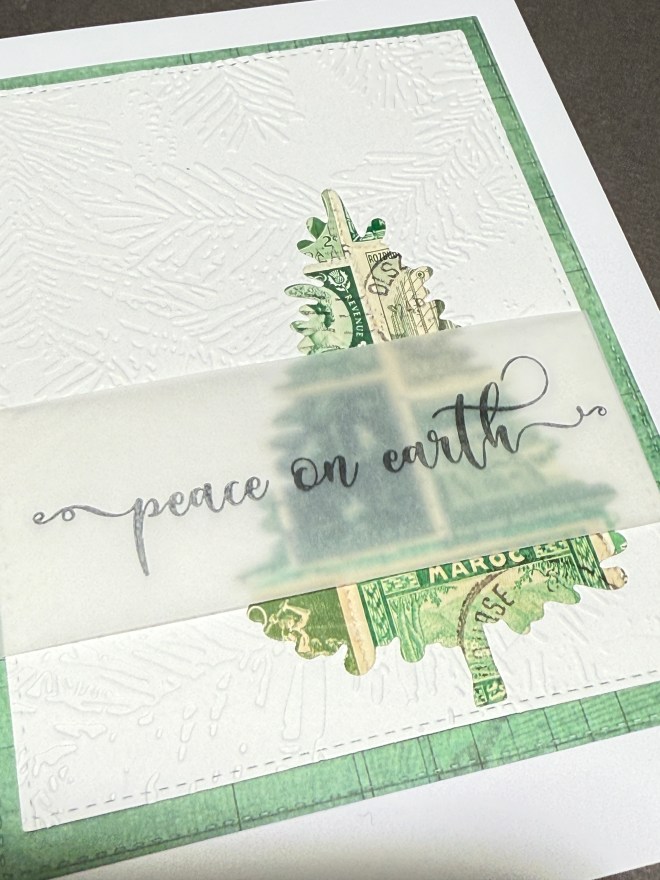
I’ve been making paper Christmas trees from scraps and using them to create Christmas cards. I’m sharing here for Kate’s monthly ScrapHappy day.
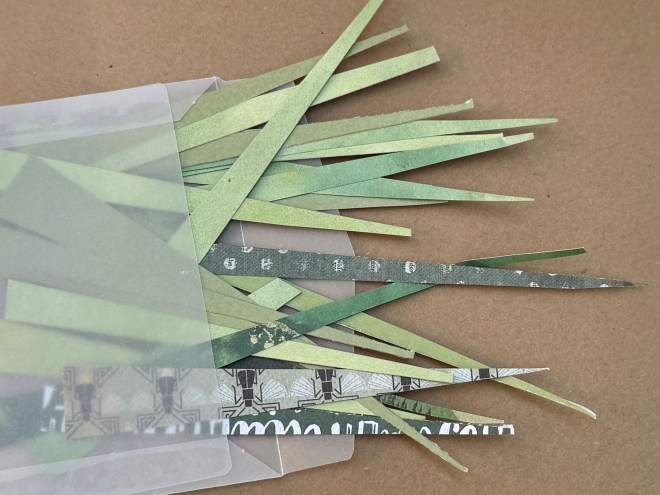
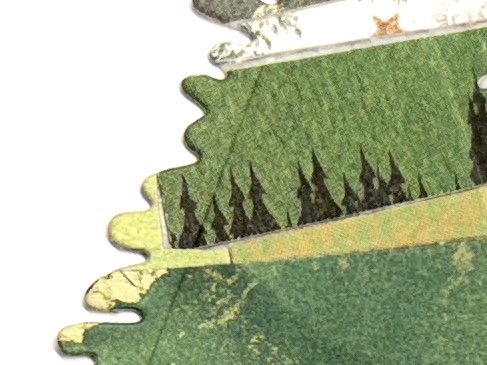
It’s been a fun process cutting slivers of paper at an angle, then arranging them on two-sided sticky paper. I started making them in August. When I have enough, I use a metal die to cut the shape. Each tree is unique.
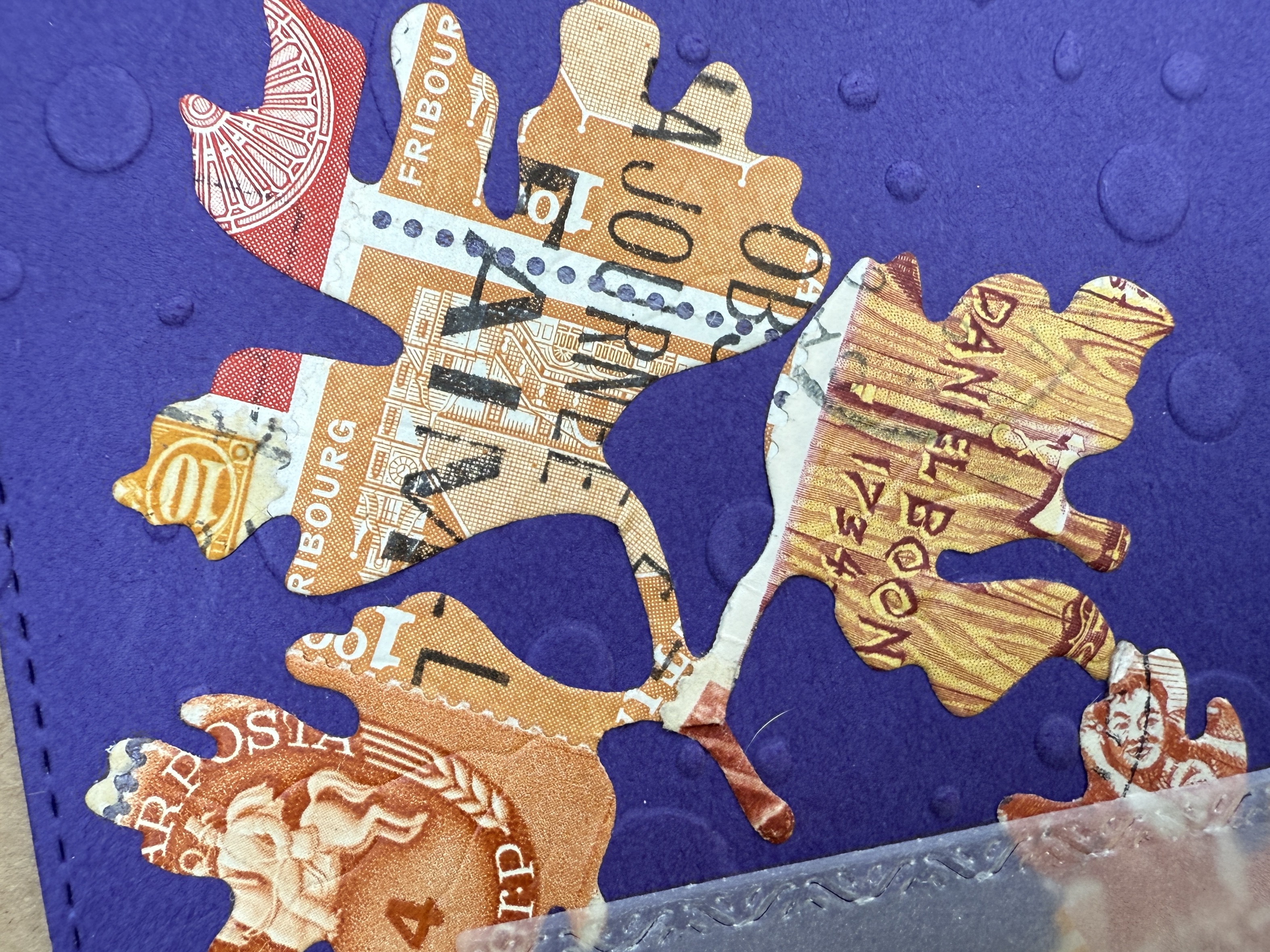
Included in the mix is a handful of Christmas trees made from vintage postage stamps. I think of them as scraps, too.
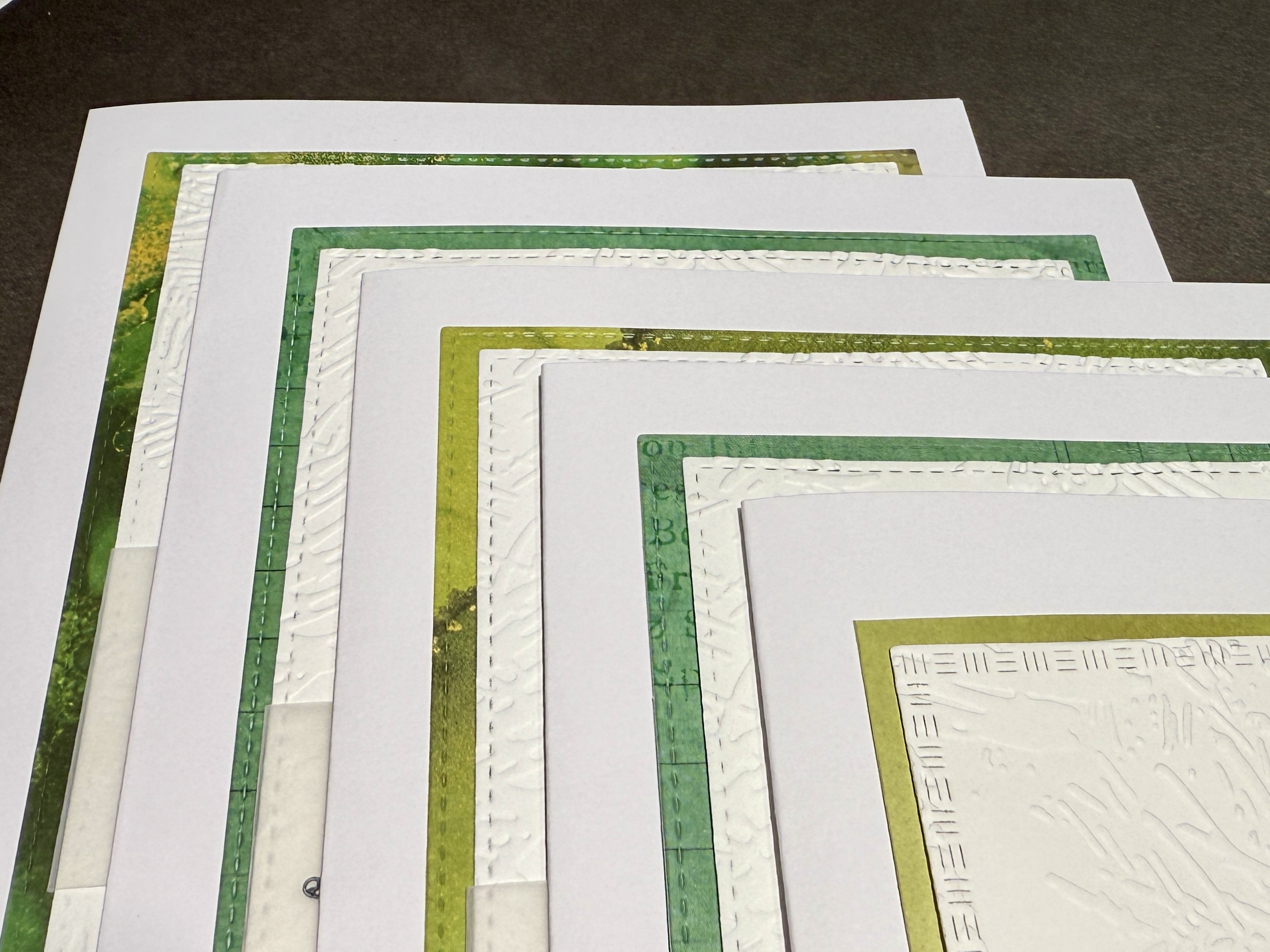
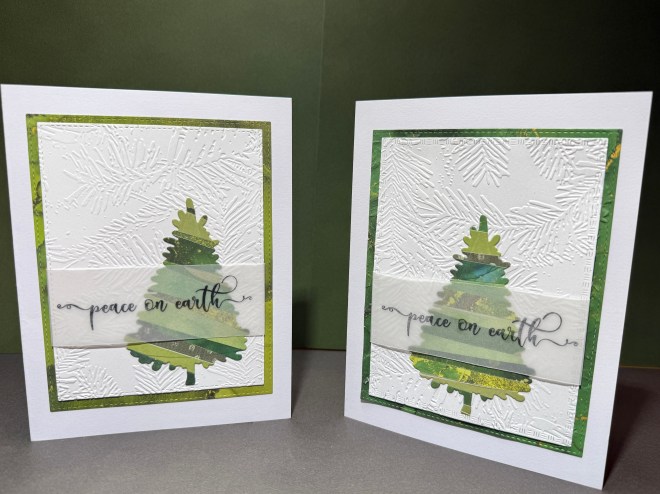
For the cards themselves, I embossed white paper using an In the Pines embossing folder, then matted it with another green paper scrap.
I placed the trees in the center of the card in some cases and to the right of the center on others. I couldn’t decide what I liked better, so I did both.
Full disclosure: the vellum stamped with “Peace on Earth” isn’t technically a scrap, just part of an open package, but I like the effect, and I know we all appreciate the sentiment.
If you would like to share your own crafty creations, please get in touch with Kate.
Please have a look at other ScrapHappy posts at the following links:
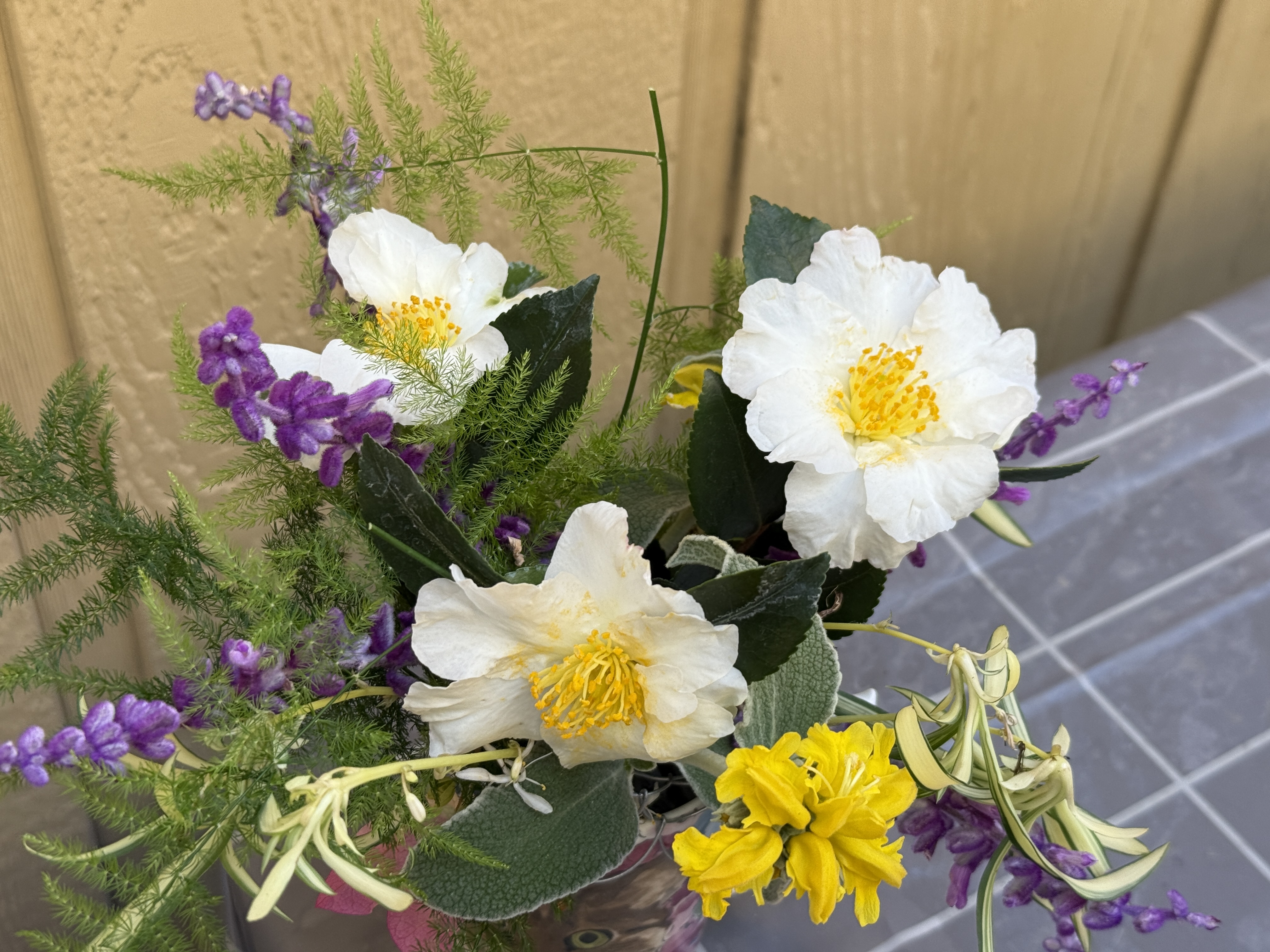
A dozen years ago, Cathy at Rambling in the Garden started a meme called “In A Vase On Monday”, or IAVOM. She wanted to challenge herself to regularly cut and arrange flowers and greens from her garden. She also challenged fellow garden bloggers, launching a wonderful garden blog meme. It’s a simple concept: cut flowers from your garden, arrange them in a jar or vase, and share them virtually with others. Gardeners post from the UK, Germany, the US, and other parts of the world. Charming, eh?
I’ve enjoyed sharing a garden vase, off and on, over the years, but I lack the dedication of the Monday Vase die-hards. I applaud all of you.
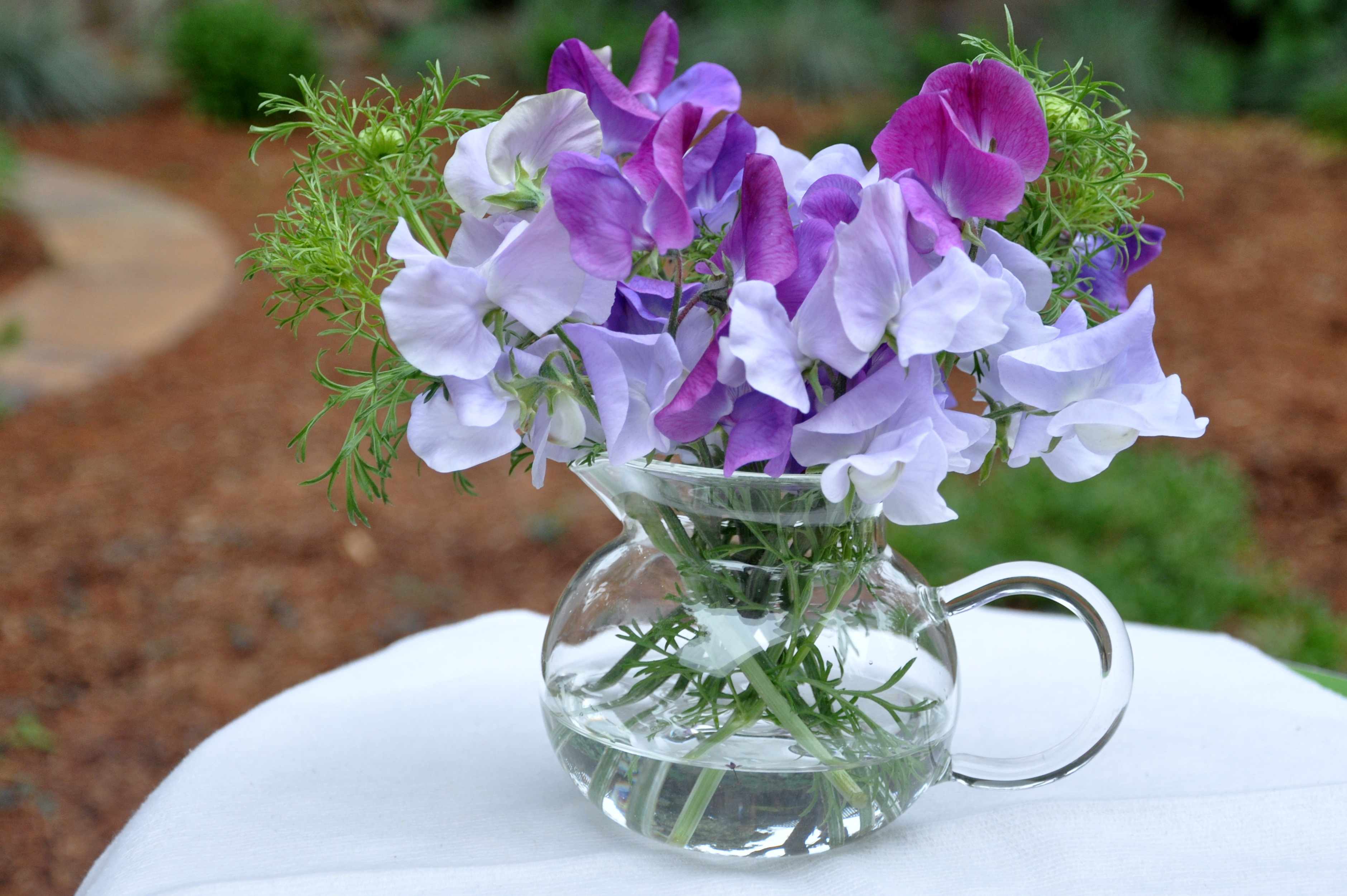
I’m sharing two vases today that highlight my joy of blogging. For me, it’s about the community formed through sharing photos and words, about finding your people in this sometimes fractious world. “In A Vase on Monday” does just that.
I’ve followed Cathy at Words and Herbs for close to 14 years. She posts a beautiful vase most Mondays.
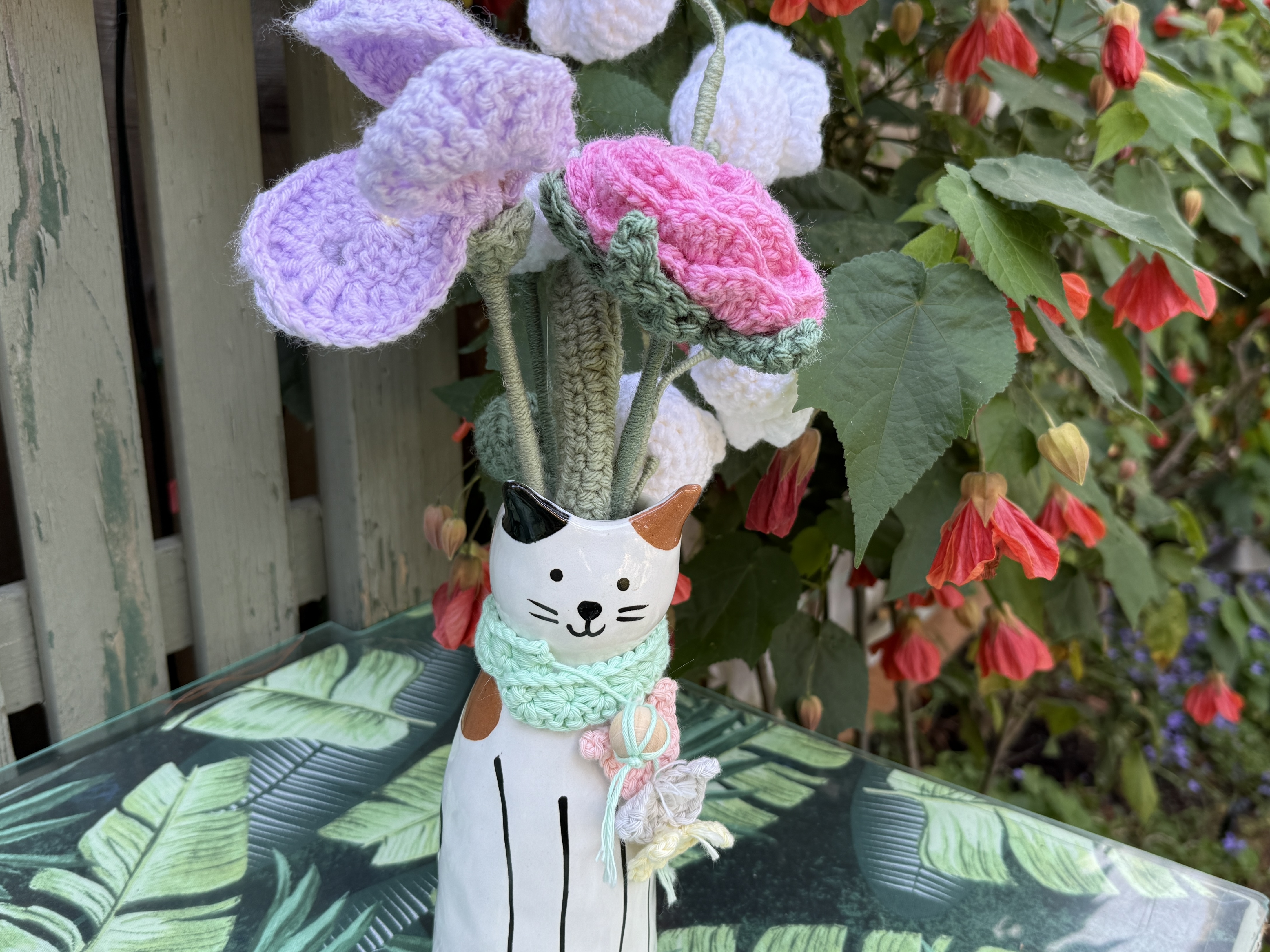
The vase below holds crocheted flowers, a Mother’s Day gift from my youngest son; however, kitty’s “scarf” is an intended bookmark, straight from Cathy’s crochet hook.
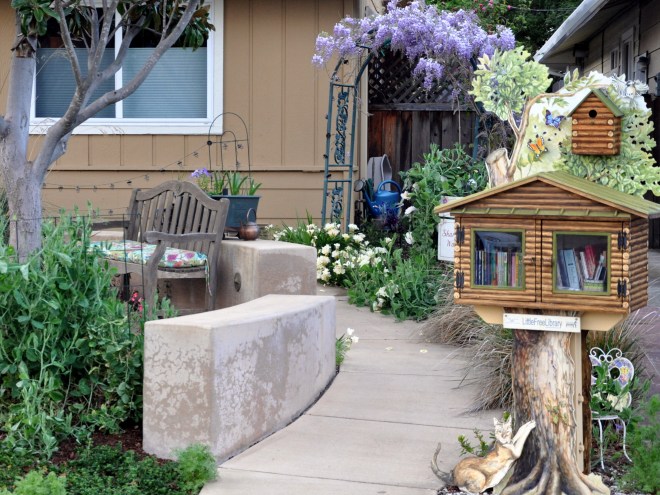
Cathy mailed several crocheted bookmarks for our Little Free Library all the way from Germany. Sweet, right? I placed some of her bookmarks in our tiny library; one became a gift topper for a friend,
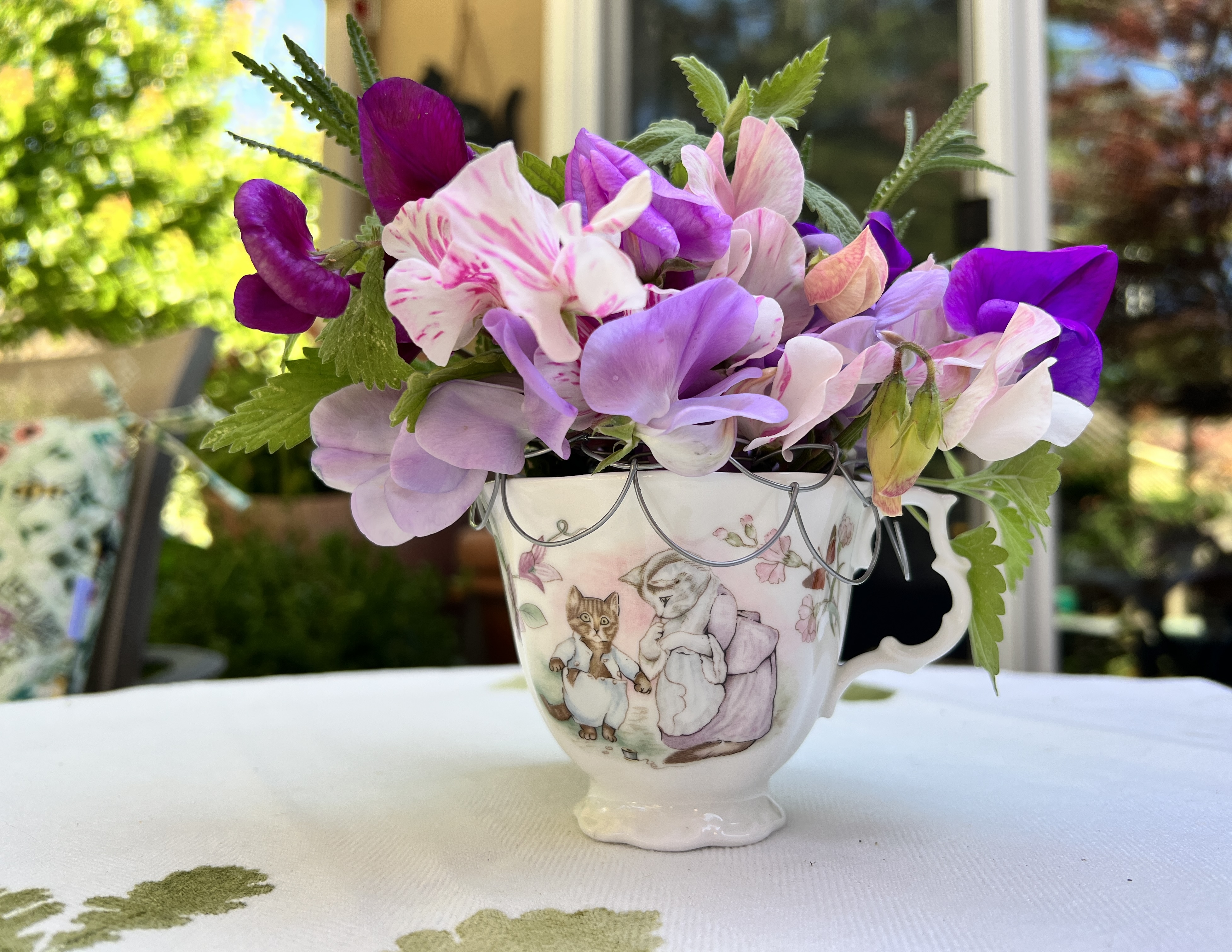
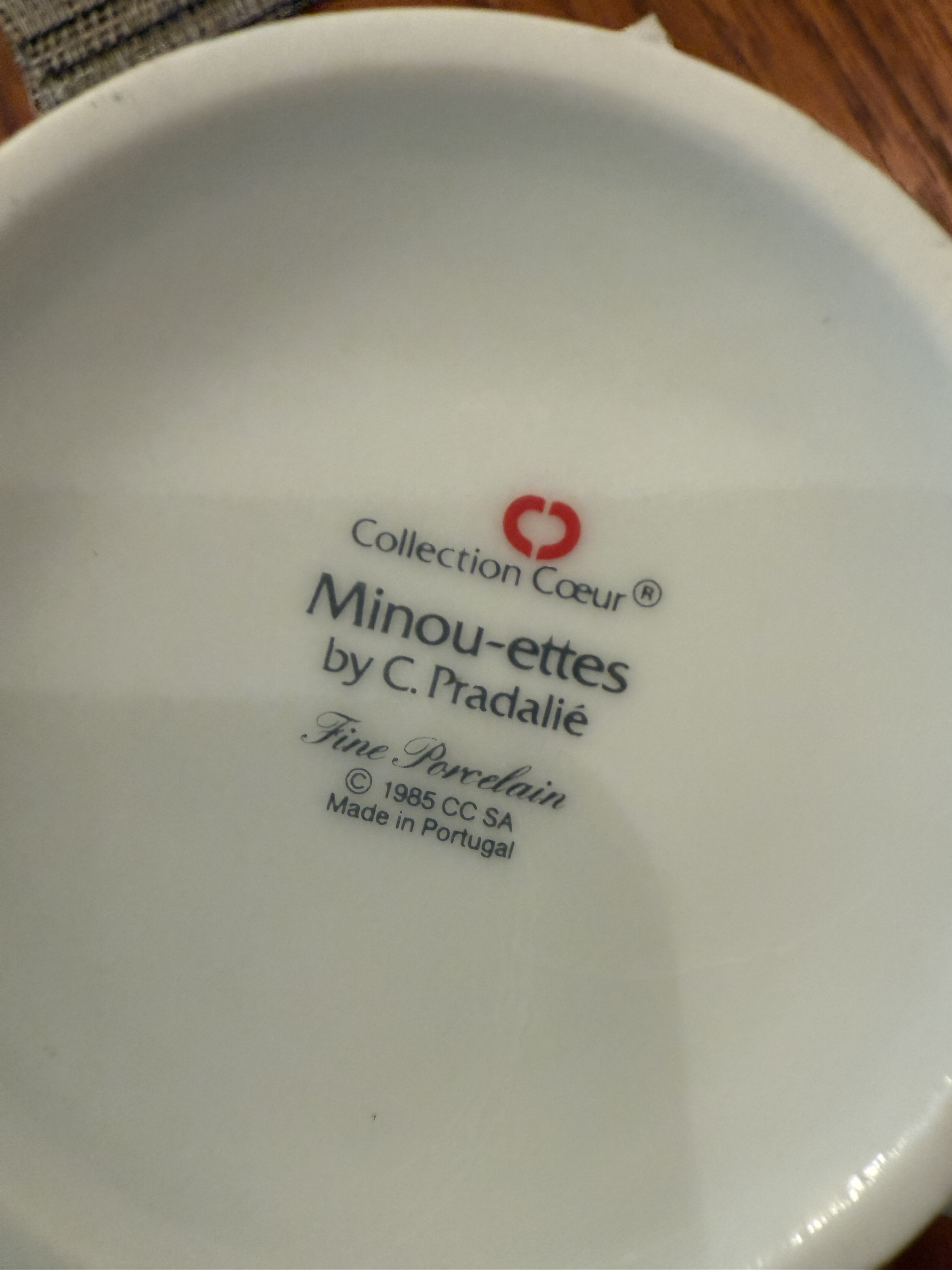
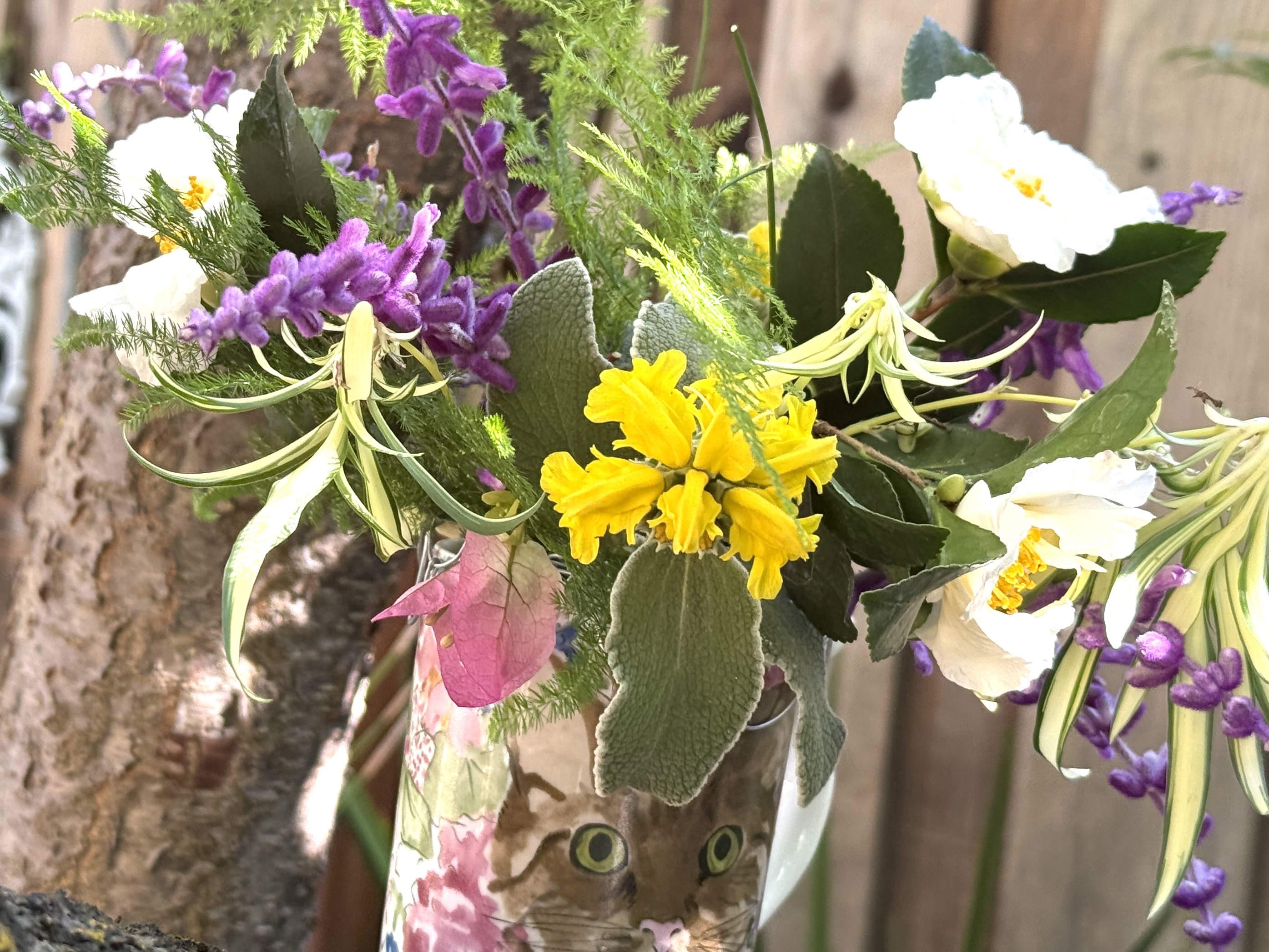
This second vase is a treasured teacup, a gift from my university friend, Carrielin. I’ve had it for forty years. In mid-October on Eliza Waters’ IAVOM post, I spotted the same cat design. I checked with Eliza to confirm, and sure enough, it’s from the same collection of porcelain art, Couer Minou-ettes, by Portuguese designer C. Pradalie. The pieces aren’t rare, but even so, it delighted me to spot the same design, with flowers, from a fellow garden blogger. Eliza shares from her beautiful garden most Mondays.
If you would like to see what these gardeners and others have shared in a vase today, please follow this link to Cathy’s blog, then check the comments for additional vase posts.
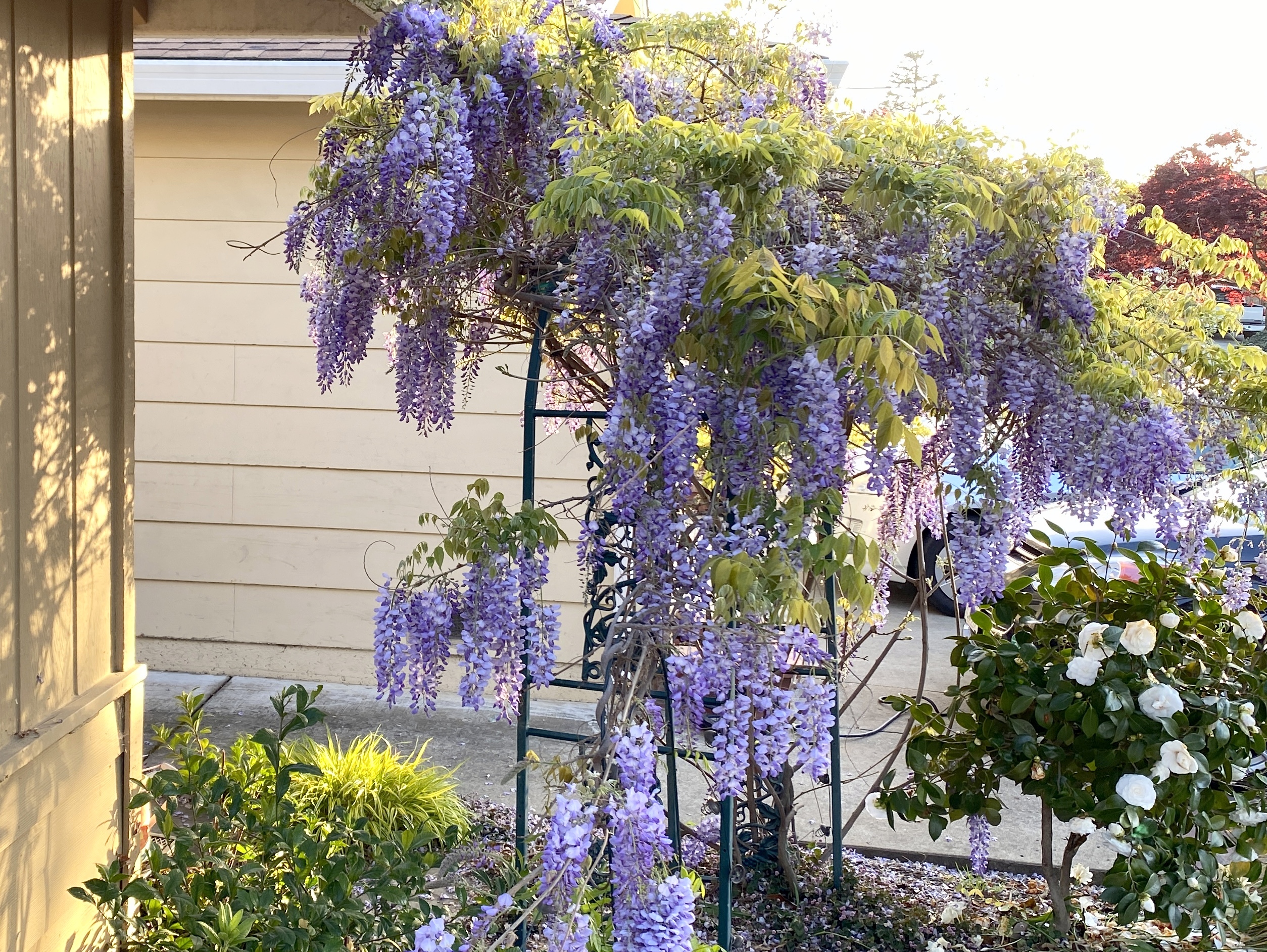
Wisteria symbolizes longevity and grace. For years I longed to have one in our garden. Aren’t they stunning? They need space to grow, though, and space is always at a premium in the garden, because nature abhors a vacuum, and this gardener feels compelled to plant any available earth.
Then opportunity knocked.
When our young Magnolia became infested with scale, I tried to save the tree by manually scraping the scale into a bucket —an arduous, odiferous task. The scale quickly returned, along with ants. I pruned away the center, looked at organic options, and eventually contacted an arborist, but it was all for naught.
It’s tough losing any tree, but here was my chance to grow a Wisteria vine. We repurposed an arch from the back garden, placed it at an angle in the front garden, and planted the vine. The first year of growth was underwhelming, as it often is, but in the years that followed, the vine took off. It flowered vigorously in early Spring, then sent out a second set of blooms later in the year.
At some point, though, the tree went from vigorous to invasive. I couldn’t keep the tendrils off our roof, our neighbor’s roof, a nearby tree, and so on. Clearly, I should have done my research, as I recently read that it is “known for its vigorous and potentially destructive growth.” Now they tell me.
I get attached to plants and trees, and this was no exception, but I’m pragmatic as well. Risking life and limb, damage to the house and the tree nearby meant it had to go.
It was labor-intensive. I started with small garden shears, graduating in size to the base of the tree’s substantial girth. I tried digging out the roots, then Mike had a go, until it became apparent the roots would need to be removed by a tree stump removal service.
Space after removing Wisteria
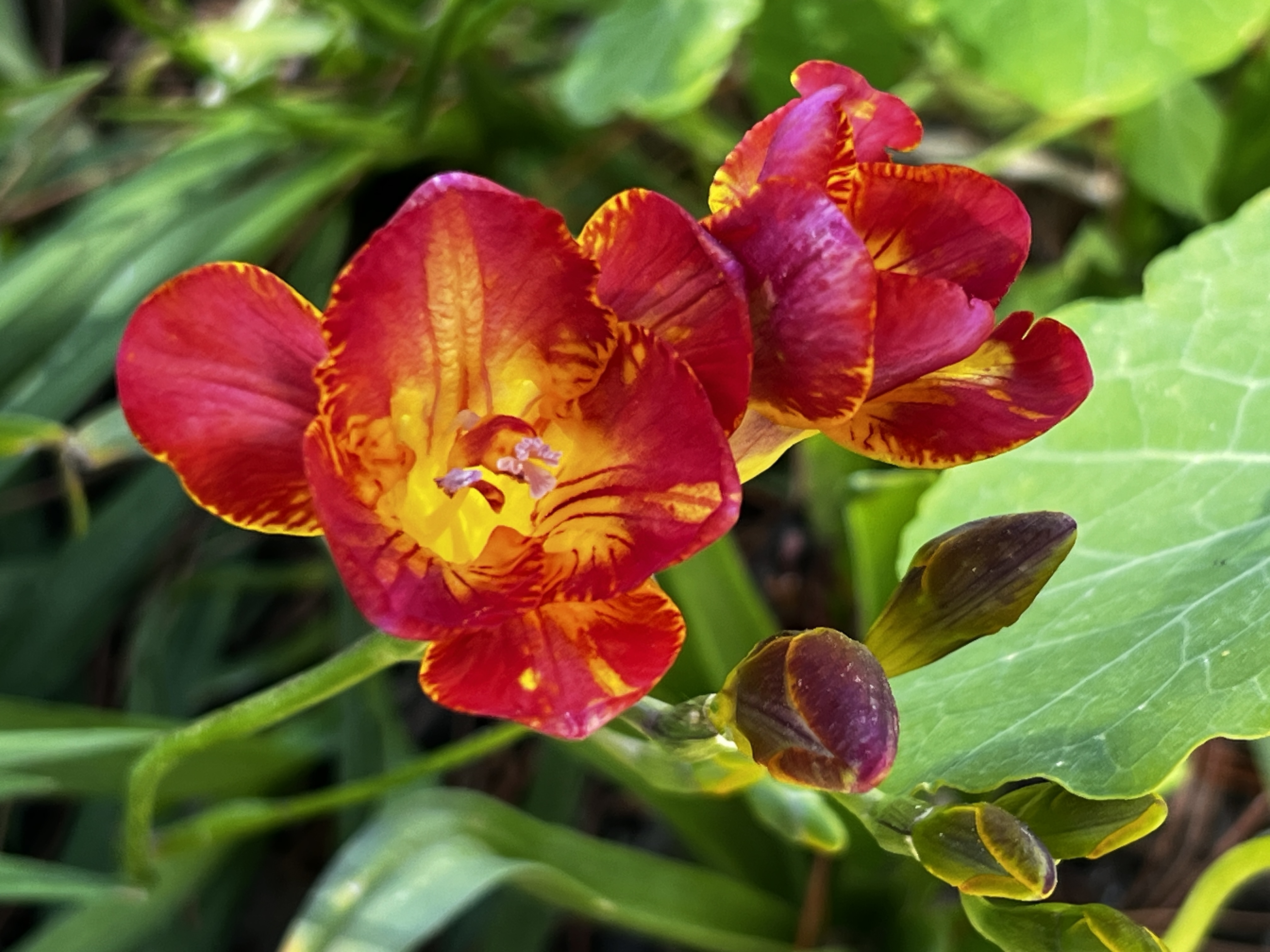
The space looked empty for a time, but I’ve since planted several succulents that had outgrown their pots. They took to the spot immediately, and by next Spring, they will be well established. They’re also water-wise plants that don’t require much fuss. The freesias came up quickly around the stone walkway, but it will be several months before they flower.
It’s Halloween. One of my favorite times of the year. Our neighborhood draws a crowd (500 children at our door last year), a slow-and-steady parade of little ones starting around 5:30. This little guy gets a different kind of treat.
Mike spent the day carving three magnificent pumpkins. It takes him hours, but he enjoys the creative process.
We attended a Halloween party on Saturday, renting costumes from Natasha’s Attic. I didn’t have the time or energy to create one this year, and that’s ok.
The Las Vegas party theme lends itself to many things. We dressed as 1920s mobsters, light on the mob part.
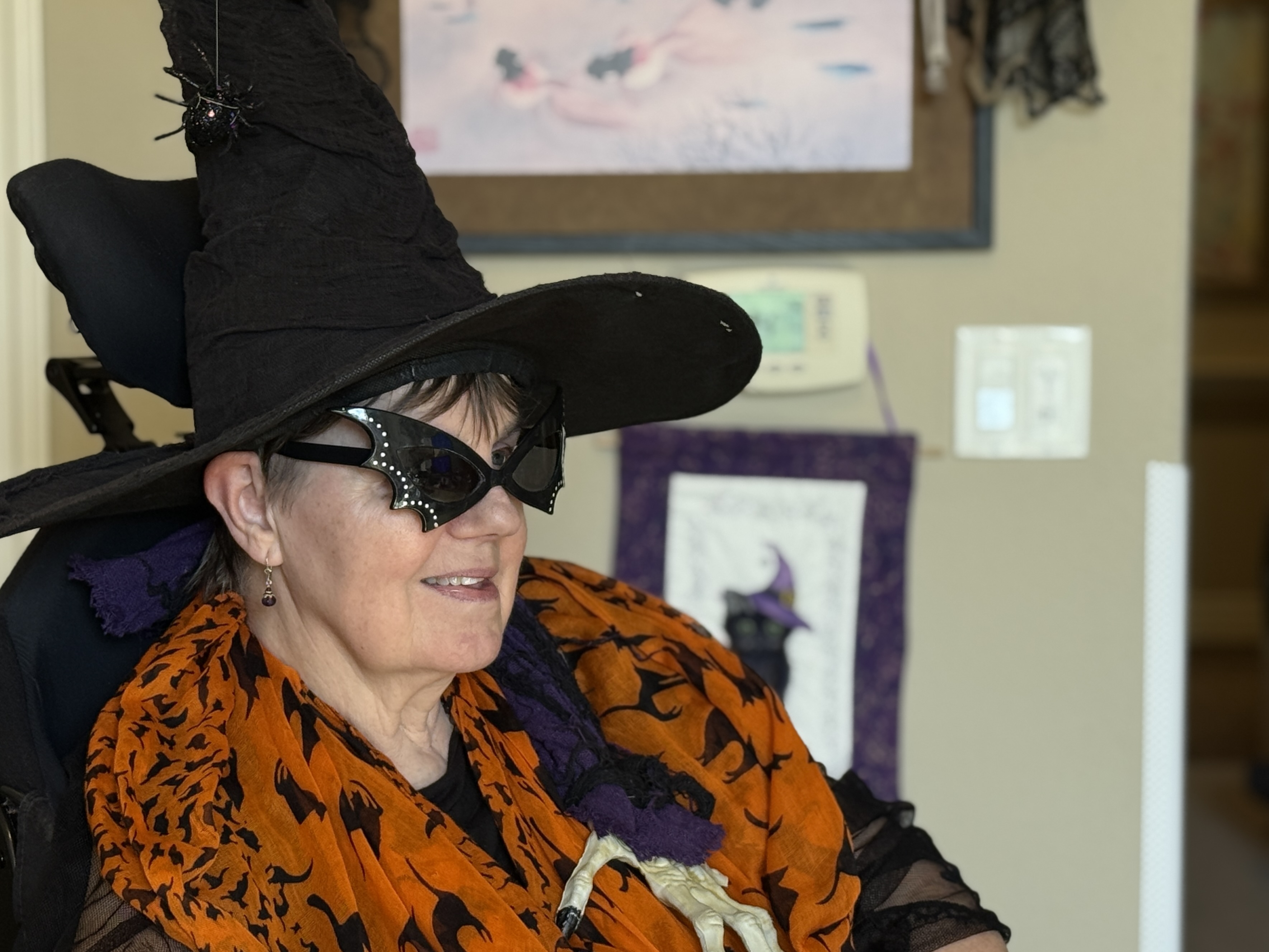
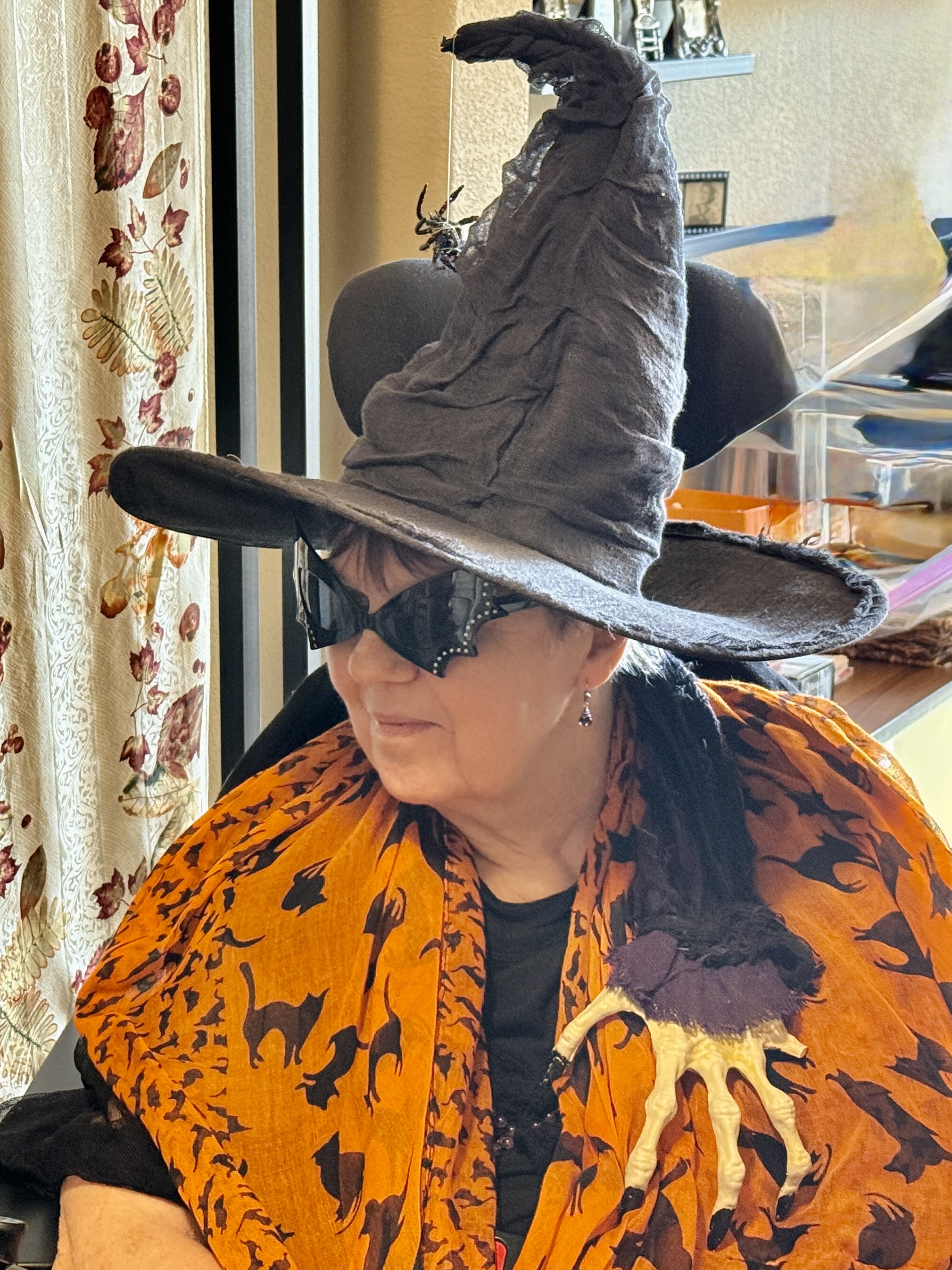
I stopped by my sister’s today and took pics of her wearing a witch’s hat, a gifted orange scarf, and a hand prop on her shoulder. We’re peas in a pod.
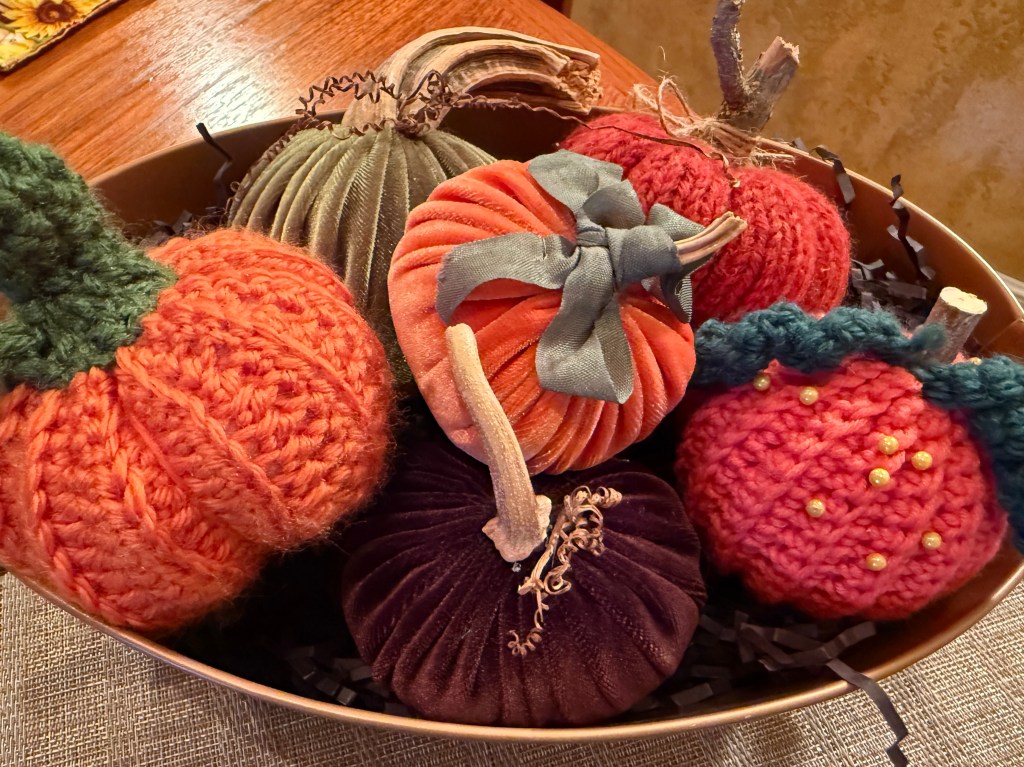
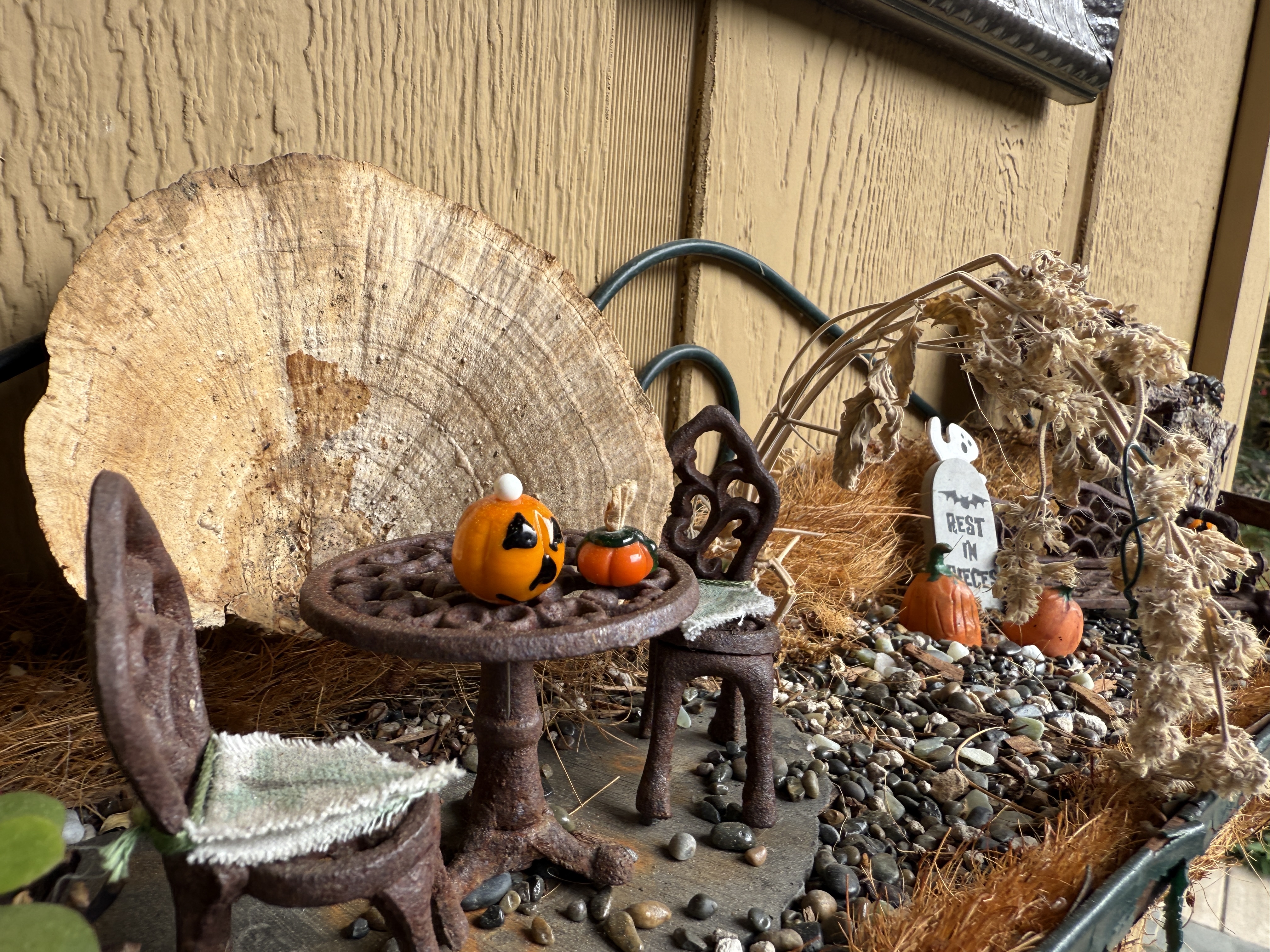
I bring out my collection of hand-crafted pumpkins each year. They have an international flavor, one sent as a gift from Cathy in Germany, another made by Randi, who hails from Norway, and the third, a gift from my friend Stephanie. I bought the velvet ones at a craft fair many years ago.
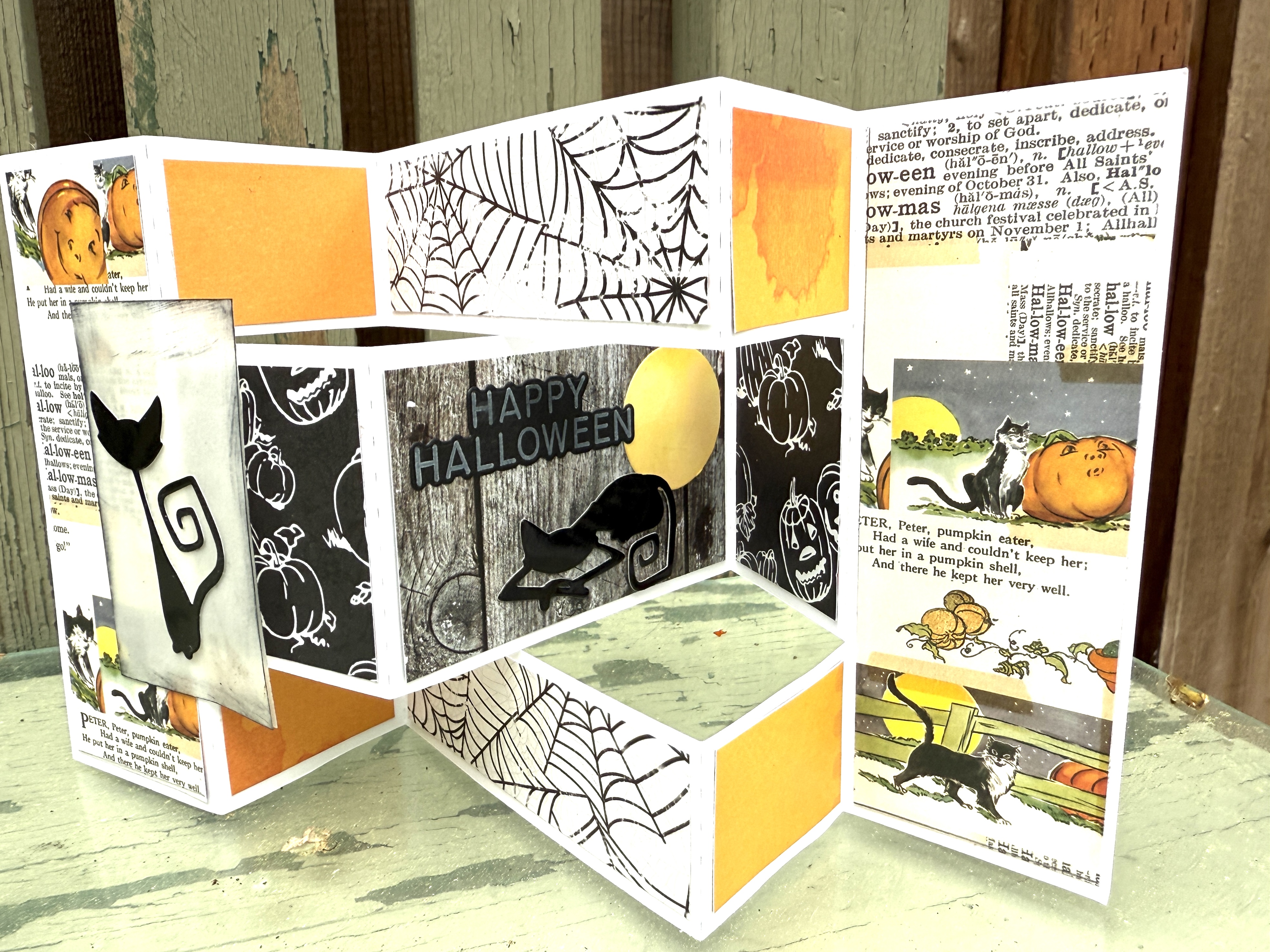
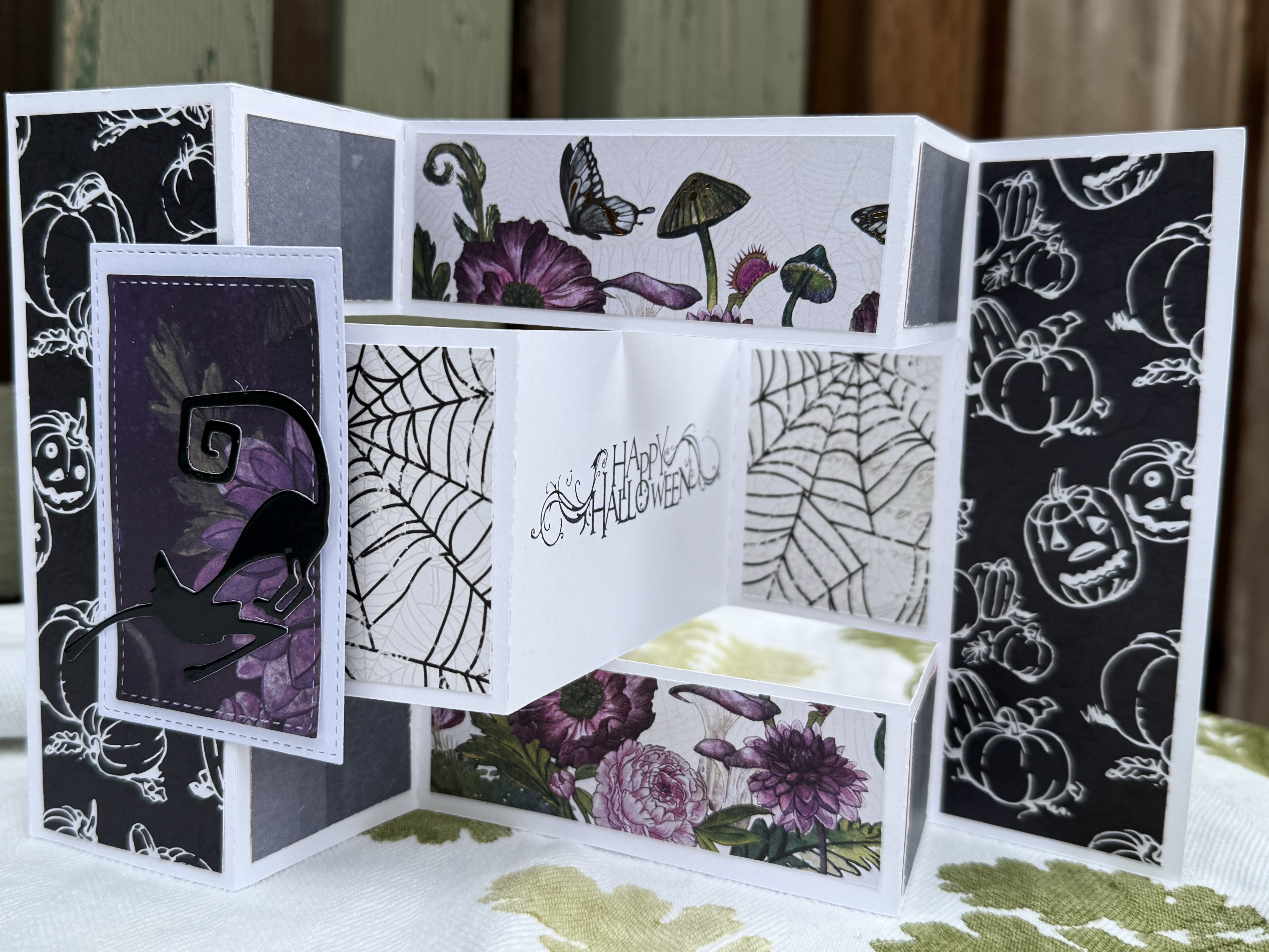
It’s the creative fun of Halloween that I like the best. Making costumes over the years has always been a joy. It’s fun decorating, too. Making cards for Halloween is a more recent endeavor, and we once grew pumpkins till a nasty infestation of squash bugs put an end to that after two or three years.
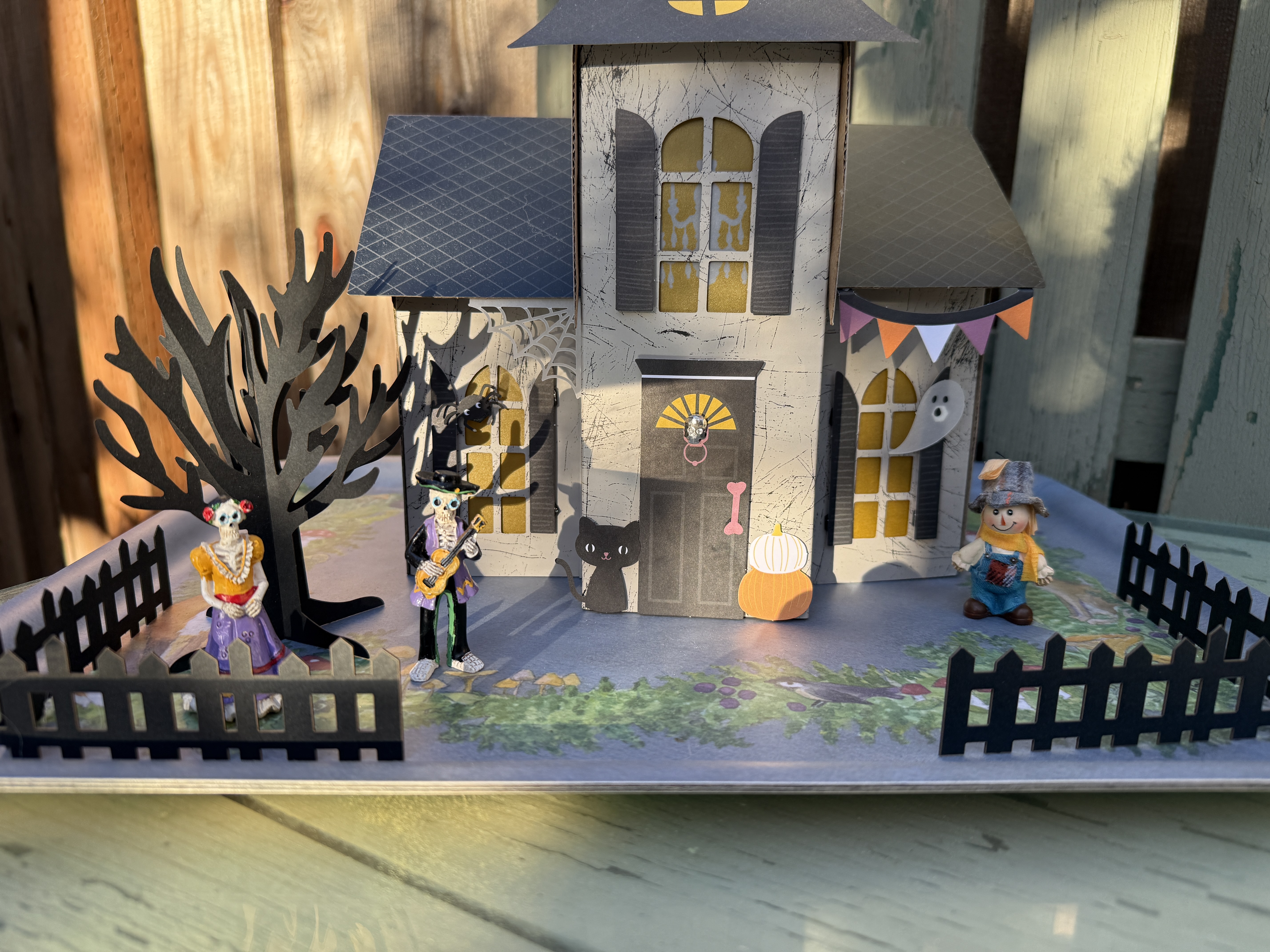
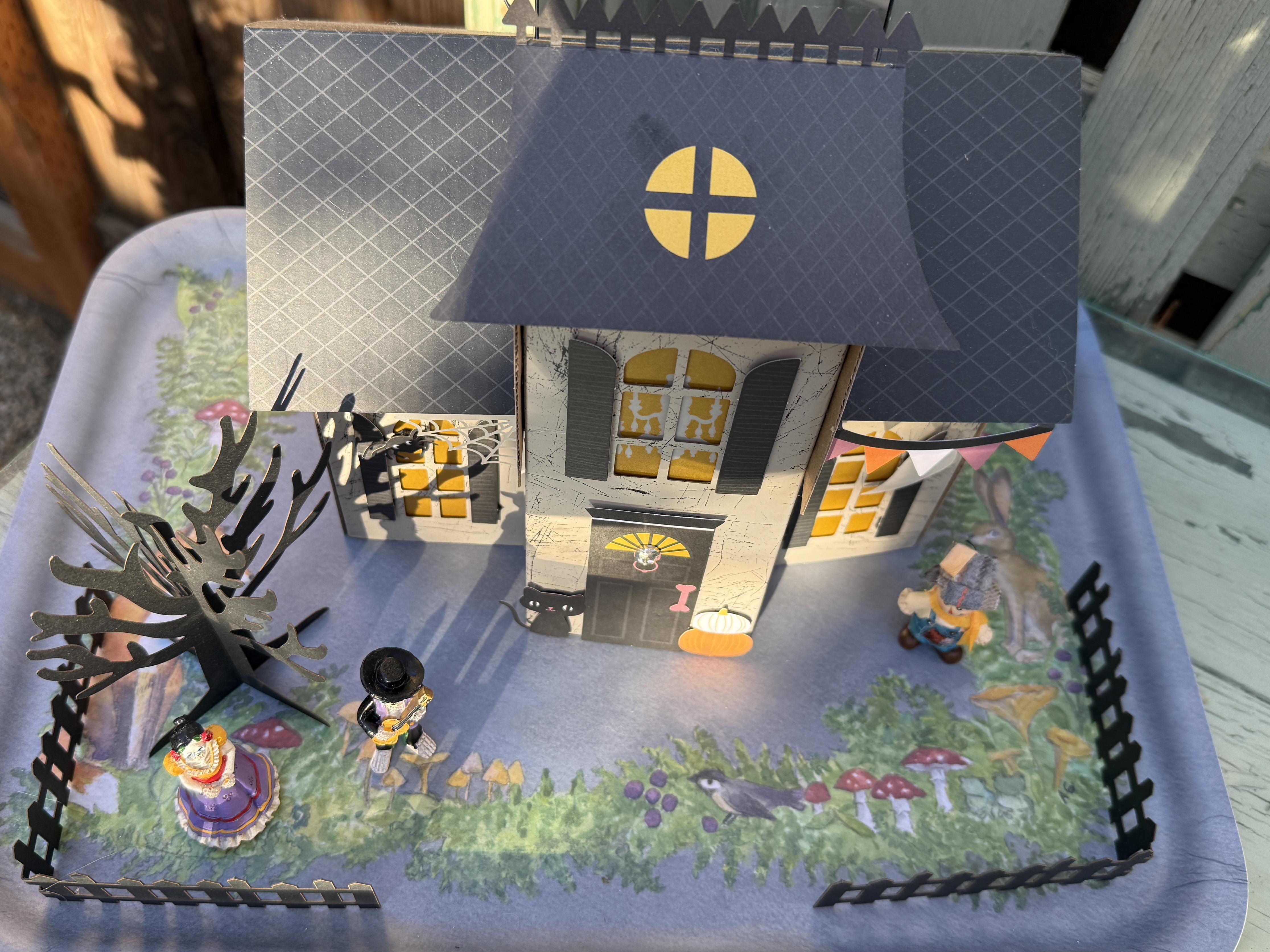
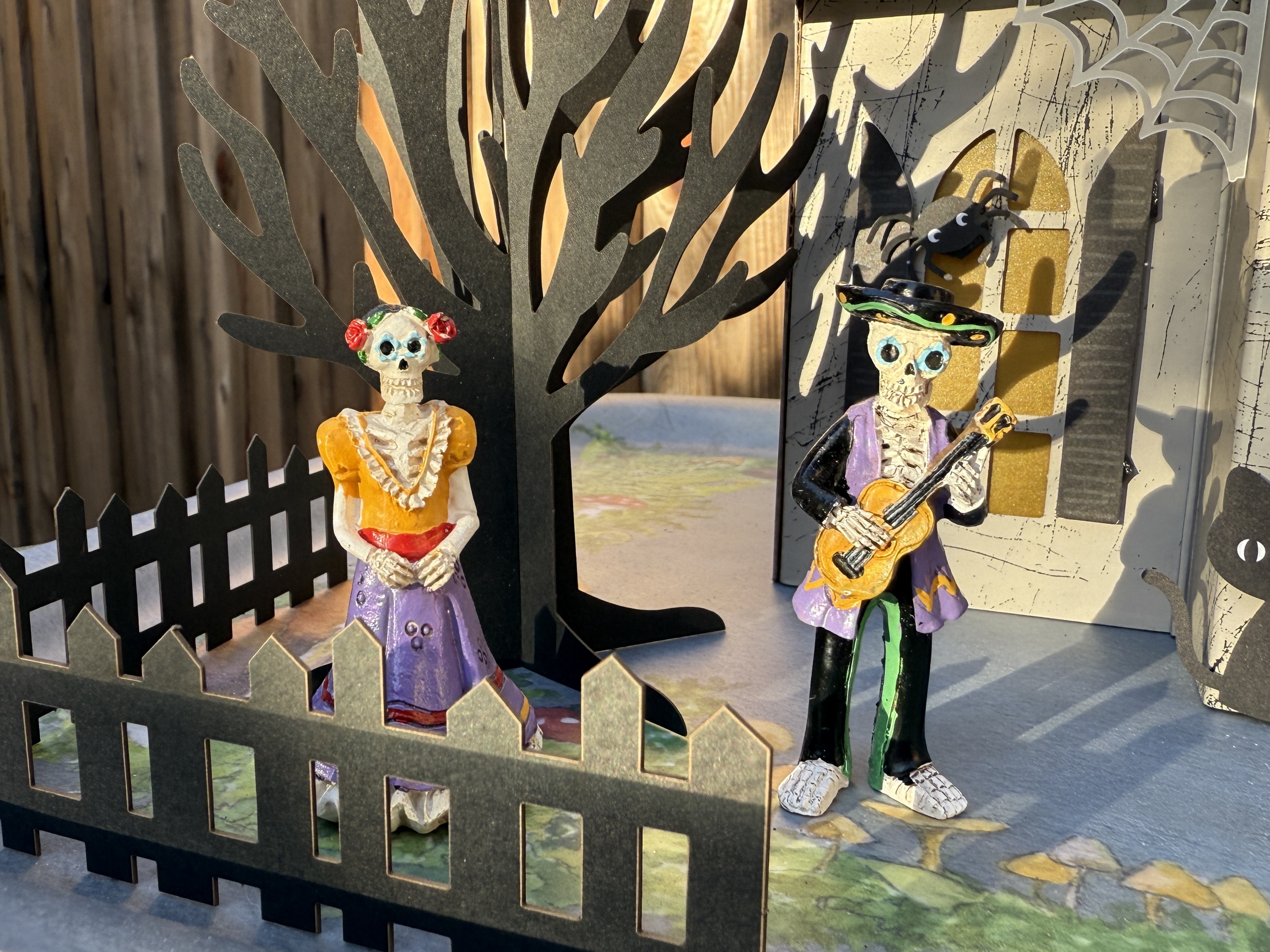
A friend sold these cardboard haunted house kits earlier this year. It was a lot of fun putting it together, and a bit of kismet when I realized I had the perfect tray for it. The three figurines were a birthday gift this year. Can you believe how well they fit in?
I turned 66 earlier this month. On Monday, I’m having my left hip replaced, nine months after replacing the right one. I’m feeling my age. That said, my love of Halloween keeps me young at heart. If you celebrate, I hope that’s true for you, too.
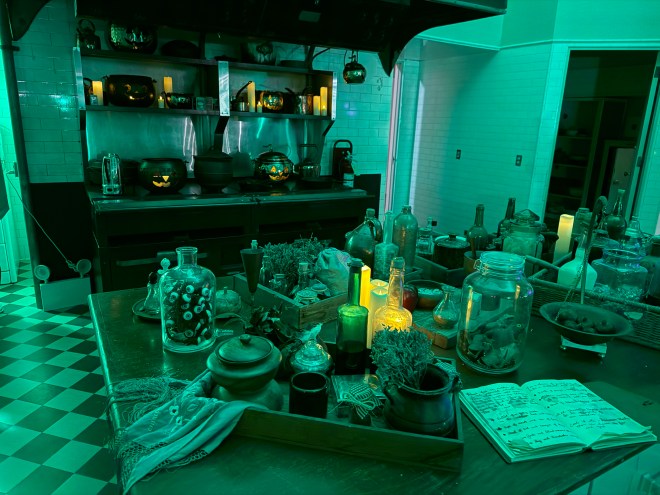
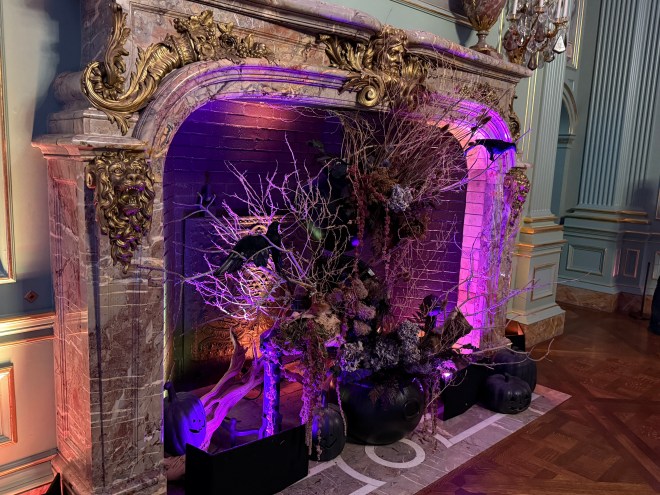
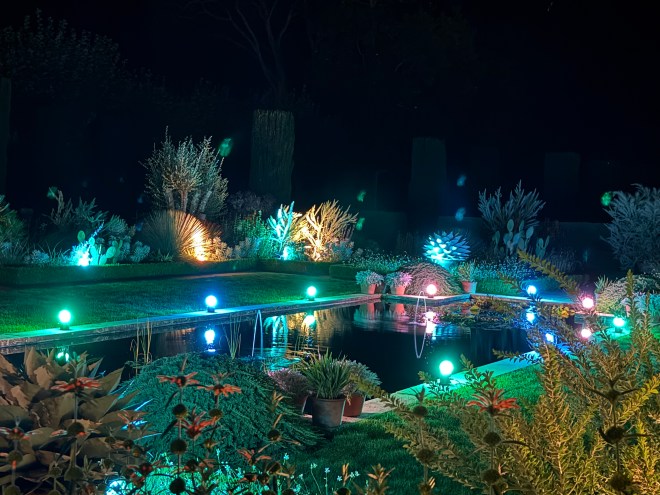
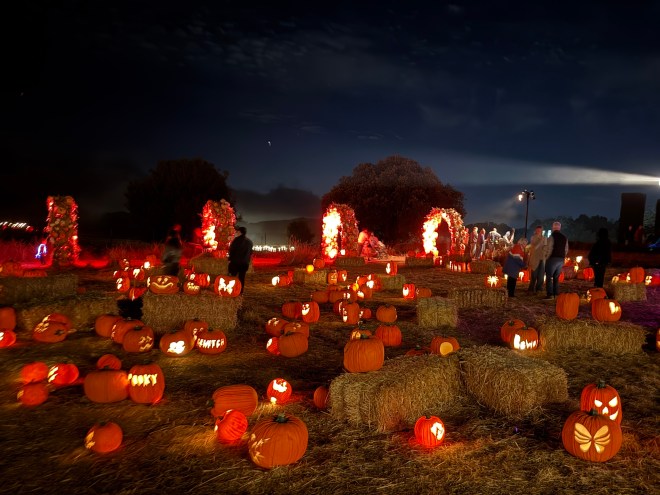
Events at Filoli sell out quickly, so I was thrilled to get tickets for five of us to attend the second-annual Filoli Fright Night. We knew it would be fun, as all their events are, but it was full of surprises that exceeded our expectations.
The evening included a first-floor tour of the house, done up to the nines with Halloween-themed rooms.
The library featured flying book pages and an owl made from paper feathers, along with the usual, beautiful decor.
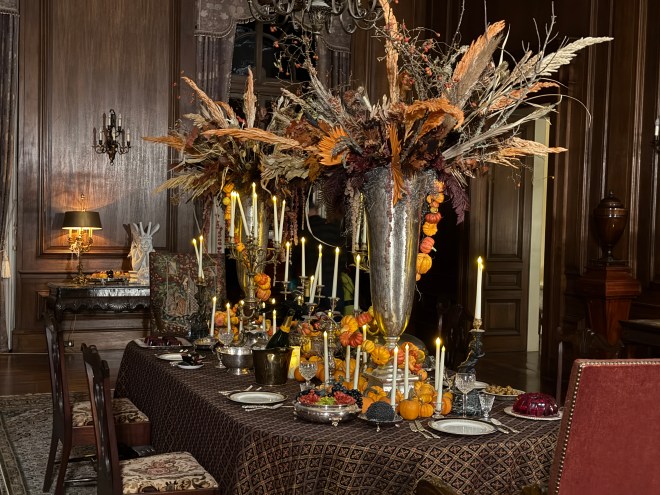
The dining room, set for fictional guests, was more warm and cozy than spooky, with gorgeous table settings and an over-the-top dried floral arrangement at the table’s center.
As you entered the kitchen, a counter displayed three cakes: a black-iced tower with a replica of a beating heart, a wedding-style white cake that would make your hair stand on end, and a third confection, lost to memory, but equally impressive.
I shared space with a skeleton in the foliage drying room, then wandered over to the great hall.
The lights in each room set the mood in shades of purple or green. The house is extraordinary, even when it’s not Halloween.
We finished the house tour, then exited toward the gardens, strolling by the reflecting pool and then onto the grounds.
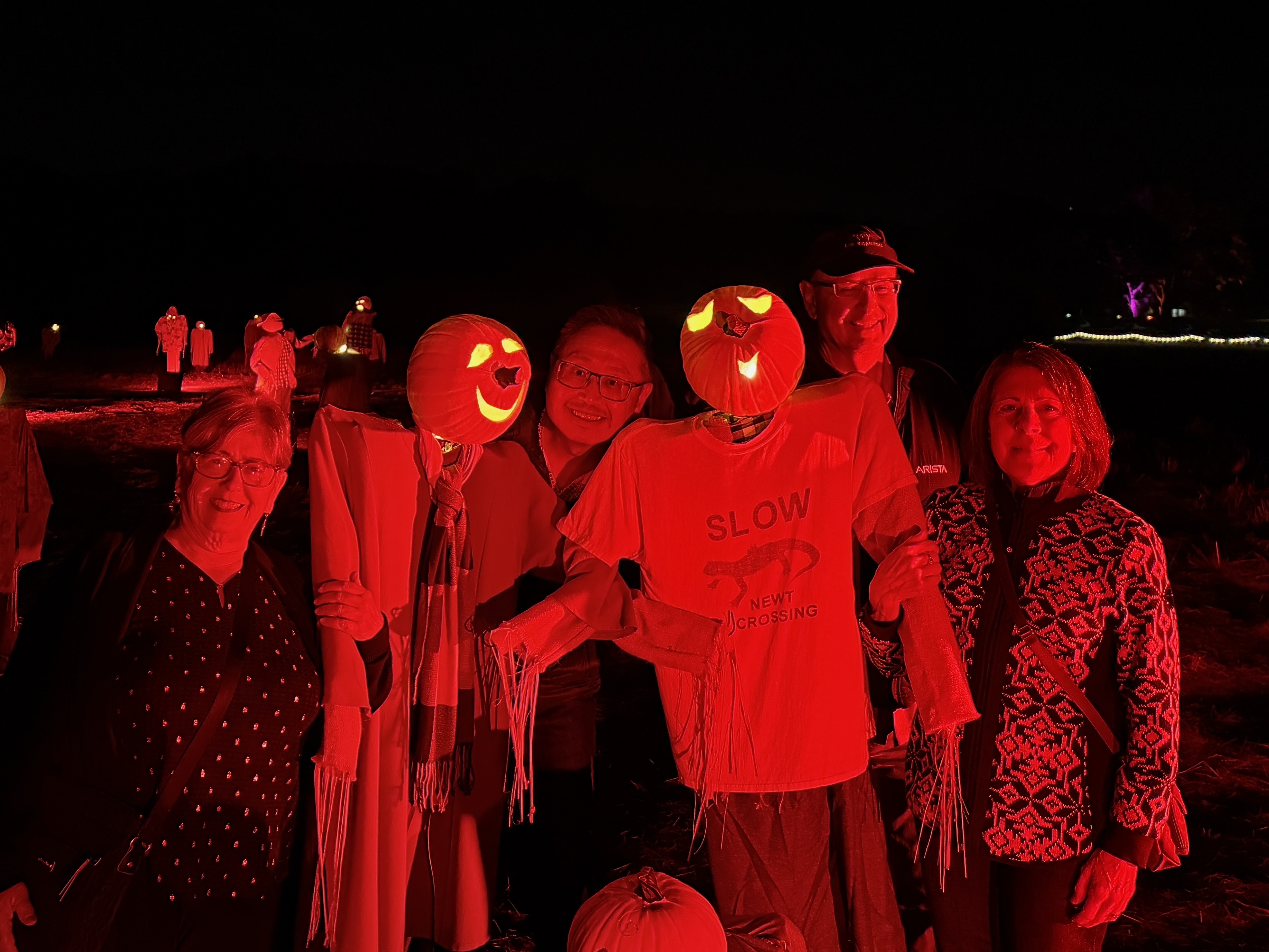
A bluegrass band played in the center of the crowd, with several guests sitting around small fires. Fields of carved pumpkins lead us to the gate, and we set off to look for the wooden trolls.
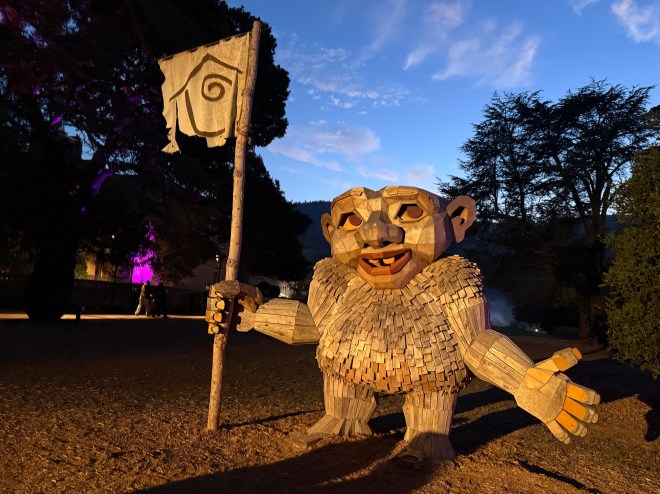
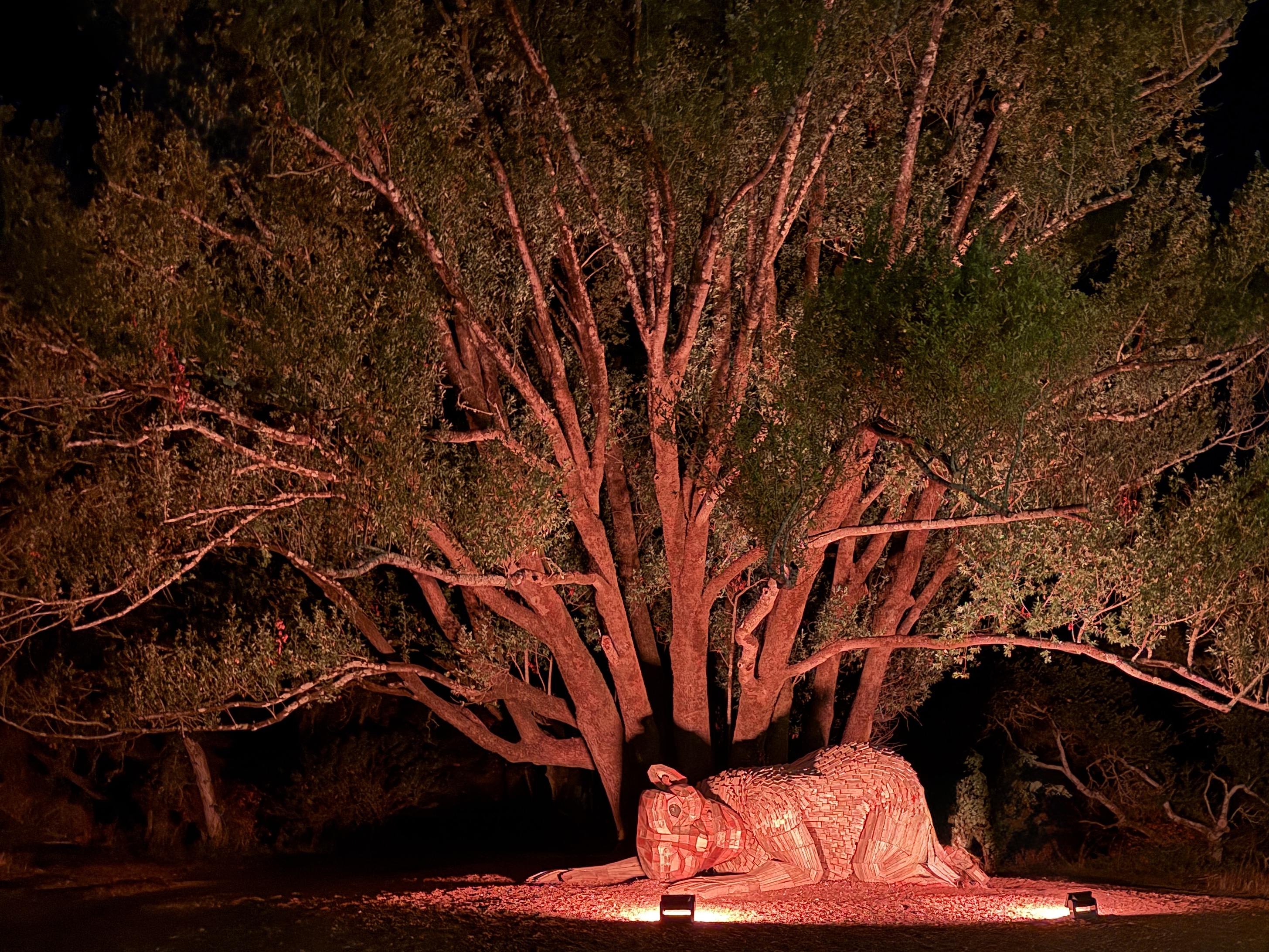
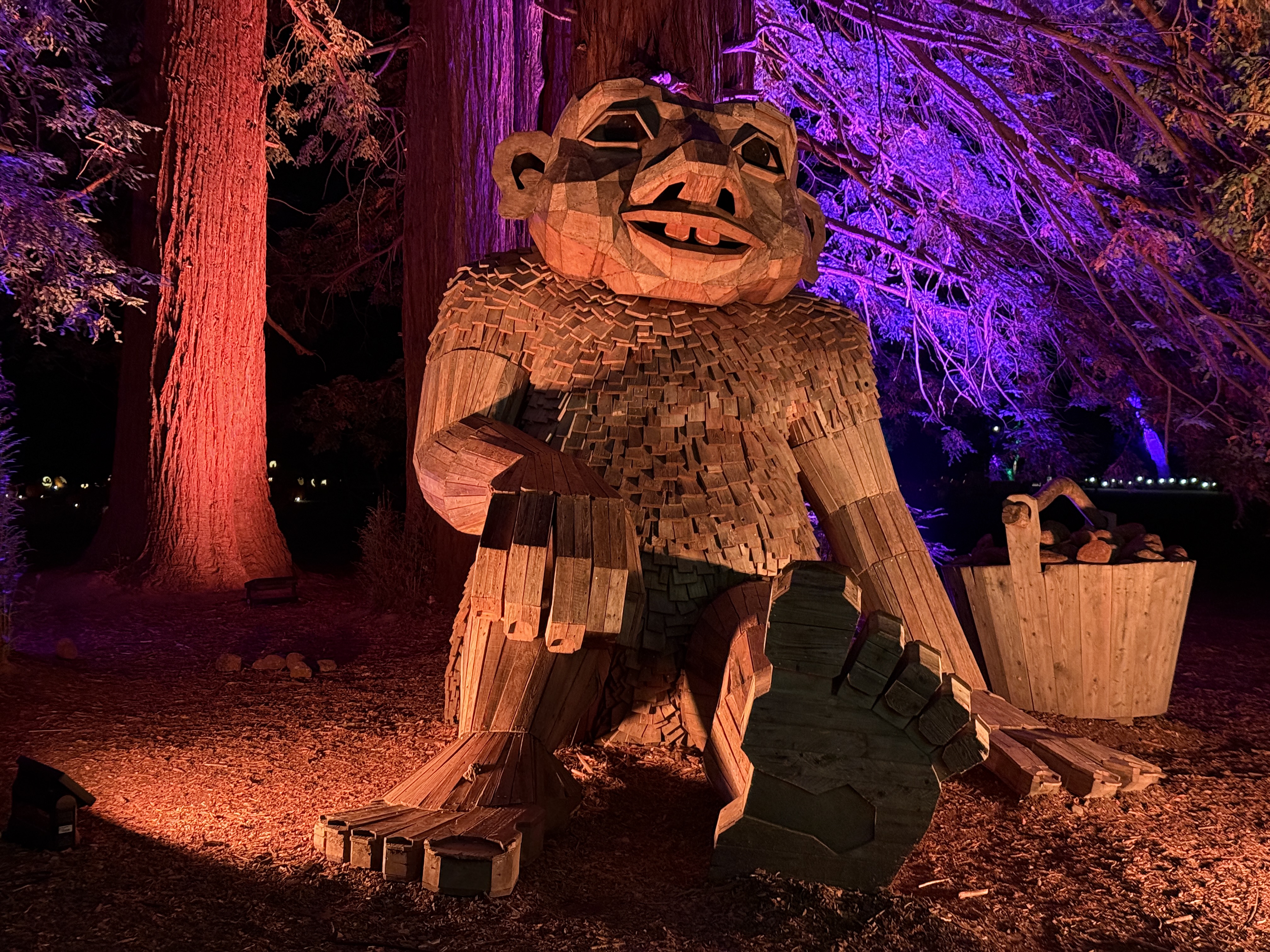
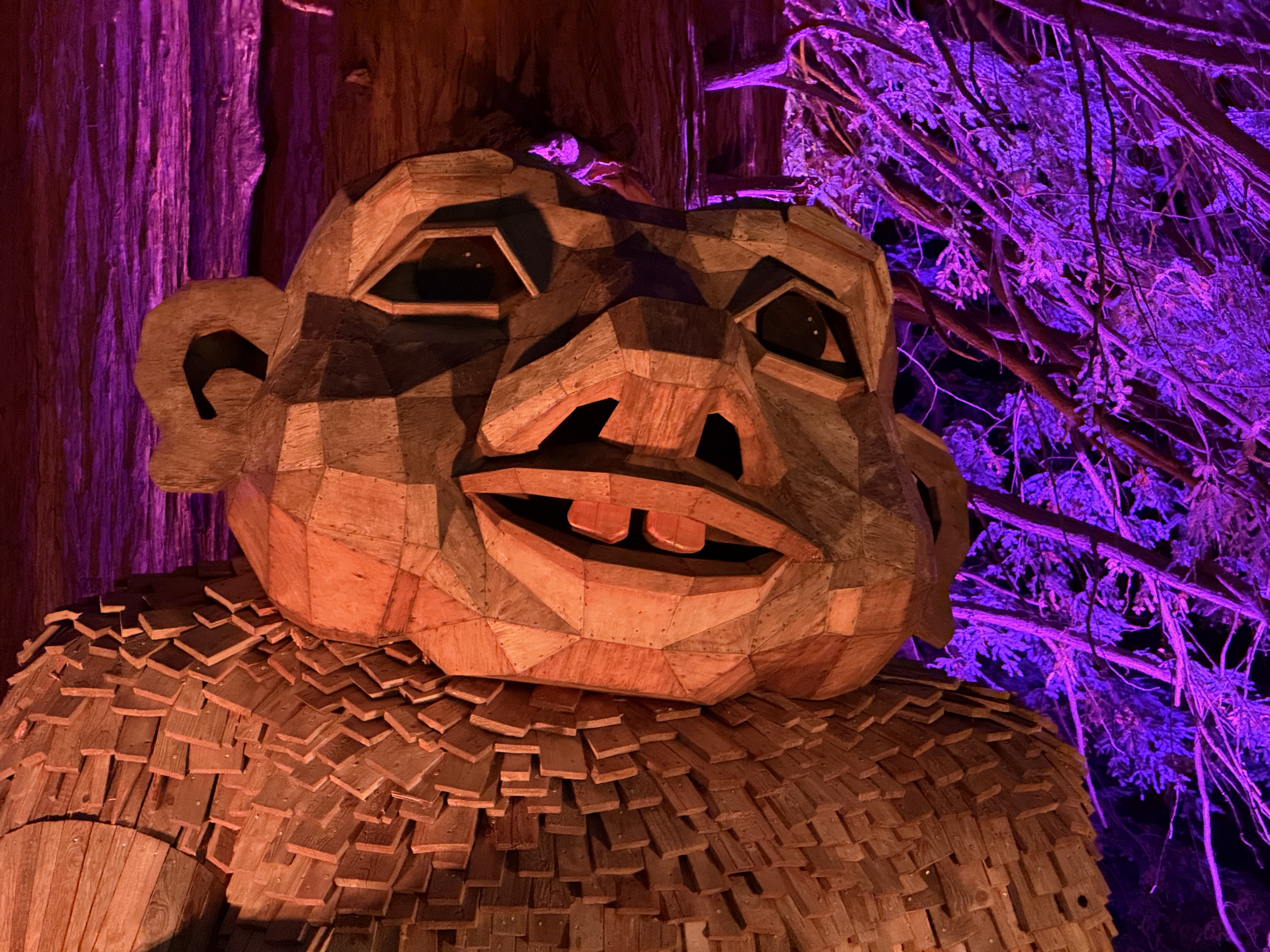
We managed to find five of the six trolls, not because they’re small, but because it was dark with curving trails, eerie sound effects, and darkness. No sane person would step off the lighted trail.
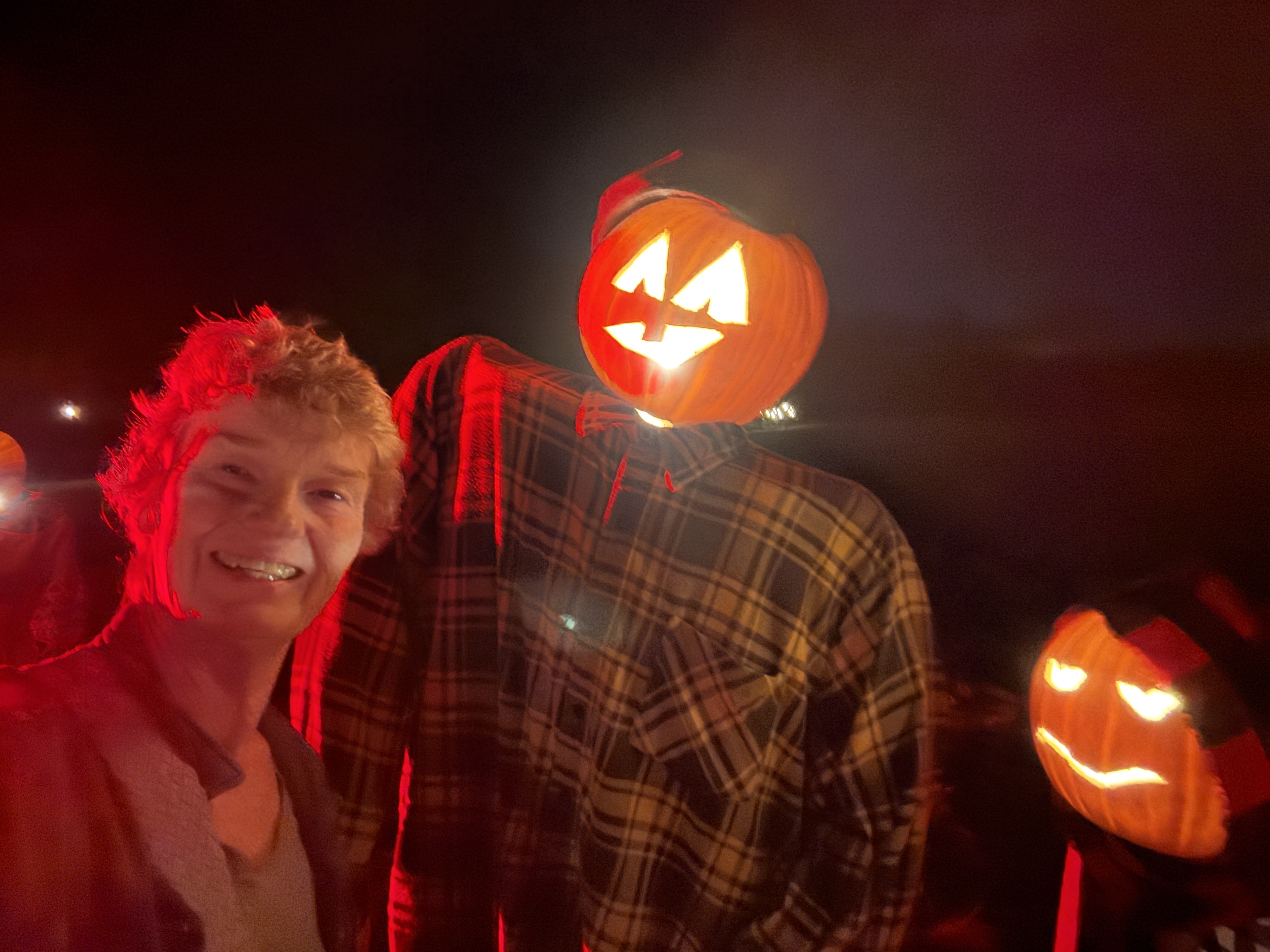
While searching for the trolls created by Danish artist Thomas Dambo, we came across a “crowd” of pumpkin-headed scarecrows. At first, and from a distance, we thought they were parking attendants in the far-off lot. Boy, were we wrong.
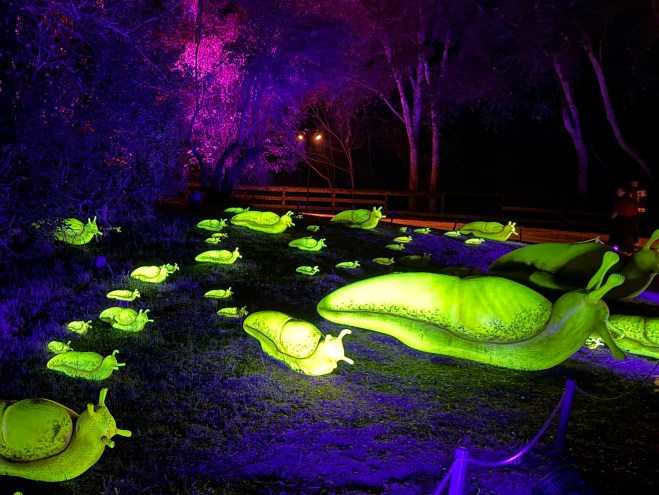
After an hour or so, we stopped along the trail for hot cocoa and hot cider. We spotted another troll, then proceeded along the trail to discover a glow-in-the-dark, banana slug art installation, yet another surprise of the night.
We posed for and took lots of pics before eventually heading back toward the house. I can’t wait to see what they create next year.
The Trolls:
The artist behind the Filoli trolls is Thomas Dambo, a Danish artist known for creating giant troll sculptures from recycled materials. The current exhibition at Filoli, “Trolls: Save the Humans,” features six larger-than-life trolls. Source: Filoli
Here’s a bit about Filoli:
Filoli is a 654-acre historic estate in Woodside, California, featuring a large Georgian-style mansion, 16 acres of formal gardens, and hundreds of acres of natural lands. It was originally a private residence built by the Bourn family, who named it after their motto: Fight for a just cause, Love your fellow man, Live a good life. Today, it is a non-profit public attraction managed by the National Trust for Historic Preservation, offering tours, seasonal events, and educational programs. Source: Filoli
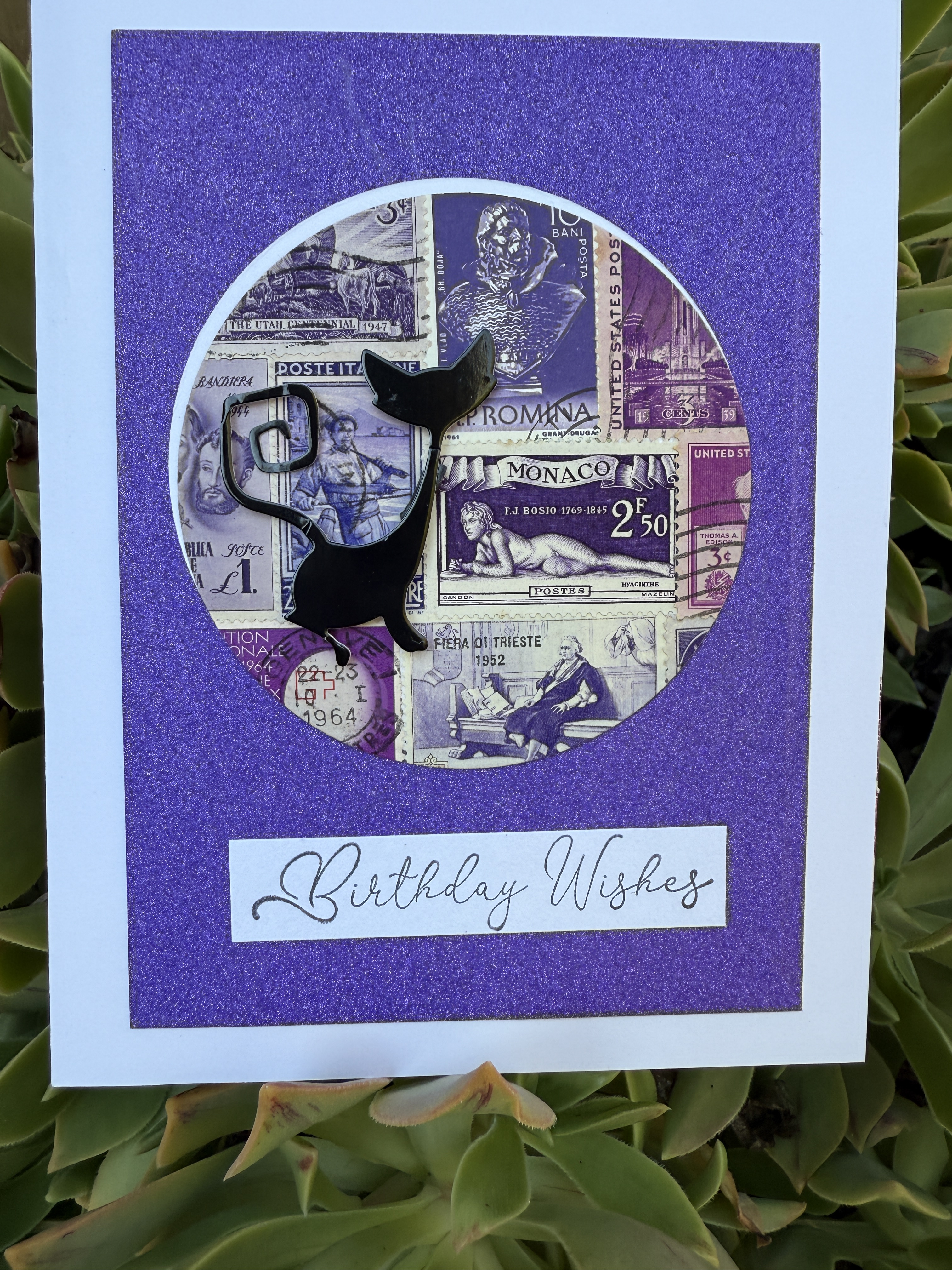
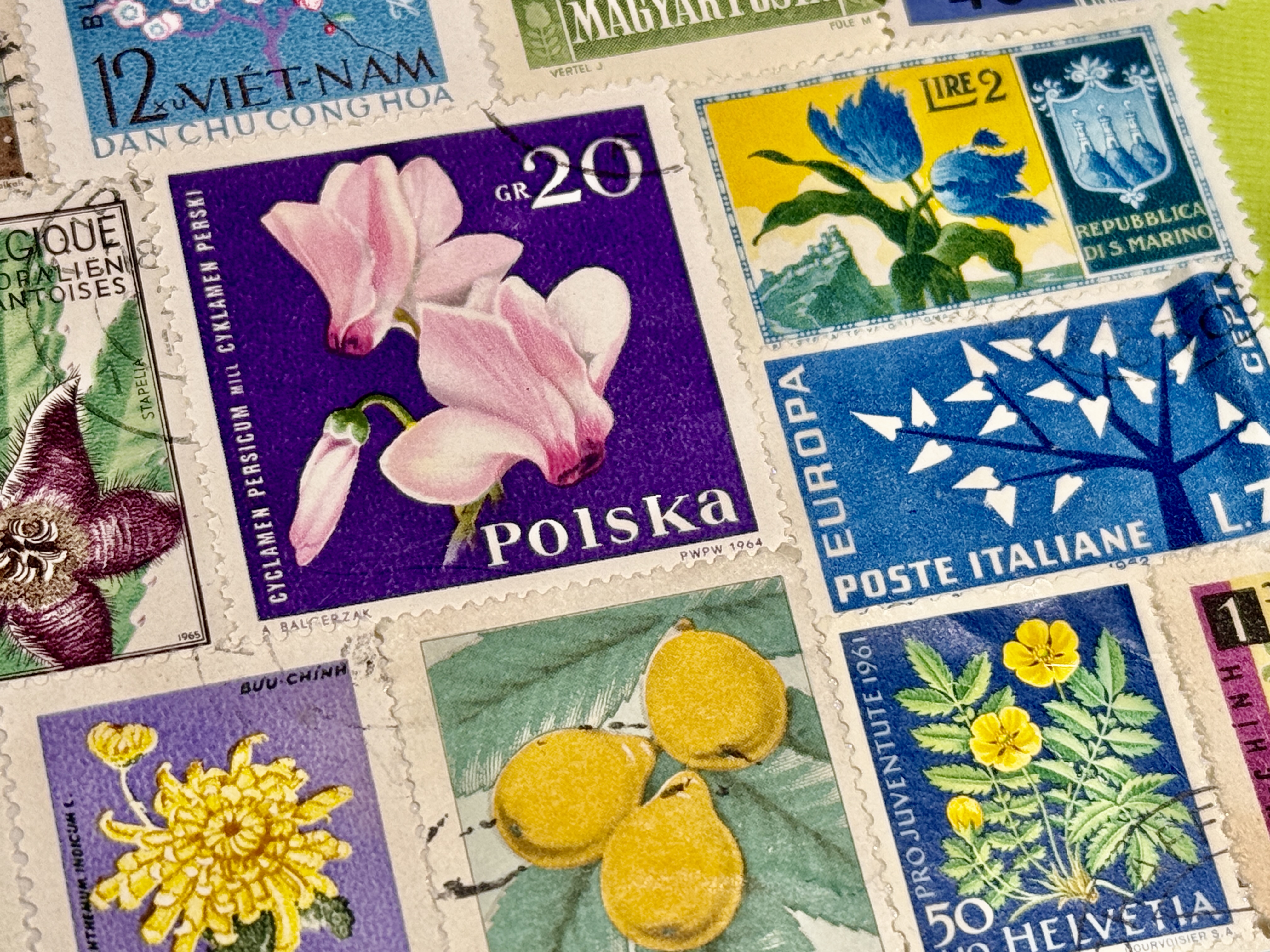
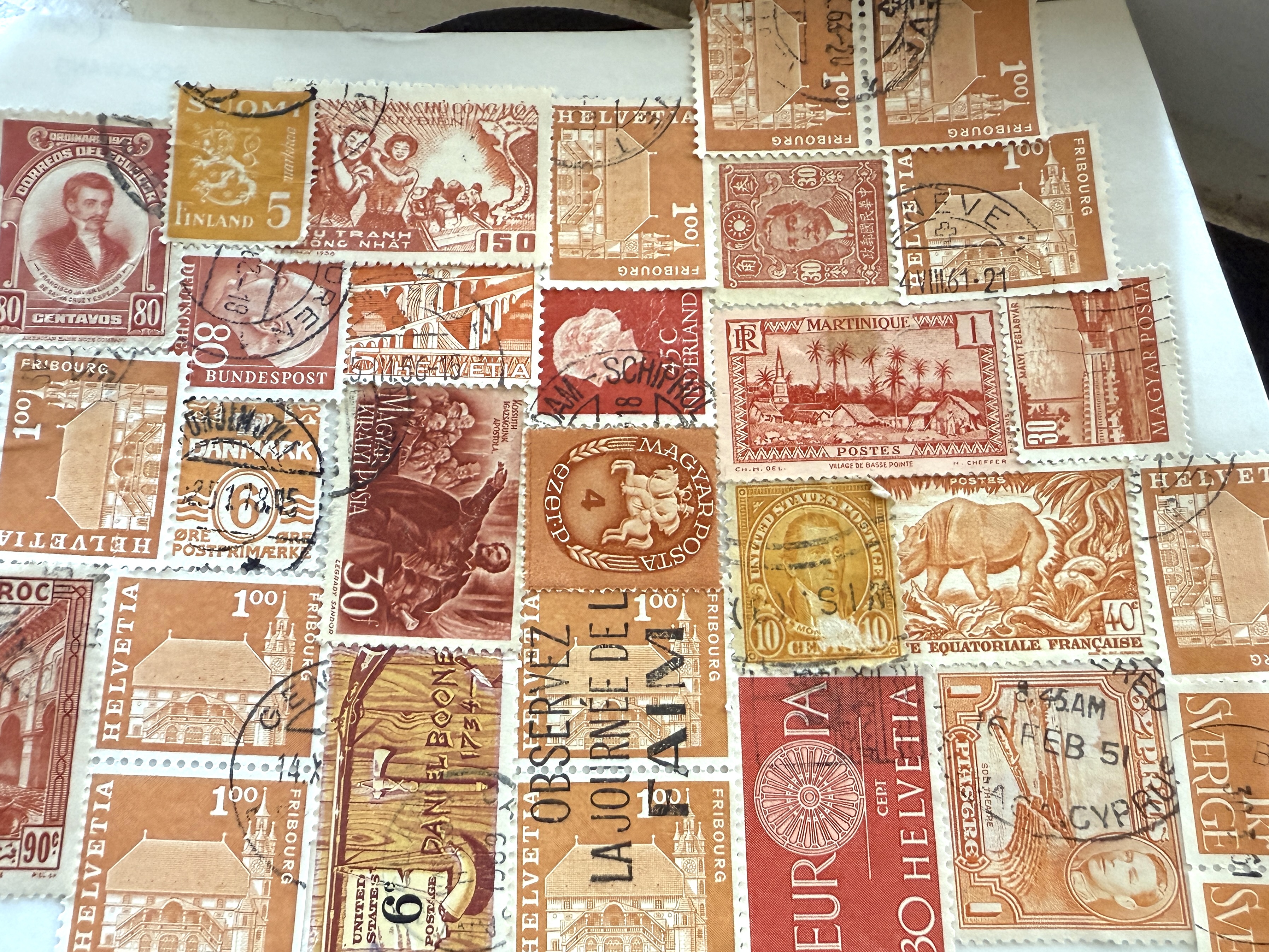
A friend passed on a fantastic collection of vintage postage stamps last year, and I’ve been slowly working my way through them. Some of the postage came loose in bags, while others remained attached to envelopes. I also received an album filled to the brim with postage from around the globe.
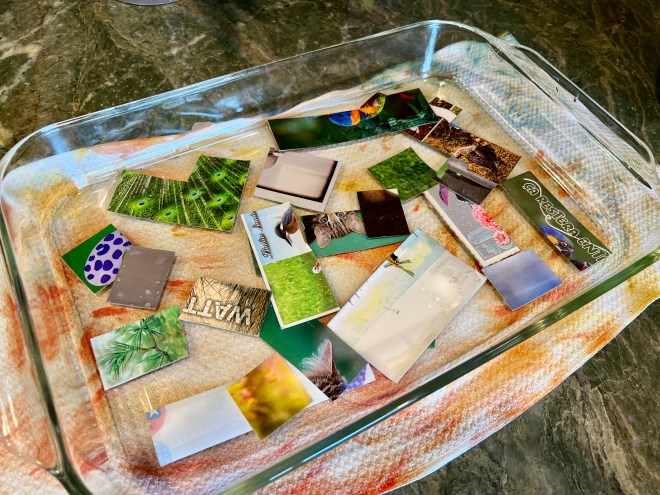
It’s time-consuming soaking the stamps in cool water and letting them dry to remove the paper and adhesive, so I’ve been soaking them in batches. Eventually, I made it through the entire collection. Now it’s all about the fun of making cards.
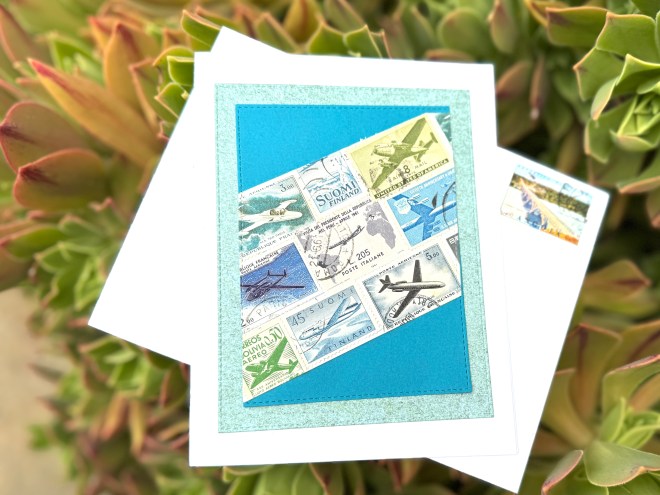
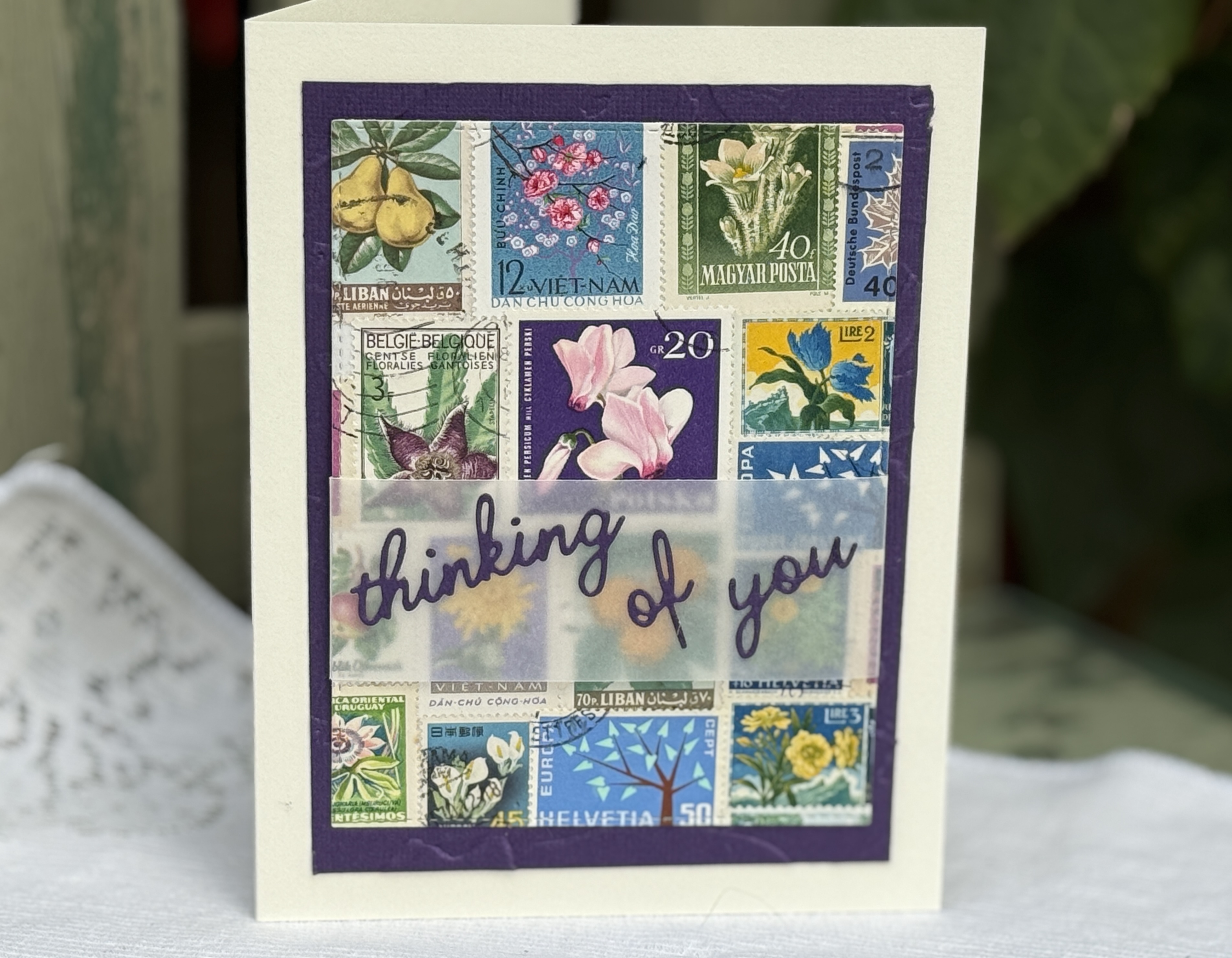
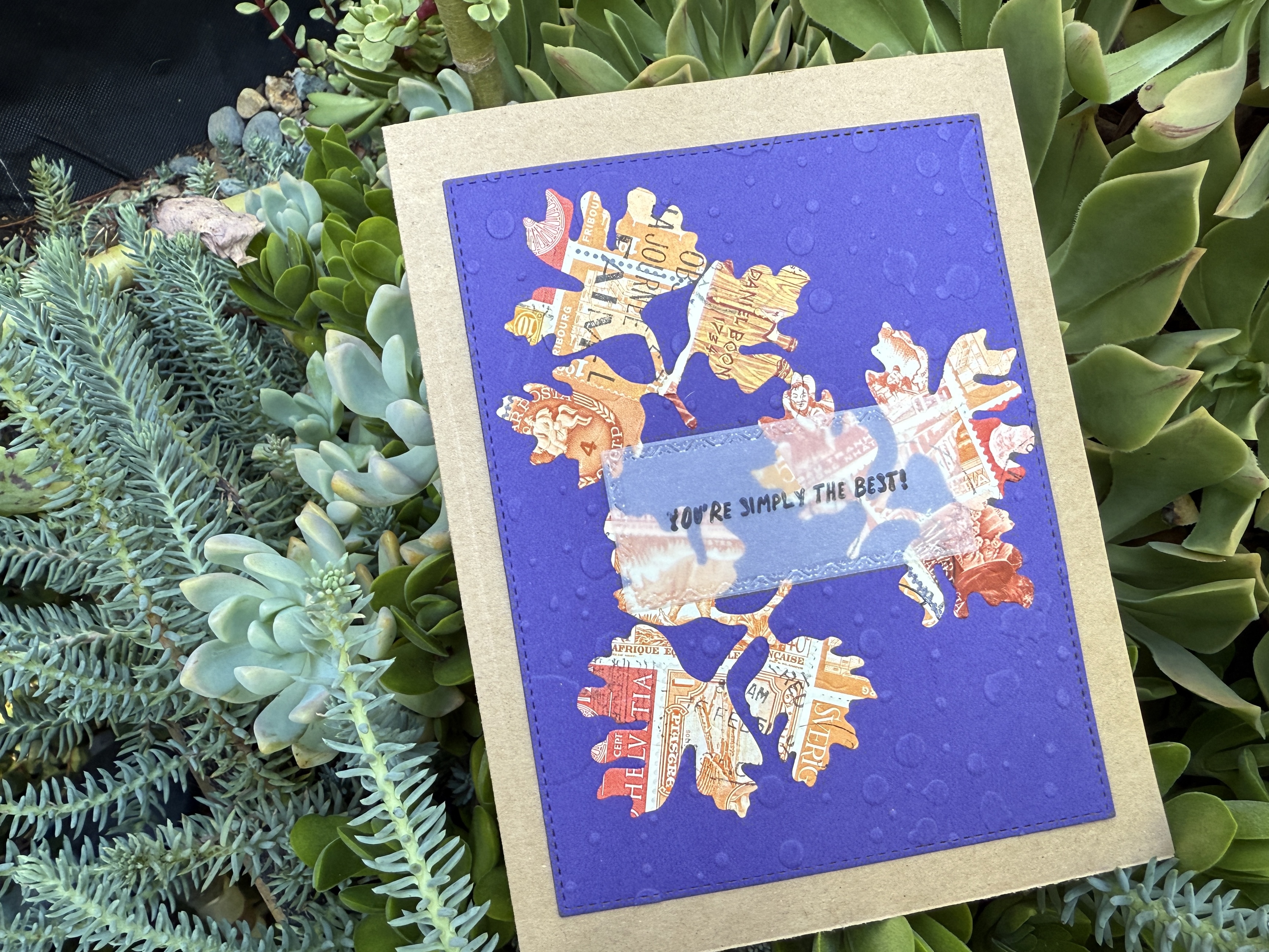
I have the equivalent of a shoe-box full of postage. It’s been fun hauling out the stamps when the mood strikes to make greeting cards and the occasional bookmark. I’ve sorted most of the stamps by color, though a few fell into themes like flowers, birds, airplanes, and even various Olympics.
Here are my atest cards:
Mike is a private pilot, a hobby he picked up during COVID. I enjoyed making him this card for his birthday.
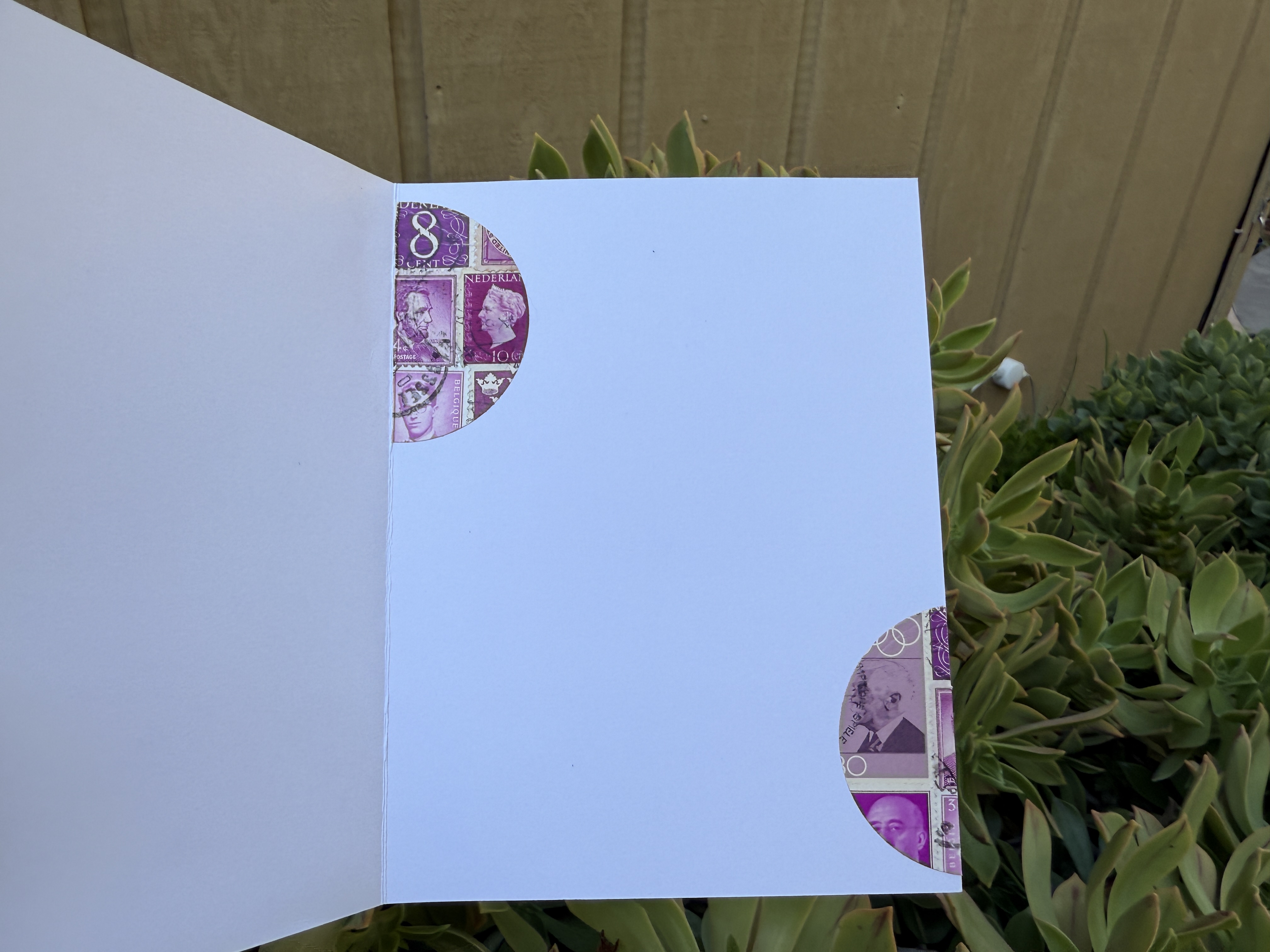
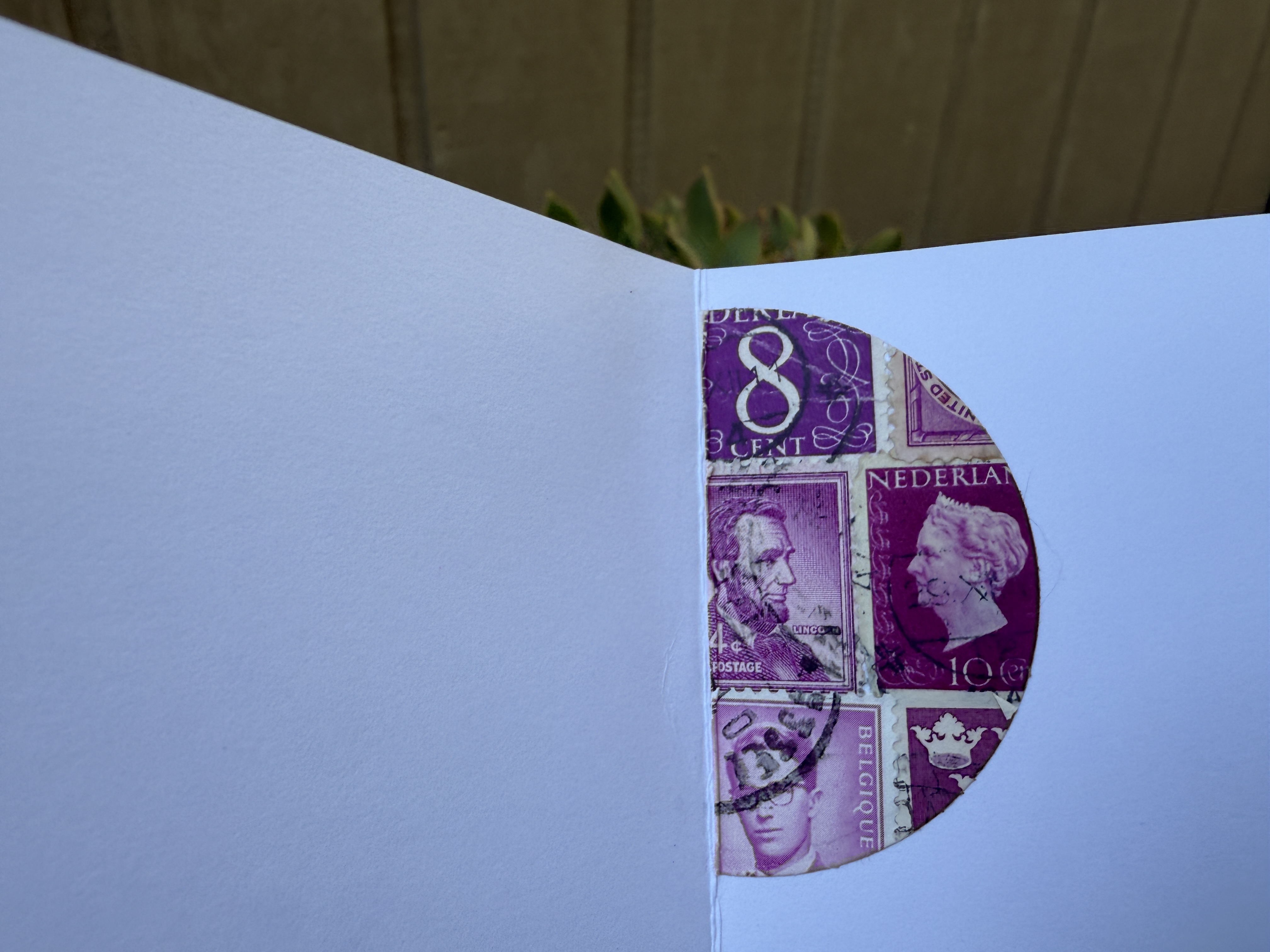
My sister, Sharon, loves purple, so this card featured royal purple on the cover and a softer shade of purple on the interior. There had to be a cat, of course.
I made this ‘thinking of you’ card for a fellow gardener, using floral postage. These are some of my favorite stamps.
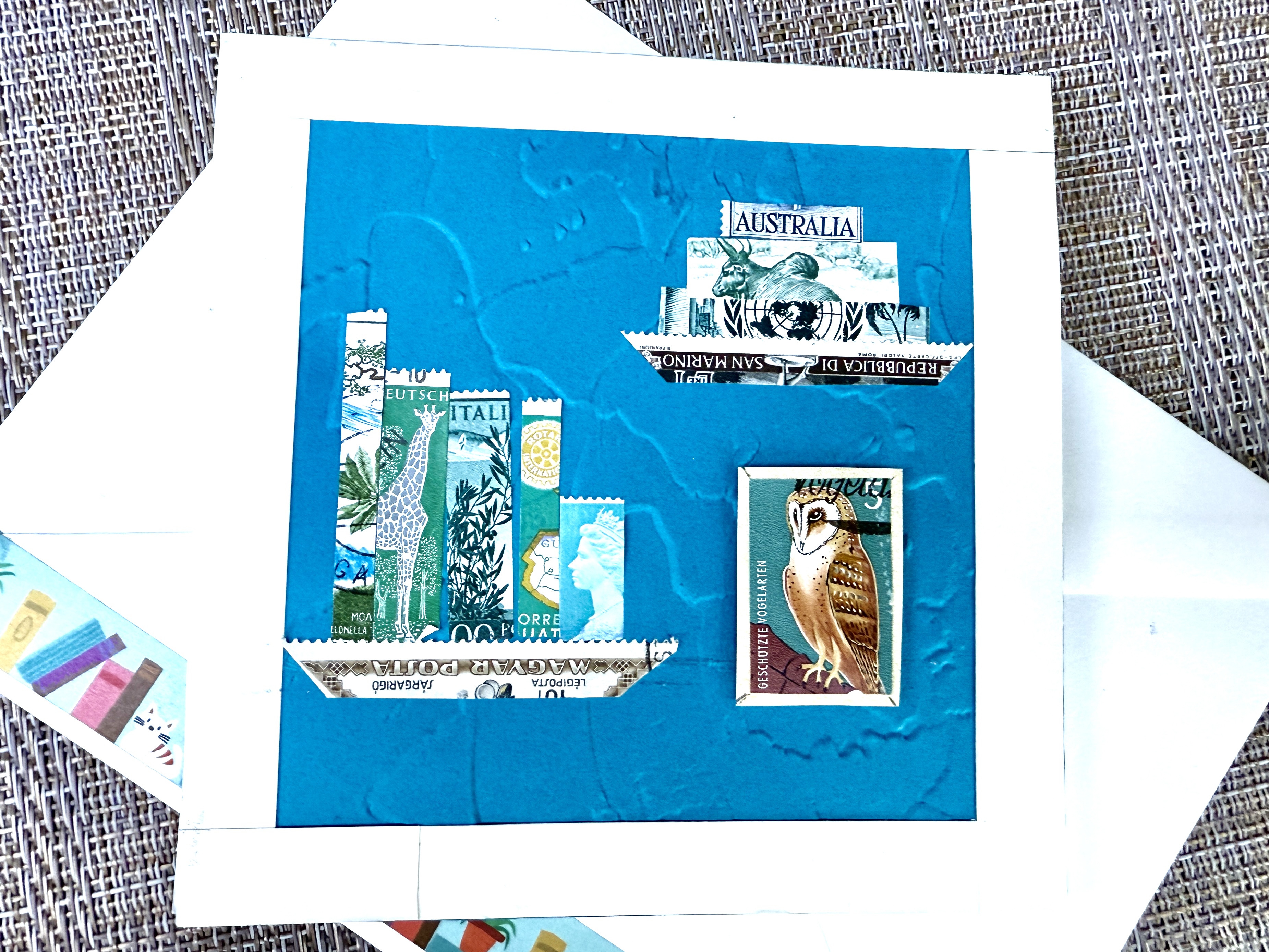
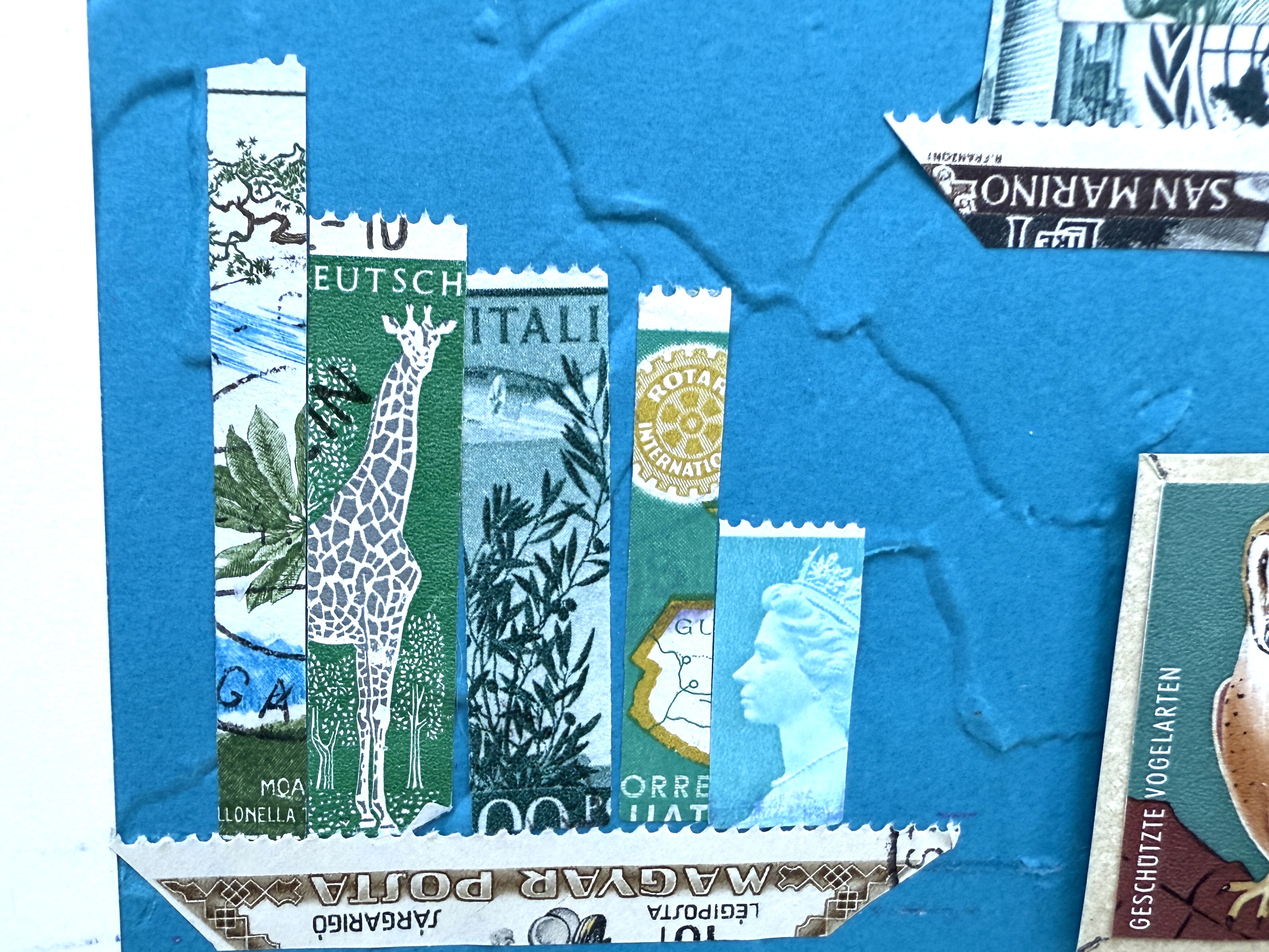
One of my favorite challenges this year is this teal card designed to emulate a bookshelf. I put a small frame around the owl to make it look like a picture on the wall near the “books.” The two shelves are cut from triangle-shaped postage.
For a bit of background, Kate, who blogs at Tall Tales of Chiconia, invites quilters from around the world to contribute a square or two for a fundraising quilt for the Trudy Crowley Foundation in Australia. Kate provides a clever theme and quilt title each year. She assembles the squares, adds a backing, and quilts the masterpiece. The teal quilt is donated and auctioned to benefit ovarian cancer.

























































 Gardening Nirvana