Thirty Days in the Garden: When Hummingbirds Stop By

Anna’s hummingbirds are frequent guests in the garden. They love sipping nectar from the abutilon and the sage, both of which grow in abundance. The purple flowering sage flowers for months.

Anna’s hummingbird
Those small purple flowers are a hummingbird magnet

It’s easy to love a plant that looks good, with a wonderfully subtle scent that attracts beautiful hummingbirds and beneficial bees. By mid summer the bees are scouring the plant for pollen. I like sitting on the garden swing as they work. I prune the shrub for shape once a year and do a bit of trimming over the summer months so we can still use the path.
Salvia in bloom, a hummingbird favorite

The abutilon needs a hard prune once a year, and then they’re off to grow for the season. We have three planted along the fence line in the back garden and another one near the front window.

Ana’s hummingbird taking a sip from the abutilon

The one concerning factor with the abutilon is that if flowers all over. I remove the flowers from the lower branches so the hummingbirds remain high and away from Tessa’s view.

Tessa near the abutilon

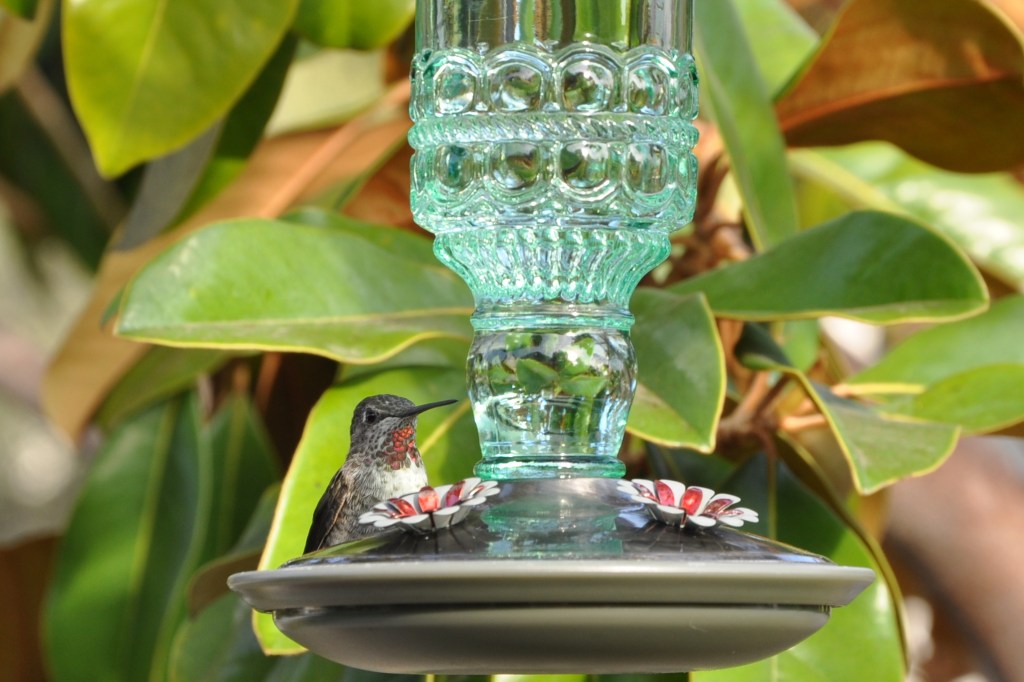
With all these inviting plants, you might wonder why we hang hummingbird feeders. The simple answer: for the pure joy of seeing these tiny birds up close near the windows year-round. Hummingbirds need to eat every 15 minutes, so if you keep your feeders clean and full they’ll return again and again. In fact, hummingbirds come to recognize you over time as the keeper of the sugar water. They’ll buzz overhead if the feeder is low, or simply fly toward your face for a brief visit.

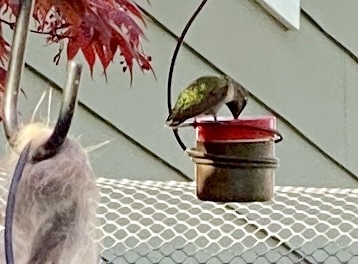
Hummingbird at small feeder

They are a delight to behold.

Thirty Days in the Garden: Starting Now

There are a number of tips and tricks to pull oneself out of a slump.

It’s time.

2020 really piled it on, didn’t it?

For a while it seemed that 2021 wouldn’t be much better, but we finally dumped the dreadful administration, and COVID vaccines, albeit slowly, are underway. I’m patiently awaiting my turn.

I’m trying to keep myself out of the doldrums by focusing on things I love including blogging and gardening. One of the tips for creating a new habit, or in my case, reviving an old one, is to do something every day for thirty days.

I’ve decided to challenge myself to write a blog post every day for a month. Spending time in the garden won’t be a challenge, but I need the discipline of taking photos and uploading them to my computer. After all, what’s a blog without pictures?

Front garden view from driveway

Spring in California is a treat for the senses. We have mild temperatures year-round, so we don’t have to worry about a late frost or June snow. Time in the garden sows content and a healthy dose of vitamin D helps fend off depression.

We converted our lawn into a native and/or drought tolerant garden a few years ago. The garden improves with each passing years.

For starters, California has a semi-arid climate. Add in years of drought and global warming and it made little sense to maintain a water-thirsty garden. Unfortunately, we under-watered in the first year and lost a few plants. We didn’t realize that even the natives need a year to establish their roots before you can reduce watering. On the plus side, a few bare patches of soil allowed a variety of seeds to take hold. The results are amazing.

Lavender grows along the deck

French lavender dominates the upper corner of the front garden, spilling over onto the deck and making a run for it along the path. I’ve had to tame it quite a bit this year to uncover one of the salvia plants(Mexican Sage) and two of the three Kangaroo Paw plants.

Throughout the garden, California’s golden poppies shine brightly. This lovely state flower grows wild up and down the coast. I planted a few from seed several years ago. I let them go to seed at the end of each season, and sometimes shake the seeds onto different areas of the garden. My reward: they plant themselves year after year. Poppies aren’t fussy. They’ll grow in sidewalk cracks and in shallow gravel.

California’s State Flower

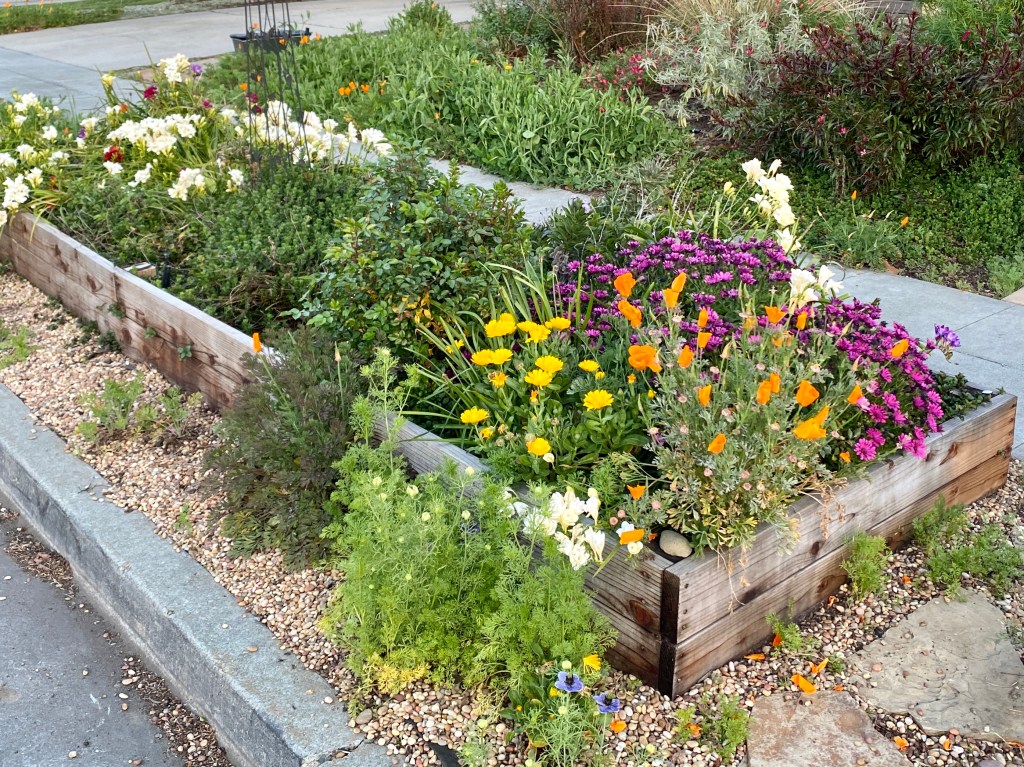
A few years ago we turned the sidewalk strip into a flower garden. A bland strip of lawn occupied this space when we bought our house 25 years ago. We planted a tree soon after moving in, but the curb garden came several years later. I love rounding the corner onto our street this time of year.

Nigella, California poppies, spoon flower, freesias, miniature rose, chocolate mint, and those delightful, no-name yellow flowers

My volunteer work keeps me busy and grounded, but it’s emotionally challenging as well. I hope my 30 Days in the Garden series grounds me differently. Thank you for stopping by.

The raised bed continues to evolve, but I think this is the most beautiful season to date. The chocolate mint dies back each winter leaving a thatch of brown twigs on the garden’s surface. I pull up the twigs and expose a new layer of growth. Mint, like ivy, fills the space by sending out shoots underground. It has a subtle chocolate scent when you rub the leaves and if left unchecked it would dominate the garden. I keep it under control by pulling out handfuls from between the boards when necessary. It rewards me with a lovely green ground cover and its lovely scent.

Looking Forward to Spring

Looking Forward to Spring

My heart quickens this time of year. Spring is a treat for the heart and soul and a gift to gardeners the world over.

Lots of color in the curb garden

After a year fraught with unpredictability, I find comfort in the familiar. A trip through the garden teases all the wonderful things to come: buds and bulbs emerge, old-growth gives way to the new, and even the emerging weeds portend more time outdoors.

In the northern hemisphere, the vernal equinox arrives on March 20, 2021. It signals the beginning of spring, though the changes are subtle in California. While much of this country is buried in snow and killer ice, our risk of a hard frost has safely passed.

Self-seeding sweet peas, cornflowers and poppies line the sidewalk. Soon they’ll be in full bloom

There are fewer opportunities to plant these days. Like most gardeners, a brown patch of soil is quickly filled with something new. I’ve reserved my EarthBox® for a tomato crop, but the garden is otherwise fully occupied. That’s not a bad thing, per se, but I do love adding new color here and there.

Front garden facing house. Within a month this will fill in once again.
Garden patch along driveway
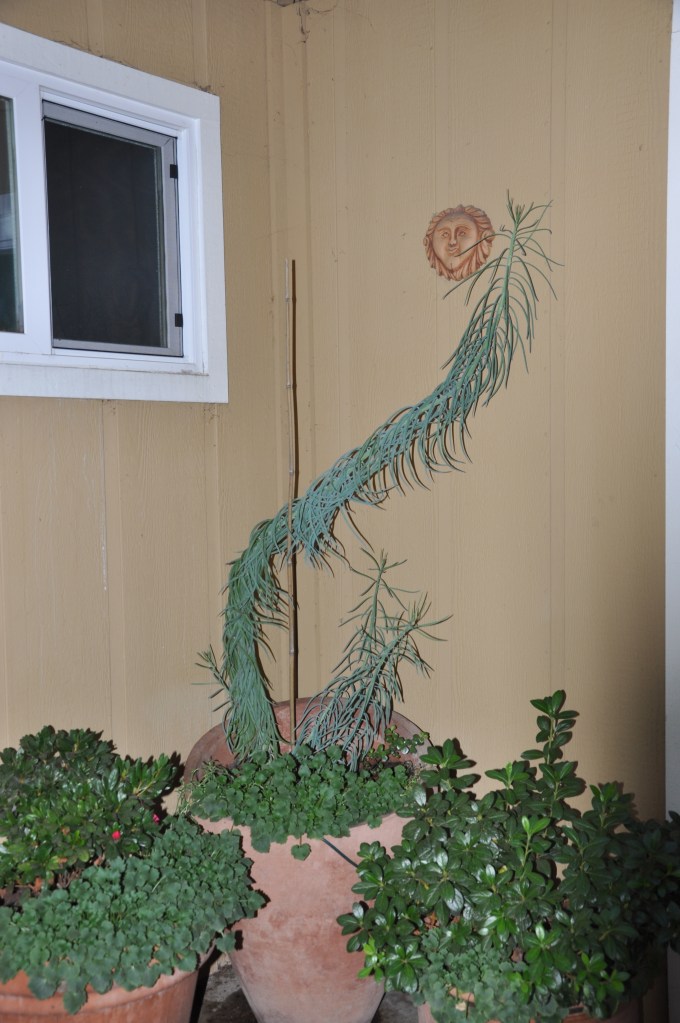
Side yard shared with neighbor (lemon tree, dinosaur topiary, and other assorted plants)
Abundant lemons this year (they really are yellow, though they look orange in this photo)

Birdsong and buzzing bees are the soundtracks of the season. The effervescent Ana’s hummingbirds are ever-present, but their numbers grow. I spotted one gathering fluff for her nest last week, wishing for the thousandth time that I had my camera in tow. I let the anemone flowers go to seed in the fall. They open like a kernel of popcorn in late winter, producing small clouds of soft white down. It’s always a treat to see the birds grab a bit of fluff.

Anemone flowers gone to seed in foreground. Volunteer spider plants along the fence line.
This is a blurry photo from a few years ago, but I’m included it as evidence of this charming visitor

Of course, not all “fluff” is intended for nature but tell that to the squirrels. The original cover of our swing is dismantled every year. The California Grey squirrels shred the cover to get to the batting inside. I repaired this corner a few years ago using an old tea towel and polyester batting. Apparently, the squirrels are not that discerning. They’ve torn through the tea towel to get to the synthetic batting inside. How do they know it’s there? Why do they want that scratchy stuff for their nest? Rhetorical questions, I know.

Swing carnage
Swing cover damage

I treated myself to a pair of new gardening tools this weekend: a pair of clippers and a long-handled weeder. I’m counting myself lucky that I made it out of the store without serious injury. The edge of that tool is sharp. I’m ridiculously excited to use it, though, on a patch of unwanted grassy weeds.

Tessa in the garden

Spring is around the corner, and the vaccine rollout is finally underway Things are looking up! I’m ready.

Hearts and Scraps: Valentine Kits for the Little Free Library

I’m joining bloggers from around the world in a monthly “ScrapHappy” endeavor. We’re challenged to make something entirely out of scraps.

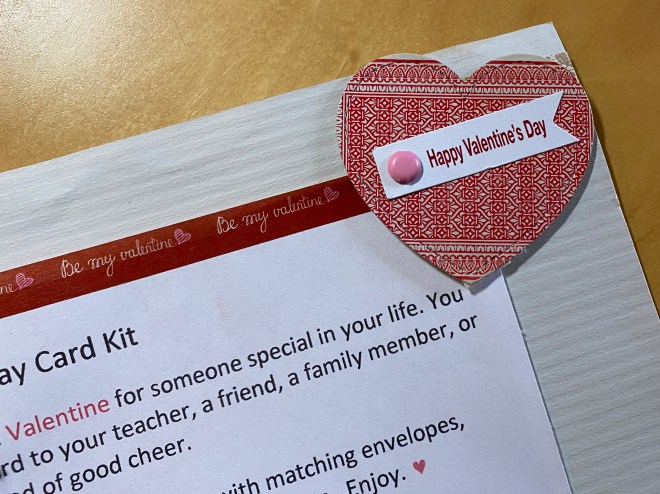
The heart at the top of the sign is made from an old playing card

Here in the US, as in many other countries, February 14th is Valentine’s Day.

Valentine’s Day customs – sending greeting cards (known as “valentines”), offering confectionary and presenting flowers – developed in early modern England and spread throughout the English-speaking world in the 19th century.

Wikipedia

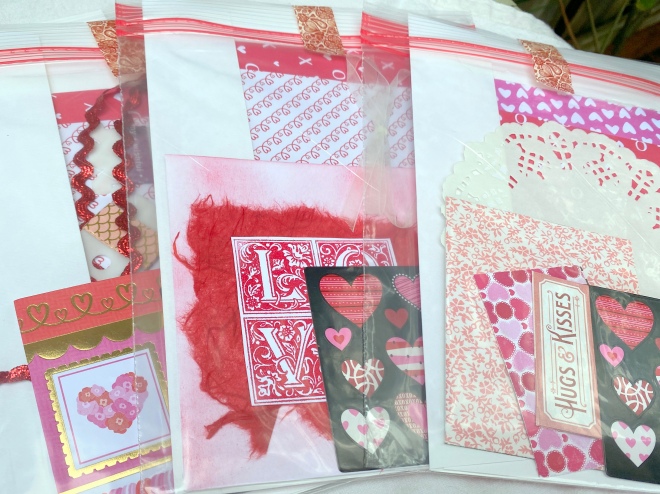
In honor of this tradition, I’ve pulled together scraps from a variety of sources to create Valentine’s Day card-kits for our Little Free Library. Young library users have snapped them up. It’s so satisfying imagining them crafting at home.

Valentine’s Day Card-making Kits

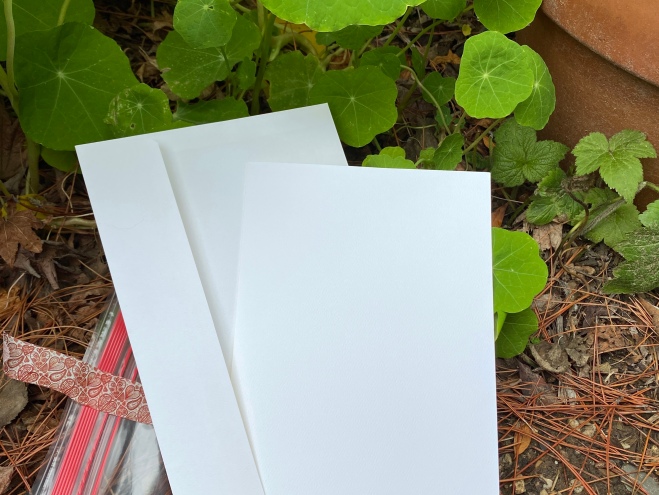
For starters, the base card and envelope are from my friend and fellow blogger Heidi from Minnesota. Heidi makes gorgeous cards! She had leftover paper and envelopes and kindly shared them with me to use in future card kits.

Envelopes and Cards from a friend

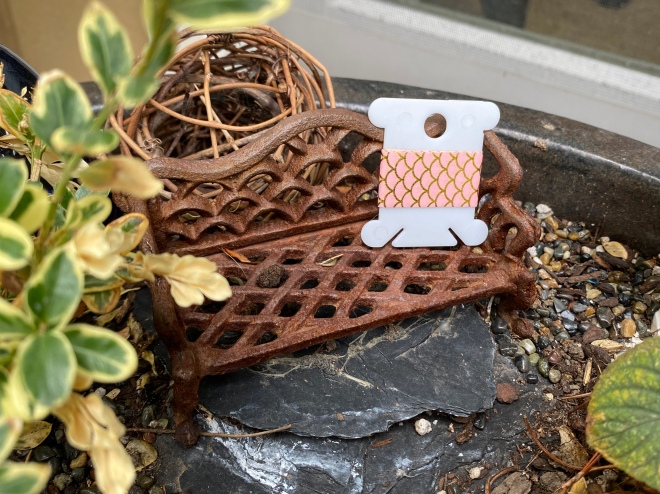
Heidi also sent sample-sized selections of Washi tape, seen below in one of my miniature gardens.

Fishtail Washi Tape

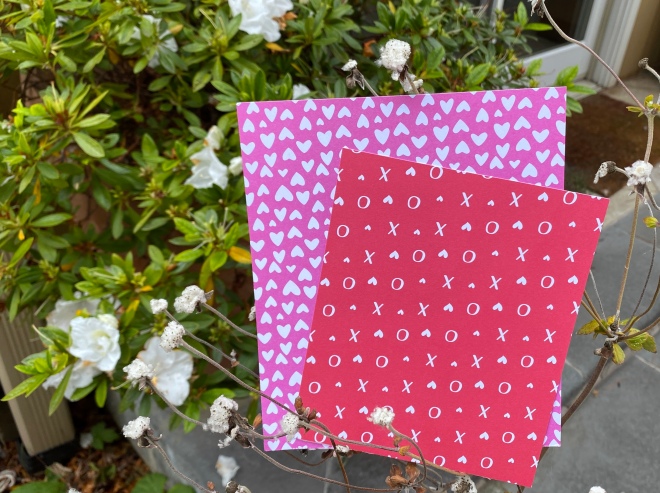
The colorful paper is leftover from kits I made a year ago.

Colorful paper scraps staged on top of the anemone going to seed

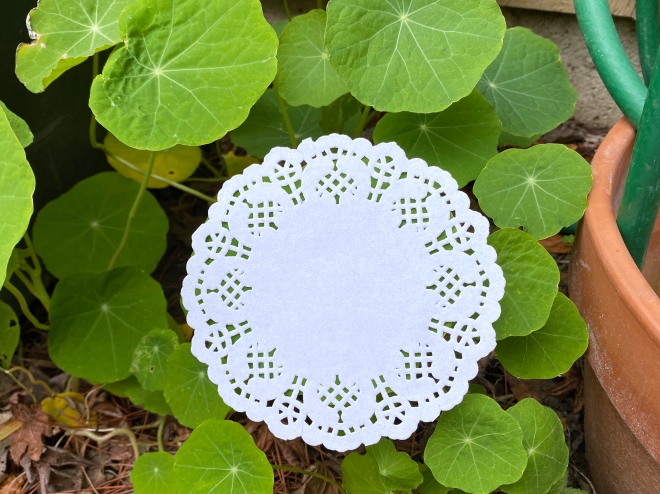
The small paper doilies are part of my stash. As a young girl, I loved the way the layers stuck together. You could peel them apart like an onion. Doilies evoke a sense of nostalgia.

Doily and Nasturtium

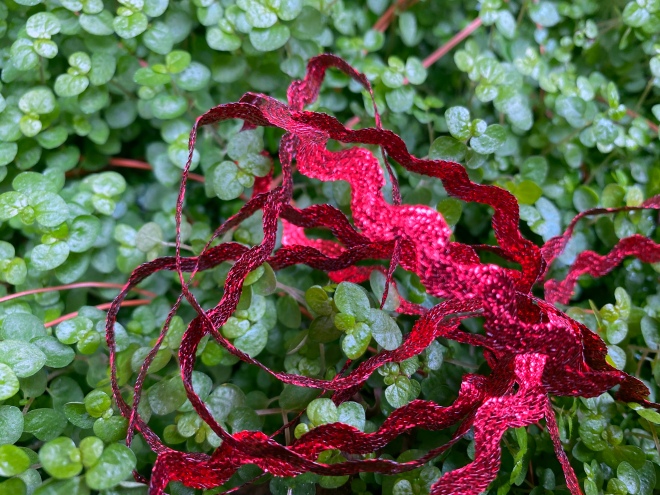
The red rickrack in the kits sat in a storeroom at Lifted Spirits for almost three years. Boxes of sewing supplies arrived as part of a donation. We turned yardage into tablecloths, farmed out suitable quilting fabric to quilters in the area, and used assorted ribbon to color-code baskets. Rickrack has fallen out of favor from a sewing perspective, but it will make excellent trim for someone’s Valentine.

Red Rickrack trim

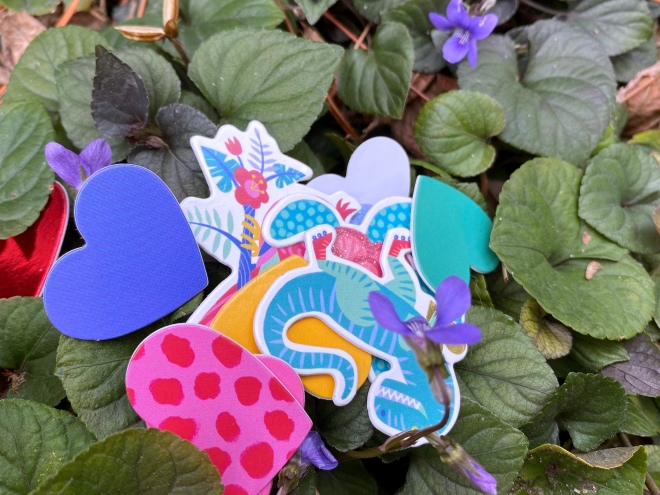
Finally, the small tag board embellishments and hearts were leftover from a volunteer project. I found them in a cupboard when I cleaned out the former director’s office.

Violets and Tagboard Embellishments
Recycled baggie (turning single-use into double use, but still too much plastic)

Please contact our host Kate, of Tall Tales from Chiconia for details. We create with scraps, then blog about our experience on the 15th of each month. Be sure to check out the creativity of my fellow bloggers linked below on February 15, 2021.


Kate
Gun,EvaSue,Lynn,Lynda,
Birthe,Turid,Susan,Cathy, Tracy,Jill,
Claire,JanMoira,SandraChris,
KerryClaireJeanJon,HayleyDawn,
Gwen, Bekki, Sue L, Sunny, Kjerstin,
Vera, NanetteAnn, Dawn 2 and Noreen

A Hollow Halloween

I love Halloween!

I look forward to decorating with pumpkins, making costumes, attending parties, and finally passing out candy to the costumed children that flock to our door.

Halloween 2020 was none of that. It felt like the hollow of a carved pumpkin on November 3rd: sad and empty.

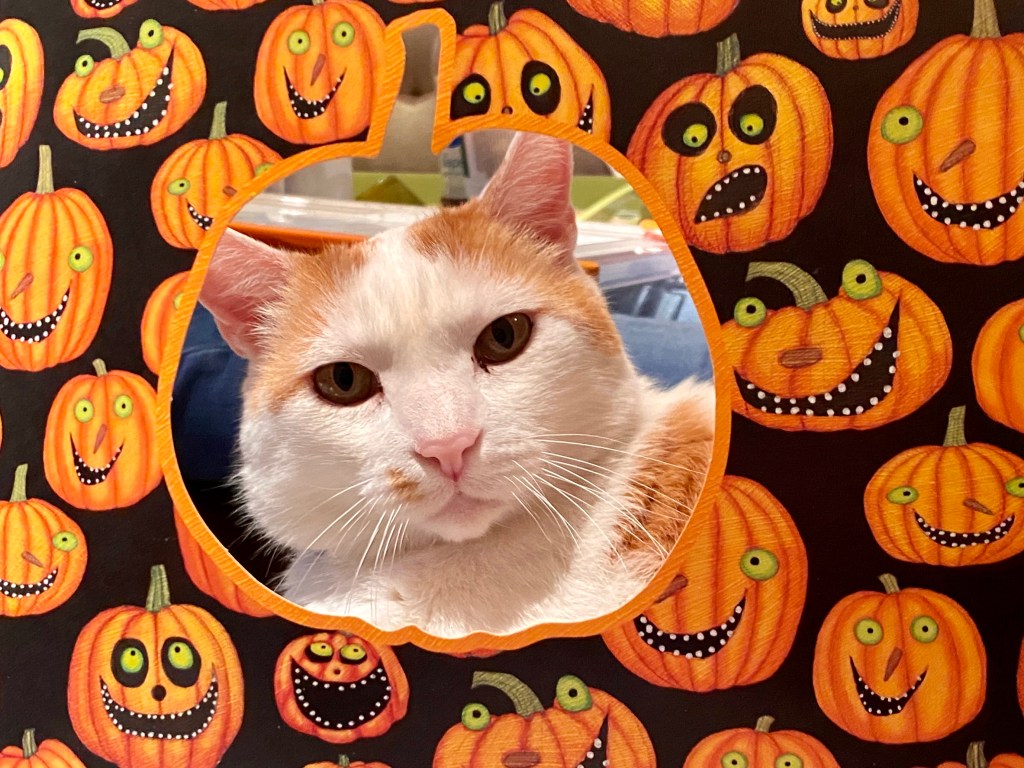
Mouse agrees

I found small ways to enjoy the season but left the traditions at the proverbial door.

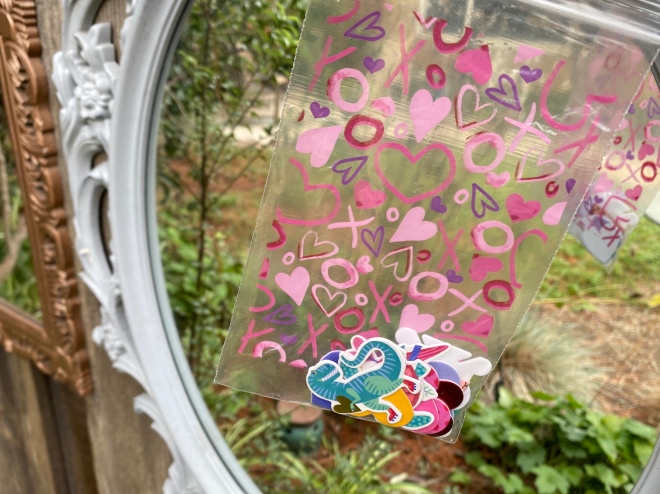
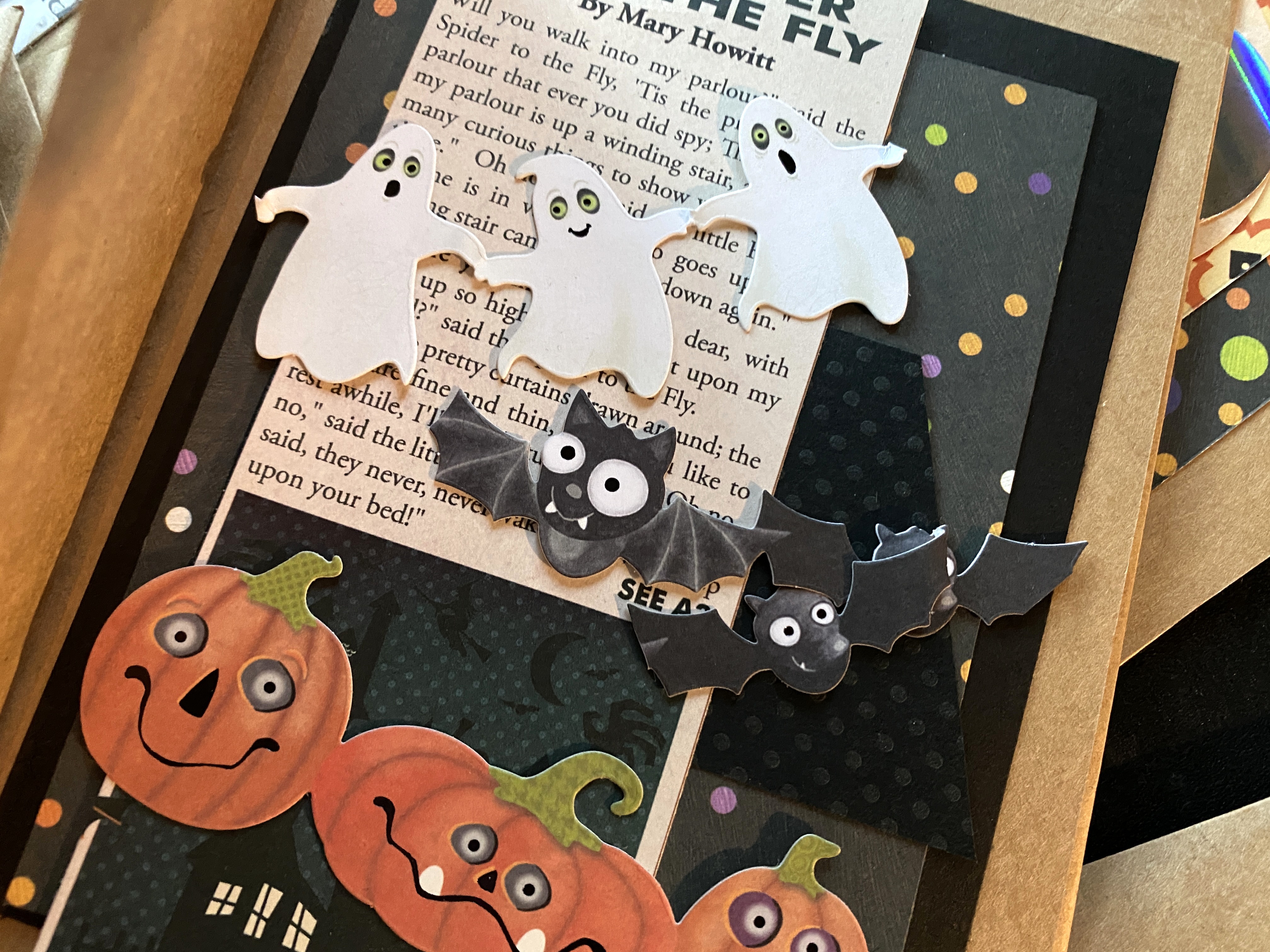
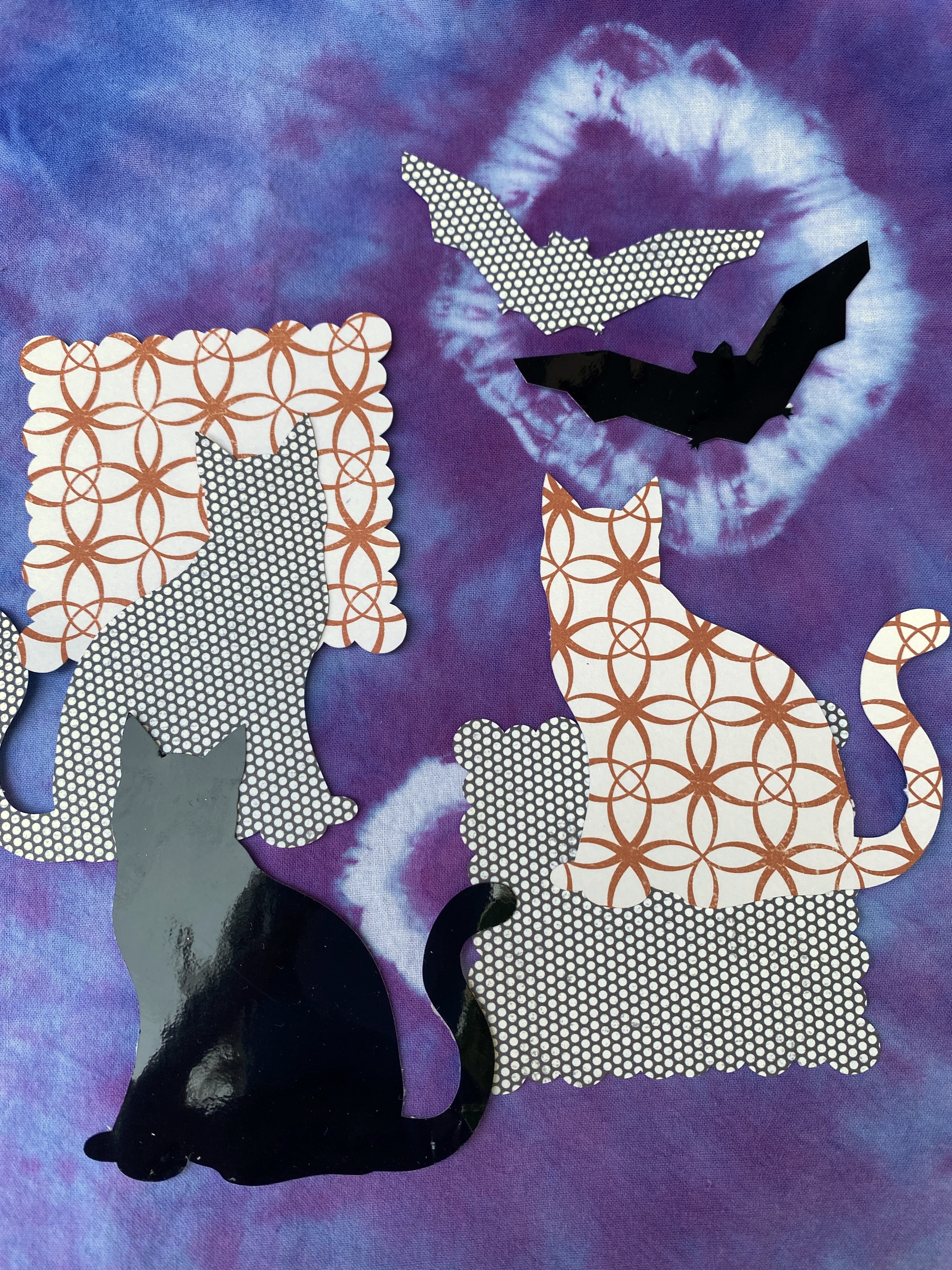
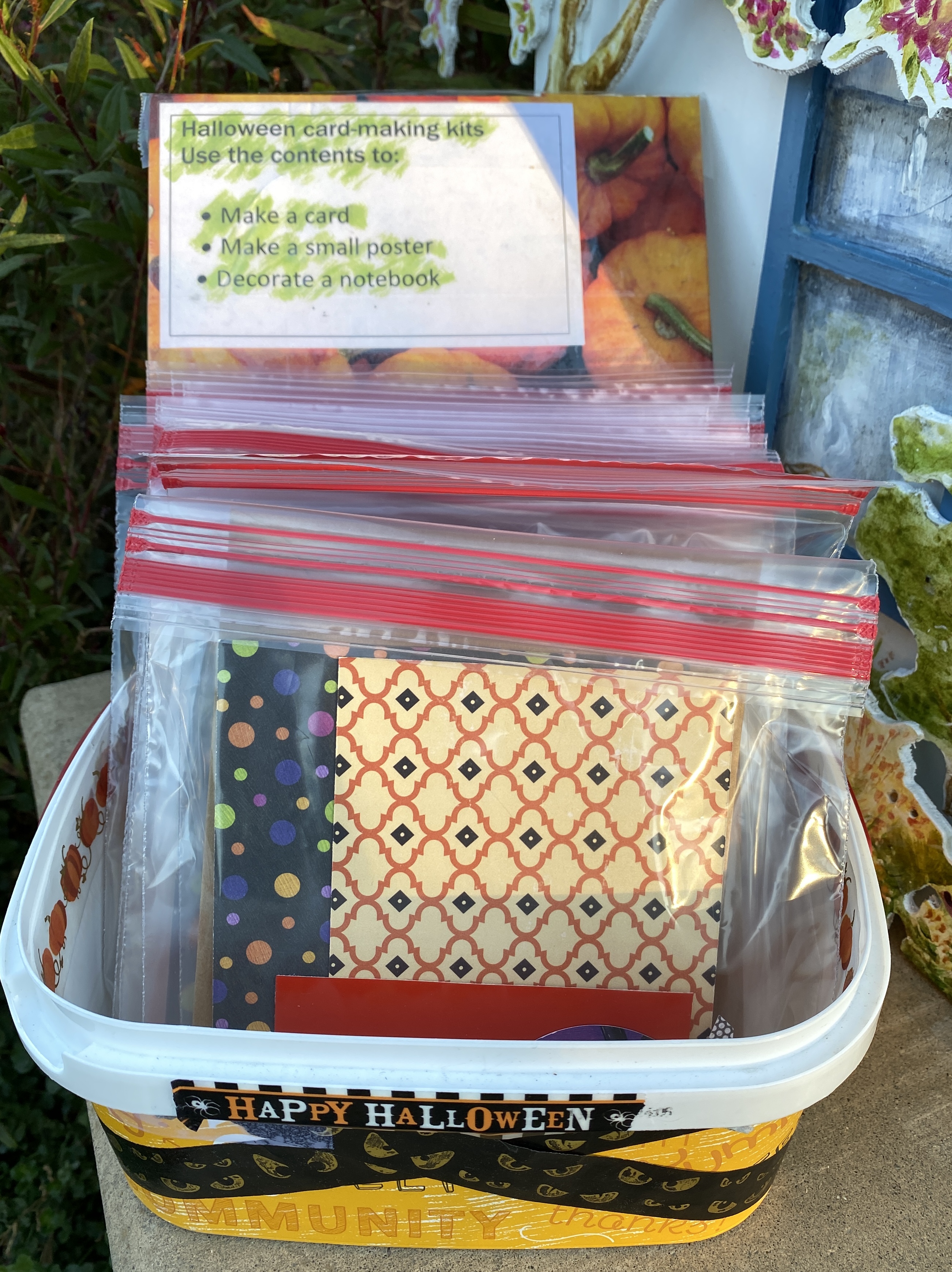
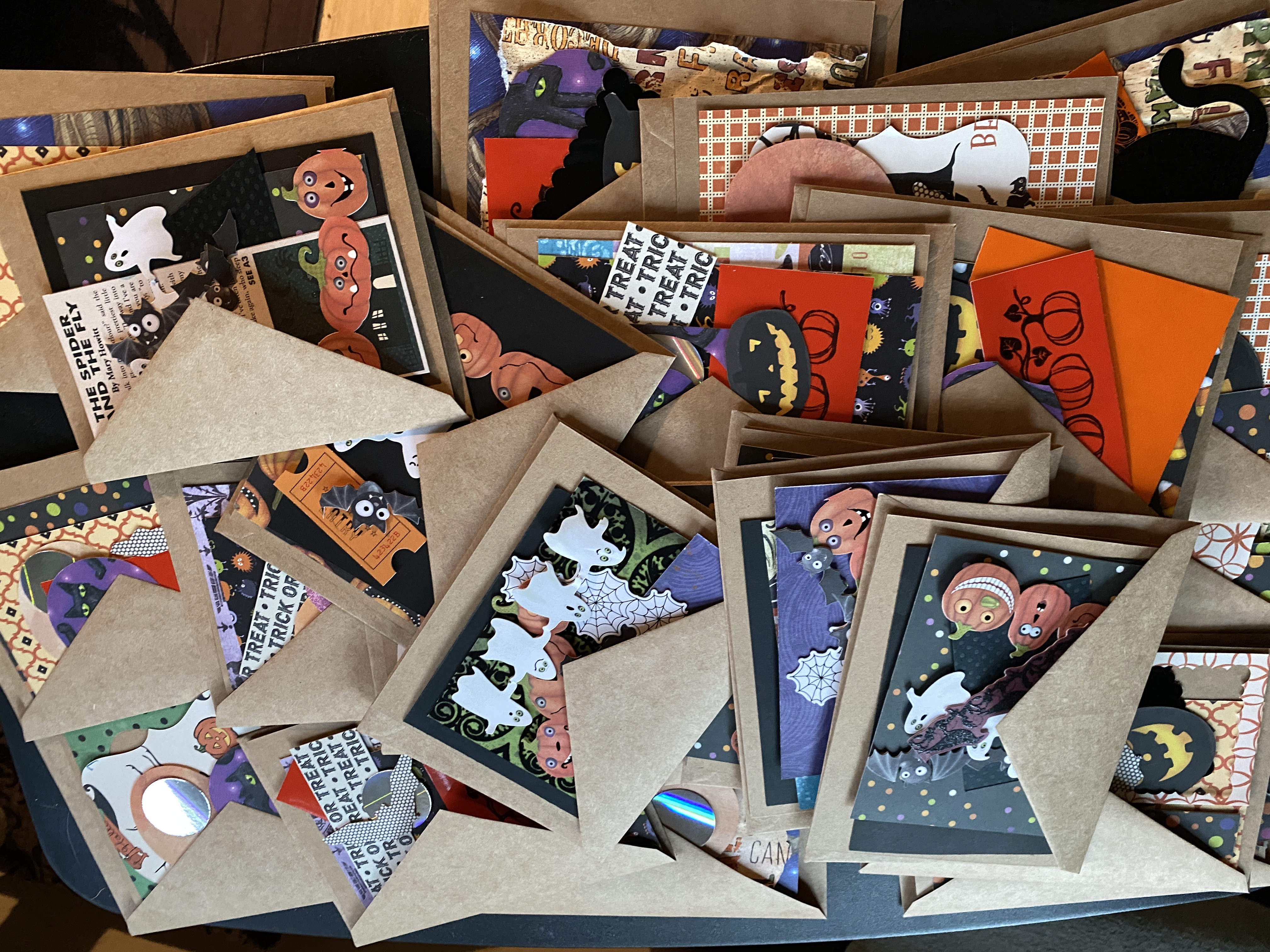
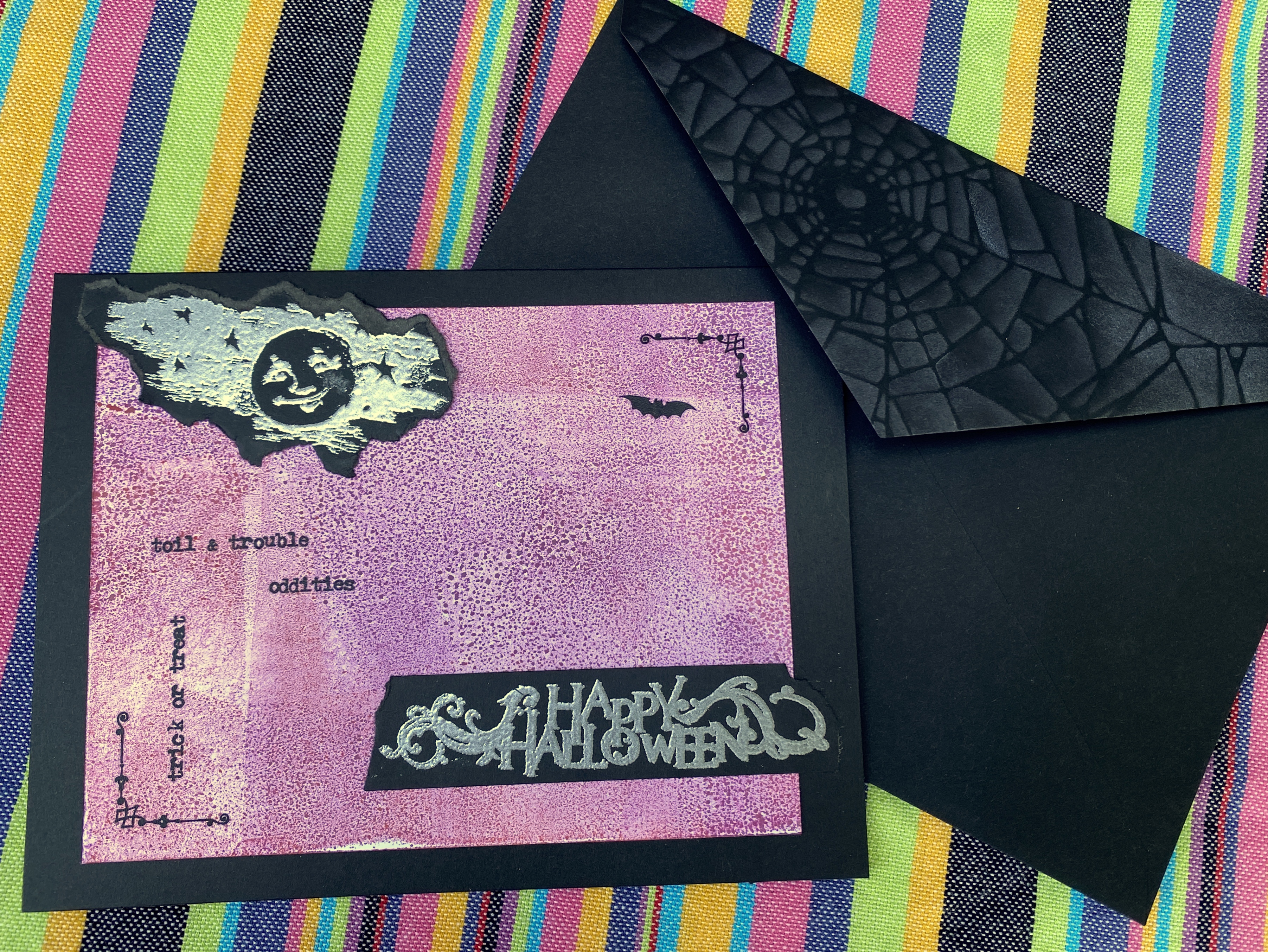
I made Halloween-themed card making kits for neighborhood kids. Over the years, I’ve amassed an assortment of Halloween paper and stickers. I pulled it all out and spent hours making die-cuts and stickers using my Silhouette. I bought a package of craft paper cards and envelopes from a local craft store, and over a period of weeks, assembled card kits to share alongside our Little Free Library.

The card kits were a hit. I put out ten at a time for a total of 40 kits and enjoyed seeing them disappear in ones and twos each day. 

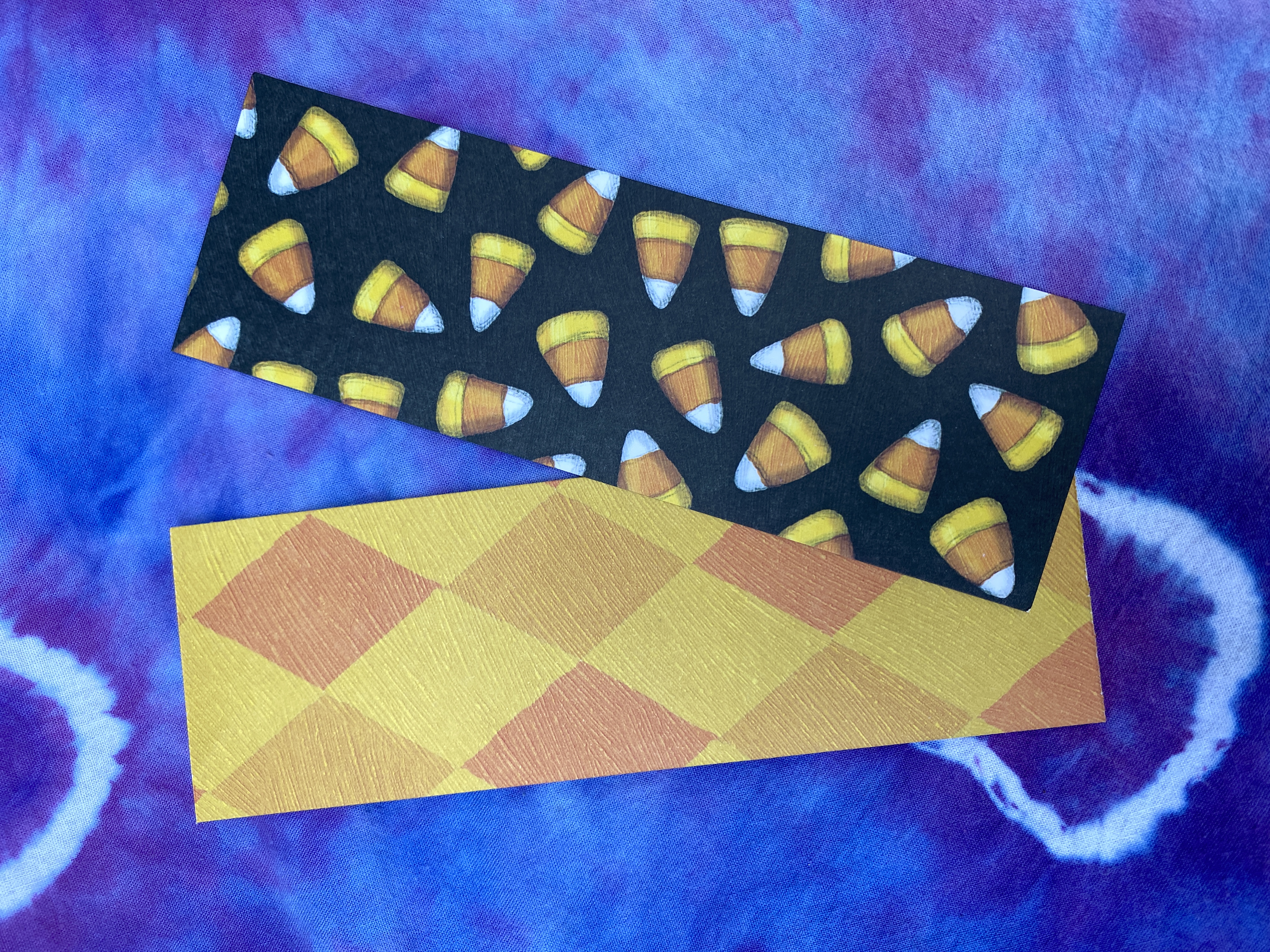
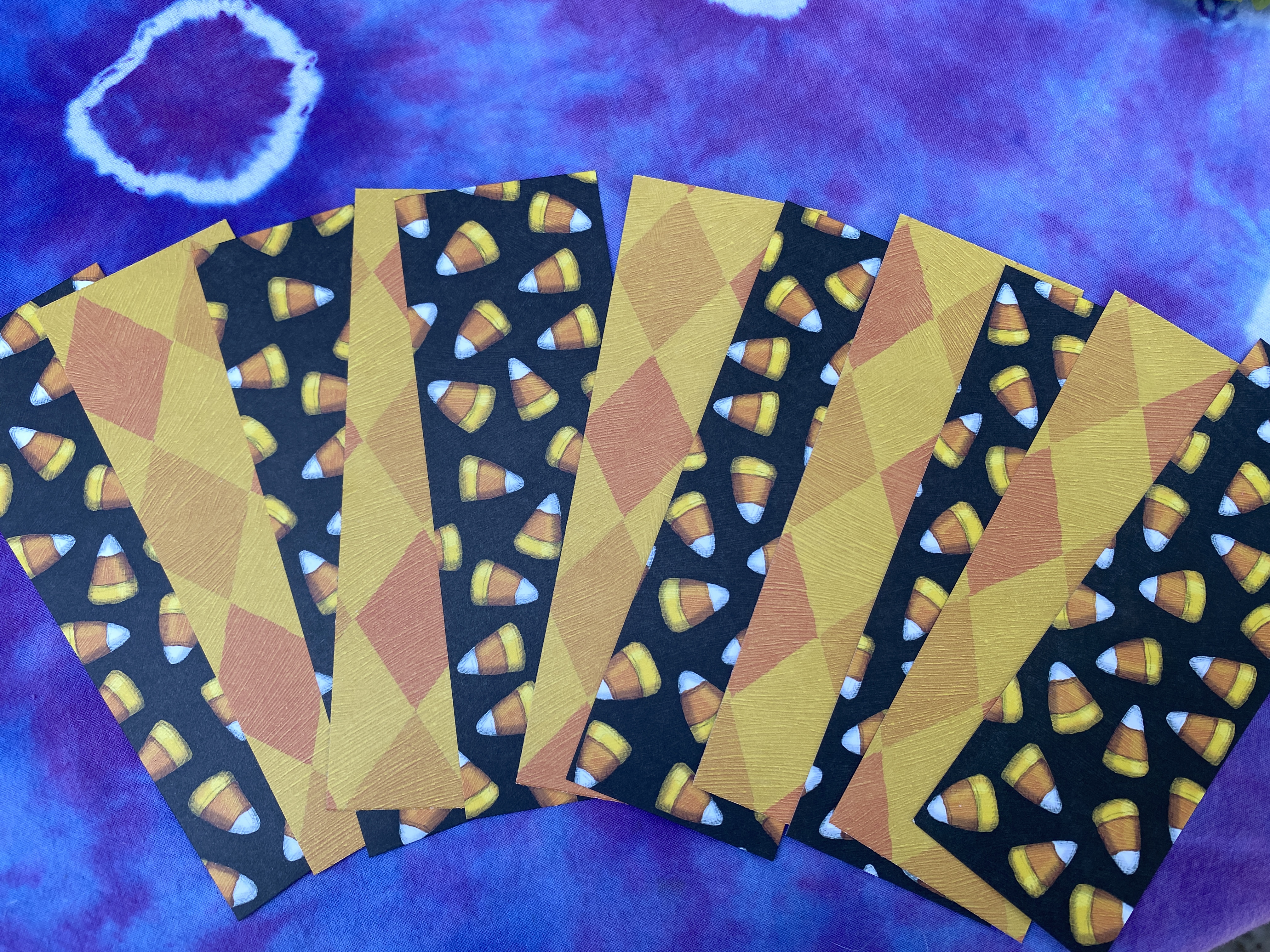
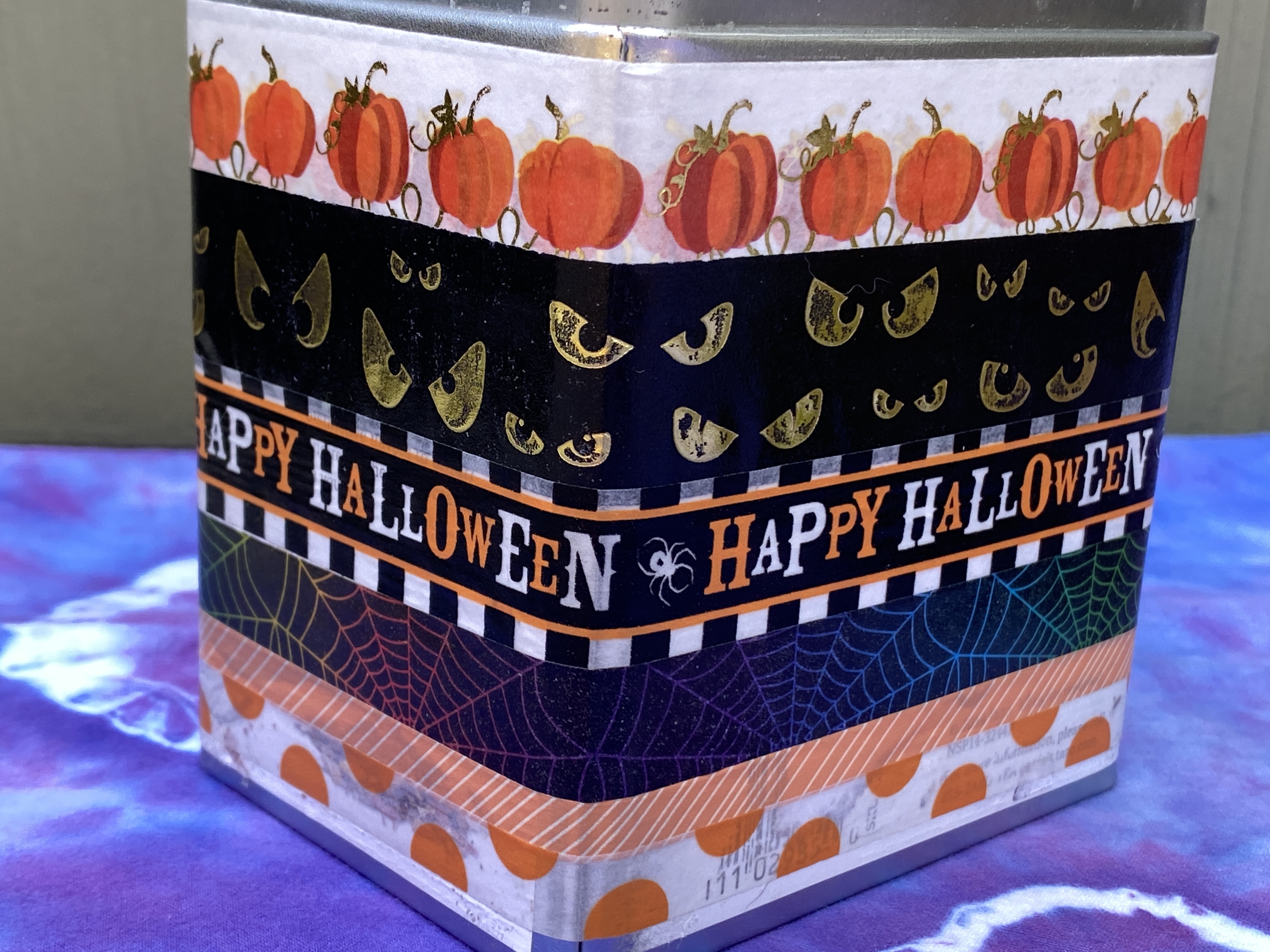
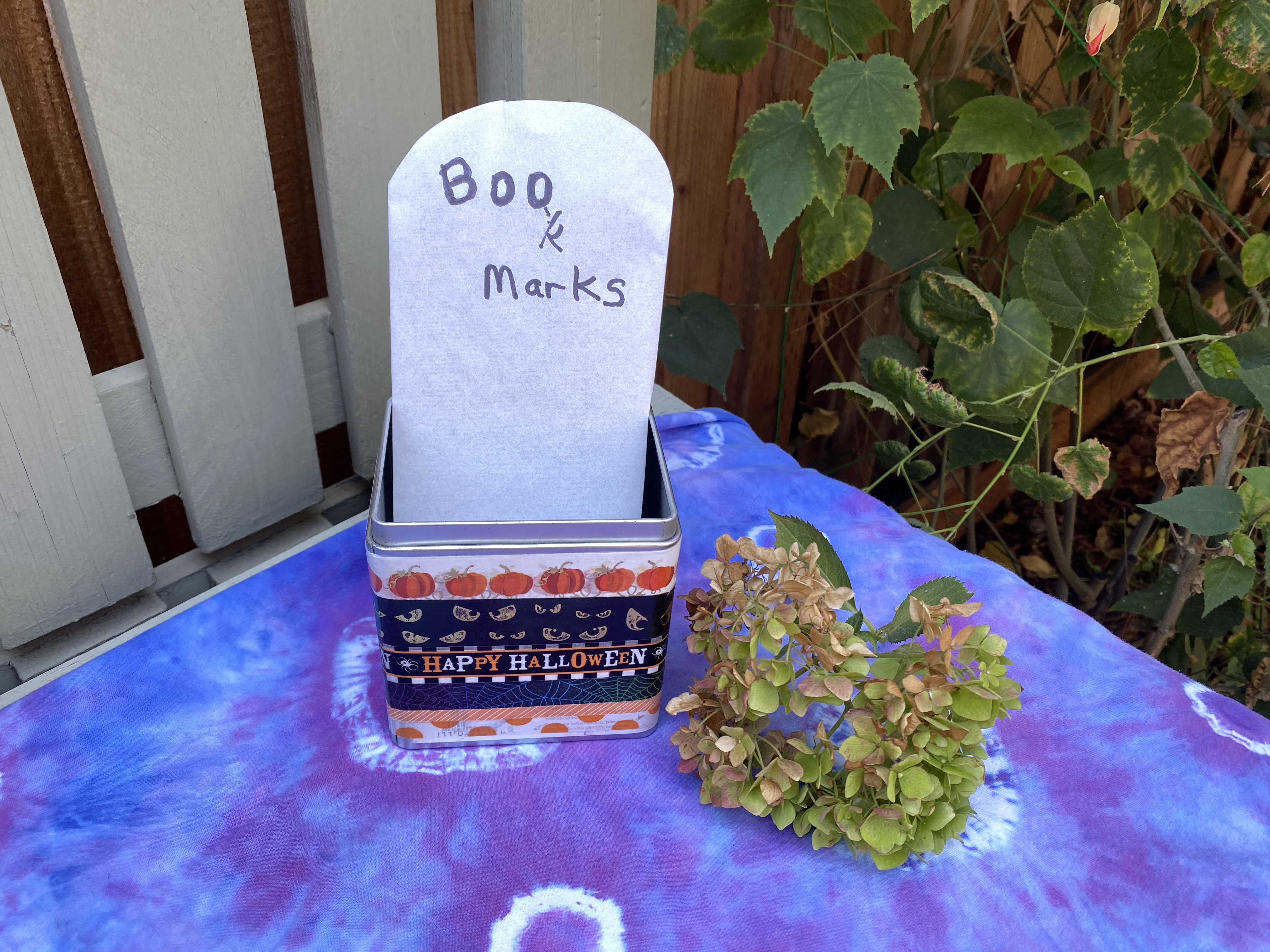
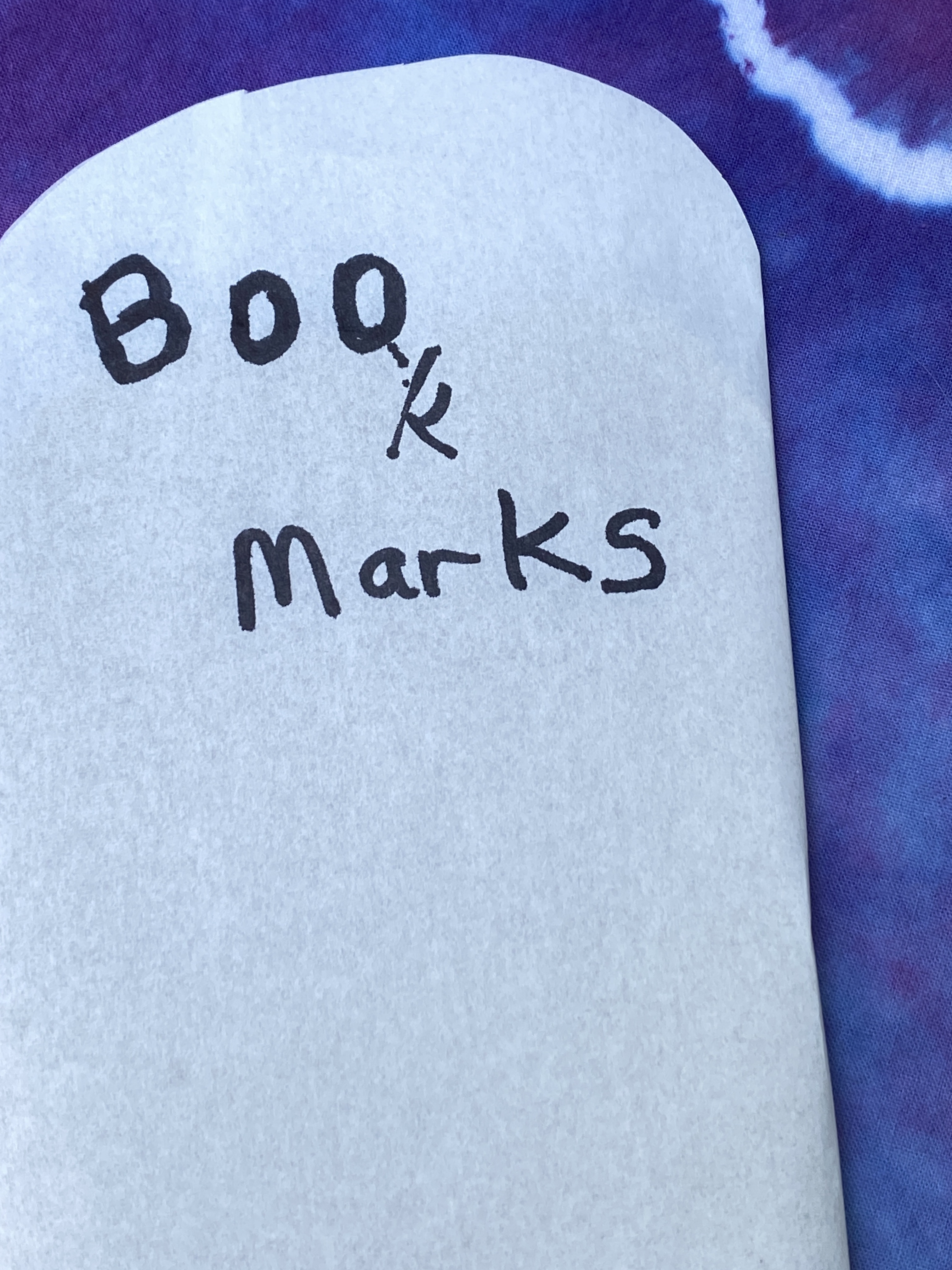
I used narrow scraps of the same paper to make simple bookmarks and placed them in a tin marked “Boo-marks.”

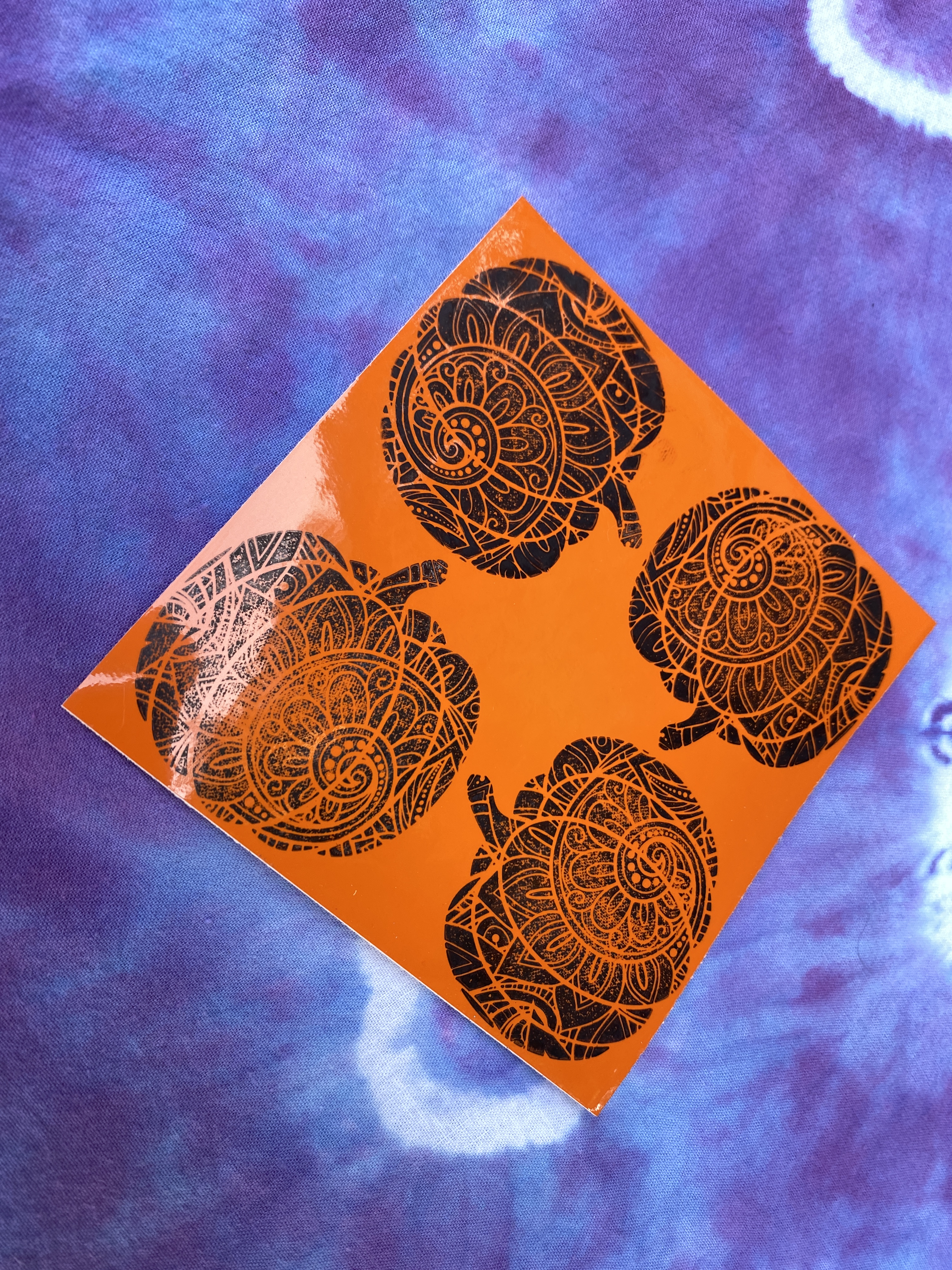
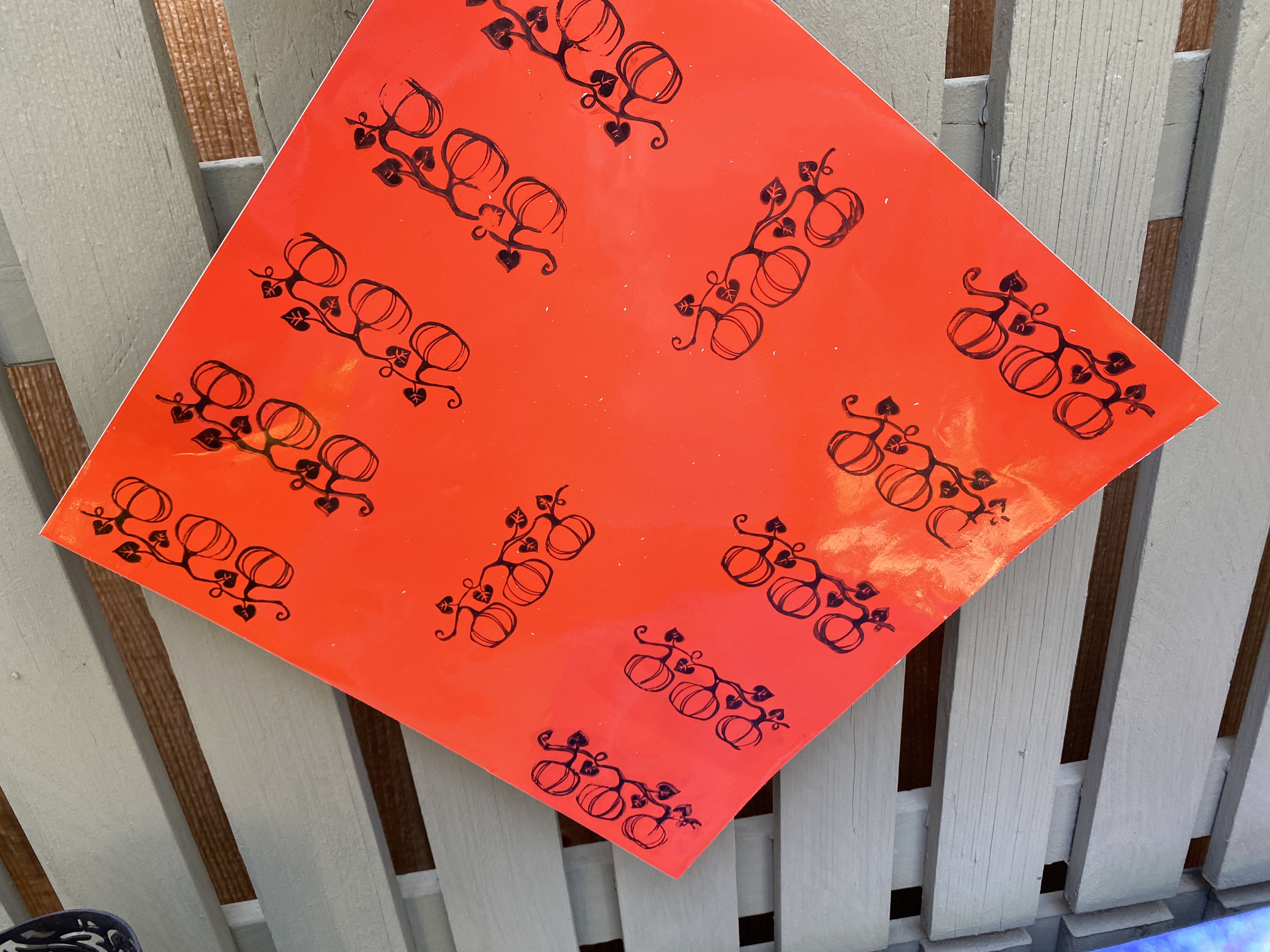
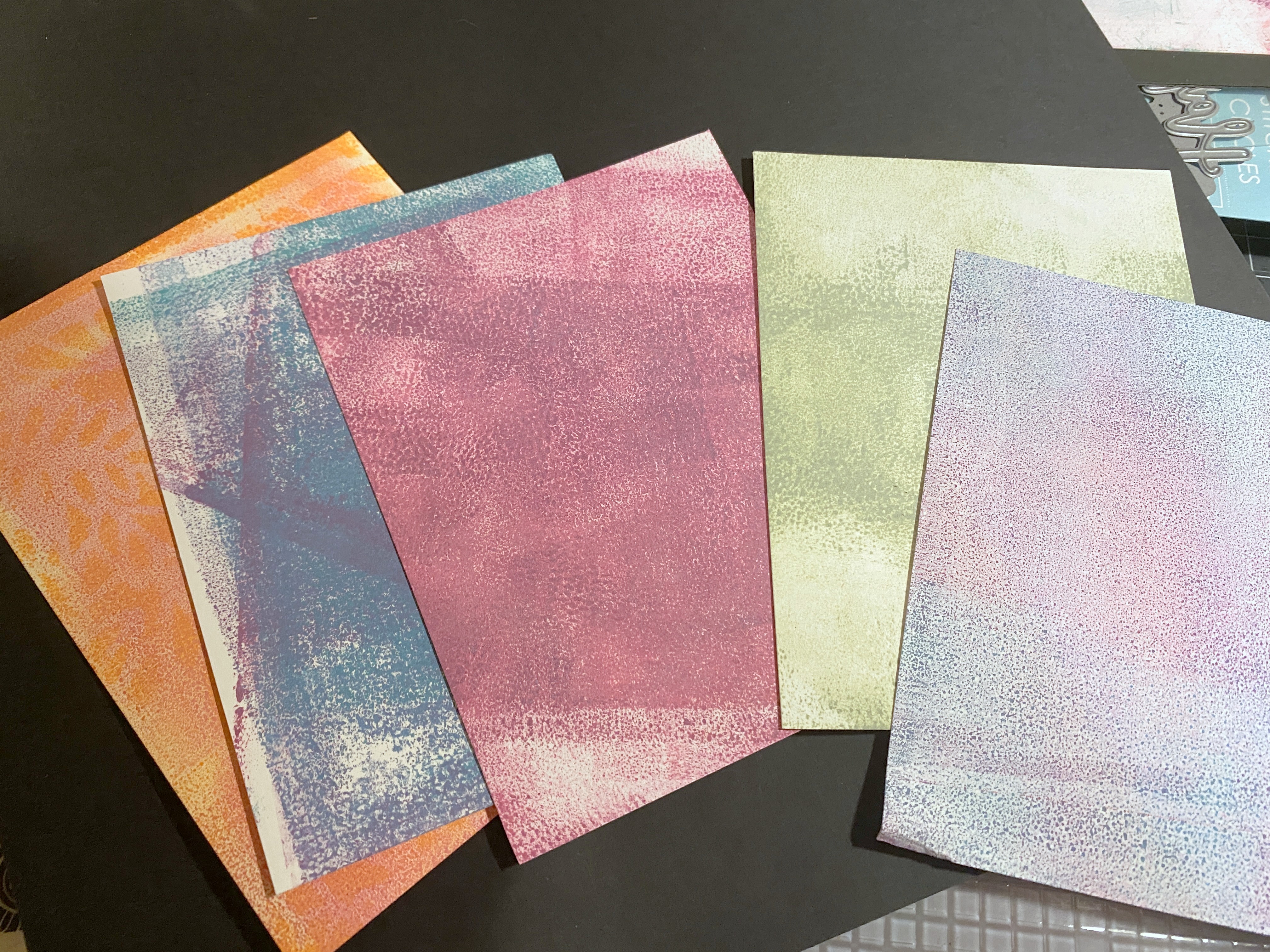
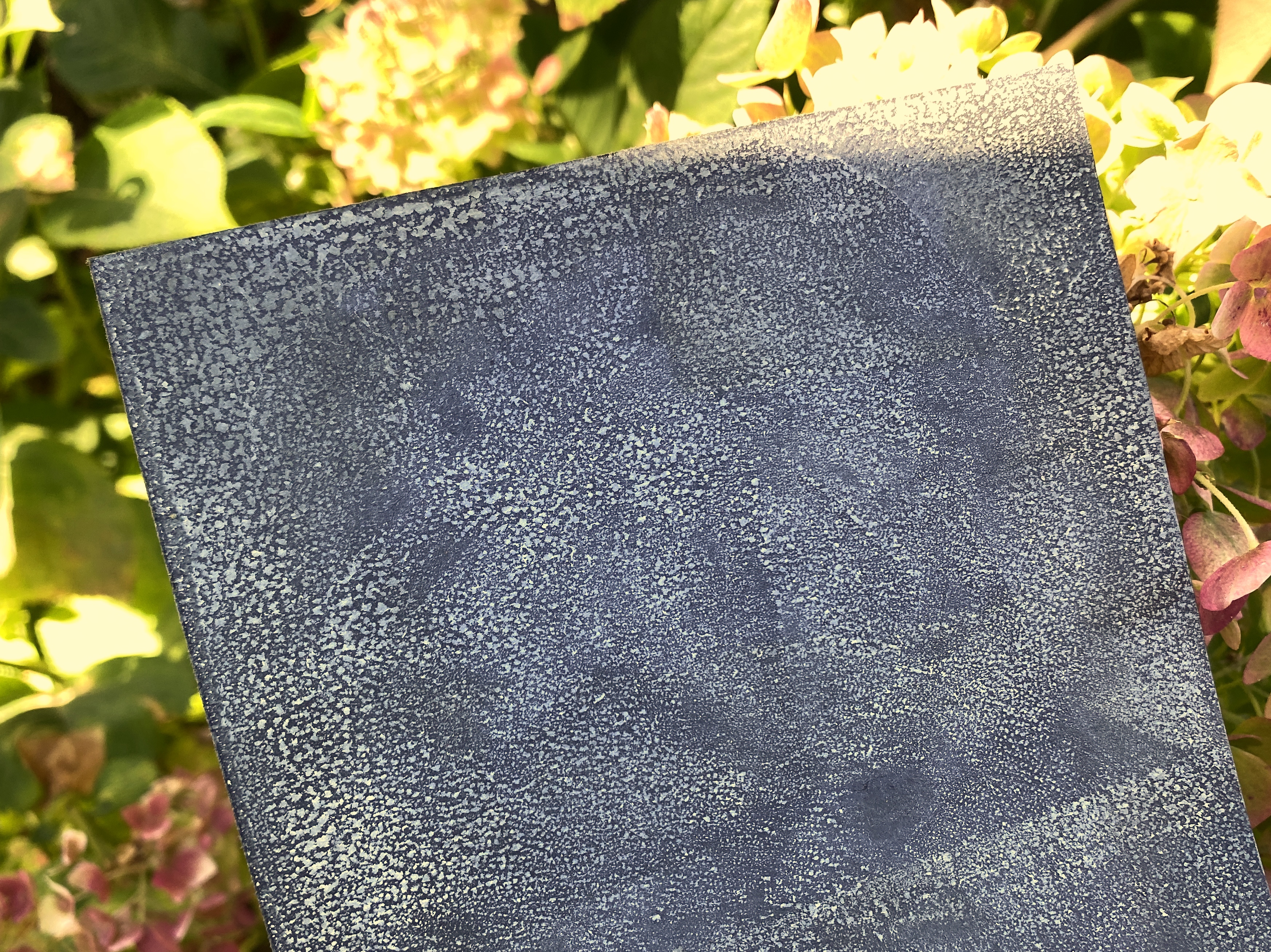
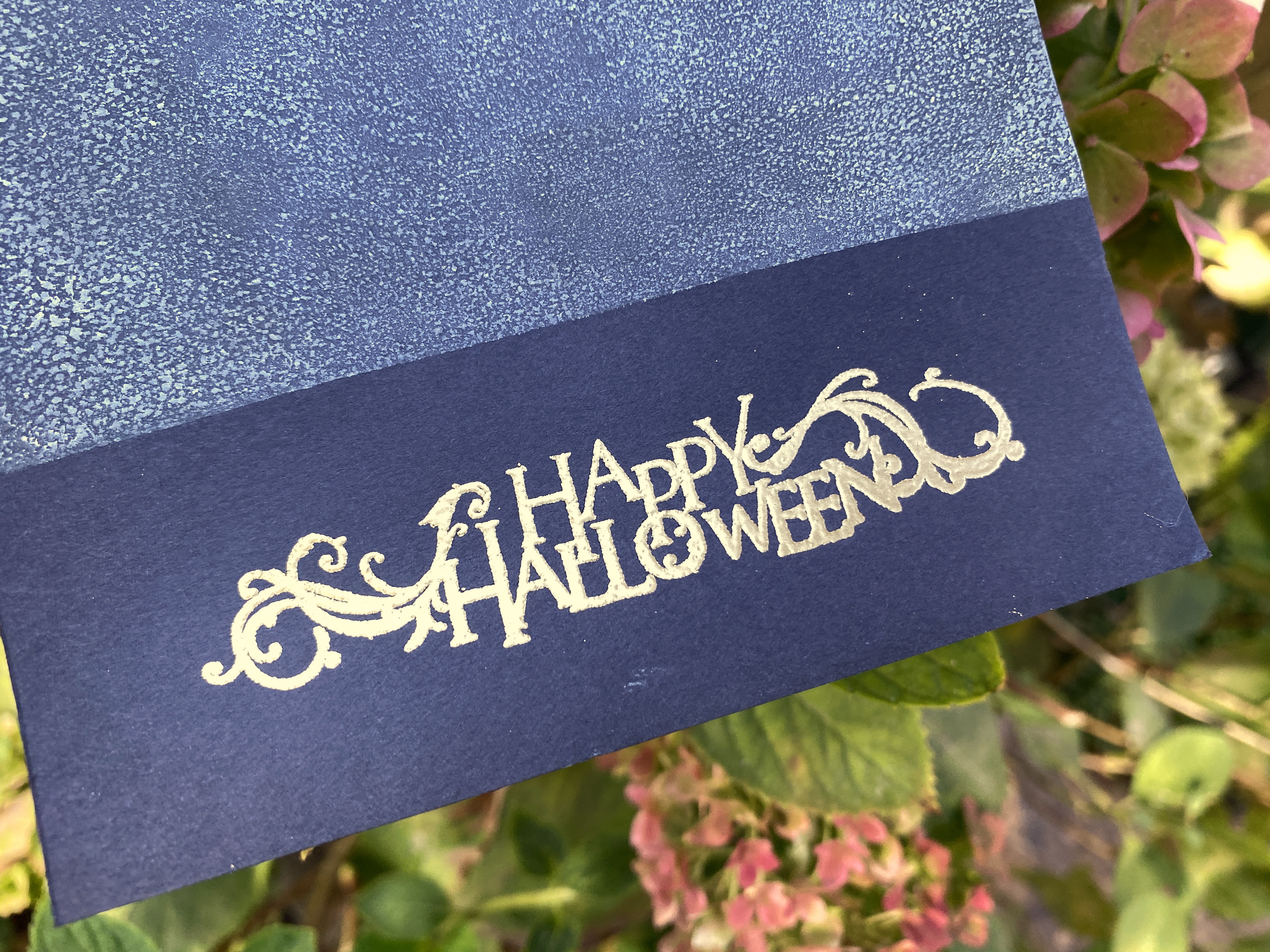
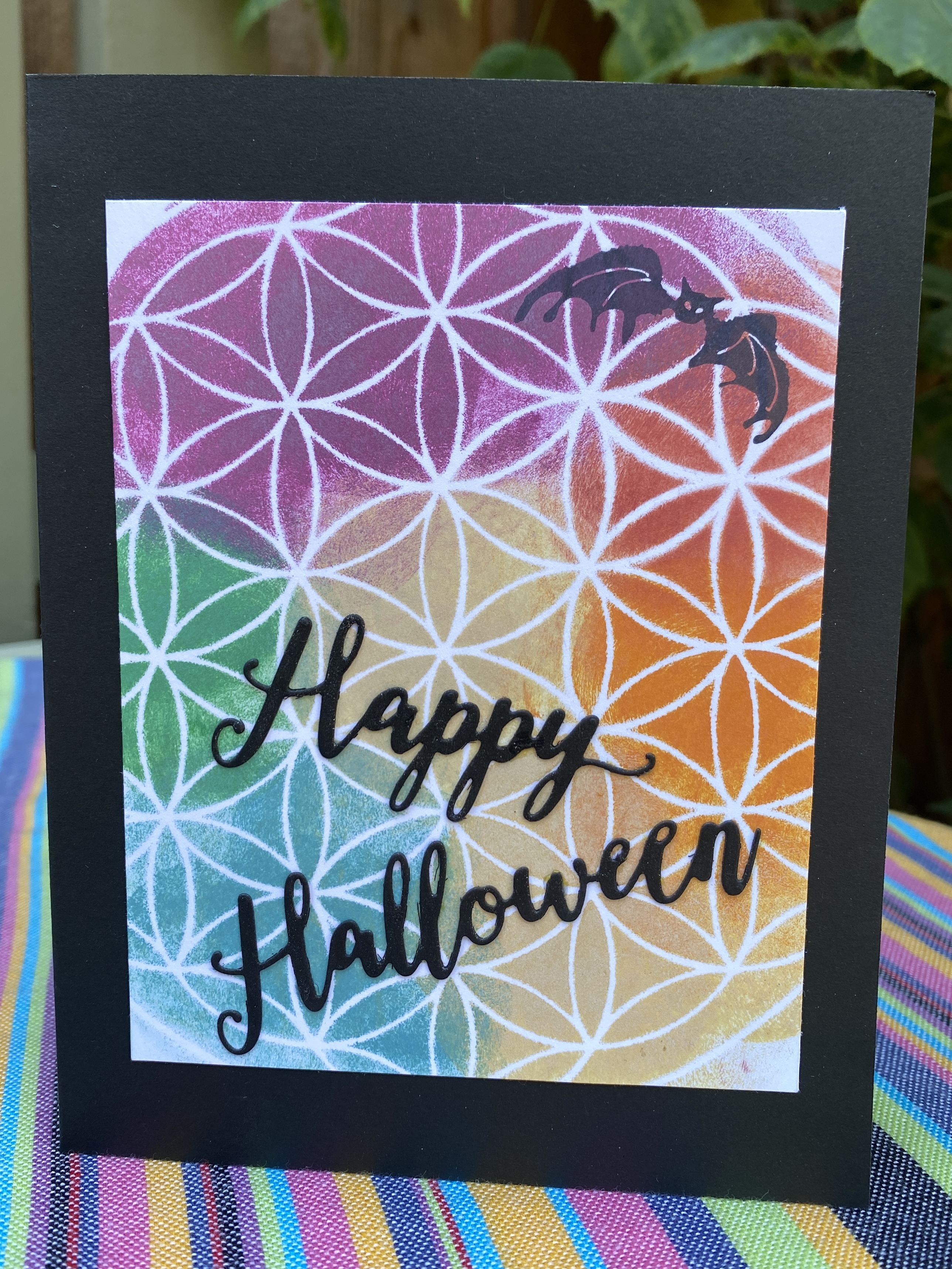
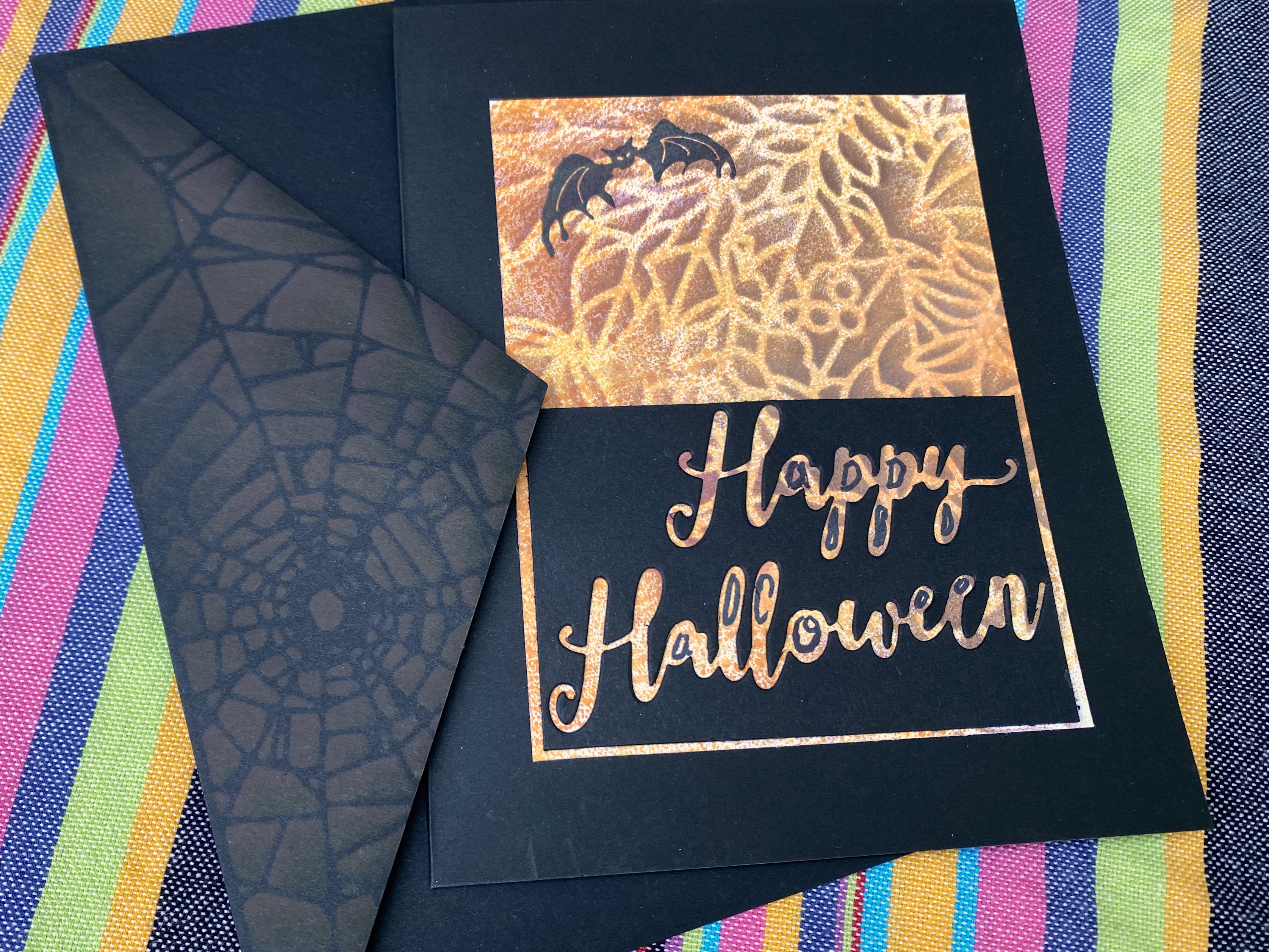
Earlier in the month, I made Halloween cards for friends using a Jennifer McGuire Ink video technique. She used a Gel Press, a brayer, and Tim Holtz Oxide Ink to create interesting patterns. Like Jennifer McGuire, I made several backgrounds, let them dry, then used them on my cards.

Here are a few:

I made a second batch of cards last week, but I never got around to taking photos. It was more important to get them into the mail. Our post office produced Halloween stamps this year. It made me happy to do my small part buying stamps and mailing cards.

This may sound strange to those of you knee-deep in creativity, but I’ve struggled to focus on writing, crafting, and other creative endeavors. I’ve written a dozen blog posts in my head but lacked the focus to sit down and make them a reality.  I’m trying to recommit to creative endeavors. Making cards and card kits has been a good start.  It’s good for the soul.

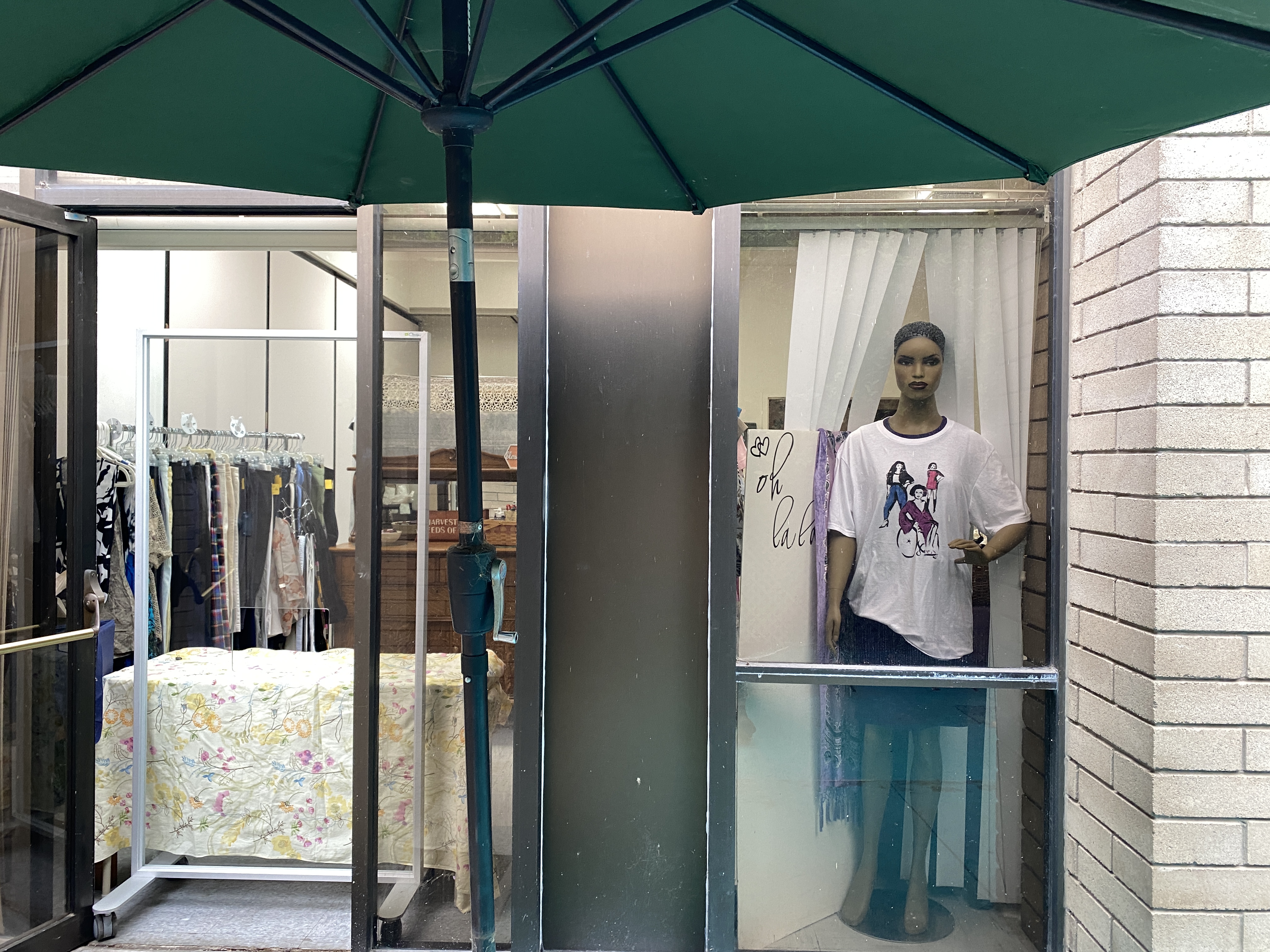
I continue to volunteer several hours a week with Lifted Spirits. We’ve been providing our services outdoors over the summer from behind the safety of a clear shower curtain. With colder weather approaching, I reorganized the program to serve the women from behind the building in a garden setting, with volunteers standing behind glass screens.

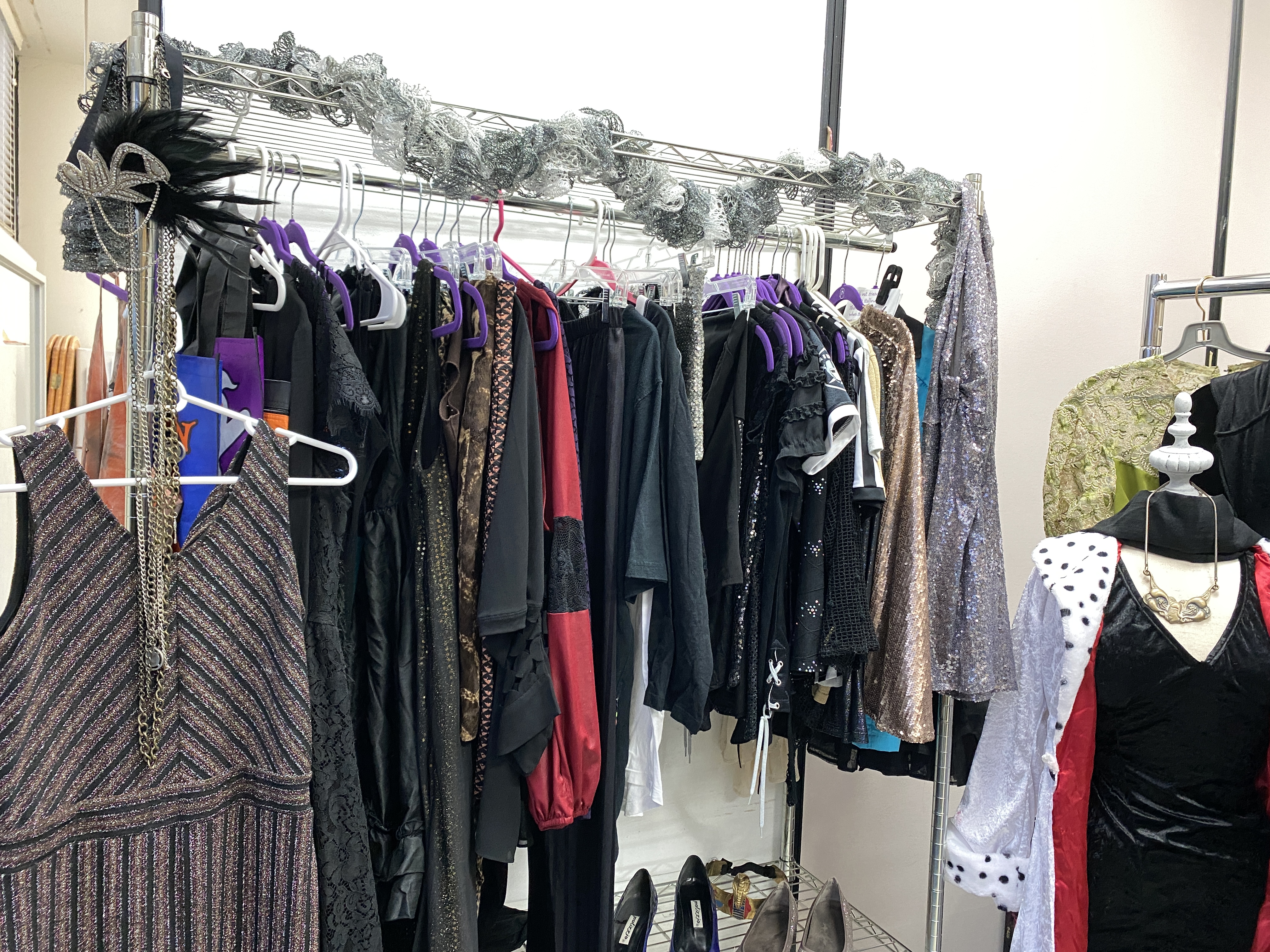
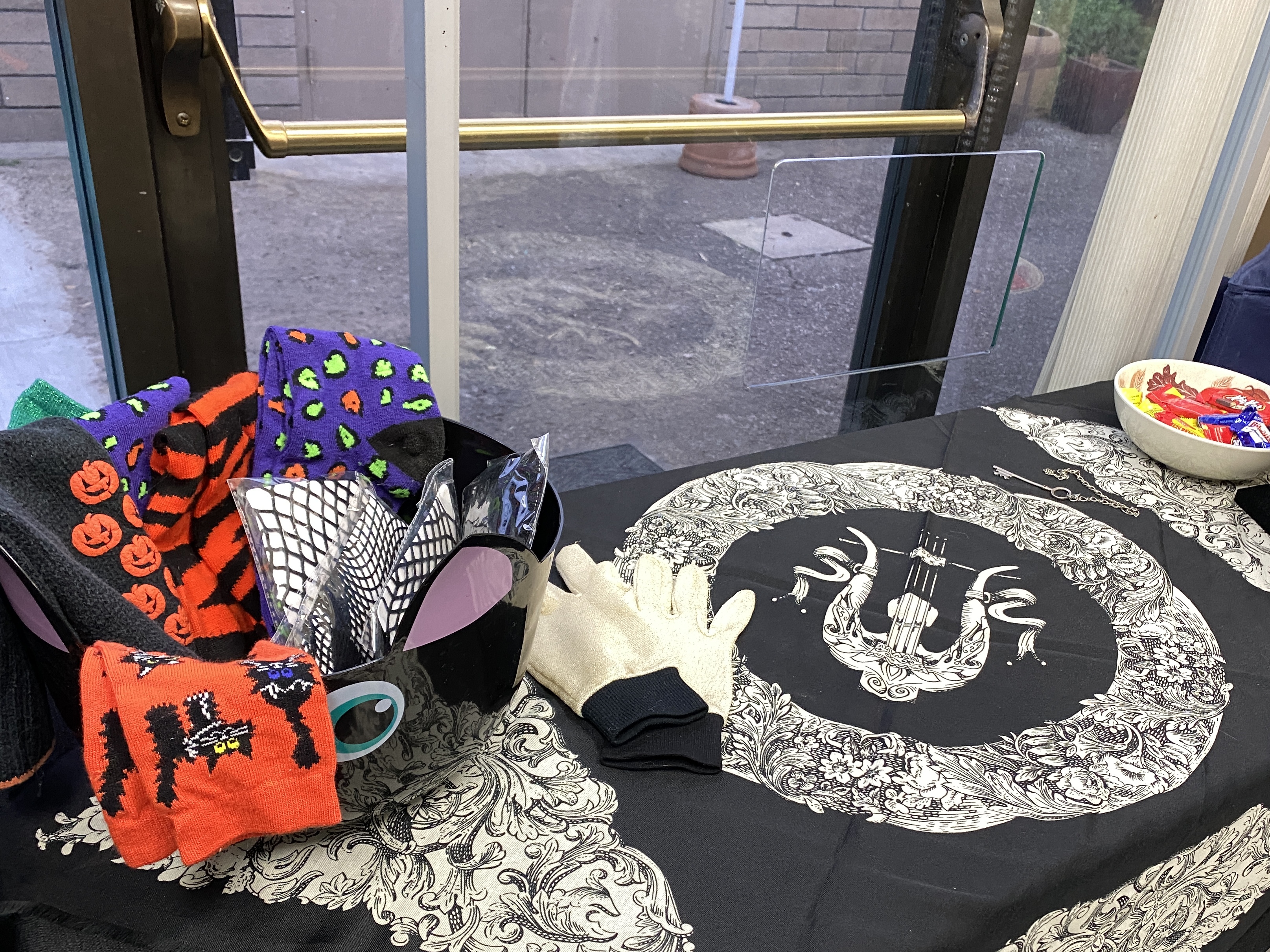
I pulled together a rack full of clothing pieces that could be used as costumes. It was a hit with our women. Living on the street robs you of so many things. Making someone smile for a few moments and letting them choose a few pieces to put something together made it fun.  I packaged candy and pretzels and passed them out the day before Halloween.

Our team of volunteers wore a simple costume that day. I pulled together a few pieces from my stash and called myself the gardening goddess. I wore my favorite broccoli earrings, a gift from a friend many years ago,  and a garland of pink satin flowers, paired with a long, green dress.

We changed our clocks today back to standard time. This Tuesday is the last day to vote. My favorite meme this week is, “Don’t forget to change your clocks on Sunday and your president on Tuesday.” I have a knot in my stomach and a horrible sense of dread, but I remain hopeful that meaningful change is finally afoot.

Poster supplied by ACLU (American Civil Liberties Union)

Here we go…

A Weary California Burns

We are all weary and exhausted, but we are doing okay.

California’s wildfires are making international news, so I wanted to let you know that we’re safe. Sadly, dozens of friends have been forced to evacuate their homes. Others are packed and ready to go at a moment’s notice. We’re all on edge waiting for the second wave of dry lightning storms later today.

Smoke and ash from the fires are creating unhealthy conditions throughout Santa Clara Valley.

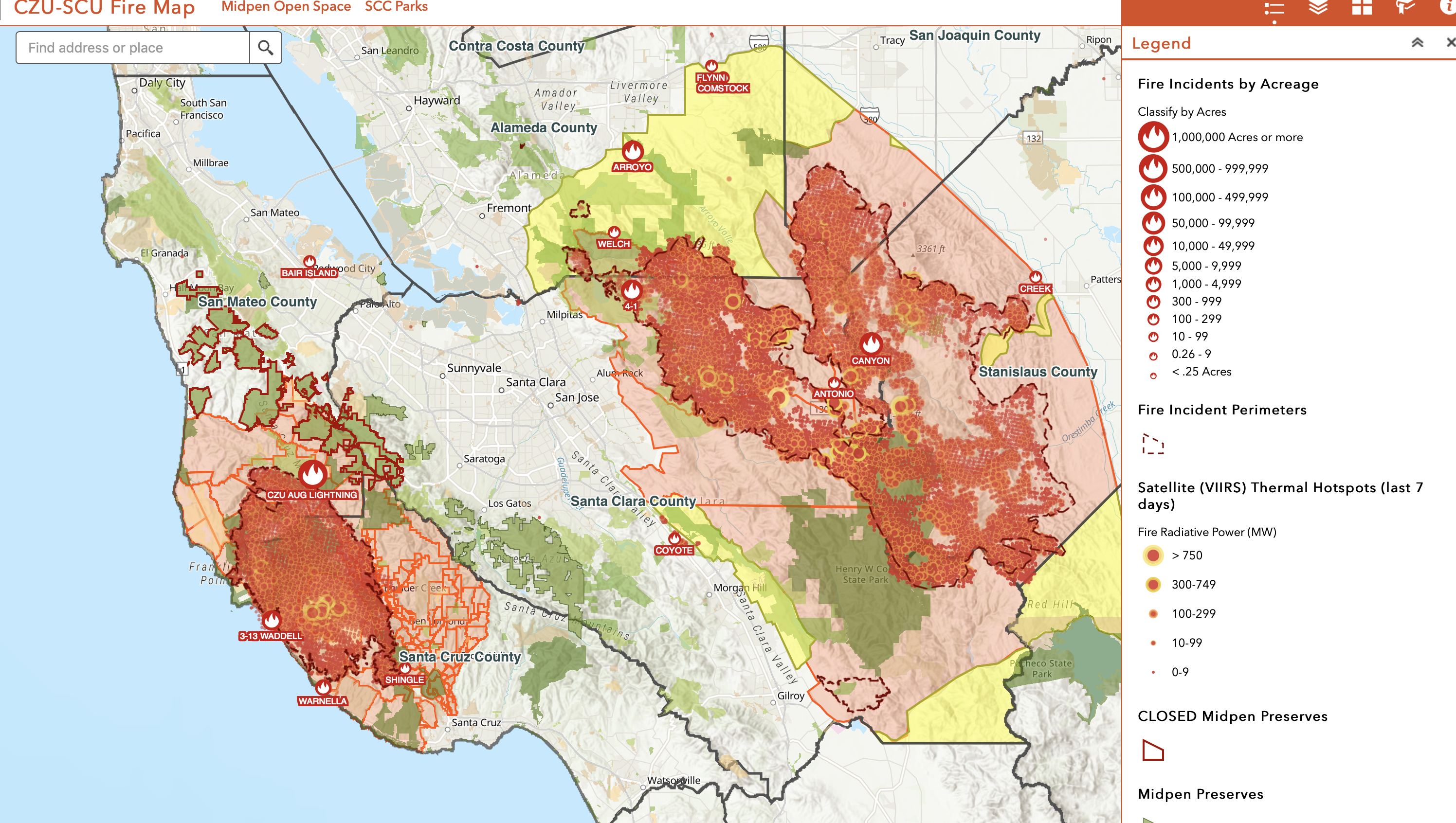
If you look at the map below, you’ll see that San Jose is sandwiched between thousands of acres of wildfires burning on both sides of the Valley.

According to the Los Angeles Times, The recent weather events are the result of three distinct meteorological phenomena combining in a way rarely seen in California:

1) The heatwave broiling the West — longer and harsher than is typical for August — was the first to arrive. It is a high-pressure system rotating clockwise over California, Nevada, and Arizona that steered hot, dry desert air over the Golden State, breaking heat records across the Central Valley.

2) Then Tropical Storm Elida off the coast of Mexico began feeding the heatwave moisture, which created instability in the atmosphere. This moisture is why so many of the wildfires burning in California recently have created towering pyrocumulus clouds, said UCLA climate scientist Daniel Swain.

3) A thunderstorm some 1,100 miles south of the Bay Area in Sonora, Mexico, sent an invisible rippling wave of uplifting pressure north through the atmosphere, where it mixed with the heat and moisture to produce hundreds of lightning strikes across hundreds of miles of the Bay Area on Saturday and Sunday. That created dozens of fires, while farther inland a tornado formed.

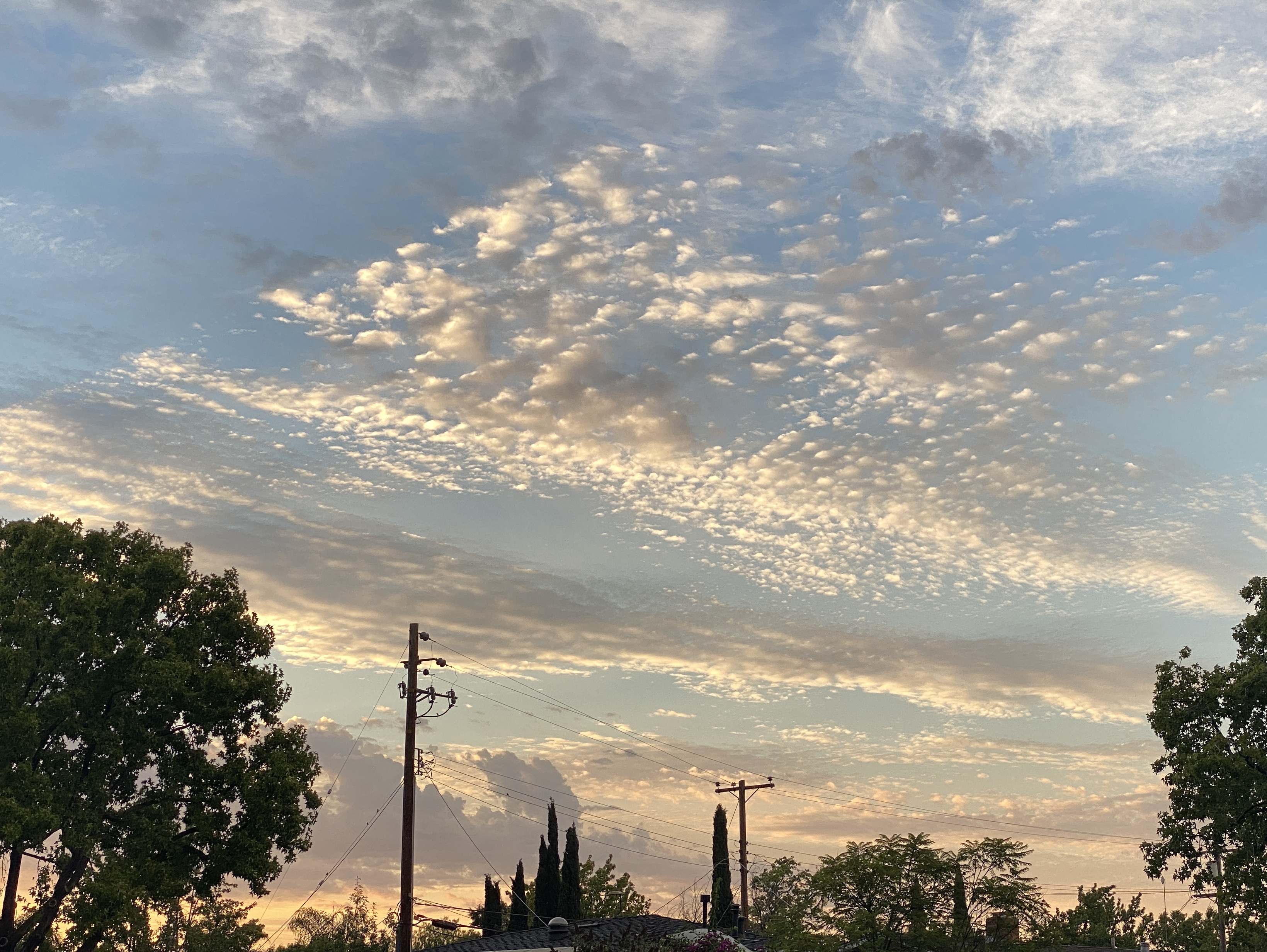
This is what the beautiful skies looked like over my neighborhood the morning after the storm.

Three days later, the skies were an eerie brown, casting a yellow tinge in the garden below.

In January, I thought that recovery from brutal foot surgery would be the hardest part of my year. I took my first painful steps in March, and within a week, Santa Clara County was the first in this country to issue a three-week order to shelter in place. We were afraid to leave the house. A once-mundane trip to the grocery store had us firmly in fear’s grip. Would a trip down the aisle for milk mean exposing ourselves to COVID-19? To paraphrase Stephen Colbert, “April was the longest ten years of my life.”

Things gradually eased, but many of us feared we were opening up too early.

In late May, a long-simmering fury over police brutality, and racial injustice, spurred by the killing of George Flloyd, lead to widespread protests and continued civil unrest.

Civil unrest: Black Lives Matter protest police brutality in San Jose

We hope to vote the current “criminal-in-chief” out of office come November, but even that is fraught with tension and fear.

Today, California burns. Ash falls in my garden, as heavy smoke permeates the air. We’re trying to stay indoors as air quality spikes to unhealthy levels.

We are all weary and exhausted, wishing this nightmare would end.

I am grateful for our relatively good health and for the safety of our home. At the same time, I’m carrying the weight of the world.

I hope you are safe and warm and loved.

Scrap Happy in Miniature

What’s a ScrapHappy post?

It’s an opportunity, or an excuse, to make something entirely out of scraps. Our host Kate, of Tall Tales from Chiconia, encourages the use of scraps to make something useful or beautiful or both.

If you would like to join us, please see the details at the end of this post.

Several years ago, I bought a beautiful felted wool birdhouse, hung it in a tree, and patiently waited for a nesting bird to make it home. How could they resist something so appealing?

The wooly nest has a small opening, soft, felted wool for warmth, and it’s even perchless to avoid predators.

I hung the cozy nest in different trees and at different heights. Year after year, nothing, and eventually, I gave up. I forgot about it, mostly. Earlier this year, I removed it from the tree, inspected it for insects, and brought it inside.

The wool was dirty and crusty from years outdoors. Even the paper wasps were indifferent. I rinsed the nest in warm water and watched years of dirt and grime fall away. My wooly nest came clean almost immediately.

In honor of ScrapHappy June, I turned the wooly nest into a fairy house.

woolen bird house

Felted wool birdhouse converted into a home for visiting fairies.

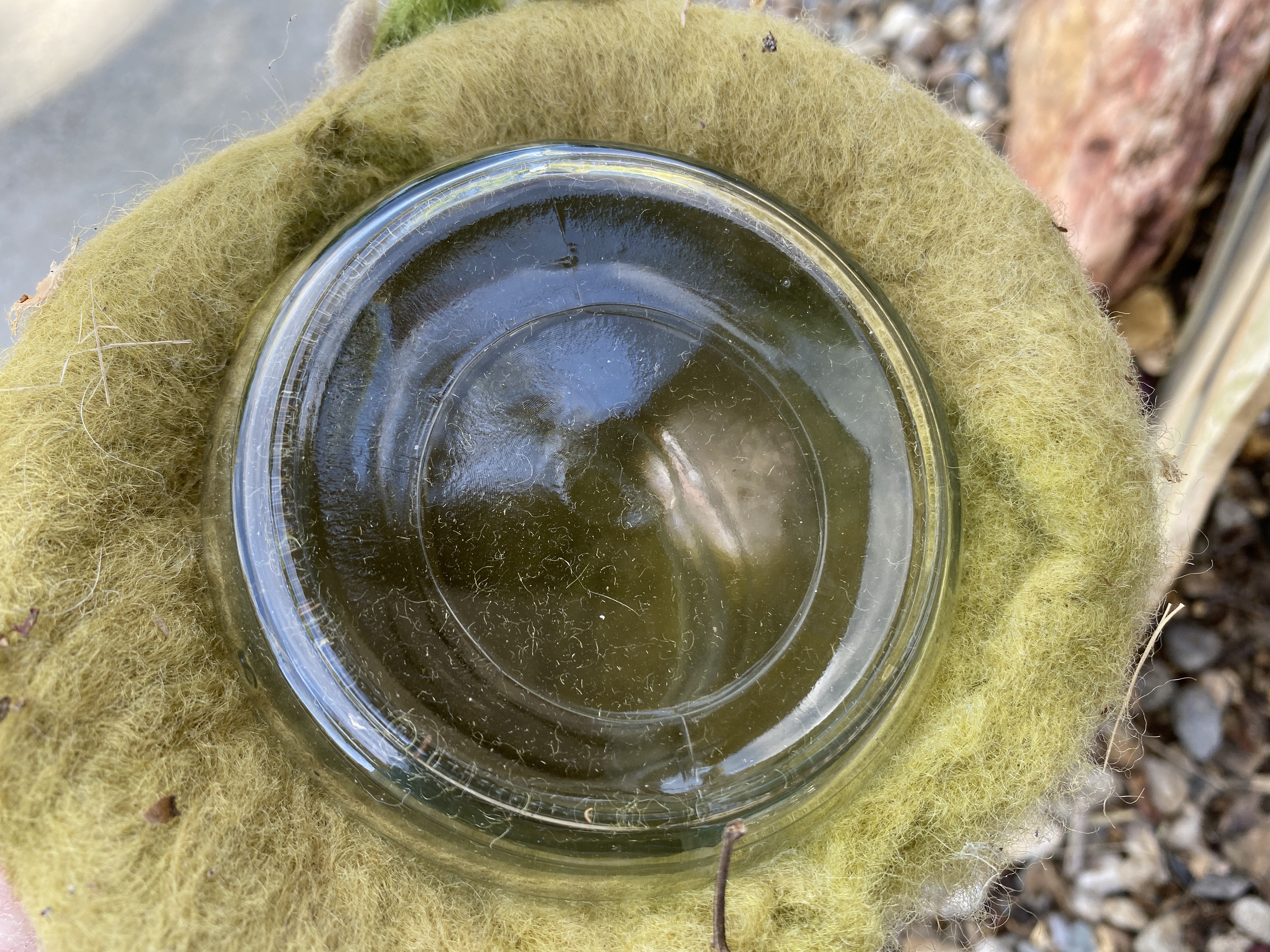
Once washed and dried, I removed the bottom stitching and inserted a glass sauce jar.

Glass jar viewed through nesting hole.

Now it can stand up on its own.

Jar inserted inside the birdhouse.

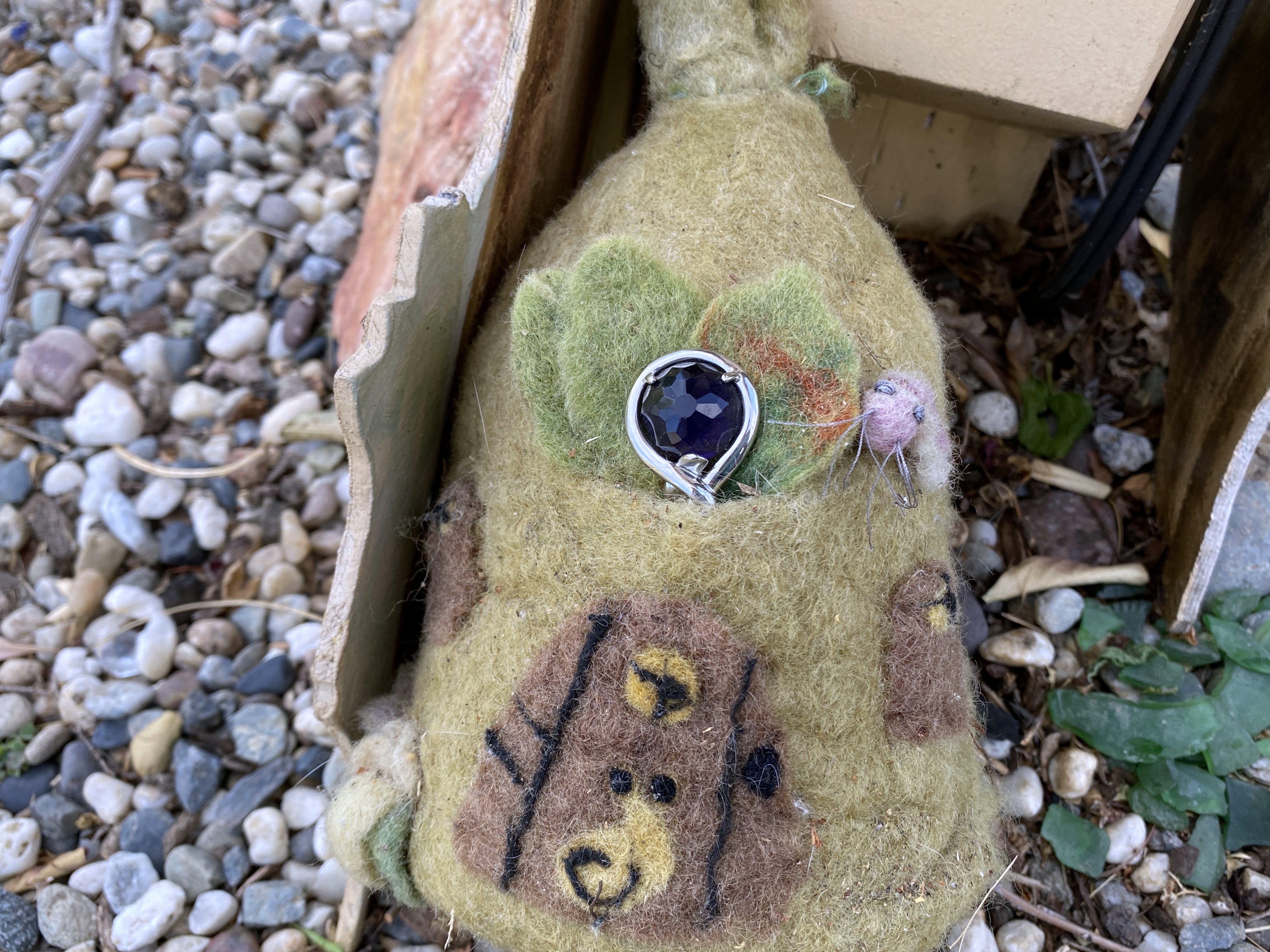
I tucked the wool leaves into the opening and added a piece of broken jewelry to make a window that a woodland faerie might enjoy.

glass jewel faerie garden window

An old piece of glass jewelry makes a superb window

The faerie house sits nestled under our Little Free Library.

Woolen faerie house sitting at the base of the faux tree.

My second scrappy project this month involved revitalizing a miniature version of a Little Free Library. The little, LFL is made from a cardboard box, with matchbook covers and toothpicks inside to form books. Twice, the heavy winds sent the miniature library tumbling through the yard. I knew sturdier measures were in order.

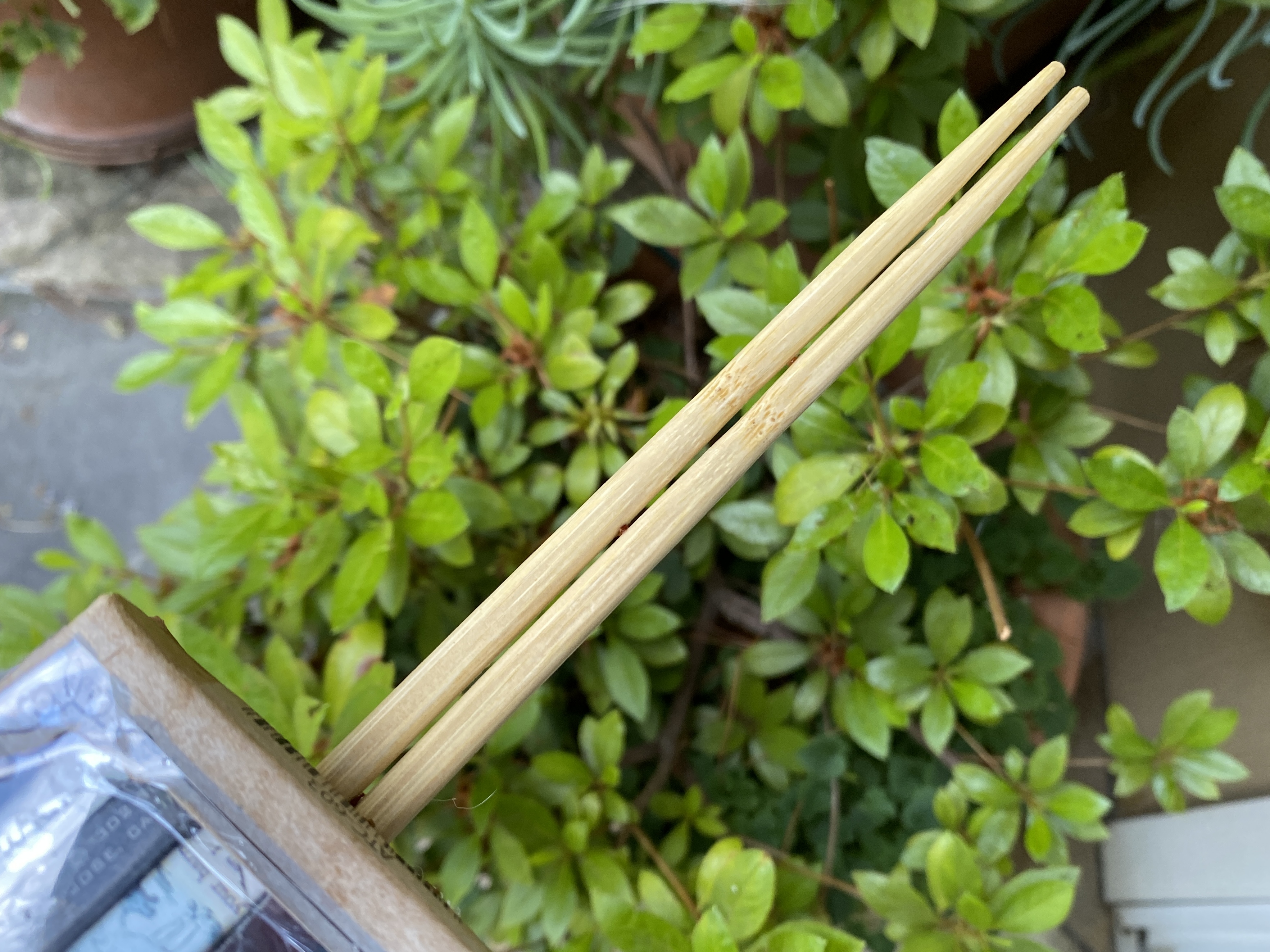
I employed a pair of joined wooden chopsticks that could be plunged deep into the soil, but they looked too new and shiny. I rubbed the sticks with the contents of my morning Roobios, and that did the trick.

chopstick legs

I used chopsticks to make legs for the miniature LFL.

chopsticks stained with tea

My morning tea leaves made a lovely stain.

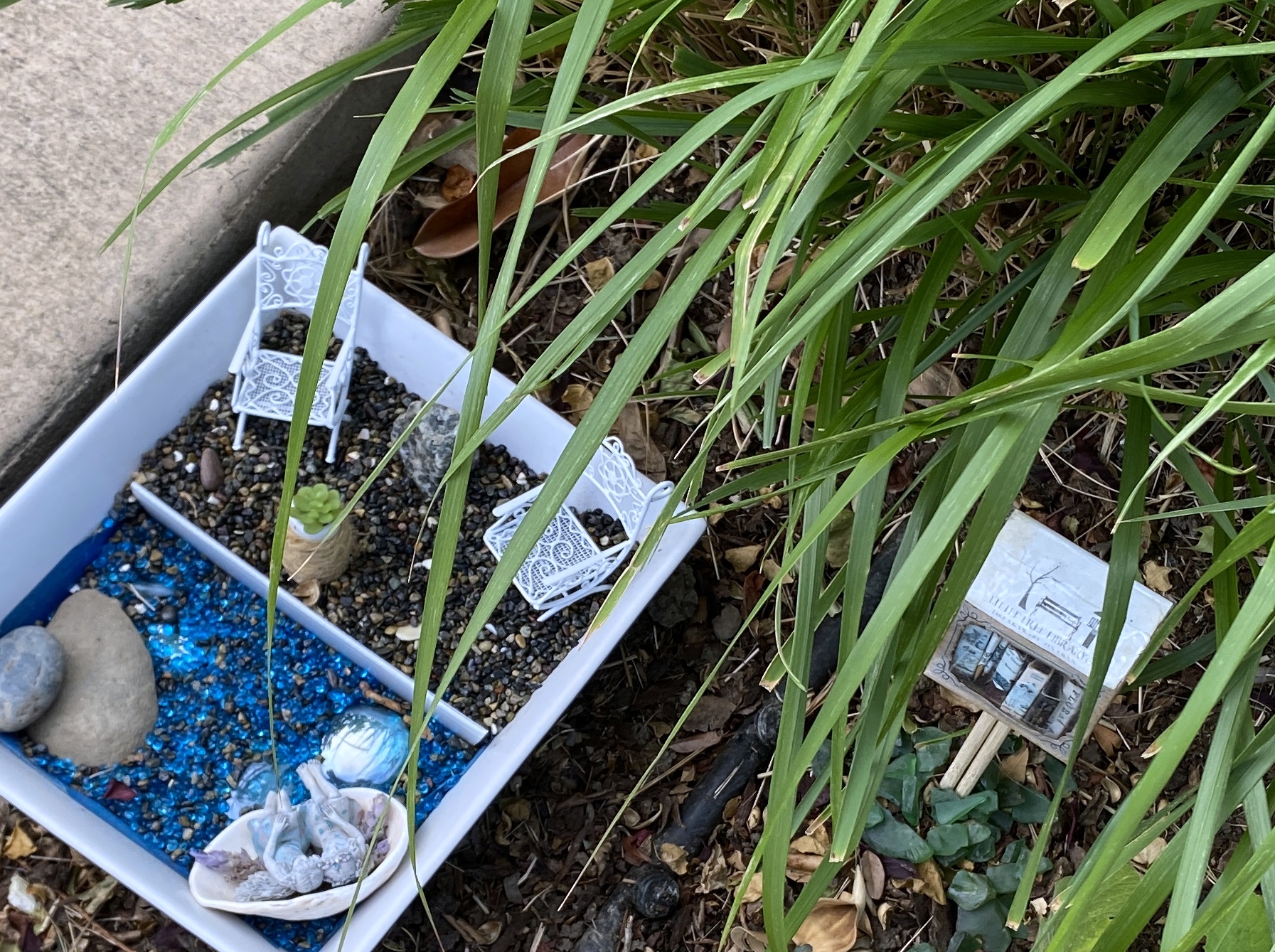
The wee Little Free Library is in the shadow of the larger one, staked firmly into the ground. If your line of vision is in sync with your imagination, you can spot it from the sidewalk.

Refurbished miniature LFL.

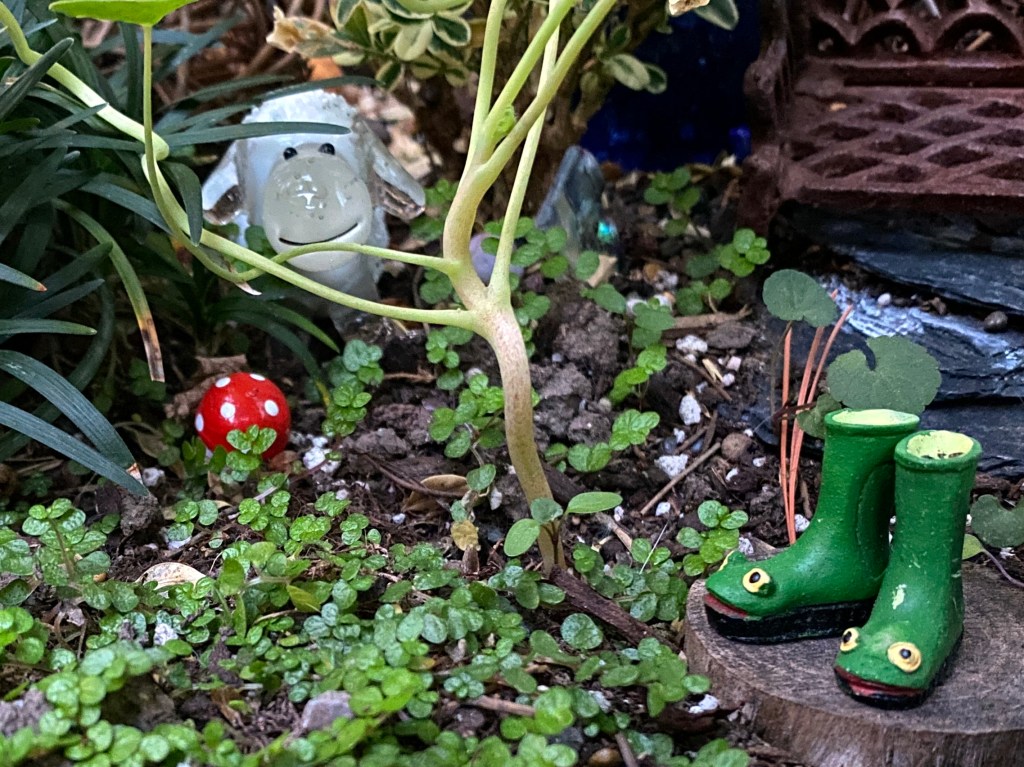
Faerie’s can grab a book from the miniature LFL nearby.

As seen from the walkway.

I love repurposing items into something fun and whimsical. Creating from scraps is both challenging and rewarding, not to mention relaxing. I highly recommend it.

Check out the links below on June 15, 2020, to see the other scrap-happy posts.

KateGun, TittiHeléneEvaSue, Lynn, Lynda,
Birthe, Turid, Susan, Cathy,  Tracy, Jill, Claire, Jan,
Moira, SandraLindaChrisNancy, Alys, Kerry, Claire, Jean,
Joanne, Jon, HayleyDawn, Gwen, Connie, Bekki, Pauline,
Sue L, Sunny, Kjerstin, and Vera

Scrap Happy Faeries Relax at the Lake

What’s a ScrapHappy post?

It’s an opportunity, or an excuse, to make something entirely out of scraps. Our host Kate, of Tall Tales from Chiconia, encourages the use of scraps to make something useful or beautiful or both.

If you would like to join us, please see the details at the end of this post.

This ceramic container is the base of a former cat fountain. It seemed like a good idea at the time, but it was a pain to keep clean. It needed a new filter once a month, and it was heavy to pick up when it was time to transport it to the kitchen.

Our three kitties now get water from several glass bowls, except Tessa, who waits for a running faucet. Mouse prefers the water draining from Mike’s morning shower. Cats!

So this…

Once upon a time: a former ceramic cat water fountain

Empty container, only three-inches deep

…became this.

A quiet retreat in miniature

I couldn’t bear to throw out the container. I started with the idea of a small garden, but the dish is too shallow. Instead, I created a miniature lake-side retreat for imaginary faeries.

I lined the container with blue painter’s tape. In retrospect, I’m not sure it made much of a difference, as the bottom doesn’t show through. I cut a piece of plastic packaging into a wedge, dividing the container into two. The wedge is held in place with more blue tape.

Container lined with leftover blue painter’s tape

A scrap of stiff plastic divides the container

A few more blue pebbles would increase the depth, but scrap happy is all about using what you’ve got on hand. Instead, I used leftover glass vase filler to create volume. I sprinkled smaller blue pebbles on top. A couple of smooth rocks from my garden act as stepping stones into the cool, blue retreat.

The other side of the container started with medium-sized pebbles, graduating to small gravel (think sandy beach). I’ve used these tiny pebbles to mulch my potted succulents.

Protruding ceramic opening wrapped with leftover jute

A mix of New Zealand seashells adds charm to the pebble beach. Those seashells flew home with me from a fabulous New Zealand holiday two years ago. They continue to remind me of a spectacular holiday as well as time with dear friends.

I added a scrap of jute twine to the tube-like opening on the gravel side of the retreat. It once housed the cord for the fountain’s pump.

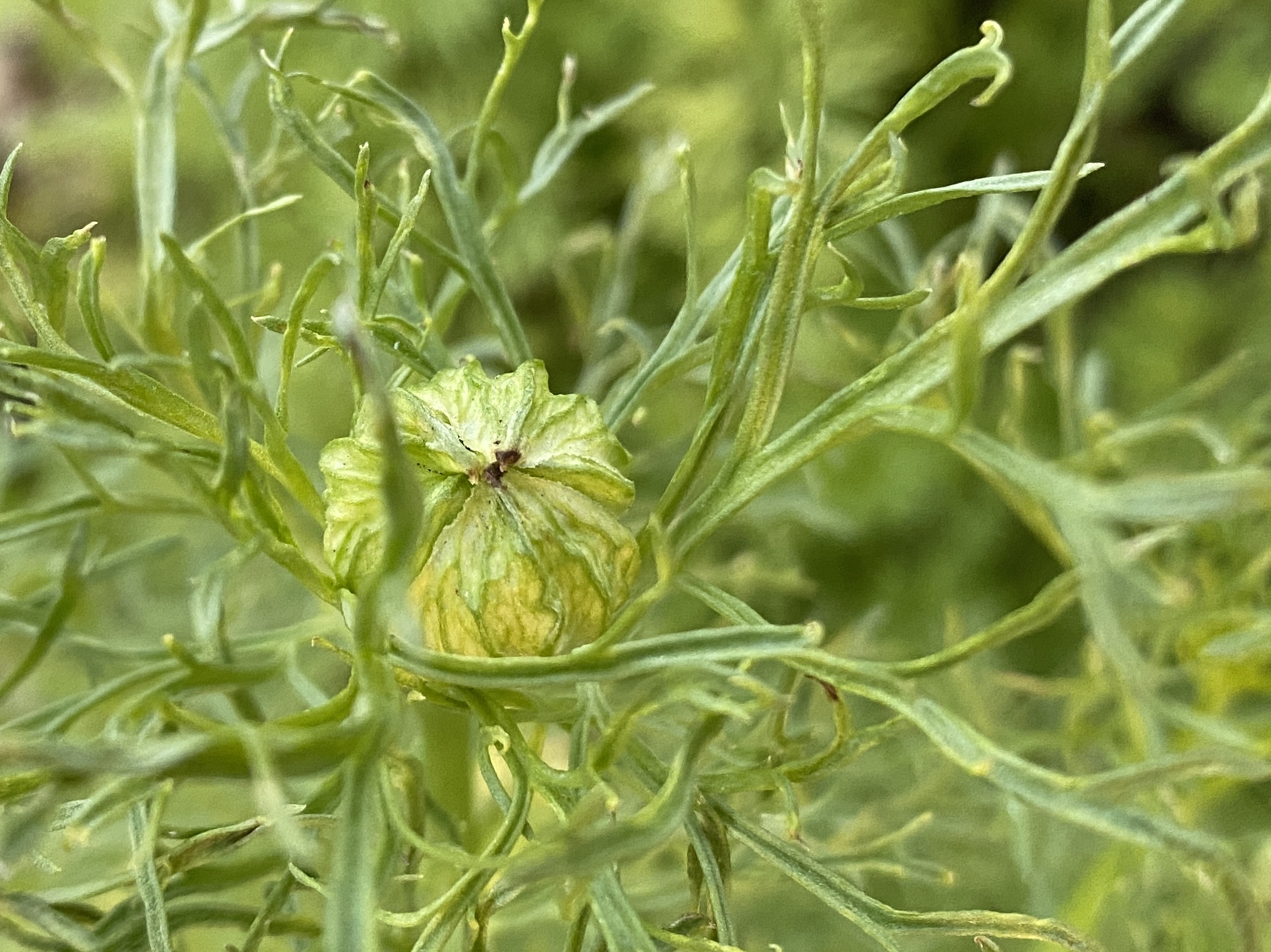
Rounding out this faerie retreat are three flowering nigellas. They make perfect, faerie-sized parasols, for sheltering from the sun. Nigella seed pods remind me of a few broken umbrellas with spokes still attached, so I placed the pods in the tube for interest.

Faerie sisters enjoying the view.

Nigella blooms make perfect parasols.

These wee faeries sit on a cushion of French lavender, sharing secrets and tossing their cares to the wind.

It’s been a while since I channeled my inner faerie gardener. It’s been so much fun.

Check out the links below on March 15, 2020, to see the other scrap-happy posts.

KateGun, TittiHeléneEvaSue, Lynn, Lynda,
Birthe, Turid, Susan, Cathy,  Tracy, Jill, Claire, Jan,
Moira, SandraLindaChrisNancy, Alys, Kerry, Claire, Jean,
Joanne, Jon, HayleyDawn, Gwen, Connie, Bekki, Pauline,
Sue L, Sunny, Kjerstin, and Vera

Serendipity: Wish You Were Here

How’s this for serendipity: While visiting a vintage shop in San Jose, I stumbled across this postcard.

Mike Roberts iconic photograph of the San Francisco Bay Bridge

Postcard: Mike Roberts photograph of the iconic San Francisco Bay Bridge

The reverse side of postcard | Sunset, San Francisco Bay Bridge

To the average viewer, it’s unremarkable. The card is a reproduction of a photograph of the San Francisco Bay Bridge. Photographer Mike Roberts photographed the bridge multiple times in order to capture this shot. He published the photo in September 1959, five days before I was born.

My family moved to the US in November 1966, and a year later my father painted this oil on canvas. Dad died in 1969.

My dad Eric Milner’s oil painting, painted in 1969, two years before he died

Stumbling across the postcard literally stopped me in my tracks. My heart did that strange flutter as I tried to make sense of the photo. I realized at that moment that a small piece of unknown history grazed my fingertips. The postcard photo had been my father’s muse. I never knew.

Returning home with my friend Kelly, we jumped online and looked up Roberts and his work. From there I discovered this book

book cover Wish You Were Here

Wish You Were Here: Mike Roberts | The Life and Times of America’s Postcard King | by Bob Roberts

Mike Roberts was working on a memoir when he died in 1989. According to his son, Bob:

…yellow Kodak boxes snoozed in my basement for twenty years. For reasons financial, literary, and personal it took twenty years to pull together the pieces of Wish You Were Here. The words and photos were rummaged from his early musings, classic transparencies, and drafts. The rest of the story springs from our family, his friends, media accounts, and those yellow boxes. Enjoy! – Bob Roberts, March 2015

A page from Robert’s book describing the photoshoot

Title page of Mike Roberts book purchased used online

Here’s one more bit of serendipity. While thumbing through my husband’s family photos, I came across this snapshot. Check out the art on the wall!

My husband Mike’s family gathered in front of a painting of the Bay Bridge, circa the 1960s | Mike is wearing the burgundy shirt, lower left

I’ve loved reading about Mike Roberts’ life and work. I appreciate his incredible artistry and his love of the humble postcard. Most of all, I’ll never tire of those serendipitous moments in time, when a daughter stumbles upon an old postcard, bringing forth a snapshot in time.

I wish you were here.

A Month into Spring

Time may be a social construct, but Spring arrives reliably year after year. Paper calendars are optional.

Welcome rain for a parched garden

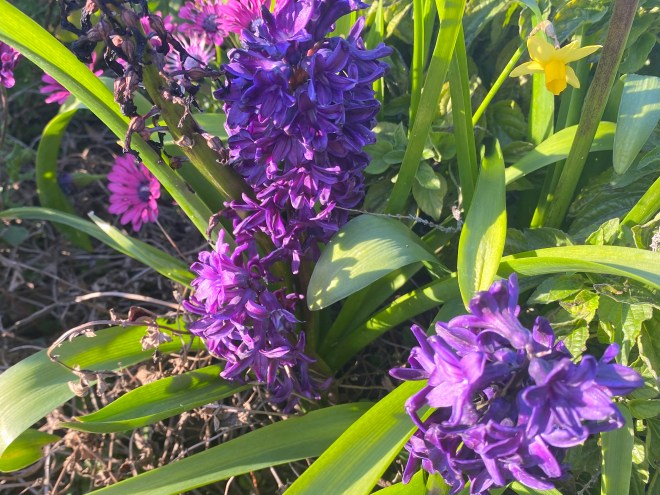
The first bulbs emerge in February, a little pre-season treat. In our garden, that means hyacinth and once-upon-a-time, crocus. I haven’t noticed the crocus in recent years, but given their small size, they may simply be growing out of view.

Pink hyacinth

Soon the narcissus follows, bright and showy and strong.

Harbingers of spring: Yellow Daffodils

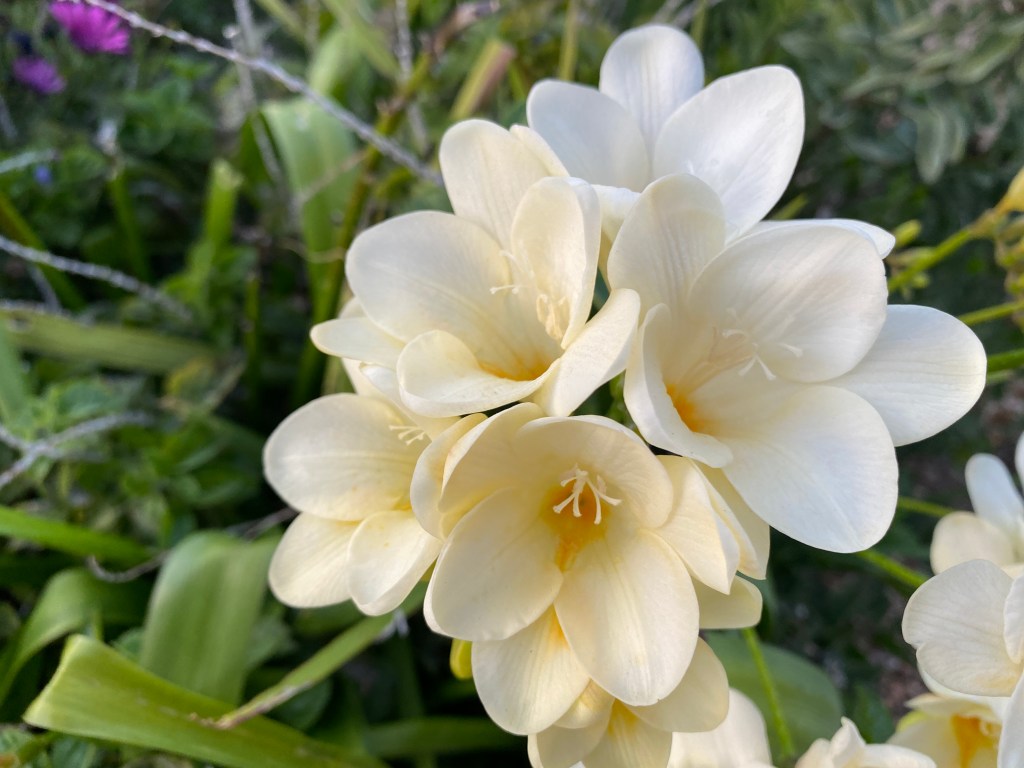
Freesias are my new favorite. They multiply year after year, adorning the garden with an assortment of color and an intoxicating scent. I planted one assorted packet several years ago, and have reaped the reward of purples, reds, pale yellows, and the prolific whites. They dazzle our passersby from the curb garden and along the curving ramp to our front door.

A trio of colored Freesia

Brilliant white Freesia

As the flashy bulbs finish for the season, perennials carry on with the show. Bright pinks, lavenders, and yellows contrast against the ever-present greens.

Dark pink azalea

Azalea close-up

Pale pink Azalea

Shiny new growth emerges on all the plants like a chick from an egg, small and tender at first, then vital and strong.

It’s not all fun and games. The weeds emerge, even with our meager rain, opportunistically growing beneath the established ground cover. They grow parallel to the lacy foliage of the California poppy, perhaps thinking I won’t notice.

They’re no match for this gardener.

As I hobbled to and from the car earlier this year, I would bend down and pluck one or two weeds. Now that I’m fairly mobile, I’m methodically clearing them from the garden.

The worst of the weeds gather near the curb, so I sat on the pavement there and got to work.

Over a few weeks, I worked my way down both sides of the drive, around the raised bed known as the curb garden, and then finally into the main garden.

Front Garden

Getting lost in thought as I pull weeds and tidy the beds is wonderfully therapeutic. It helps keep the worrying thoughts at bay. I hear bird song from the trees. I try to count bees, smiling to myself when I lose track. An abundance of bees is essential for our survival. My garden is content to do its part.

Garden Gallery:

Occasionally a lizard darts out of its hiding place and they always give me a start. They too are a gift to the garden, so as my nervous system relaxes, I count my many blessings and carry on with my day.

To plant a garden is to believe in tomorrow. – Audrey Hepburn