A Scurry of Baby Squirrels

Did you know that a group of squirrels is a ‘scurry’? I had to look that up. A ‘dray’ of squirrels is also correct, but scurry fits the bill.

baby squirrels in box

Chip and Dale: A Twosome

Late last year a friend put me in touch with a squirrel rescue group, Injured and Orphaned Wildlife.  They take in orphaned squirrels and care for them till they are ready to be released into the wild. They’ve called me twice to make arrangements to release the squirrels in our back garden. They want to re-release the squirrels into neighborhoods with established squirrel populations. Yup, we qualify!
squirrel nesting box

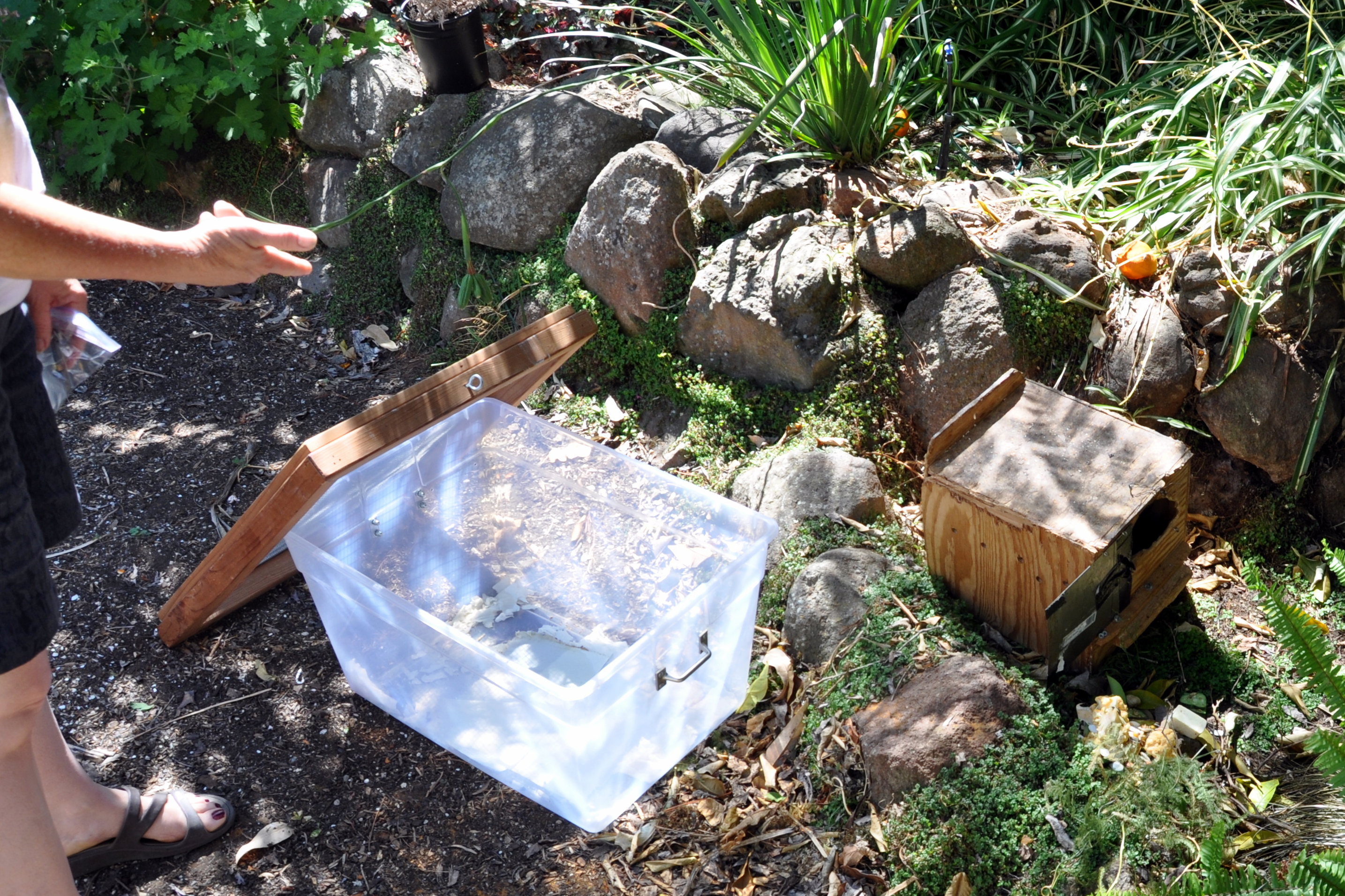
Ann arrives with the nesting box

Ann came by Saturday morning and left a nesting box of six young squirrels. The first two darted out of the box and raced up the tree and over the fence. I watched for a while from our bedroom window. One of the squirrels left the box and ran up the fence, but the cat netting (a barrier we use to keep our cats safely inside the fence) confused him. Instead of running along the fence to freedom, he froze in place…for over ten minutes. Poor little thing.

squirrel hanging on to fence collage

I’m not budging till it’s safe

The remaining two or three kept us entertained all afternoon. They poked their heads out of the box, then jumped out. Back in they went, then out again.
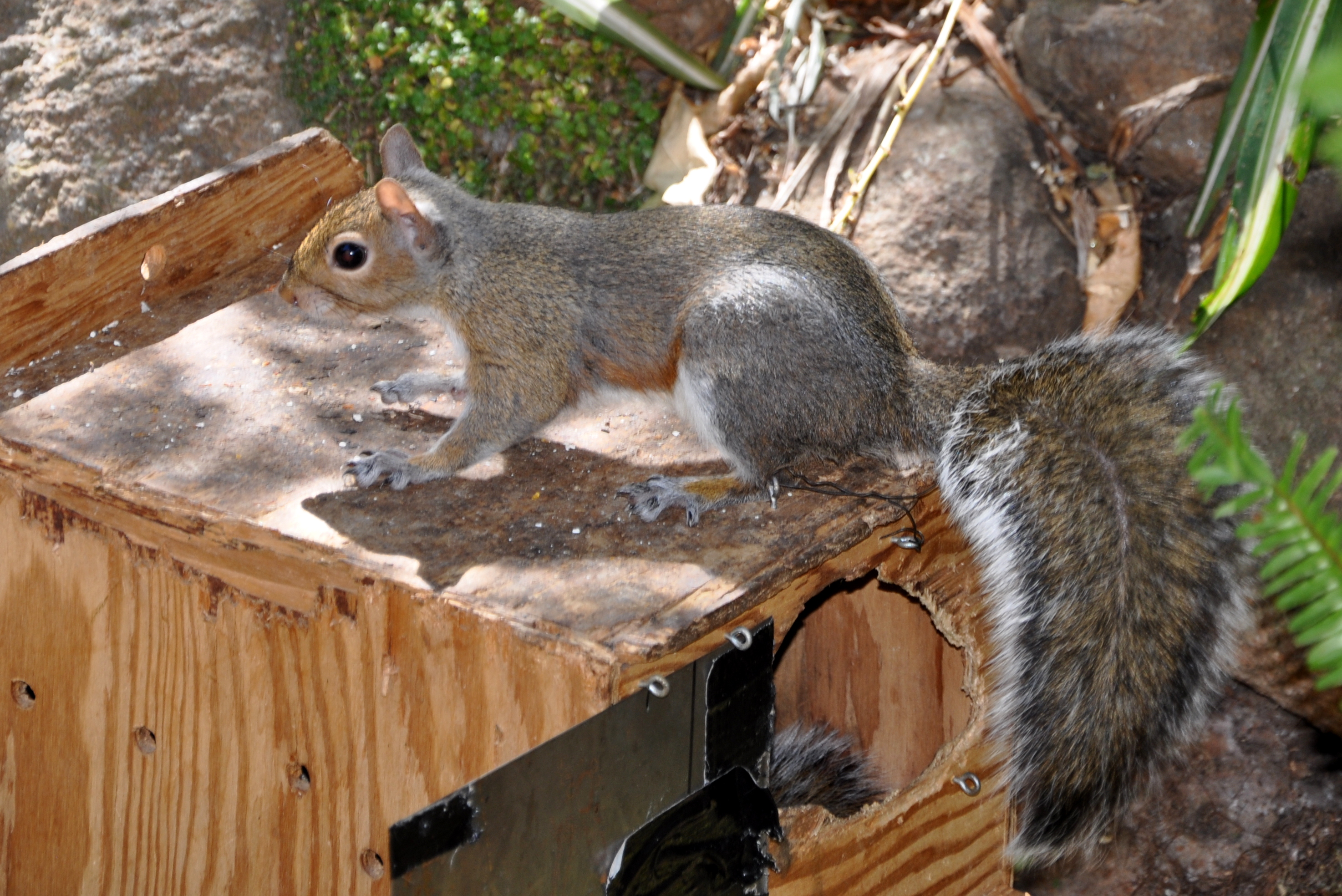
squirrel on top of box

Finally, the braver of the two (or three, it was really hard to tell) climbed up the side of the compost netting, into the orange tree and up to the top.

squirrel in garden

I’ll just be on my way

By dusk there was only one squirrel left in the box and he didn’t want to leave. Ann said to bring the box off the ground once it got dark, so I moved him to higher ground and faced the box toward the fence. That seemed to be all he needed to leave his wooden home, and off he went exploring the garden.

We have hundreds of photos and video of these squirrels. I’ve pared it down to a respectable number to share. I feel like a first time mom hanging on to every precious little picture of her offspring.

squirrel eating cucumber

Nom-nom-nom…Ann brought some cucumber
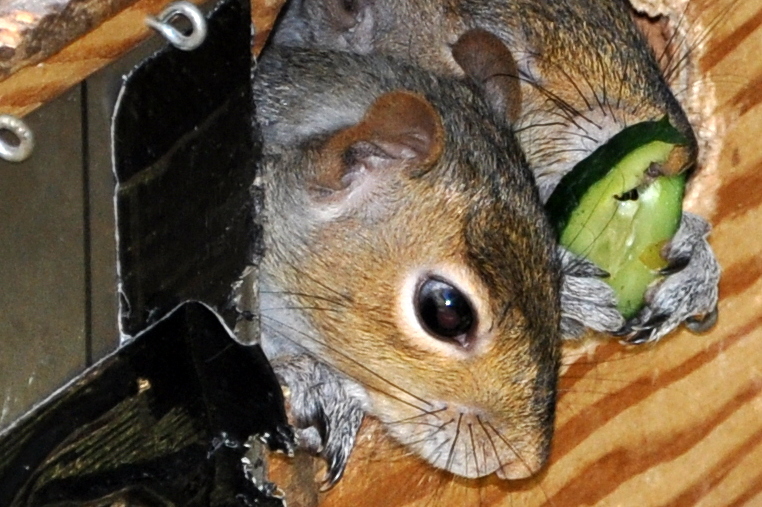
squirrel eating cucumber in box

Bashful? Hiding behind a slice of cucumber

I’m also a little worried. These squirrels are used to people, though their rescuers do their best to keep them ‘wild.’ One of the six squirrels, however, is brave. Too brave. I’ve startled him twice (both times eating tomatoes) and he just glanced in my direction. He was breathing heavily, but he didn’t run away. I hope that part of it is simply the folly of youth. It’s not that I want them to be afraid of us, just that I know they need a certain savvy to make it in the wild.

In any event, all eyes were on the garden this weekend as we peered through windows and doors and occasionally ventured outside.  For the second time in a month I’ve had the enormous pleasure of interacting with nature. It’s extraordinary.

Just for Fun:

Mike propped his iPhone between two books and set the camera to time-lapse. This 28 second video is actually 28 minutes in real-time. No sound, just half a minute of crazy fun.

Ho, hum, hot!

I’m a seventies gal. That is to say that I prefer temperatures hovering around 72 degrees with a slight breeze. I have British Aisle genes and a California address. Now that we’re approaching the hottest months of the year I must hide from the heat and sun. Tomorrow’s forecast: 101°F (38°C).

Gardening used to happen at the end of the day when I could safely venture back outdoors. As we settle uncomfortably into year four of the California drought, not much gardening is happening at all.

Planting pots with annuals on the deck and porch has long been a favorite ritual. This year I emptied all but a few pots, and planted what remained with succulents. They don’t need much watering, perhaps just once a month, but they don’t need much care either. Part of the joy of gardening is watching new growth, pinching back leaves, dead-heading flowers and making tiny bouquets. It’s fun to see an annual double in size over the course of the summer. This year I’m forgoing that tradition.

What remains of the lawn resembles a bed of straw. I’m happy to see the lawn go, but had hoped that by now we would have our native plants in place. I met with a designer in April who promised a two-week turnaround, but as we approach July we remain in limbo. I’ve completed the landscape rebate program application but I can’t submit it until I have both the list of plants and the specific irrigation components for the rebate.
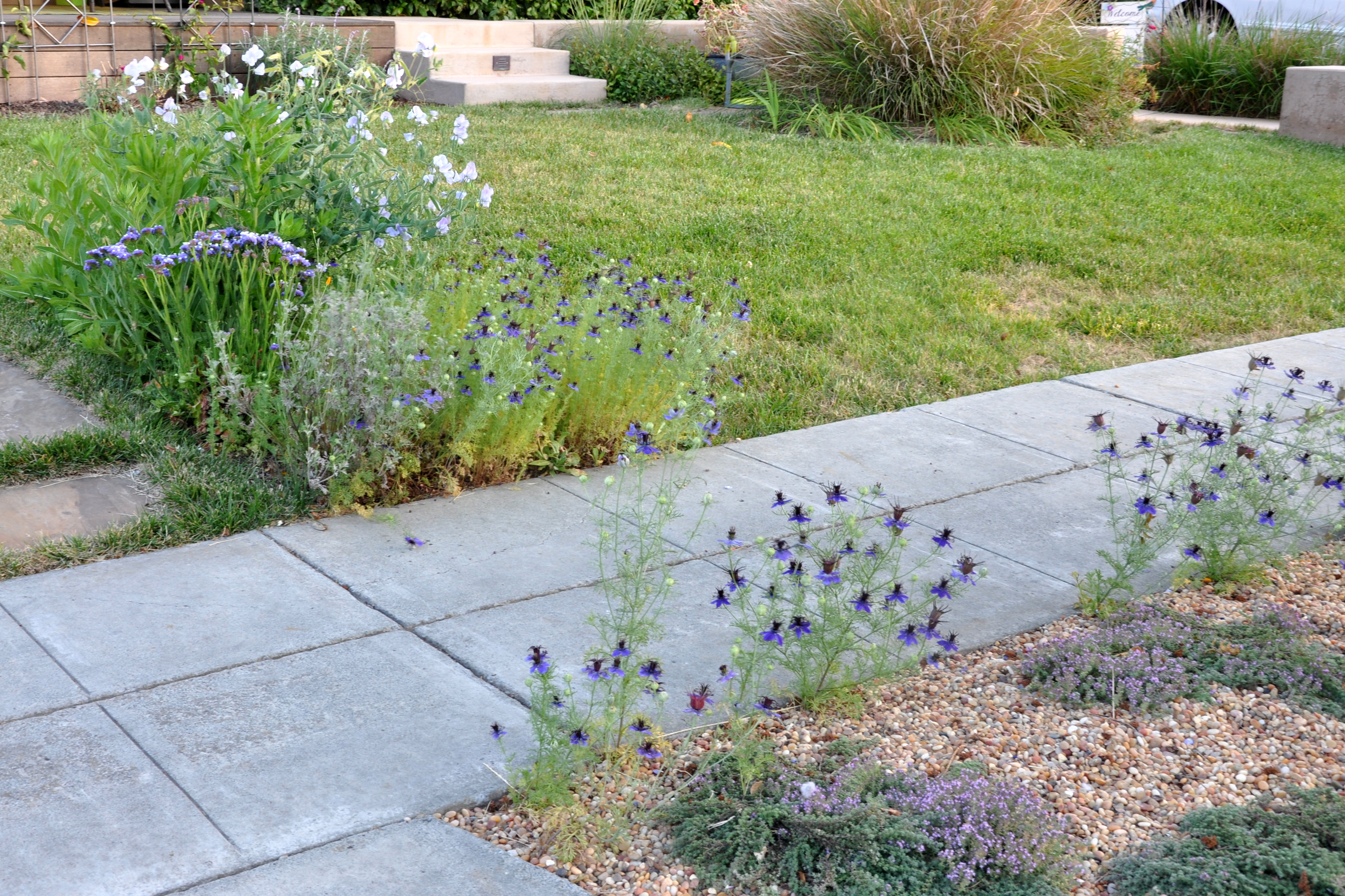
drying grass

Drying grass, dead sweet peas

DSC_0189

The Statice likes the dry conditions and attracts butterflies. The sweet peas are a different story.

In the back garden, I sheet mulched half of the lawn thinking I would replant this spring. That too is in limbo, awaiting plans. For now that area is a patch of brown, albeit fertile soil.

drought garden

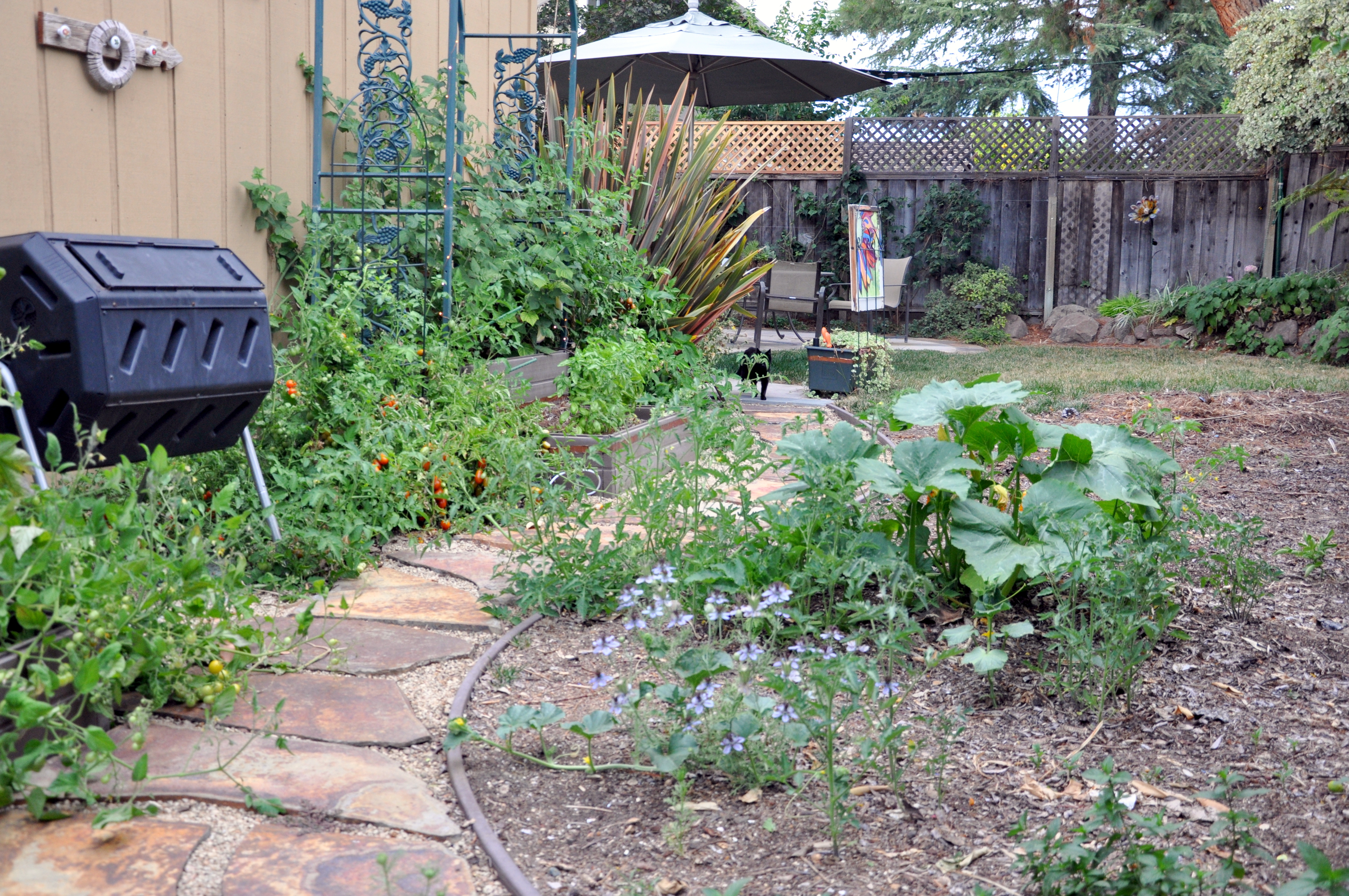
Half lawn, half dry patch, and an all-volunteer tomato crop

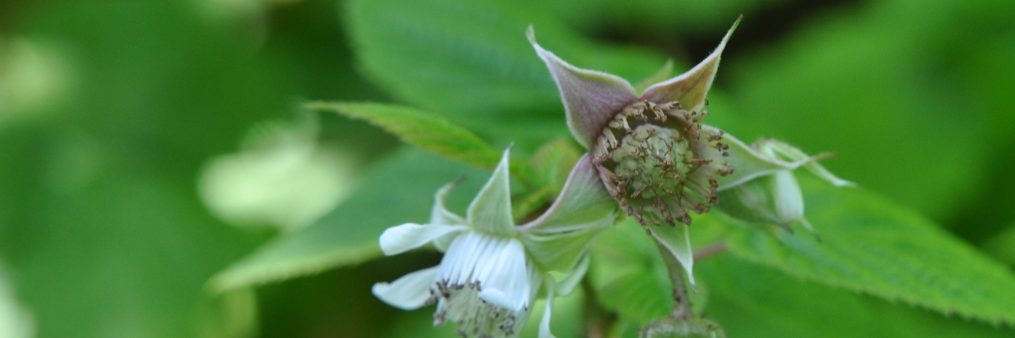
I didn’t plan a vegetable garden this year either, other than the raspberry vines that come back time and again without fuss. With no effort on my part, three tomato varieties self seeded: one grew under the Acer, several in the gravel surrounding the rotating compost bin and a few in the actual planting boxes. Mike added a drip line, so we could eek out some drops at the roots.

three tomato collage

Self-seeded tomatoes

A few weeks ago more tomatoes popped up in the patch of former lawn. They seem to be surviving without any water, something that doesn’t seem possible. I scratched the surface of the soil and it remains dry at least an inch down. The plants must be getting by on morning dew and perhaps some ground water. Amazing.

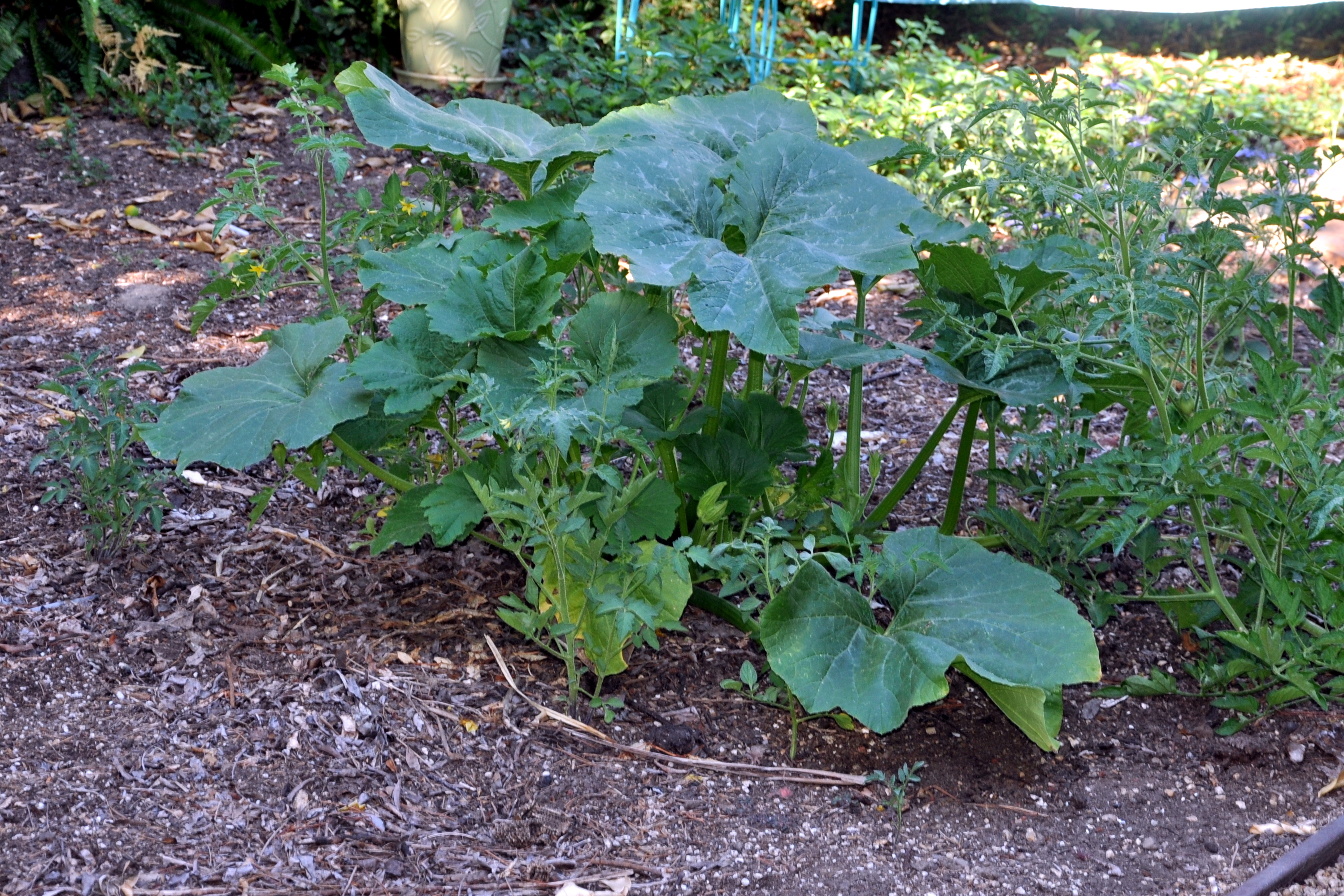
In the same sea of dirt stands a single pumpkin, ringed by several tomatoes. The plant’s leaves droop in exhaustion at the end of each day, and I whisper my understanding. I head to the swing and enjoy the green that remains while longing for a refreshing downpour.

self planted pumpkin and tomatoes

A pumpkin or squash surrounded by tomato plants

It’s survival of the fittest out there under the hot, dry early summer sky. Indoors this seventies gal needs to improve her attitude.

It’s What’s for Dinner if You’re a Worm

Boy that title has a lot of apostrophes. I hope I got them right. I’m guilty of overusing’ them when’ they’re’ not really necessary.

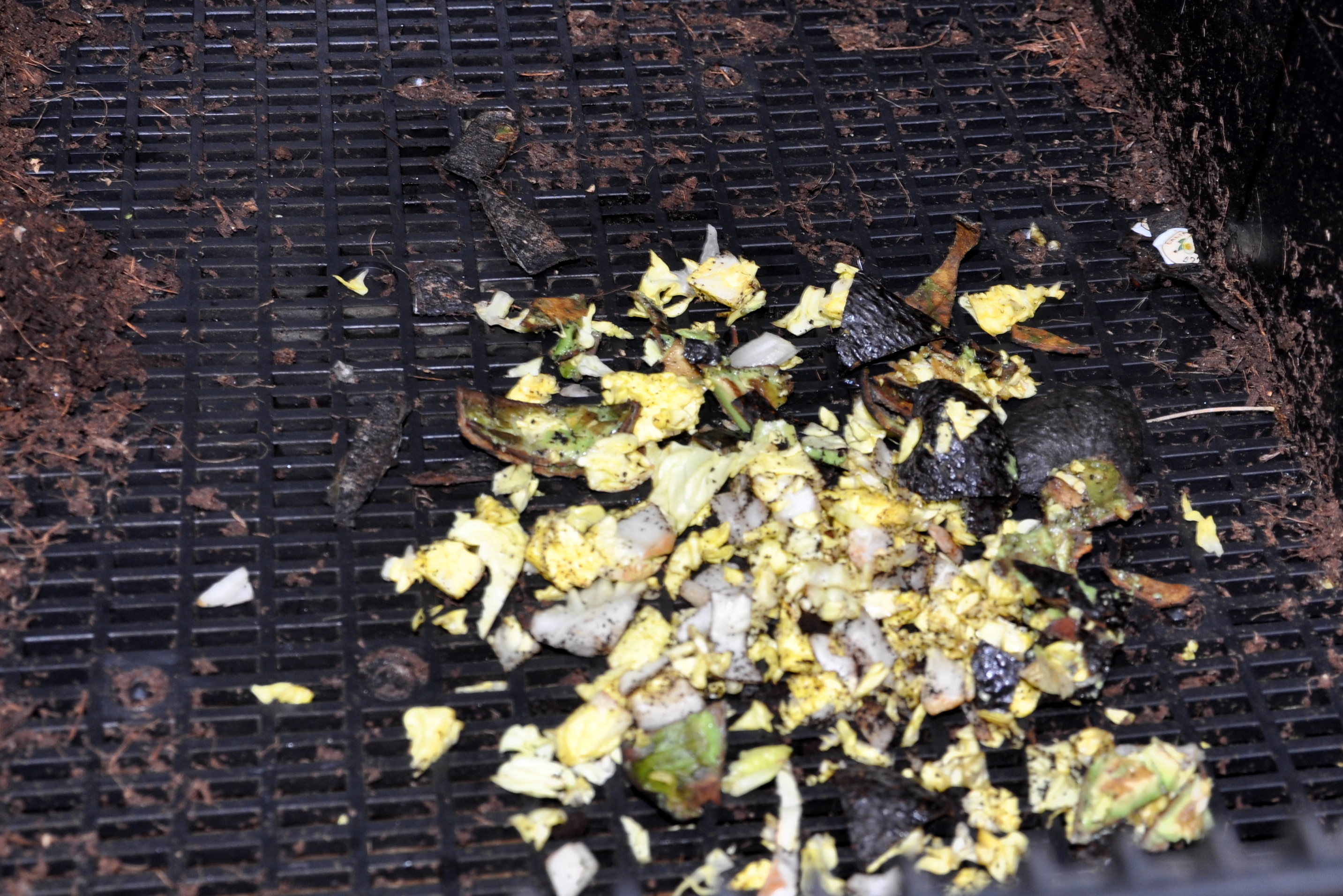
Okay, that was a little distraction before I present you with this first picture: it’s what’s for dinner in the worm bin.

kitchen scraps for the worms

Kitchen Scraps for the Worms

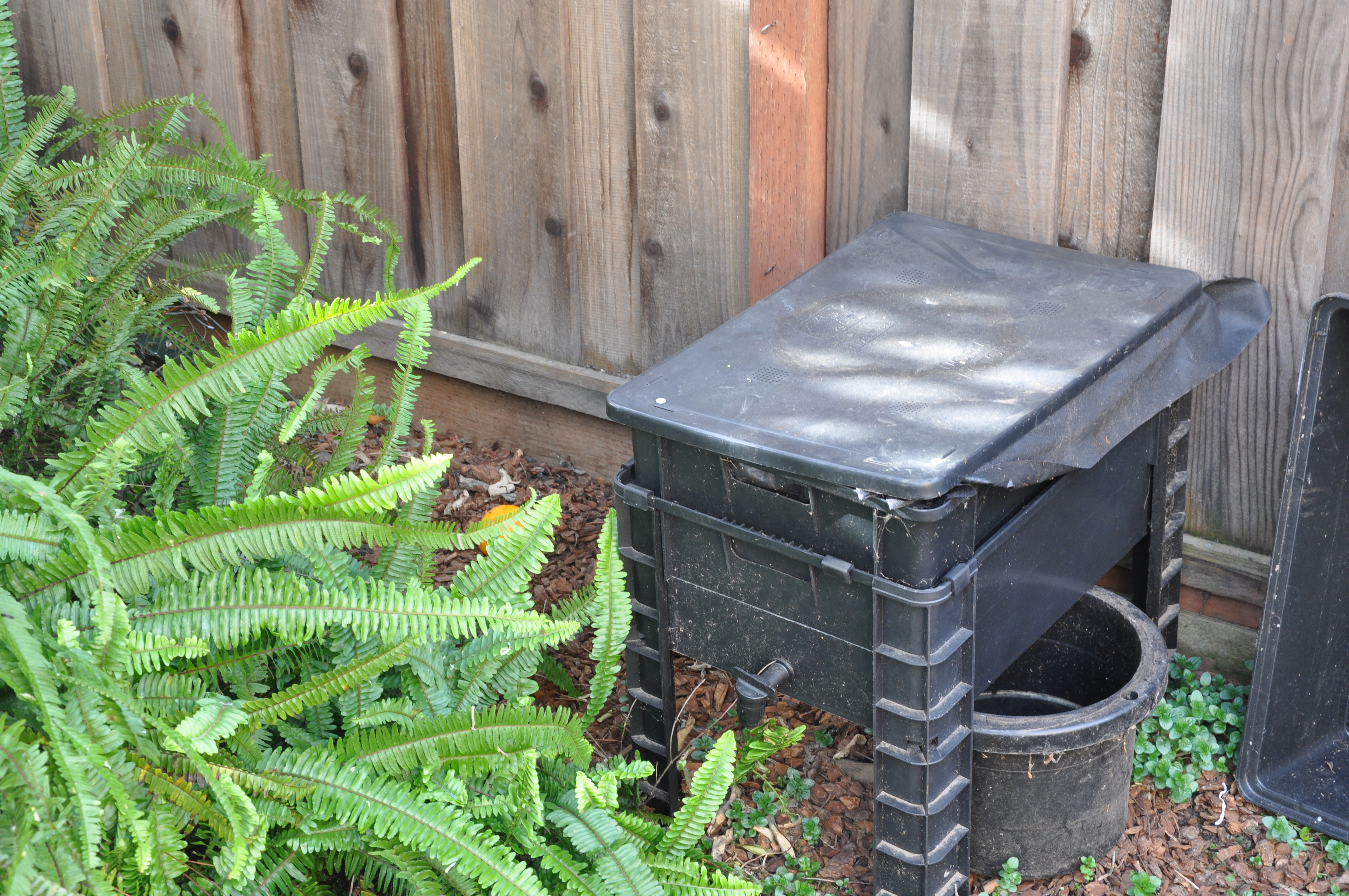
worm bin

Salad for the Red Wigglers

I had a worm bin going for a few years, courtesy of my friend Liz. It was an informal set up: an old bucket, some straw and kitchen compost. It worked well until  an unwitting painter tossed it aside when they repainted our house. Once I realized, it was too late. The worms were gone. Hopefully they slipped out in the dead of night once they realized the garden had more to offer.

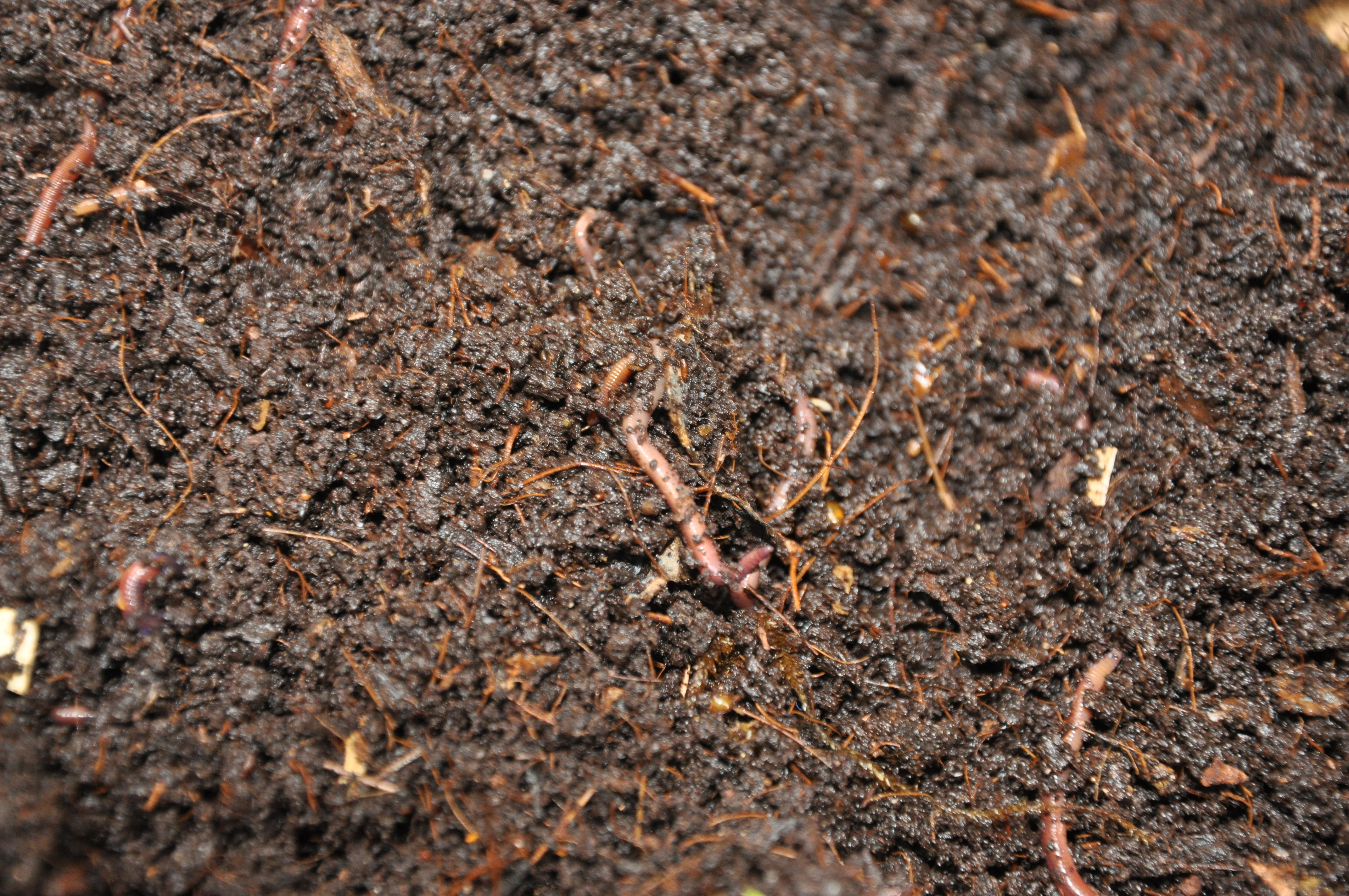
worm bin red wigglers

Red Wigglers

Within a few weeks something wonderful happened. A neighbor asked if I wanted a worm bin known as a Wriggly Wranch™. His brother in-law set one up, but then lost interest in maintaining it. I enthusiastically agreed. He assembled it for me under our orange tree. He gave me half of his worms to get started.

wriggly wranch worm bin

Wriggly Wranch Worm Bin

I read the manual cover to cover and frankly was a bit intimidated. Had I been doing it wrong all this time? They make it sound as though the worms are quite temperamental.

Feed them just enough, but not too much

Keep them cool and moist

If it’s hot, add ice cubes

If it’s cold, bring them into a sheltered area

…and so on.

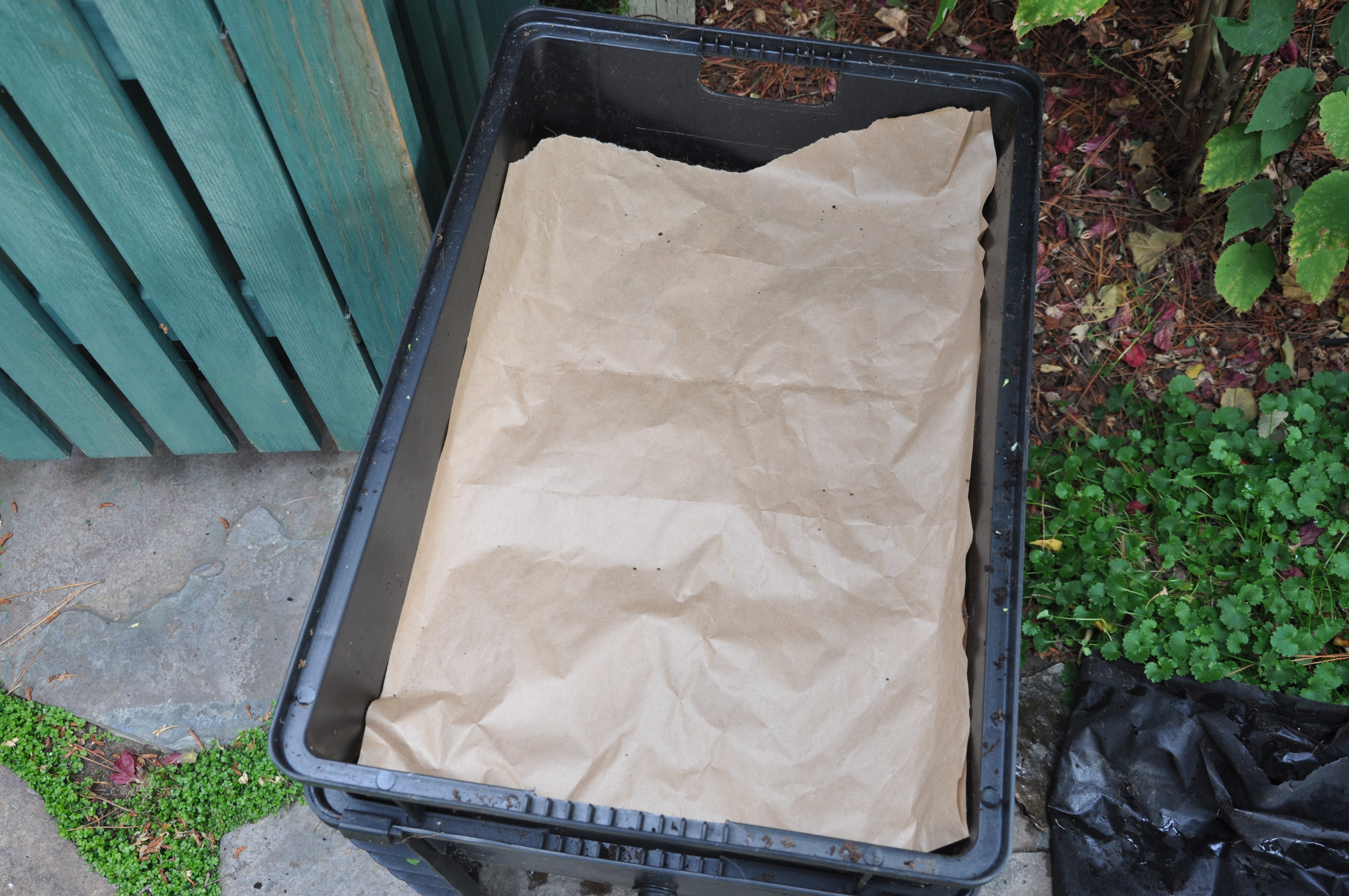
worm bin with paper

The ‘ranch’ is now closer to the house so I can keep an eye on things

The worms did fine before the fancy home, and I heard no complaints about the food. I’ve chosen to relax, feed them once a week, and trust that they’ll do just fine. I’m practicing for when my son leaves for college. Baby steps, folks, baby steps.

Tonight the worms are eating organic tofu and cantaloupe. That’s what my son had as well. So far, so good.

Fostering a Hummingbird

It’s been an amazing 24 hours. Our neighbor came to the door last night with news that she’d found a baby hummingbird. She spotted the hummingbird on the sidewalk while walking her dog. They brought the bird home but were unable to contact a rescue group on a Sunday night.

Together we went back to the spot a few blocks over hoping to spot the mama and the nest. Alas, no luck.

So…I brought him home. My boys were pretty excited to have a fledgling hummingbird in our midst and a social one at that. They took turns keeping him warm till I figured out a temporary nest.

baby Anna's hummingbird

My oldest son keeps watch for a while

In the end I used a small Sake cup, which is about the size of the nest mama bird would build. I lined the bottom with cotton, then shredded mohair fibers and made a fluffy nest for the night.

hummingbird in homemade nest

Cozy in his homemade nest

Mike made a batch of sugar-water using the formula we put in our feeders: Four parts clear water, and one part sugar. I offered our tiny guest drops of nectar from the tip of my finger. His tiny tongue lapping sugar-water from my finger was almost imperceptible.

He was mellow and trusting and once resting on my thumb, he didn’t want to let go. I eventually transferred him to his surrogate nest and after one last check, turned out the lights.

I should also mention that I live with three cats so finding a safe spot was critical. We have a laundry room off of the guest washroom, so I set him up in there. We used the ‘clean room’ method of walking into one room and closing the door, then going into the inner room and closing that door. Even then, I covered the nest with a ventilated laundry basket *and* a towel.

I tossed and turned in bed this morning starting at 4:00 am. Eventually I gave in and got up to take a look. There he was, cozy in his nest and looking content. I fed him three more times before leaving to take the boys to school. My friend, Laura offered the great tip of feeding him from the end of a drinking straw. In between feedings I did some research online. I checked in with my friend Ellen who volunteers at the Wildlife Center of Silicon Valley. I’ve been listening to Ellen’s stories for months during our shared Pilates class. I know her to be caring and knowledgeable.

Hummingbirds are not easily rehabilitated and require constant care. They must eat every twenty to thirty minutes from dawn till dusk. Can you imagine? I had two clients today, on different sides of town in addition to carpooling three teenagers to school. It would not be possible to give him the care he needed.

Anna's hummingbird

Still waiting for his tail feathers to grow in

After checking in with my client and dropping the teens at school, I drove to the Silicon Valley Wildlife Center one town over. While it was a relief to know the hummingbird was in excellent hands, I was melancholy too.  I connected with the tiny creature and felt just a twinge of sadness when I let him go.

the wildlife center of silicon valley

The Wildlife Center of Silicon Valley. Can you see the mature hummingbird flying toward me in the lower right corner?

Here’s a one-minute video from this morning. I’m feeding him with the tip of a coffee stir straw.

Good to know:

World of Hummingbirds: Hummingbird First Aid

Wildlife Center of Silicon Valley: A Rehabilitation, Release & Educational Facility

How to tell a male from a female?  It’s hard to know

Controlling Mosquitos Naturally

Great advice for naturally repelling mosquitoes. Thanks, Betsy!

betsywild's avatarWhat's Green with Betsy?!?

Along with the cookouts, volleyball games, hiking, camping and other glories of summer come mosquitoes and ticks.  But pesticides or products containing DEET, are associated with a variety of health problems ranging from dizziness to seizures with children being particularly susceptible. There are several safer and effective alternatives.

Natural Repellents

A garlic spray in your yard provides excellent control.  Garlic has natural sulfur which repels insects, including mosquitoes, ticks, fleas and even black flies, yet does not harm humans, pets, bees, butterflies or plants. Mosquitoes are soft-bodied insects and garlic juice is toxic to them in increased concentrations. Mosquitoes are also extremely odor sensitive and garlic can repel them for up to a month or more, as long as they can still detect an odor. Farmers have been using garlic for generations. Organic based landscaping or pest control companies often offer a garlic spray or you can buy a product called Garlic…

View original post 241 more words

Organizing Magazines: Periodical Peculiarities

Aunt Alys 1933 Magazine Cover

Here’s one magazine I wish I had: My Aunt Alys on the cover of Health and Strength, 1933

The nature of magazines makes them challenging to organize. Unlike books with an index, trying to find a certain article, recipe or idea usually means thumbing through the pages. Even that has its limitations. If you buy or subscribe to several, you’ll quickly lose track of the content. Magazines are peculiar periodicals. Trying to organize them is time better spent on activities you enjoy.

My advice for organizing magazines is…don’t.

Magazines are topical in nature. Weeklies cover current events, whether its news, entertainment or both. They’re meant to be read and tossed. If you can’t bear to toss it, consider sharing it with a neighbor or co-worker. If you know you’ll be passing it on, you’ll take the time to read it. When we’re busy, news magazines may sit for weeks because we don’t have time to read them. If you can’t read it now, chances are you won’t read it later. Why? Because its old news. My advice is to read it and toss it. If weeks go by and you still haven’t read it, out it goes. If it’s habitual, is it time to let the subscription go? Consider following one of the news organizations online or via Twitter instead.

Monthly magazines generally have more content, and don’t always have a ‘shelf life.’ Recipes, decorating ideas or an inspirational article have tremendous appeal. Hobbyist magazines share the latest tips for horse grooming, new garden ideas, or craft patterns along with tips and advice. But consider this: according to Ad Week, advertisements make up 45 to 50% of the pages in an average magazine. This means that for every magazine you store, you’re dedicated half of your storage space to preserve ads. Without a proper index and only half the pages filled with content, keeping monthly magazines long-term is a losing proposition.

Here are some ideas instead.

Limit your subscriptions.

I love reading magazines myself, so I appreciate their appeal. I have many interests, including gardening, crafting, movies, books, and household DIY. It’s fun looking at the latest fashions and I enjoy reading news from my industry.  That said, my time to read is finite *because* I have so many interests. I subscribe to two paper magazines: Entertainment Weekly and Real Simple. I read them cover to cover, setting aside the time to really dig in and enjoy them. Entertainment Weekly covers books, movies, music, television and trends in all those industries.  Real Simple covers fashion, organizing, home decorating, gardening and cooking with a clean editorial layout that I enjoy. I stay current on my industry through an online forum. And if I’m really craving gossip, I can always find it online or in the lobby at my next dentist appointment.

Save what you’ll use, then toss the rest.

If you like to collect and try recipes, then tear out the one that appeals to you and put it in an organized binder. I have a simple binder organized by soups, salads, main courses and desserts. After you try the recipe, you can decide if it’s a keeper. If not, out it goes. Pinterest is another great way to sort and store recipes and its all online. Then you’ll always be able to access it from there.

If you’re saving decorating ideas, consider scanning the pictures and creating a digital folder. Or do what Marlene of In Search of it All does: take a photograph of the idea you want to save and let go of the rest. You can also scan the pages and store them digitally for easy retrieval or using a scanning service to do the same.

Know when to hold ’em, know when to fold ’em.

Some of us are tactile. Reading a magazine online is not the same as holding it in our laps, turning the pages and referring back to the inside cover to see what we missed. My friend Donna goes to the library on the weekend and thumbs through dozens of magazines. She gets the tactile and visual pleasure at no cost and without the burden of storing them. If she sees something worth saving, she can take a picture with her phone or make a photocopy at the library.

Boxes and bags and baskets, oh my.

So what do you think? Are you ready to reclaim some space and your sanity by sending those magazines back out into the world. Here are a few ideas:

Donate your magazines to a thrift store. A few of our charity shops sell back issues from the past year.

Leave a few at a bus stop: My mom used to do this. When she finished her paper or magazine, she left it at the bus stop. Someone always picked it up to read it.

Ask your child’s school if they want them for art projects. We’ve been asked many times over the years to donate magazines for class projects. (Always double-check for appropriate content).

Recycle. Put that paper to use for a second time.

Enjoy all that new-found storage. I’ll bet you’re feeling lighter already.

Thank you Sheryl at Flowery Prose and Marlene of In Search of it All for inspiring this post.

Of possible interest:

Nature vs. Nurture: A Garden in Flux

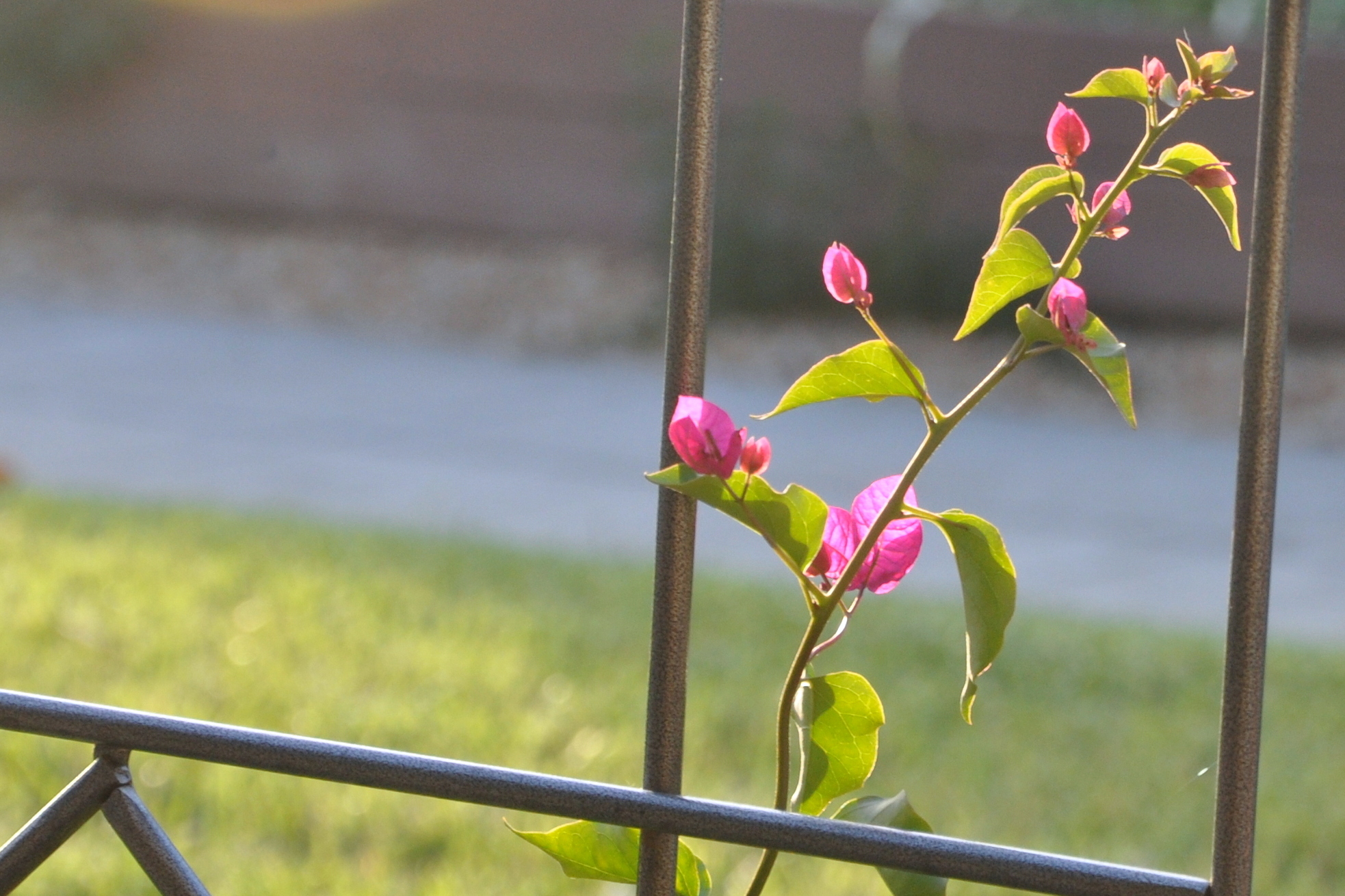
Bougainvillea

Bougainvillea (Water just once a week)

I’m gradually turning our garden into a more sustainable oasis. Instead of nurturing the English garden of my dreams, I’m letting nature do the talking. I’ve learned a lot from four years of drought.

We’re no longer watering our lawn, allowing nature to takes its course. I met with a landscape designer a few weeks ago and he’s putting together a design for native perennials. I’m envisioning a small meadow that attracts native birds and insects.

Last week I submitted an application to the Santa Clara Valley Water District’s Water Conservation Unit. It will take five to seven weeks to process a one page request, but so it goes with many government agencies. That in turn will generate a lengthy packet of materials to complete, and only then can we proceed (if we want to receive a rebate). As the drought drags on, the rebates increased. Original rebates offered seventy-five cents per square foot. They’ve now increased to $2 per square foot for:

converting high water using landscape (i.e. irrigated turf or functional swimming pool) to low water using landscape. These increases are temporary, through December 31, 2015, and certain restrictions apply

Our back lawn is 370 square feet. If approved we’ll receive a $740 rebate. The front lawn is a bit larger so all told, getting this approval will put a nice dent in the conversion costs. With or without the rebate, we’re going forward with the plans.

In addition to converting the lawn into native landscaping, I’m no longer filling pots with annuals. We have three large pots on the deck that receive irrigation from a drip line. Everything that was hand-watered is gone or replaced with succulents that get by on virtually no water at all.

red succulent

Potted Succulents

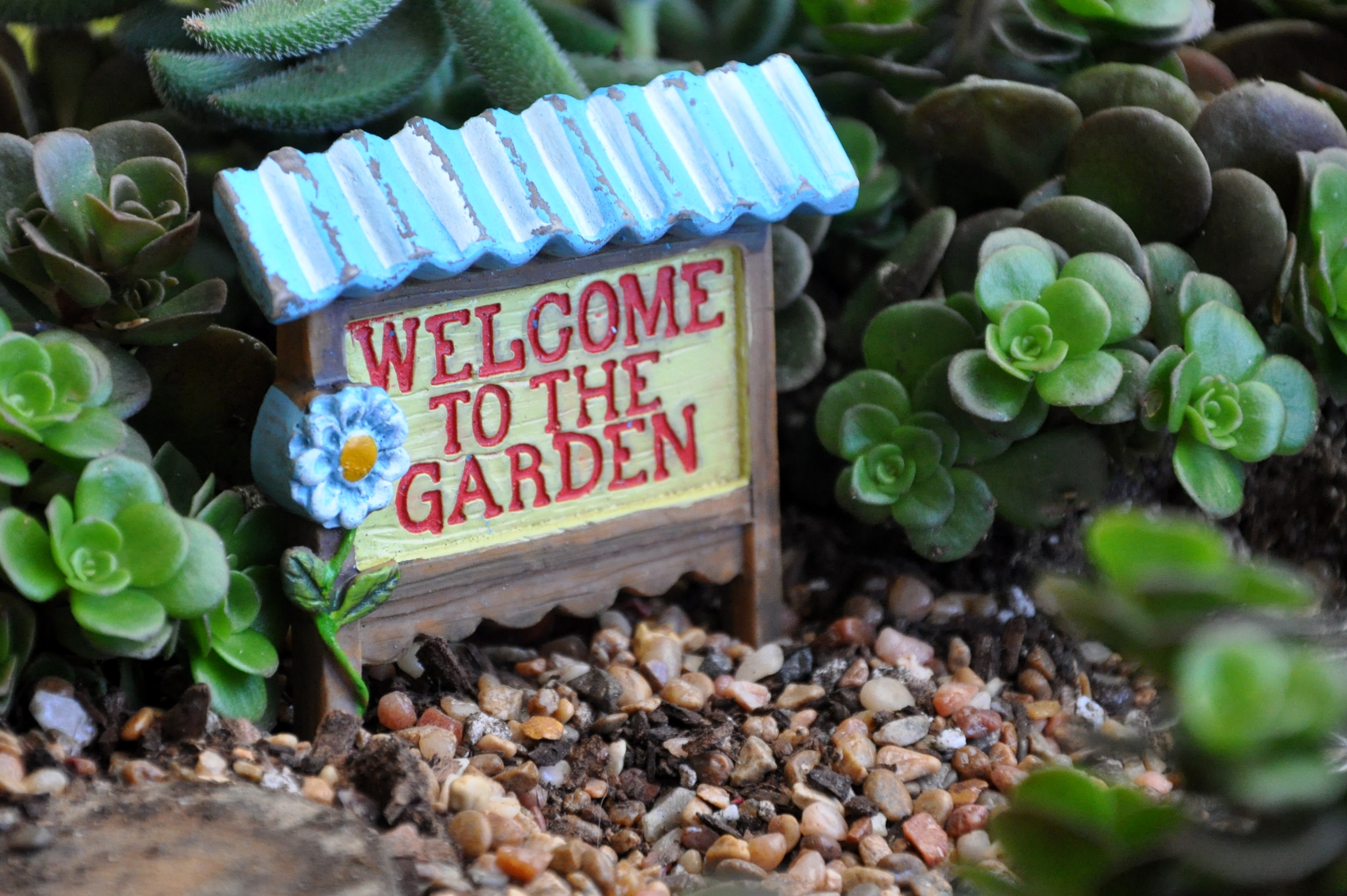
Welcome to the Garden

Late yesterday, just before sitting down to write my fairy garden post, I received an out-of-the-blue package from my friend Kristi. Along with her lovely note she sent these charming fairy garden treasures.  I wasted no time adding them to the garden. I adore that little sign!

fairy garden welcome to the garden sign

New Welcome to the Garden Sign

I tucked the new hammock among the soft greenery. It’s the perfect napping place and makes me wish I was Thumbelina. Thank you, Kristi!

fairy garden hammock

The napping place

fairy garden sign and hammock

Fairy Garden Vignette

The Fairy Garden Goes Native

When water is at a premium, you cut corners where you can. I’ve emptied most of my pots, and either replanted with succulents or used the pots for something else.

Our deck top fairy garden requires very little water, but seeing those precious drops fall through the holes in the bottom spurred me to action. Last week, my miniature fairy garden went native.

succulent fairy garden

Fairy Garden Newly Planted with Succulents

I meant to save the markers so I could record the name of the plants, but they’ve gone AWOL…or I tossed them with the transplanting newsprint. The good news: the plants sat on my deck for two to three weeks without a drop of water. They passed the test!

Succulents Up Close

Succulents Up Close

I’m actually quite smitten with these plants. They fit right in, don’t you think?

There’s a story behind the little wooden house (it used to be haunted!). You can read more about that here.  After replanting the garden, I spruced up the house with some new drapes. If you look closely, you’ll see that they’re carefully assembled from the finest Washi tape in the land. Nothing but the finest for mystical fairies. The new garden path is also special. I gathered those lovely, flat green stones on the beach in Victoria last summer. Wilma of the Creartfuldodger took Boomdee and me beach-combing along the beautiful island shore. These stones evoke special memories of that day.

You can view the gallery by clicking on the first photo, then follow the arrows. It took me a bit of time to sort that one out. ;-)

All the other treasures in the garden are found objects or gifts. The wooden house came from my son’s craft collection. I rescued it from the trash. The reading patio is an upside down candle holder and the charming chair, cat and rose pillow flew here from Canada via Boomdee. Marcia and her girls surprised me with the pink mushroom one cool fall day.

I built the (little) Little Free Library from matchboxes, stickers and an empty box. A clothes pin and a bit of duct tape keep it in place. A friend taught me how to make the heart-shaped chairs from the top of a champagne closure.

Are you a fairy gardener, too? It’s easy and fun and incredibly relaxing. You can garden anywhere at any time, limited only by your imagination. Jump right in. The [lack of water] is fine!

Postscript: You won’t believe this. Just before sitting down to write this, I received an out-of-the-blue package from my friend Kristi. Inside: her lovely note and a couple of fairy garden treasures. Check back tomorrow, for updates. I can’t wait to show them off.  Thanks, Kristi xox

Purple Garden Palooza

garden triangle may

Purple garden palooza

Peter Piper may have picked a peck of pickled peppers, but I’m picking purple petals from my perfect garden. It’s a purple palooza.

Ha! Say that three times.

The small corner garden near the walkway to our door looks like royalty. It’s awash in three shades of purple, with dots of orange and green accents. Last year’s sweet peas re-seeded and came back in a royal flush.

sweet peas

Sweet peas

sweet pea flower gives way to seed

Sweet pea flowers give way to seed pods

They’re in good company too. Love-in-a-Mist scattered seeds everywhere and now lines the sidewalk in a purple haze. Pay no attention to the dying grass in the background. The lawn is on its way out.

love in a mist lining the sidewalk

Self-seeding love-in-a-mist line the walkway

The Statice flowered early this year, showing pearly white blooms in the center of the calyx.  I love the way they compliment each other.

statice with flowers

Statice: calyx and flowers

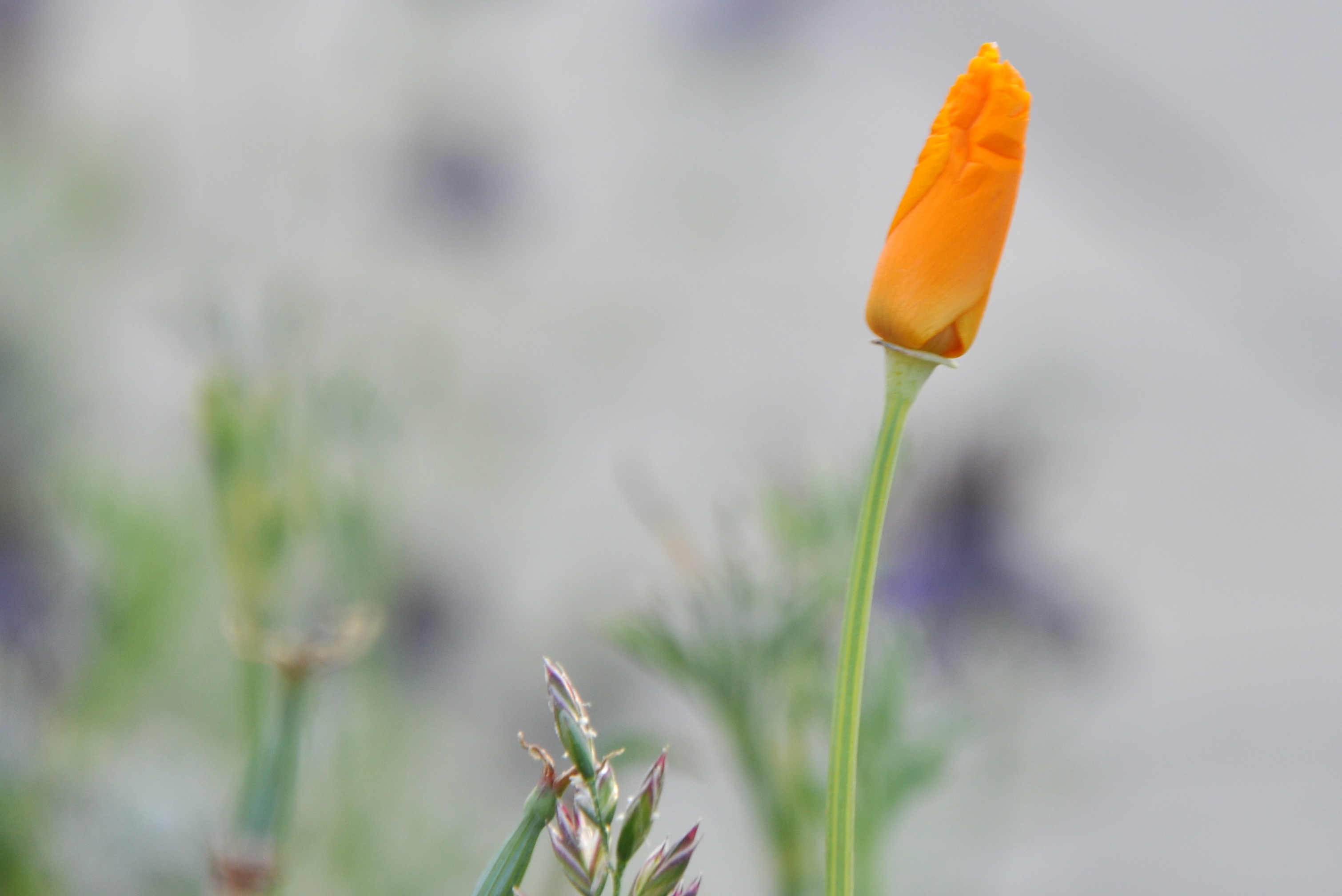
One California poppy grows at the edge, but I fear a dog is lifting its leg once a day as the foliage is looking a bit…tired. The plant is still hanging in there though. Go Team Violet! Go state flower!

california poppy

California poppy wrapped up for the night

love in a mist closeup

Love-in-a-mist blooms and seed pods

Things you many not know:

(I didn’t)

The word ‘purple’ comes from the Old English word purpul which derives from the Latin purpura, in turn from the Greek πορφύρα (porphura), name of the Tyrian purple dye manufactured in classical antiquity from a mucus secreted by the spiny dye-murex snail.-Wikipedia

Today, science has revealed much more about purple than our ancestors ever realized: Purple is the most powerful visible wavelength of electromagnetic energy. It’s just a few steps away from x-rays and gamma rays. – Color Matters

The color purple is a rare occurring color in nature and as a result is often seen as having sacred meaning. Lavender, orchid, lilac, and violet flowers are considered delicate and precious. –Bourn Creative

Napping Pillows

garden swing cushions side view

Napping pillows

It’s been a whole week since I slip-covered my swing. Emboldened by my success (no shredding squirrels) I went ahead and made a couple of pillows to go with it. If you’re going to nap on a swing, pillows are a must.

Using the same criteria for the cover, i.e. cheap and easy, here is what I did:

I bought a pillow sham from our local Goodwill for $1.59. On the plus side, the tiny aqua polka dots coordinated well with my new slip cover and you can’t beat the price. The downside: all those fussy ruffles.  On careful inspection, I knew I could remove them without damaging the rest of the sham.

Pillow sham with ruffles

Thrift store pillow sham with ruffles

After cutting away the larger sections of the ruffle, I used my seam ripper to remove the remaining thread. This sort of ‘lap work’ is therapeutic.

Pillow sham with ruffles removed-001

Pillow sham after removing ruffles

With the ruffles and stitches gone, I cut the sham in half. I did the same with an old pillow.

old pillow

Tired pillow gets a new life

I inserted each half of the pillow with the open end first so that the finished pillow seam pointed up. This made it easier to sew the opening of the sham closed. Voila, napping pillows at the ready.

garden swing with cushions

Nap-ready

What were you up to this weekend?