Wisteria: Know Before you Grow

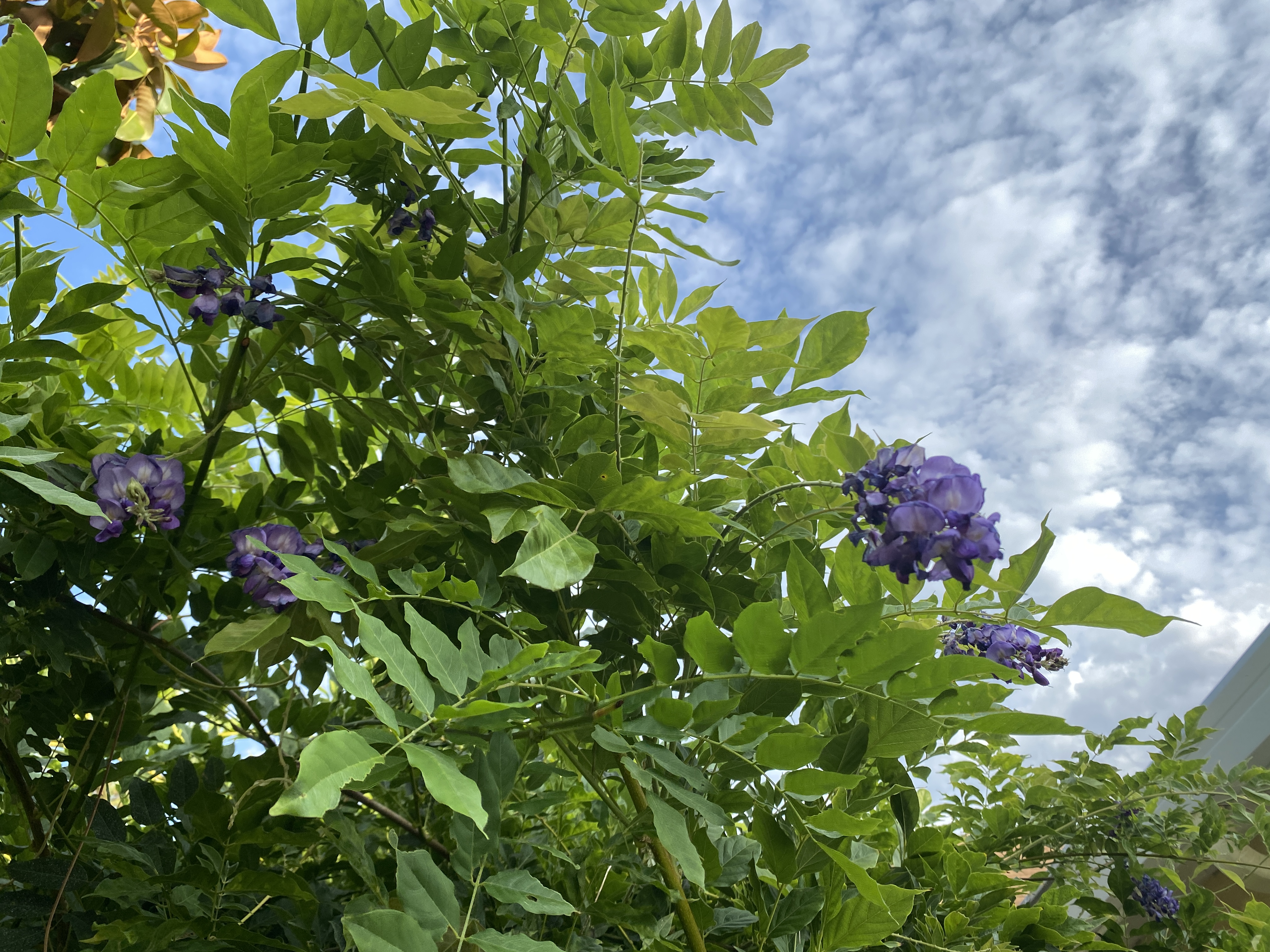
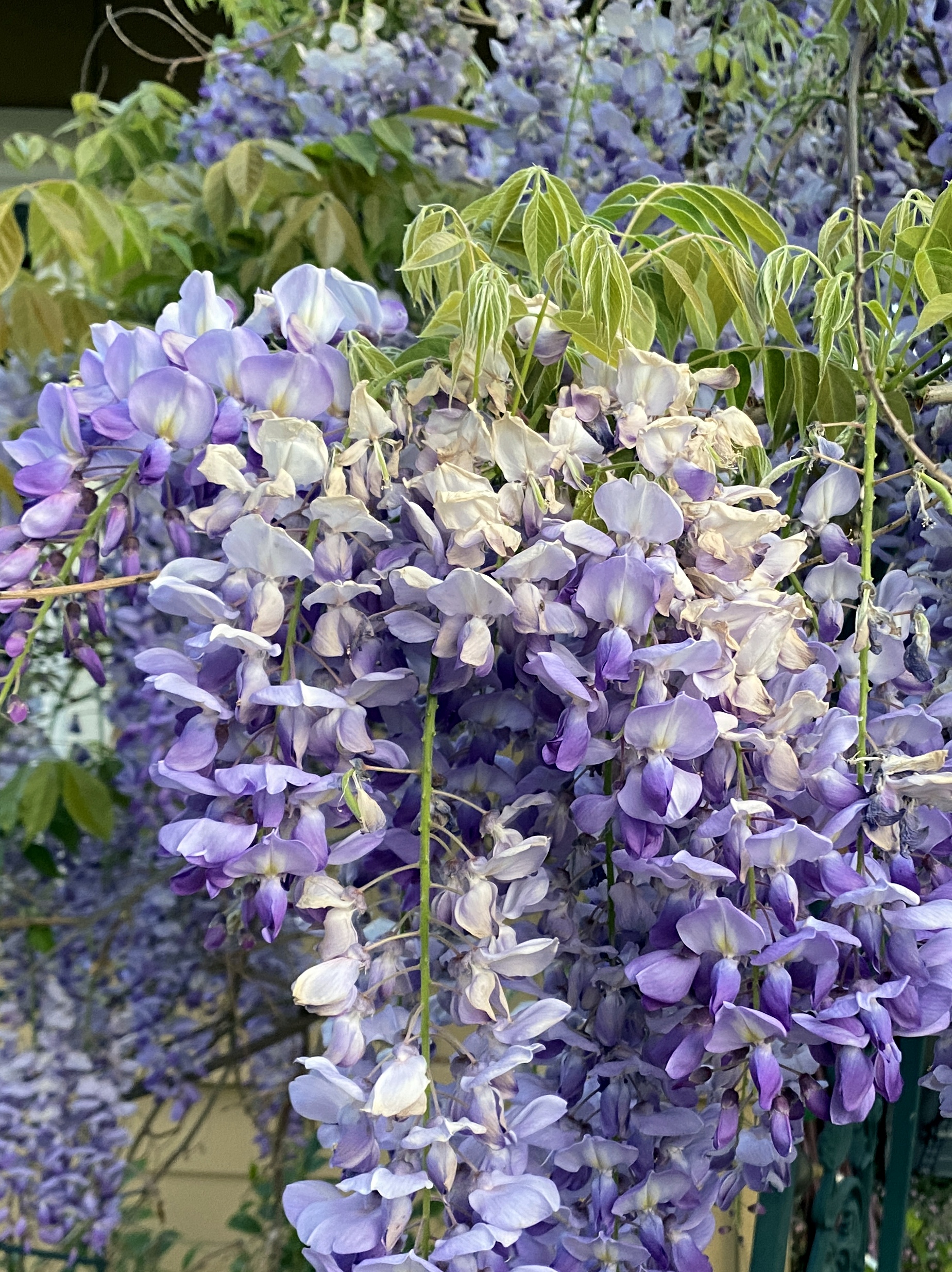
Wisteria symbolizes longevity and grace. For years I longed to have one in our garden. Aren’t they stunning? They need space to grow, though, and space is always at a premium in the garden, because nature abhors a vacuum, and this gardener feels compelled to plant any available earth.
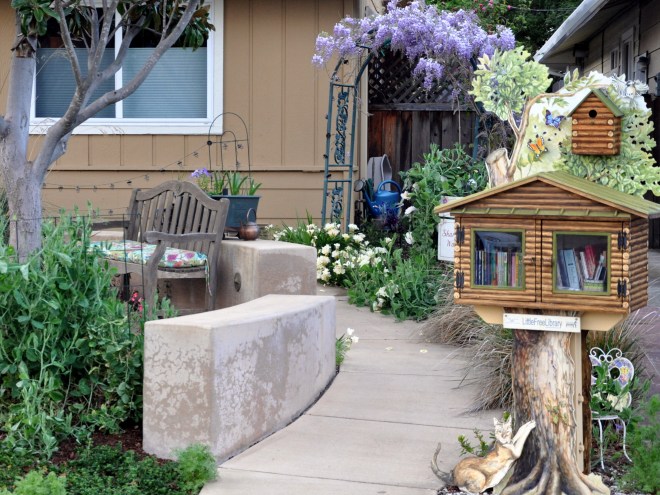
A charming garden scene featuring a stone pathway, a wooden bench with colorful cushions, a whimsical little free library made from wood, and vibrant greenery, including wisteria flowers hanging above.

Then opportunity knocked.

When our young Magnolia became infested with scale, I tried to save the tree by manually scraping the scale into a bucket —an arduous, odiferous task. The scale quickly returned, along with ants. I pruned away the center, looked at organic options, and eventually contacted an arborist, but it was all for naught.

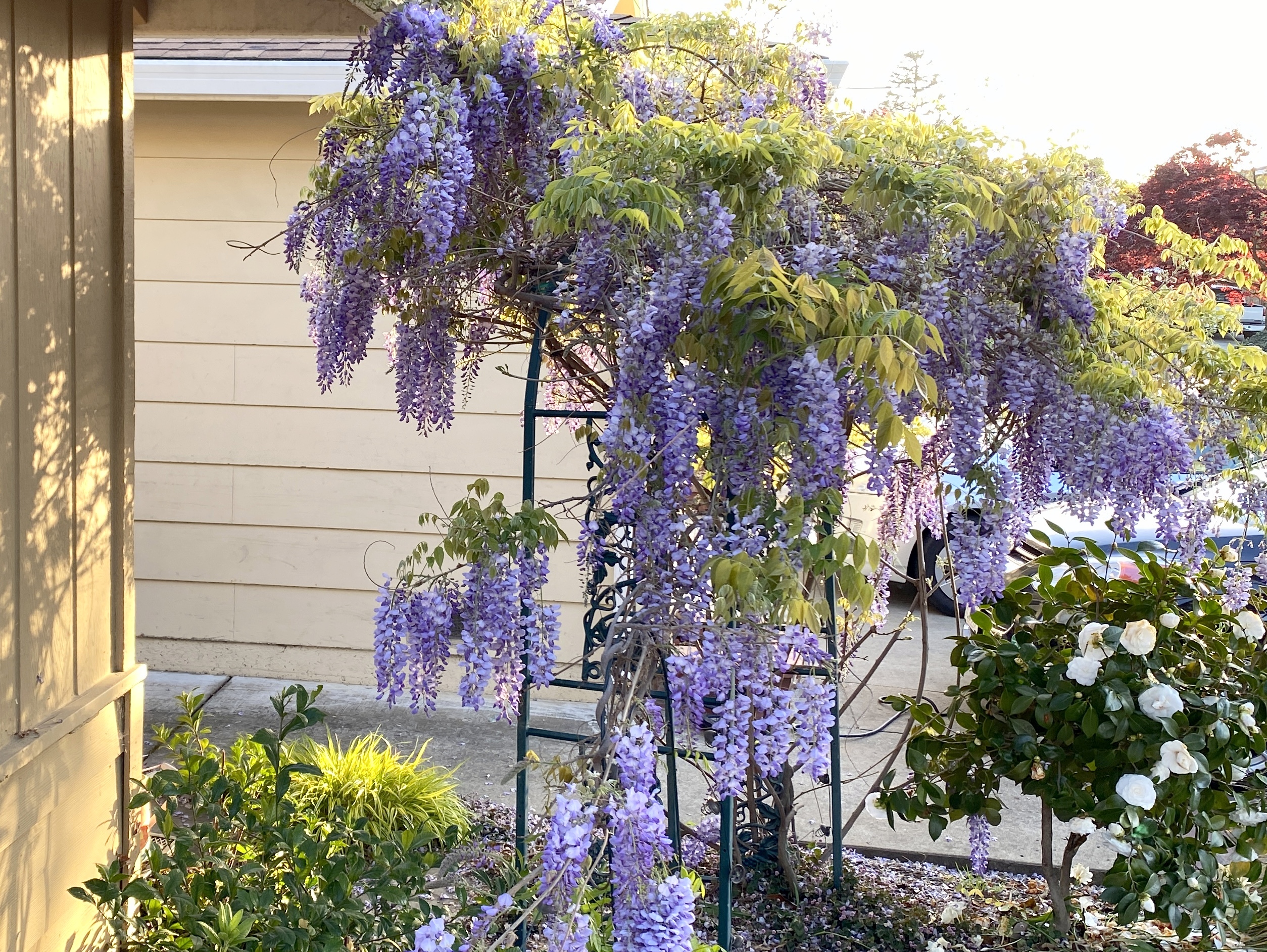
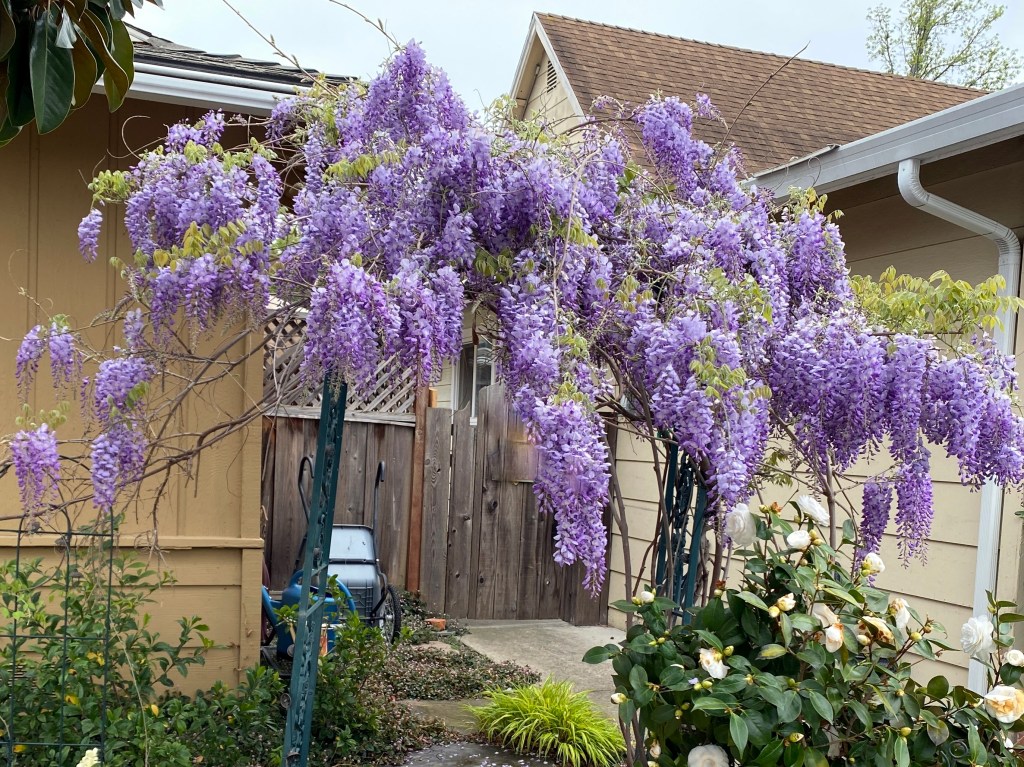
It’s tough losing any tree, but here was my chance to grow a Wisteria vine. We repurposed an arch from the back garden, placed it at an angle in the front garden, and planted the vine. The first year of growth was underwhelming, as it often is, but in the years that followed, the vine took off. It flowered vigorously in early Spring, then sent out a second set of blooms later in the year.

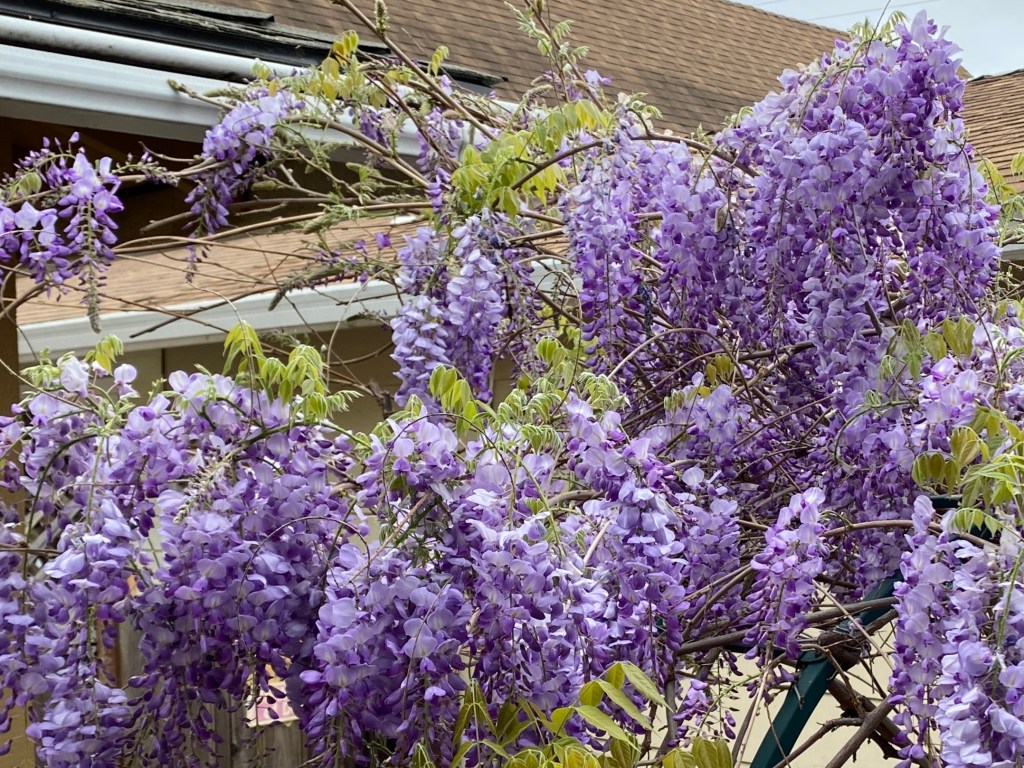
A vibrant Wisteria vine with cascading purple blossoms, growing over an arch in a garden, with a fenced area and other plants in the background.

At some point, though, the tree went from vigorous to invasive. I couldn’t keep the tendrils off our roof, our neighbor’s roof, a nearby tree, and so on. Clearly, I should have done my research, as I recently read that it is “known for its vigorous and potentially destructive growth.” Now they tell me.

I get attached to plants and trees, and this was no exception, but I’m pragmatic as well. Risking life and limb, damage to the house and the tree nearby meant it had to go.

It was labor-intensive. I started with small garden shears, graduating in size to the base of the tree’s substantial girth. I tried digging out the roots, then Mike had a go, until it became apparent the roots would need to be removed by a tree stump removal service.

A landscaped yard showing a pathway leading to a house, surrounded by green plants and a small tree.
Space after removing Wisteria

The space looked empty for a time, but I’ve since planted several succulents that had outgrown their pots. They took to the spot immediately, and by next Spring, they will be well established. They’re also water-wise plants that don’t require much fuss. The freesias came up quickly around the stone walkway, but it will be several months before they flower.

A close-up view of a garden bed featuring various succulent plants and green shoots along stone pathways, with mulch covering the soil.
View of a garden with a large Magnolia tree, featuring a stone walkway and various plants, including succulents and freesias, set against a suburban street.
Walkway facing street

Lesson learned: know before you grow.

Sunday Snapshot: Tripping Hazards and Mackerel Skies

It’s early Sunday evening here in San Jose. We’re holding our proverbial breath for the next 24 hours as a weather front passes through. We’re in a “severe drought” with fire conditions two months ahead of the norm. The last thing we need is the predicted round of dry lightening. Last year similar conditions started wildfires up and down the state with devastating results. The weather warnings make it hard to relax.

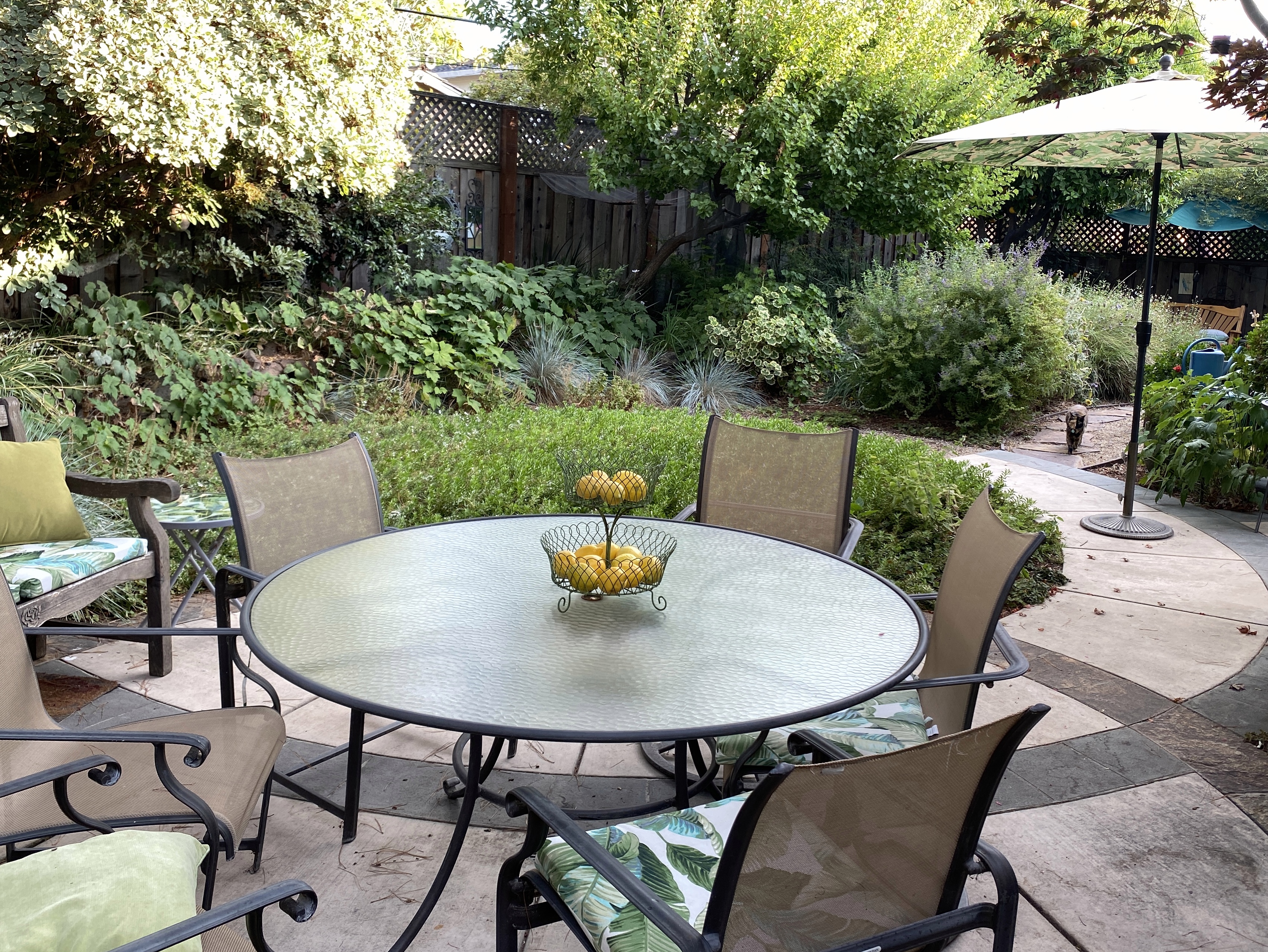
I hosted our book club this week for the first time in two years. We gathered in the garden for a catch-up and a light meal. I filled my tiered vintage basket with fresh lemons, and debuted my new tablecloth. It’s the little things, eh?

The following snapshots are from the garden this week. Our Bougainvillea is filling out beautifully, and the pink bracts frame the tiny white flower within. Mama finch

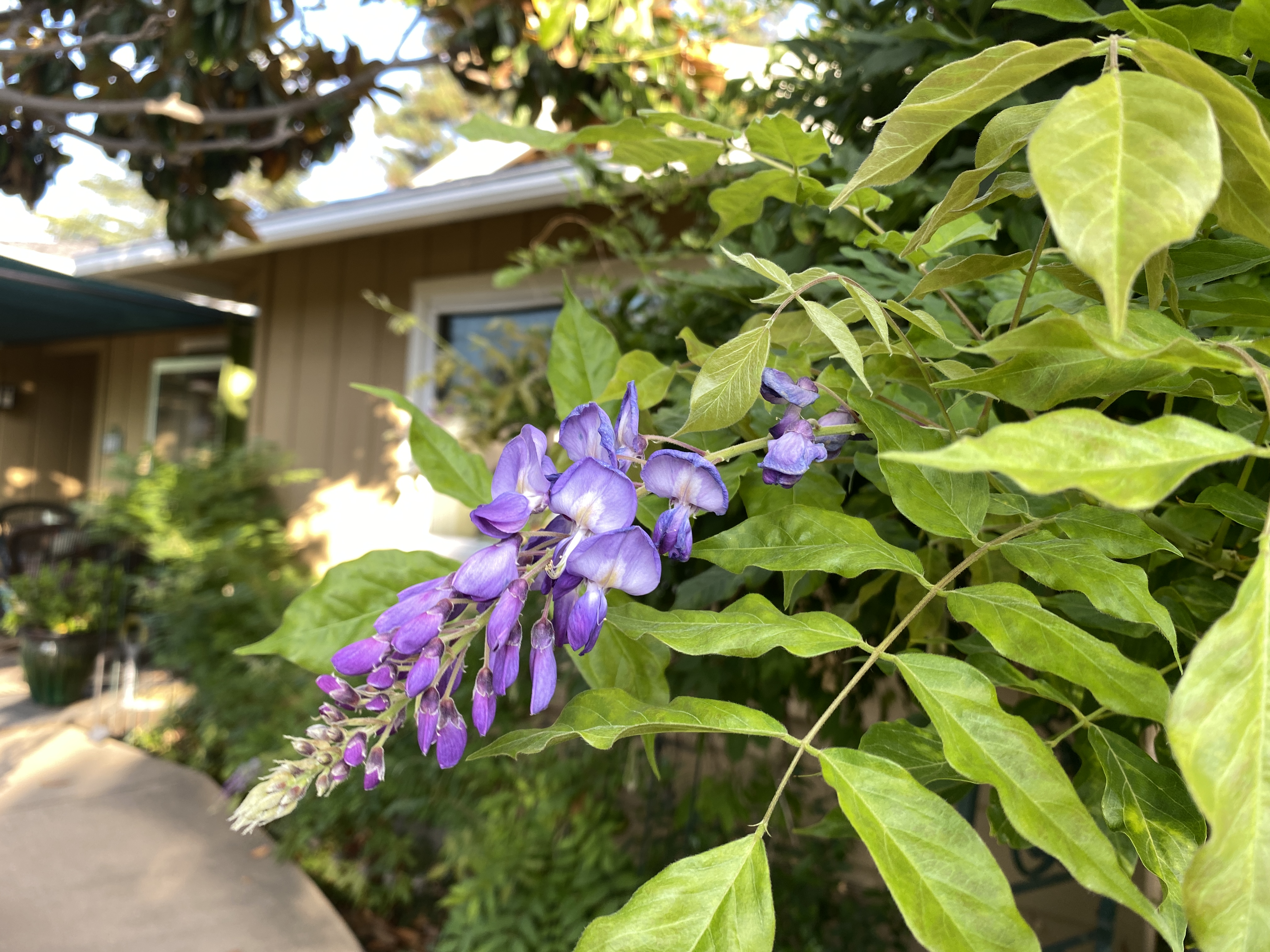
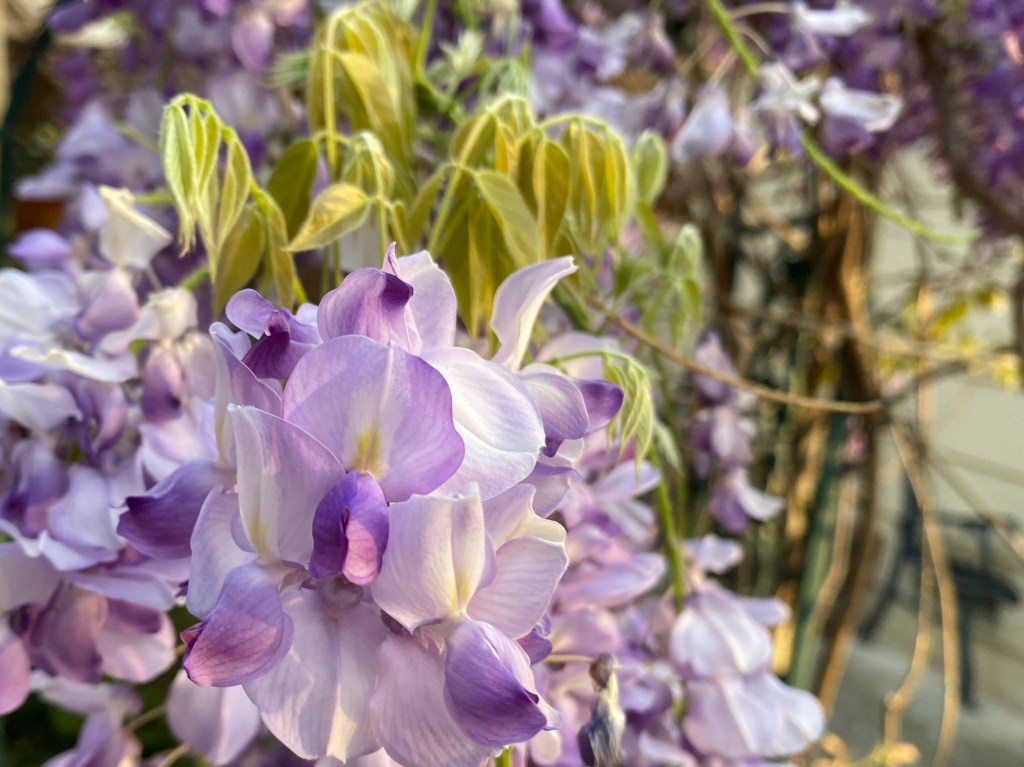
never returned to her nest, so after climbing on a ladder to be sure she didn’t leave eggs behind, I removed her nest so we could finally open the patio drapes. Our wisteria is in bloom for the second time this season. The flowers were more spectacular in the spring, but now lush green vines show-off the new color. The green and yellow Japanese forest grass reminds me a little of the character Cousin Itt from the 1960s TV show The Addam’s Family. The last photo is of Tessa wrapped between my feet, posing a tripping hazard. I managed to remain upright nonetheless.

Photos appear in a gallery view. Click on individual pictures to enlarge.

I’m sending good vibes to our friends in Germany where the weather has been unkind. My heart goes out to you. Alys

Thirty Days in the Garden: Sunday Snapshot 2.0

I’ve put together some favorite garden photos from the week for another Sunday Snapshot. We’ve had temperatures ranging from 45 to 88 F here in San Jose. I’m hanging my hopes on the potential for rain by Friday, but the estimates are low.

I once told a friend that the best time to pull weeds is after the last rain of the season. The wet soil is happy to relinquish the weeds, roots, and all. I didn’t wait this year, and it’s just as well. Things are still looking fresh. I’ll continue to enjoy it while it lasts.
I hope you’ve had a pleasant weekend.

Thirty Days in the Garden: Oh My Gourd, It’s a Tiny Tea House

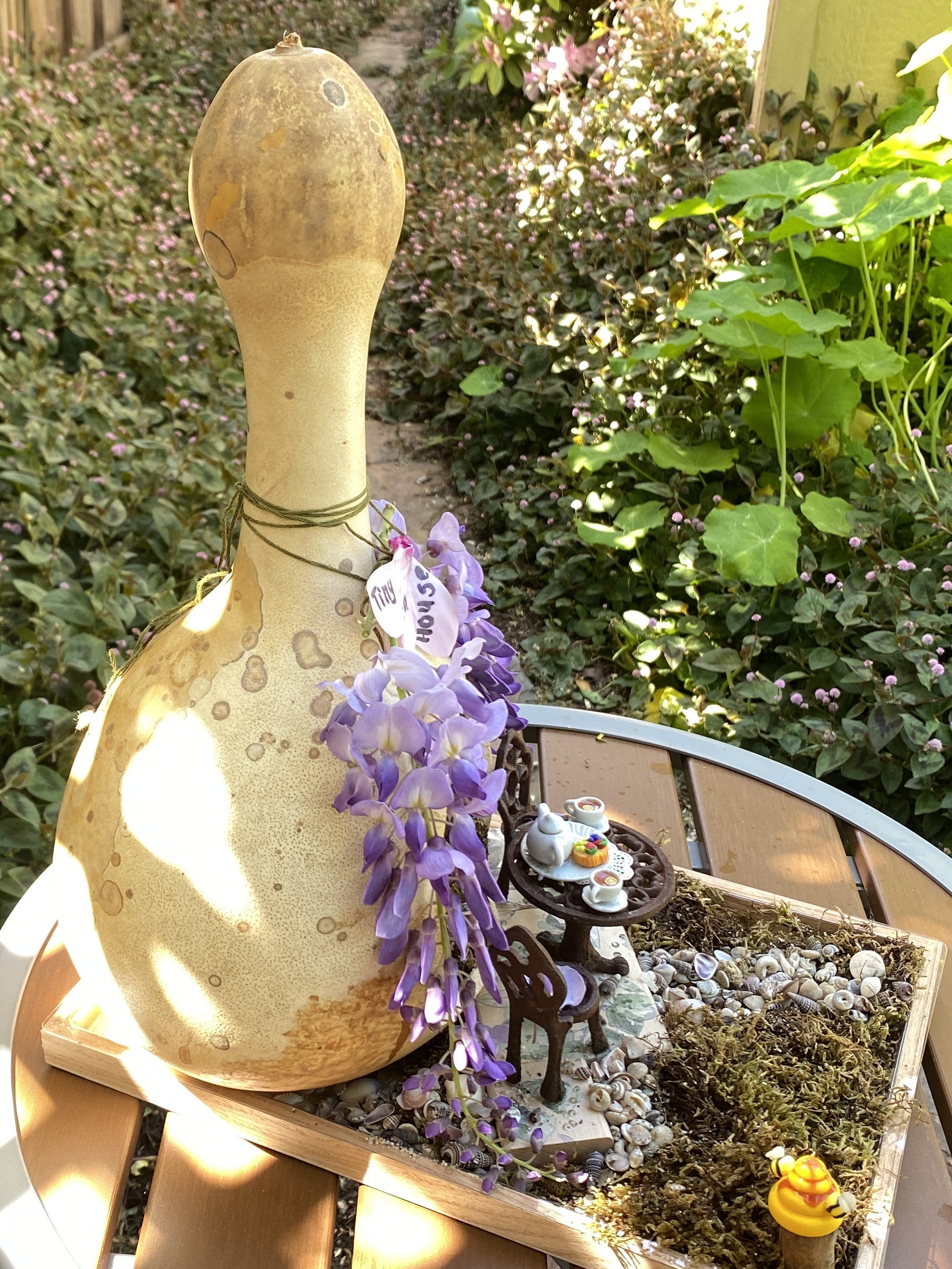
Have a look at my tiny tea house, made from a birdhouse gourd.

Birdhouse Gourd Tiny Tea House

Here’s a bit of history: Several years ago, when my boys were still young, we planted birdhouse gourds. They were fun to grow, but they need a lot of space. When all was said and done, we ended up with two gourds.

2015, Growing and harvesting birdhouse gourds

The gourds took a year to dry out. I knew they were ready when I could shake them like an oversized rattle. The color changed too, from bright green to a spotted brown.

Mike drilled a bird-sized hole in one of the gourds and a few pinholes in the bottom for drainage. Year after year I dreamed of a nest of birds, but alas, it wasn’t meant to be. One year I found the gourd filled with tiny pinecones, a discovery that made me laugh. Squirrels no doubt.

Today I turned the second gourd into a tiny tea house.

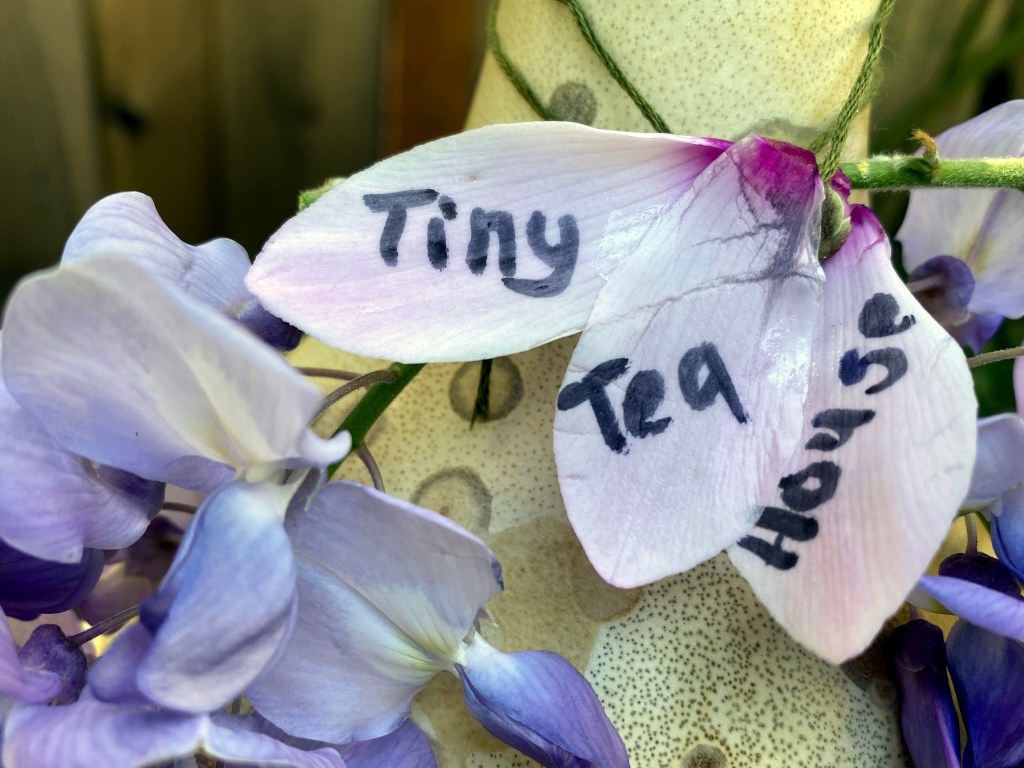
Tiny Tea House sign made from cyclamen petals

Like most of my miniature fairy gardens, the concept evolved. The gourd proved too small for the tea house, so I moved the furniture “outside” and created a patio instead.

Birdhouse gourd draped in Wisteria

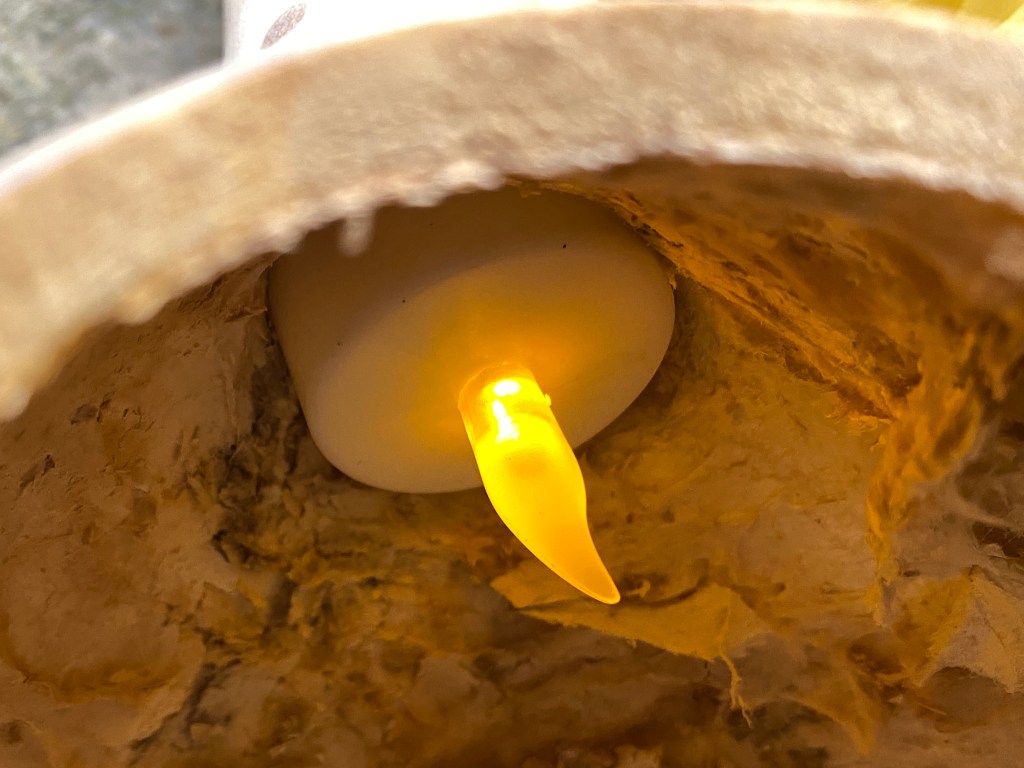
I placed a battery-operated tea light in the stem of the gourd for some ambiance. It’s a perfect fit!

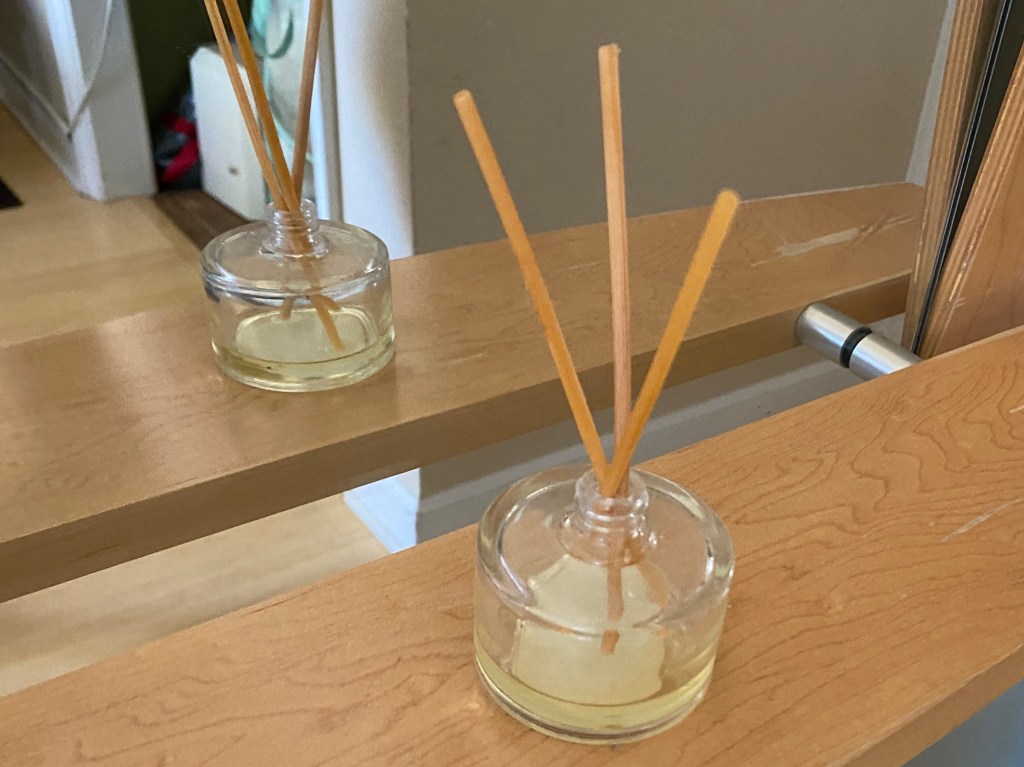
I fashioned a small curtain from a tattered silk scarf, then hung the curtain from a reed once used in a diffuser. Unlike full-sized drapes, it took me longer to thread the needle than to sew them.

I put more fairy lights behind the silk, delighted with the soft, romantic effect.

The gourd sits in the corner of a shallow wooden tray. The tray arrived at Christmas time, filled with delicious cheese and crackers. I knew I could put it to good use, and today was the day.

Tea service for two on the patio

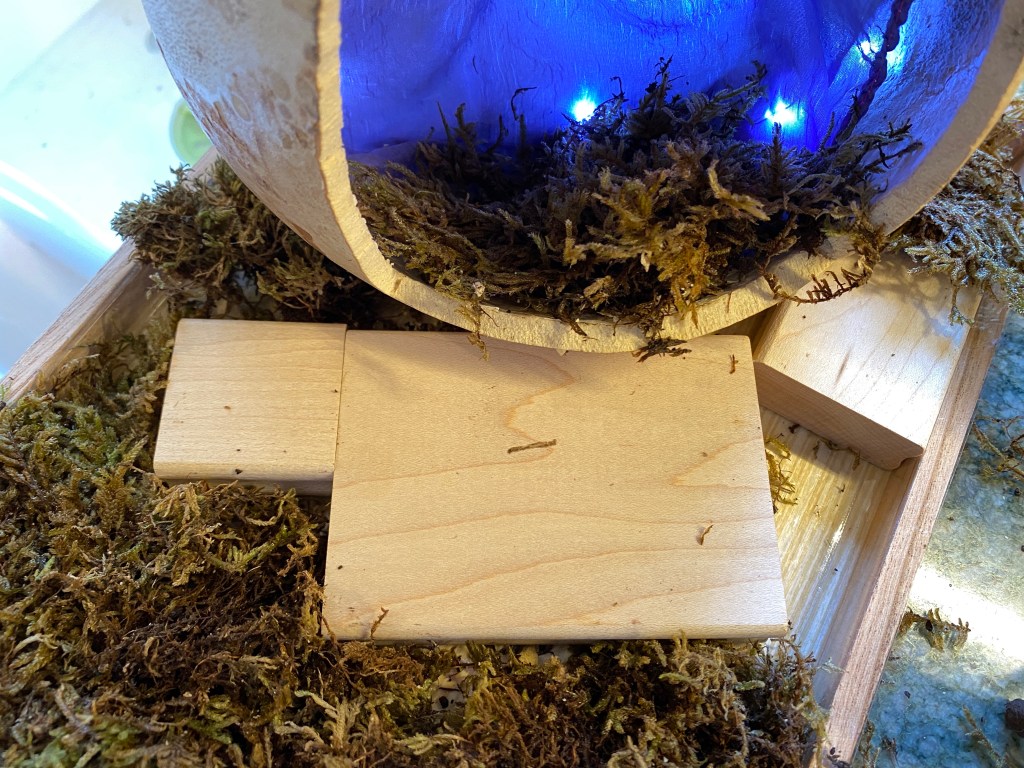
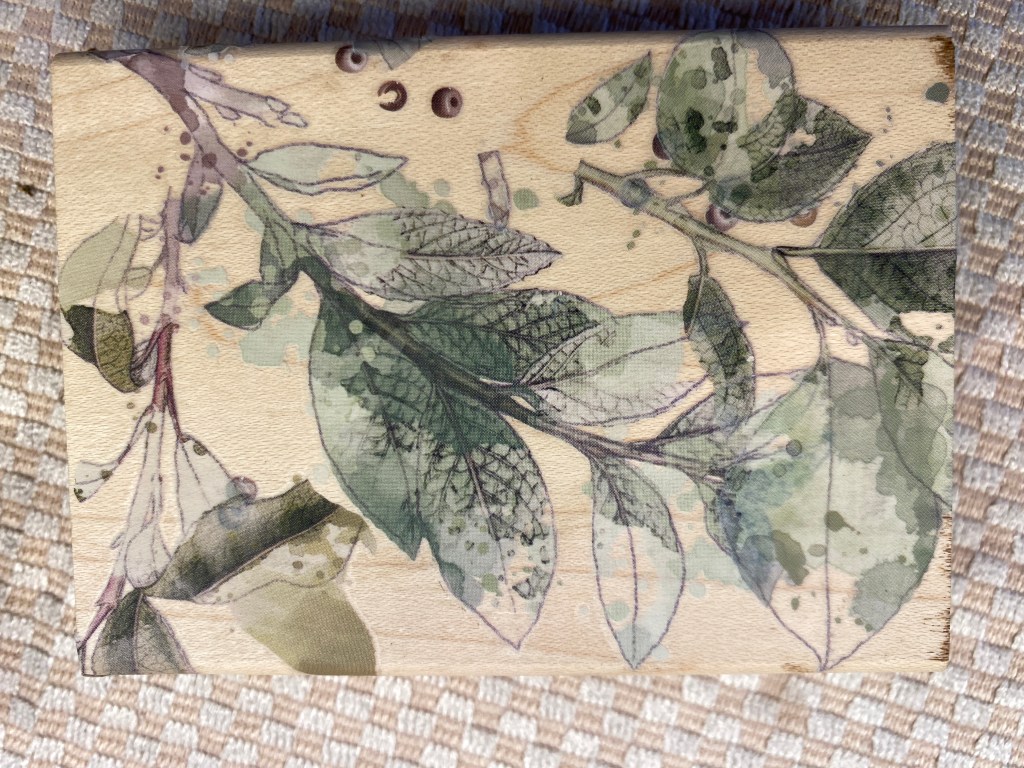
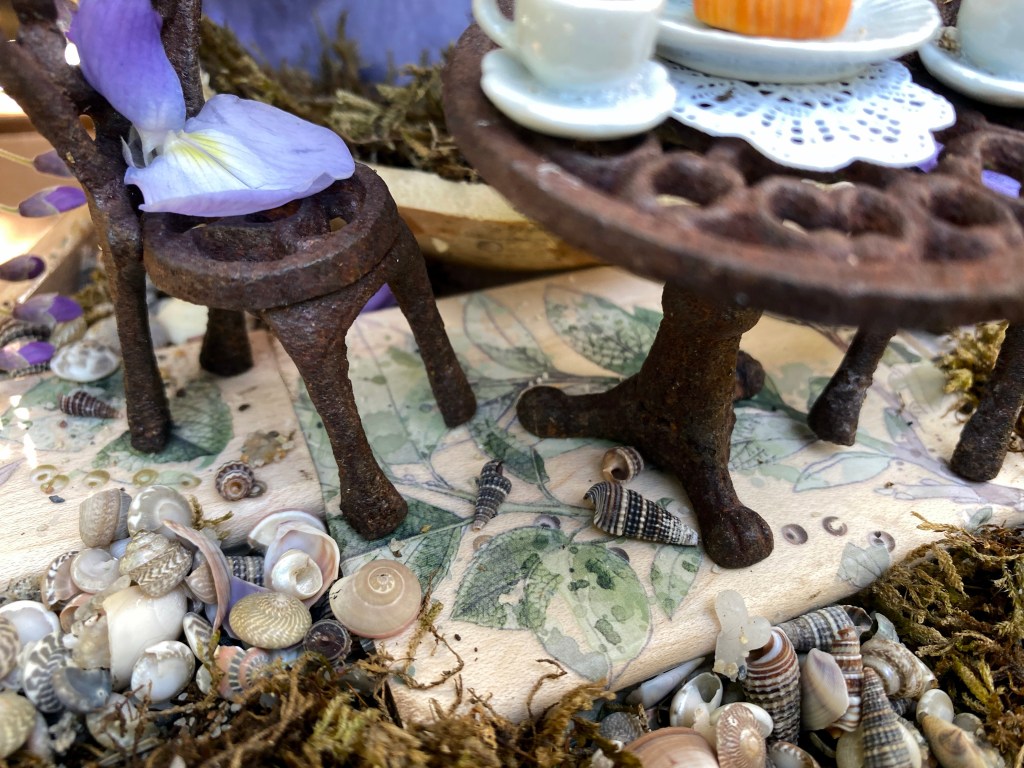
I lined the tray with moss and tiny shells from a broken necklace. I made the patio using three wooden blocks that were originally intended for rubber stamps. I applied rub-on transfers to make a leafy patio, then wedged them together on the tray. They keep the gourd in place, and they’re just the right size for the rusted furniture.

The charming tea set and the beehive were a gift from my friend Kelly. We met through blogging many years ago, and we’ve become the best of friends. I got her hooked on fairy gardening as well.

Tiny tea house treasures from Kelly

I draped Wisteria across the opening and made a small sign using a Sharpie and a cyclamen flower.

Tea is served at 4:00 sharp.

Wisteria seat cushions

Thirty Days in the Garden: Wisteria

I’ve admired Wisteria vines forever, but I never dreamed I could actually grow one. They need full sun and a sturdy trellis for support, and once established they can be tree-like in stature.i

A few years ago we had to remove one of our magnolia trees due to an unrelenting case of scale. I manually scraped off the scale after pruning away the inner branches. It was a tedious and unpleasant job, but I really wanted to save the tree. The scale returned the following year. According to the arborist the scale probably came with the tree. Without a toxic application that would harm all insects, the tree wouldn’t survive.

Nasty business: scale-infested magnolia

As sorry as I was to see the tree go, it made room for this love Wisteria.

We moved an under-utilized arched trellis from the back garden to support the vine. It took a couple of years to train the Wisteria but it’s now a lovely shape.

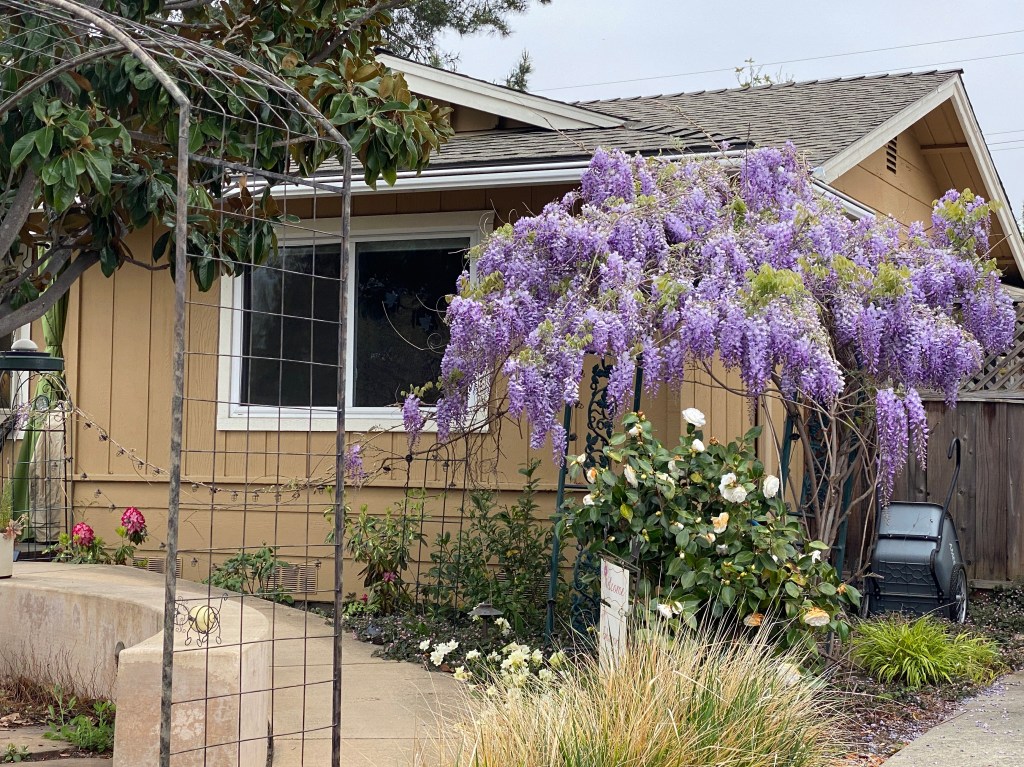
Wisteria growing in our front garden

It surprised me to learn from Wikipedia that Wisteria is a member of the legume family. Further, the article described Wisteria as a “woody climbing bine.” I puzzled over that for a while, having never heard the term bine before. I eventually realized it was a typo. No judgement as I make plenty of typos myself, but I had a good laugh nonetheless.

Wisteria vine along the ramp

Pictured below, left to right: rhododendrons, gardenias, freesias, a white camellia, native grasses, branches from a healthy magnolia, and my trusty garden cart near the fence.

I’m pleased that the flowering vine is doing well.

This walkway is a gently sloping ramp. The sign says Sharon’s Way. My sister has MS and could no longer visit our home, so we had a landscape architect design a ramp from the curb to the house. It’s subtle and beautiful.