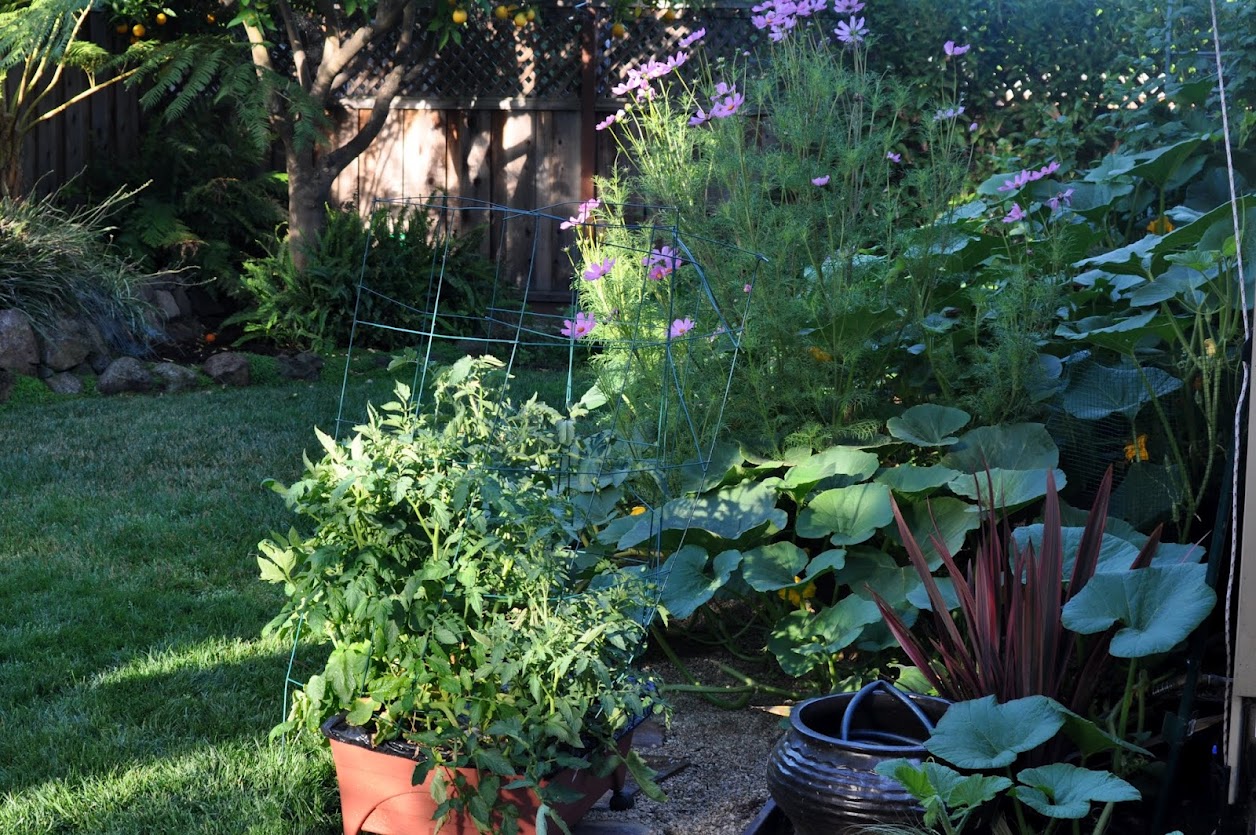
Tomatoes and Basil, Together at Last

My husband made a delicious Caprese salad for dinner last night with store-bought tomatoes and basil. It’s one of our favorite dishes. He found plump, flavorful heirloom tomatoes, filled with juicy sweetness. Today, at last, we have our own ripening tomatoes on the vine and a healthy crop of basil.

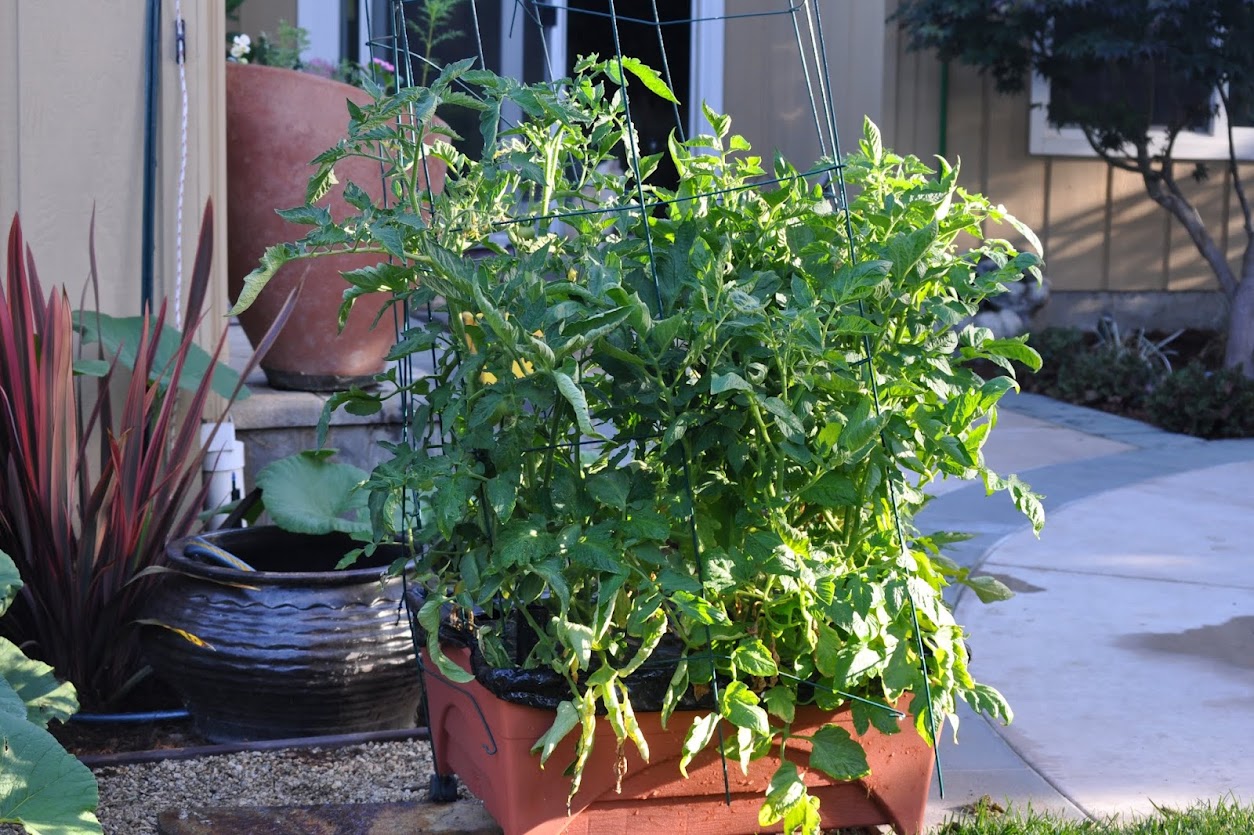
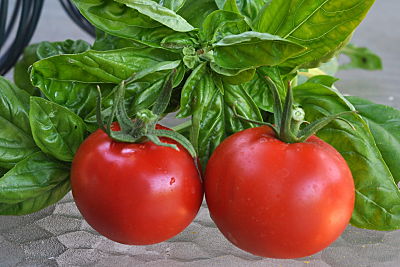
I planted three organic starter plants on one side of the City Picker planting system, and three sets of seeds on the other. Everything came up. When the pumpkin vines took over the area between the garden beds, I simply rolled our tomatoes to a sunny spot on the walkway, something I couldn’t have done otherwise. I’ll definitely plant tomatoes in the box again.

Okay, all you tomato growers: are your tomatoes ripening on the vine?  Ours took 94 days from seed to red fruit.

Tomatoes and Basil from the Garden

Tomatoes and Basil

Tomato Quirks: I learned a thing or two from this article.
The Green Grower: Bonnie vegetable starters now come in biodegradable “pots” that go straight into the ground with the plant.  No more plastic pots!
The World’s Largest Tomato: A record holder at over 7 pounds.
Insalata Caprese: My husband usually just wings it, but here is a recipe similar to the one he prepared.

Changing of the Colors: The Summer Edition


Who doesn’t like the spectacular color change that heralds the arrival of fall? New England’s tourist industry thrives as the green leaves give way to golden yellows, warm oranges and vibrant reds. Though less flamboyant, I present to you the changing of the colors: the summer edition.

First up, Hydrangeas. This lovely goes from bright green to pink, then softens to a dusty mauve before turning a cooler shade of green. You can snip flowers from the vine at this last stage, then brought indoors for drying.

Fading Hydrangea Collage

Hydrangeas Fade

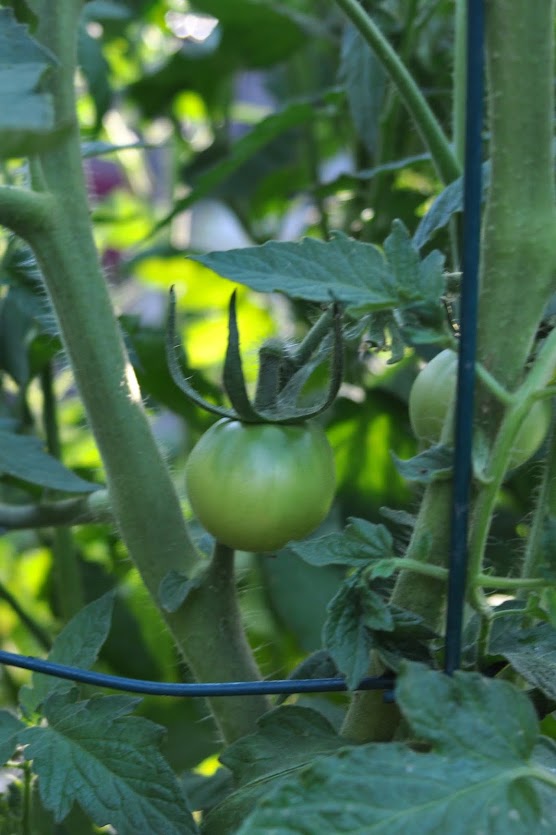
Tomatoes need a variety of conditions before they turn from green to red. The smaller the tomato, the faster the transformation. Tomatoes need moderate temperatures, shelter from the wind and time.  The color can’t be forced.  According to Gardening Know How:

Tomatoes are triggered to turn red by a chemical called ethylene. Ethylene is odorless, tasteless and invisible to the naked eye. When the tomato reaches the proper green mature stage, it starts to produce ethylene. The ethylene then interacts with the tomato fruit to start the ripening process. Consistent winds can carry the ethylene gas away from the fruit and slow the ripening process.

If you find that your tomatoes fall off the vine, either knocked off or due to frost, before they turn red, you can place the unripe tomatoes in a paper bag. Provided that the green tomatoes have reached the mature green stage, the paper bag will trap the ethylene and will help to ripen the tomatoes.

Tomatoes from green to red

Ethylene Gas = Red Tomatoes

Pumpkins turn orange much the same way tomatoes turn red. In addition to color, they also need to harden before harvesting or they will quickly rot. We had a pumpkin survive on our front porch for over nine months one year. Once carved, however, the fruit rots within a few days. According to All About Pumpkins:

There are many indications that your pumpkin is ready to harvest. A Jack-O-Lantern variety should be predominately orange in color. If the vine has started to “go away” (meaning dying off and declining) this is another signal. Sometimes the stem is already starting to twist and dry. The most important indication to look for, is that the shell has started to harden. If you can easily indent the pumpkin skin using your fingernail, the fruit is still too immature to harvest. If you harvest it at this stage, your pumpkins will likely shrivel and spoil within days. When the shell has hardened, your pumpkin is ready to cut from the vine.

Pumpkin Turning Orange

“Acorn” Pumpkin Turning Orange

What’s changing colors in your garden? Do you have a favorite? Please let me know in the comments, below.

 

City Picker Update: Tiny Green Tomatoes

Early Green Tomatoes

As the pumpkin vines continue to populate the vegetable patch, I was once again grateful for the City Picker boxes.  I simply rolled the entire planter box of tomatoes to another sunny spot, and let the pumpkin vines continue to grow.  (As if I would stop them!!!)

Unfortunately, one of the two boxes leaks when I fill the watering tube.  I can’t do anything about it now, but I’ll investigate at the end of the planting season to see what’s up.  I planted three starter tomato plants on one side and a variety of seeds on the other.   Eventually, I thinned the plants to an even six to the box.

Here’s how they’re growing:

City Picker Tomatoes: June 23, 2012

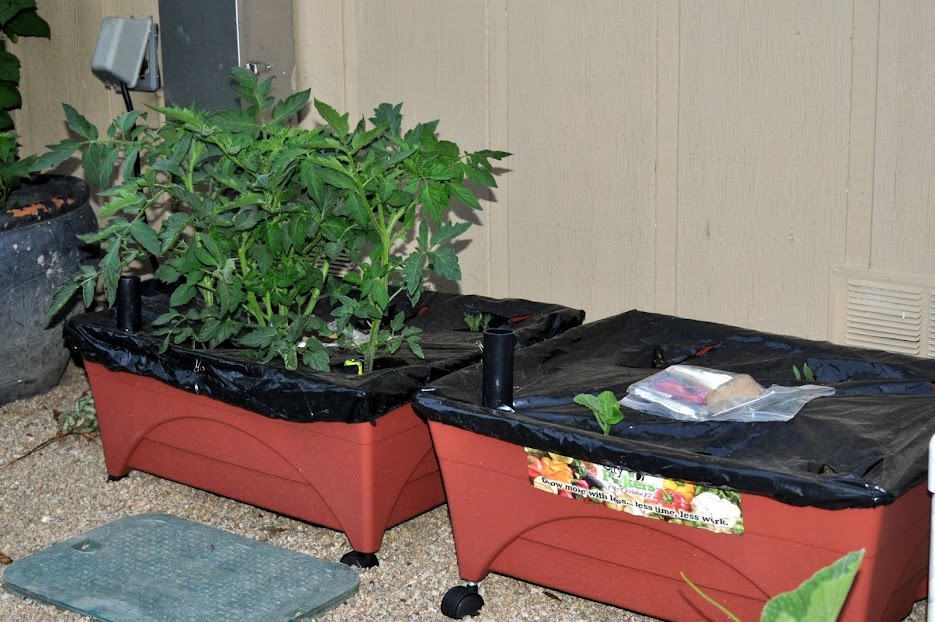
City Picker Tomatoes: May 23, 2012

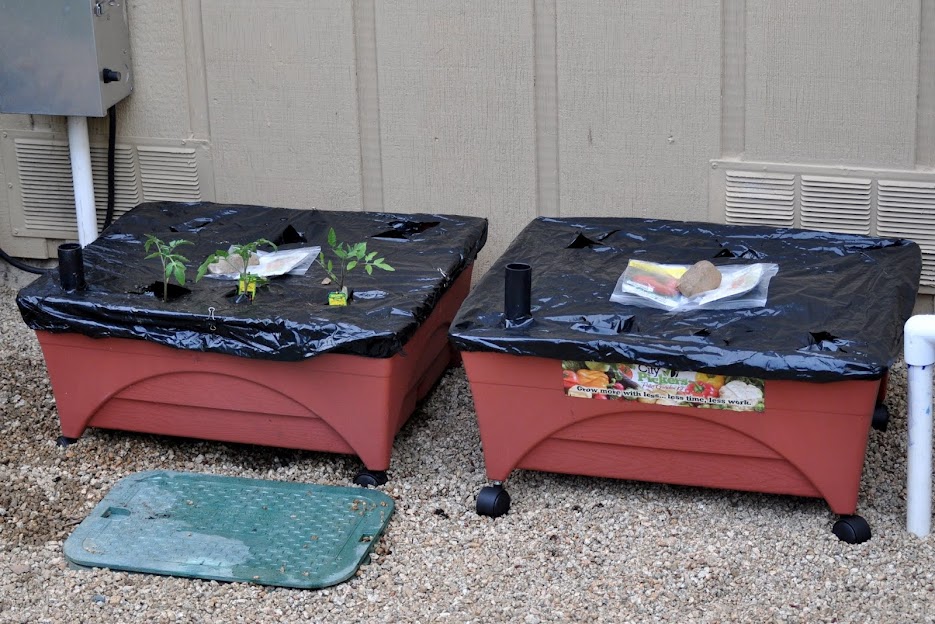
City Picker Tomatoes: May 1, 2012

Help! There’s a pumpkin vine chasing me!!!

City Pickers Update: Week Three

Things are looking good in the City Pickers. I planted three starter tomatoes along the front of one box and seeds along the back. The tomato plants sprouted last week. I thinned them to one or two per planting. The second City Picker holds a different variety of seeds. They don’t seem to be performing as well, though I’m not sure why.

In addition to the tomatoes, I added one pumpkin seedling. So far, so good. Temperatures remain on the cooler side by Bay Area standards. We had healthy plants and poor production last summer for the same reason: very little heat. Here’s hoping the new planting system coupled with the reflective heat from the house and gravel add up to a warmer environment.

City Picker Tomato Boxes: May 1, 2012

City Picker Tomato Boxes: May 23, 2012