Changing of the Colors: The Summer Edition


Who doesn’t like the spectacular color change that heralds the arrival of fall? New England’s tourist industry thrives as the green leaves give way to golden yellows, warm oranges and vibrant reds. Though less flamboyant, I present to you the changing of the colors: the summer edition.

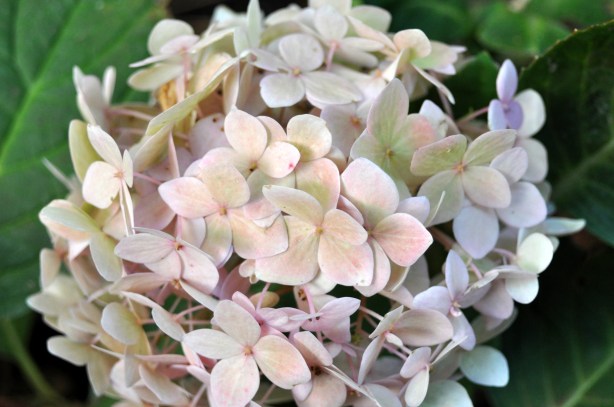
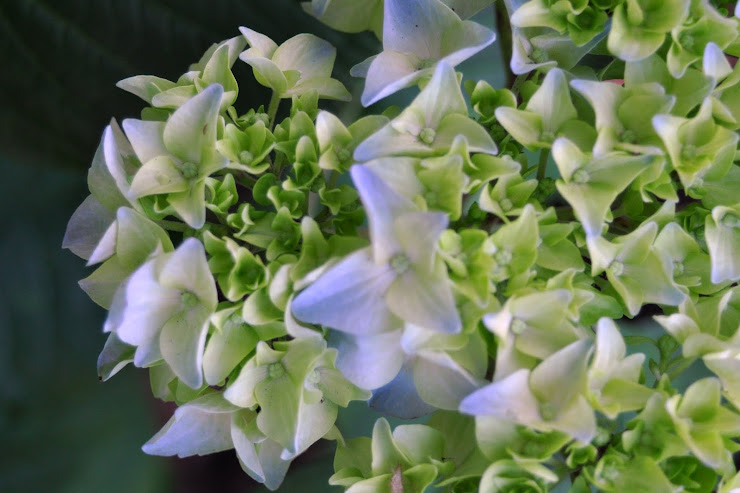
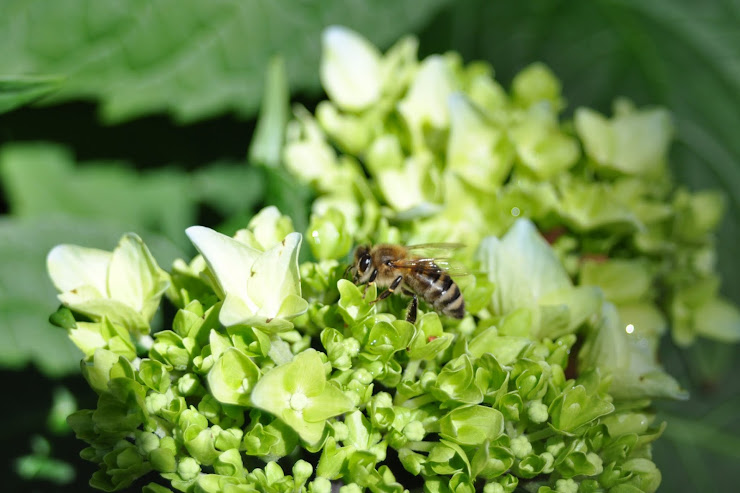
First up, Hydrangeas. This lovely goes from bright green to pink, then softens to a dusty mauve before turning a cooler shade of green. You can snip flowers from the vine at this last stage, then brought indoors for drying.

Fading Hydrangea Collage

Hydrangeas Fade

Tomatoes need a variety of conditions before they turn from green to red. The smaller the tomato, the faster the transformation. Tomatoes need moderate temperatures, shelter from the wind and time.  The color can’t be forced.  According to Gardening Know How:

Tomatoes are triggered to turn red by a chemical called ethylene. Ethylene is odorless, tasteless and invisible to the naked eye. When the tomato reaches the proper green mature stage, it starts to produce ethylene. The ethylene then interacts with the tomato fruit to start the ripening process. Consistent winds can carry the ethylene gas away from the fruit and slow the ripening process.

If you find that your tomatoes fall off the vine, either knocked off or due to frost, before they turn red, you can place the unripe tomatoes in a paper bag. Provided that the green tomatoes have reached the mature green stage, the paper bag will trap the ethylene and will help to ripen the tomatoes.

Tomatoes from green to red

Ethylene Gas = Red Tomatoes

Pumpkins turn orange much the same way tomatoes turn red. In addition to color, they also need to harden before harvesting or they will quickly rot. We had a pumpkin survive on our front porch for over nine months one year. Once carved, however, the fruit rots within a few days. According to All About Pumpkins:

There are many indications that your pumpkin is ready to harvest. A Jack-O-Lantern variety should be predominately orange in color. If the vine has started to “go away” (meaning dying off and declining) this is another signal. Sometimes the stem is already starting to twist and dry. The most important indication to look for, is that the shell has started to harden. If you can easily indent the pumpkin skin using your fingernail, the fruit is still too immature to harvest. If you harvest it at this stage, your pumpkins will likely shrivel and spoil within days. When the shell has hardened, your pumpkin is ready to cut from the vine.

Pumpkin Turning Orange

“Acorn” Pumpkin Turning Orange

What’s changing colors in your garden? Do you have a favorite? Please let me know in the comments, below.


Rearranging the Plants: A Welcome Home Surprise

Rearranging the furniture was a favorite pastime when I was a girl.  My sister and I would move things around while Mom was at work, then yell surprise when she walked through the door.  This week, I decided to rearrange some plants.

In March we planted five glorious pink Azaleas beneath the living room window.  Sadly,  once the temperatures rose, one of them rapidly dried out.  Hoping for the best we held on for another several weeks.  I hate giving up on plants. We finally laid it to rest in the compost heap last week.

My husband has been wanting to buy more Azaleas for the back corner, to intersperse with the hydrangea. I suggested we move the surviving plants, then buy pink hydrangeas to go under the window.  Azaleas make me happy, but blooming hydrangea make my heart skip a few beats.

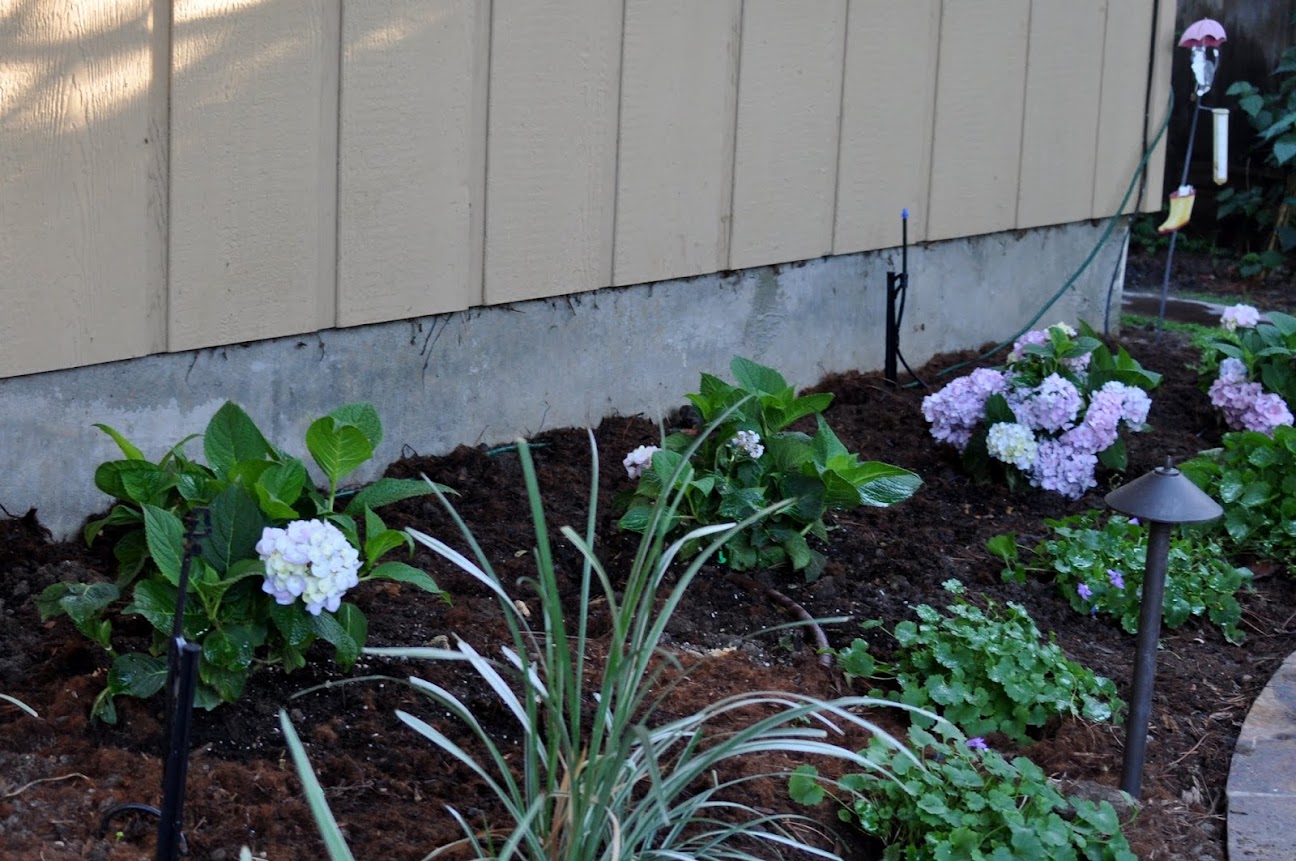
While I was away, Mike made the switch.  He tucked the Azaleas around the sword fern near the blue hydrangea, then planted pinkish purple hydrangea under the window.  The plants will grow taller, doing a better job hiding the house’s foundation, and as they grow they’ll pop their pretty pink heads above the window.  Can you feel me smiling from ear to ear?

New Hydrangea

Azaleas (Back in March)

Relocated Azaleas

Container Garden Update: Flowering Pots

Last call for votes

Thank you so much for casting your vote yesterday.  I have a few responses still trickling in so I’ll give it one more day before sharing the results.  If you would like to weigh in, I’m asking readers to help me select one of three photos; what you think best reflects Gardening Nirvana.  I’ll use the most popular photo on my site.  Please leave your vote in the comments section hereThank you!

Container Garden Update

I checked on all my container plants this morning.  We’re expecting temps in the high-nineties today, so the pots are more likely to dry out.  A few of the containers are on a drip system, but most I still water by hand.  It’s a nice way to stay connected.

We have a planter out front with our address etched into the ceramic, a gift from my friend, Marcia.  It’s been home to a pink geranium for several years, but the plant is looking tired and cramped.  I’ll need to find a bigger pot, and a plant to replace it. Oh darn…a trip to the nursery ;-).

See how pretty it looked in April? Not any more.

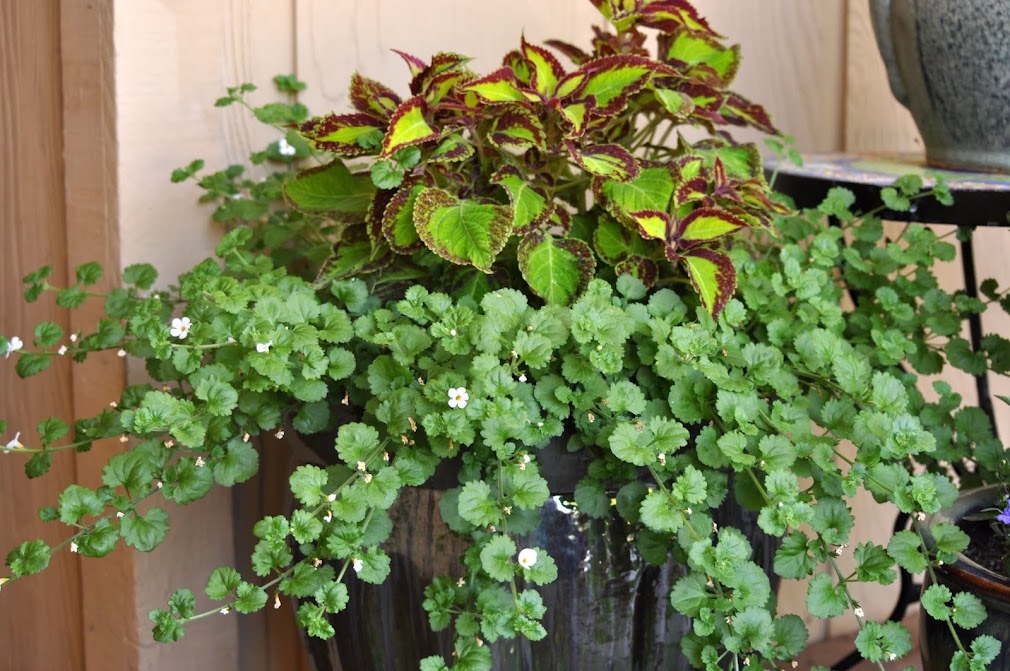
The plants on deck are looking healthy.  The coleus had a growth spurt, and the trailing flowers surrounding it should have enough weight to start cascading down the side of the pot.

Coleus

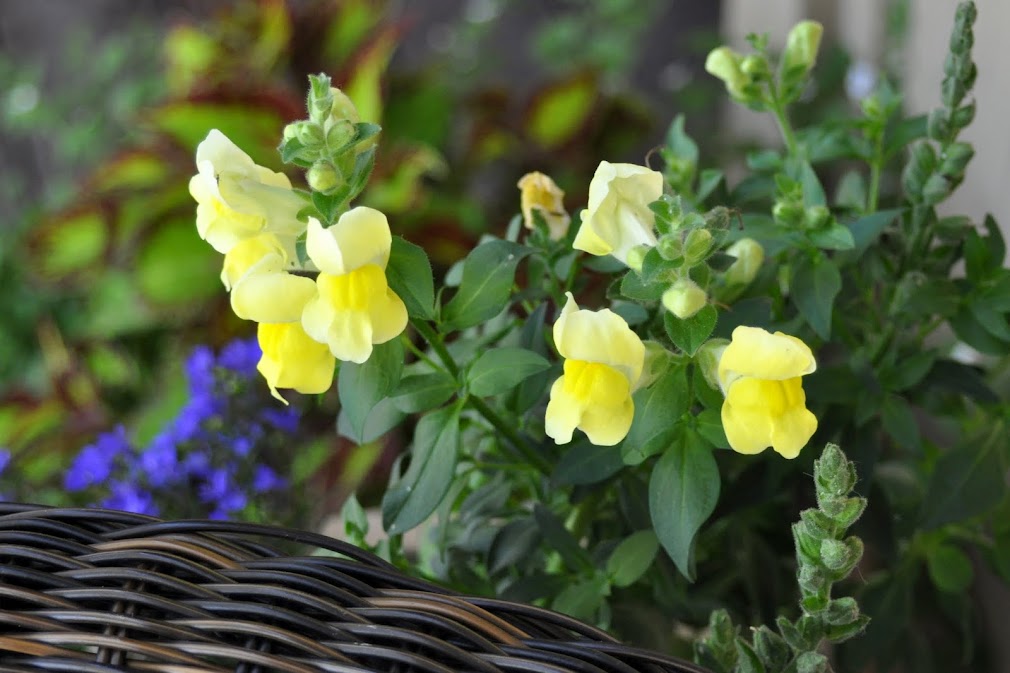
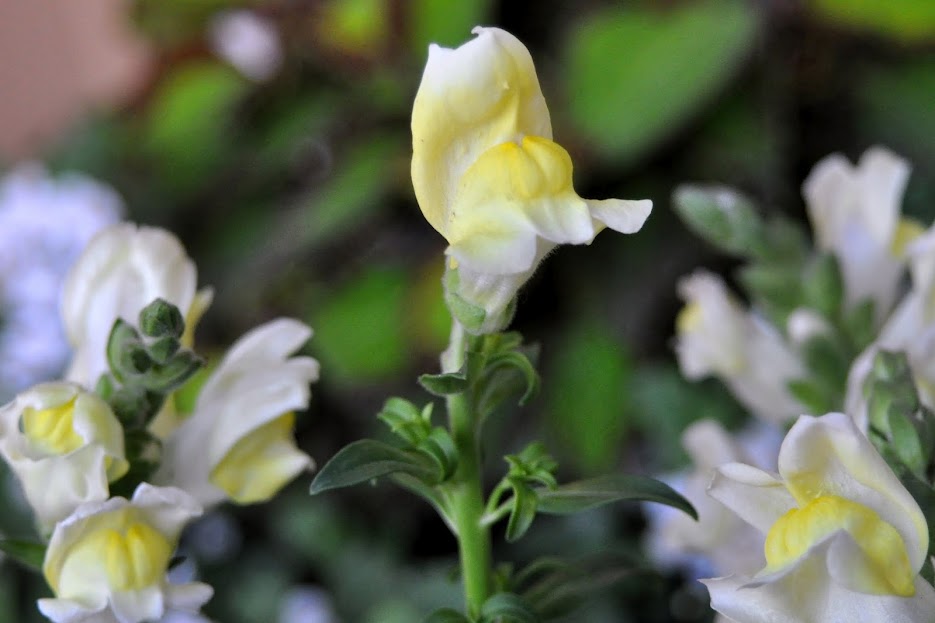
Yellow Snapdragons grow one pot over, but they may not be getting enough sun.  Only one side of the plant is flowering.  They look healthy enough.  I’ll keep an eye on things.

Yellow Snapdragons Peak Over the Back of the Chair

The miniature yellow rose survived the transplant and is recovering from dusty mold.  The pot is finally full enough to keep the squirrels from digging.  Well, mostly.

12-Year-Old Miniature Roses

We have three, over-sized pots grouped together on our back steps.  The pink hydrangea has grown quite tall, no doubt grateful for the extra room in the planter.  I had a pair of fuchsias in there for a few years, but they developed some sort of blight and I couldn’t get them to come back.

Three Flowering Pots: Hydrangea, Sweet Onions, Lambs Ear

Today’s high temps will be good for the tomatoes, berries and pumpkins. Summer solstice is almost upon us!

What’s growing in your planting pots these days?

Blooming Thursday: Blue and Gold

Entry way pots: Snapdragons and ‘Lucia Dark Blue’ lobelia

The garden is awash in cool blues and warm yellows today.  I bought a few annuals to spruce up the entry way, then realized how much blue and gold we already have.

I found some cobalt blue beer bottles in the garage, left over from my husband’s home-brewing days.  If the stars align, the yellow lilies will still bloom.  The bottles will make beautiful bud vases and the yellows will look gorgeous in contrast to the rich blue.  To hedge my bets, I planted Impatiens in one of my recycled soy candle jars.  It’s pretty…but pink.

No worries. Blue and gold remain center stage.  Here’s what’s blooming:

Snapdragons

Blue and Gold

‘Moonchimes’ Chinese Lantern

Wildflowers, Re-seeded from Last Summer

Hydrangea: It’s Blue *and* Gold!

Blooming Thursday: Hydrangeas Pink and Blue

First Hydrangea Bloom of the Season

I love the coordinating schedules of our hydrangeas.  Sweet synchronicity from both sides of the garden.  Our potted hydrangea has a soft, pink bloom, while the three sisters are showing a light dusting of blue.

The blue hydrangeas hang out under a pine tree, so will likely keep their hue.  I’ve read that you can change a pink hydrangea to blue and vice versa, but the white ones will always be white.

Here is what the Gardener’s Supply Company* has to say about changing the color of the bloom.

“Hydrangeas with bloom colors that range from pink through blue and purple usually belong to the hydrangea cultivars known as mopheads and lacecaps. These types of hydrangeas have the interesting ability to change the color of their blooms based on the chemistry of the soil. When grown in alkaline soil, the bloom colors are pinker. When grown in acidic soil, the bloom colors are bluer.

Because it’s the soil chemistry that determines the bloom color, the variety names given to these types of hydrangeas means very little when it comes to bloom color. For instance, Nikko Blue, Pretty in Pink, Forever Pink and Blue Deckle, all have an almost equal chance of blooming pink or blue, depending on the soil they are planted in.

To manipulate the color of a hydrangea’s blooms, you need to manipulate your soil’s pH level and mineral content. This is not something you do just once. In order to maintain growing conditions that result in a specific bloom color, you may need to apply special soil amendments several times during the growing season.”

Too much work for this gardener!  I’m just happy they’re blooming.

Blushing Blue

I’ve got my eye on you!

*One of my favorite catalogs!