Don’t Hate Me ‘Cause It’s Concrete

A Hard Day's Work

We never intended a major do-over of the backyard.  It was nothing to write home about, but it was our little postage stamp of a garden on our suburban, percentage-of-an-acre lot.  I spent hours pulling out ivy, trimming back overgrown shrubs, and hiring professionals to prune tall trees.   When my son was two he helped me plant annuals along the fence.  I would coach “dig the hole, put in the plant, add some soil” and he would repeat back, “…put in the oil.”  Mike gave me a gift certificate to a local nursery one year, and together we picked out annuals and perennials.  I poured over my beloved Sunset Garden books.   Life in the garden was good.

Then we remodeled.  If you’ve embarked on similar projects, you understand the phenomenon of one thing leads to another.  We extended the house by a mere 185 square feet, and with that the garden was lost:  Our beloved almond tree, diseased, had to come down.  Grass was trampled, paint brushes cleaned, nails dropped.  The electrical panel had to be enlarged, which meant damage to the siding.  Siding had to be replaced which meant removing some shrubs.  At the end of the day, what was left of our garden was a sad mess.

We hired a landscape architect who designed a beautiful garden, and we selected stone slabs to replace the existing poured concrete.  It was a greener option, allowing water from the irrigation below to bubble up and water the ground cover.  We spent the extra dollars to purchase “select” stones; code for bigger pieces will cost you.  To this day I’m not exactly sure how it happened, but an unsupervised stone-layer proceeded to break those large stone pieces into smaller chunks.   The designer was angry when she saw the work and demanded of us “is this going to work?”   After nearly a year of remodeling we were suffering from a serious case of decision fatigue. So…we cried uncle.  Yes.  Yes, it’s fine.  It’s fine.  Really.  And we thought it was.

The patio was a flop.  The irrigation below only worked for half the stones.  The roots from the neighboring pine tree lifted and broke some of the stones; others were placed too far apart, creating ankle-twisting hazards as we maneuvered our way around.  The table was constantly tipping to one side and the chairs had to be carefully arranged and re-arranged every time you sat down.   I replanted the ground cover on three different occasions, pulling weeds as I went.  The weeds would take hold again, as if to point out who was boss.

So, eight years later, we’ve filled up our proverbial piggy bank and hired the talented J.P. Bergez.   We asked J.P.to incorporate the stones into the design so that we could re-purpose them in a more practical way.  We lived with the greener alternative for seven years, but practicality was about to win out.  Don’t hate me ‘cause it’s concrete.

Green Thumbs are Genetic

Dad was a horticulturist by trade; a gardener by hobby. It recently struck me how much he loved both. Because I was so young when he died, I’ve had to work hard at separating the gentleman from the myth, the man versus the legend. I’ve coveted every detail our mother could share until her memory faded with age and dementia. In 1989 I met his sister and my name sake Aunt Alys at her home in Northwood, England, returning with a fistful of photos.

What I’ve learned is this: he was a beloved brother, a generous spouse and a dad who loved his kids. He involved us in his hobbies, took each of his daughters on individual “dates,” and regularly brought home small gifts that he would hide behind his back till you guessed “which hand.” He was also a big tease, finding ways to “steal” your desert when you weren’t looking. He enjoyed photography and home movies and filled them with images of his children, the cats and the garden. He painted with oils with our mother as his muse and taught us what it meant to have compassion and integrity.

One of the most precious gifts our mother gave us was to say “your father would be so proud of you girls.” Daddy, the feeling is mutual.

Eric Milner: Landscape Notebook

Eric Milner: Landscape Notebook

A Method of Growing Grass to Water's Edge

Carport Patio Design

Garden Steps

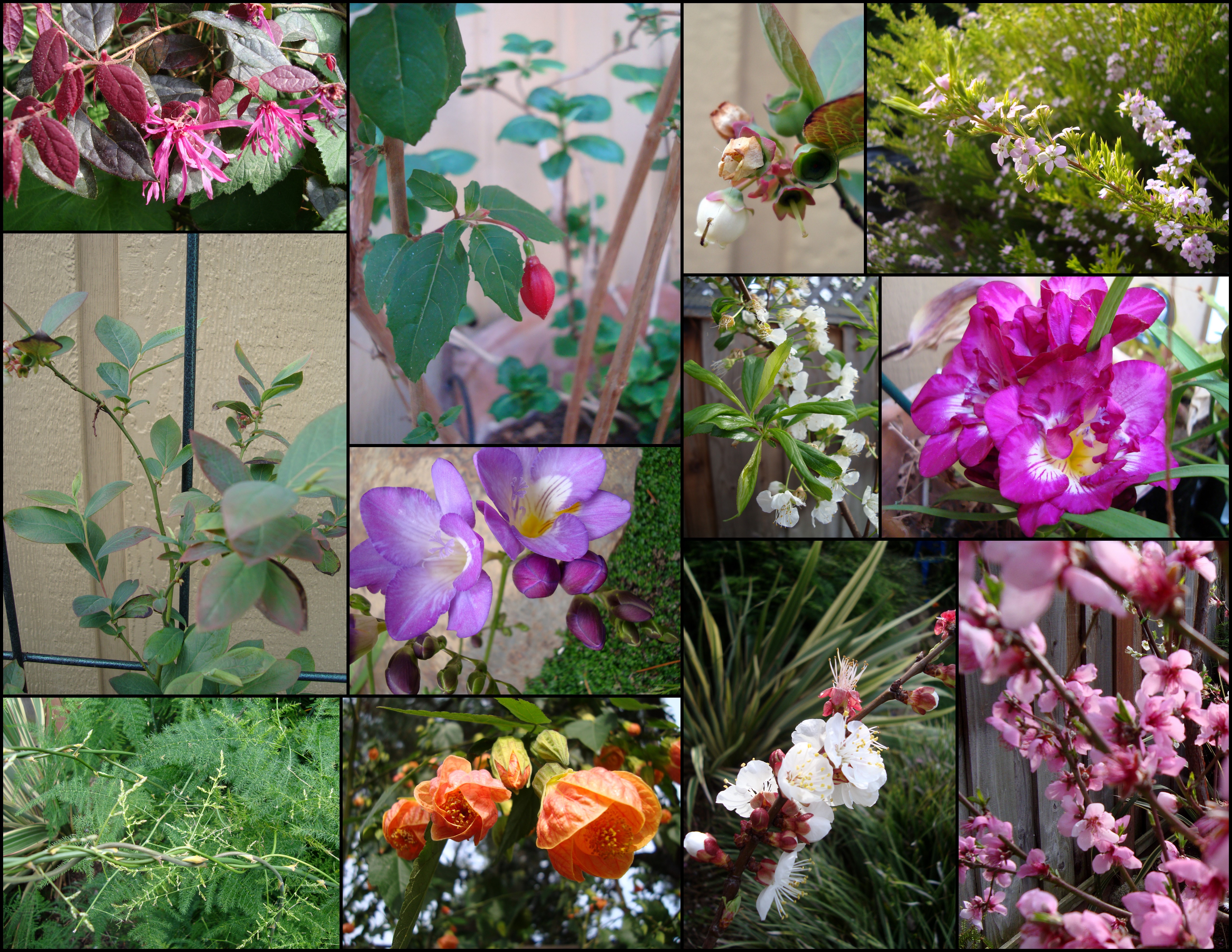
This Bud’s For…

The Buds Have It

If I finish that thought, I’m afraid I’ll be sued. It happened years ago to a florist who received a cease and desist order for using “This Bud’s For You” as the name of a flower shop. I never developed a taste for “Bud’s” or suds of the drinking variety, but I do love the buds in my garden.

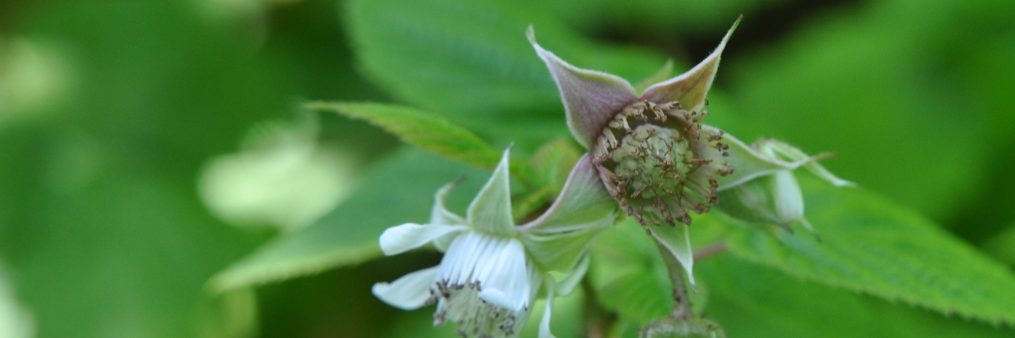
According to Wikipedia, “In botany, a bud is an undeveloped or embryonic shoot and normally occurs in the axil of a leaf or at the tip of the stem. Once formed, a bud may remain for some time in a dormant condition, or it may form a shoot immediately.”

I love their embryonic nature. I’m in my fifties and I still marvel at the wonders of a seed, a bud, a flower and a fruit, that perfectly orchestrated cycle of plant life. But it’s the bud that holds the promise of tomorrow; new beginnings, fresh starts.

This undeveloped, embryonic shoot is for you!

Ferns Unfold

As August unfolds, so too do the Ferns

I’ve always had an affinity for ferns. One of the first house plants to grace my home at the age of 16 was an Asparagus Plumosa. We lived in a two-bedroom apartment with no place to garden, so my mother let me keep a dozen houseplants on a stand just inside our front door. She once told me I handled the plants in the same manner as my deceased, horticulturist father. What a compliment!

My transient lifestyle continued well into my thirties as apartments and room-rentals came and went, but the houseplants always followed. In 1988 I bought two small ferns for $1.79 and planted them in a pot next to my bed. I traveled to Europe and back, leaving them in the care of a good friend. In 1989 they moved from Campbell to San Jose; then back to Campbell for a spell. I married and moved to Fremont for a year before we bought our home in 1996 in San Jose. By now they were a tangled twosome, bursting from a heavy pot, filled with thorns and in desperate need of a transplant, but they continued to climb and grow. At last liberated from their pot, they were free to spread along the back fence of our garden. They shelter cats in the heat of the summer and shade the occasional lizard. When I’m lucky enough to have some cutting flowers I add some feathery ferns to the bouquet. When my back is turned they twine around the fruit tree and climb through the fence. I brave the thorns to tame the wild beast, nursing nicks and cuts for a week. All relationships have their ups and and downs. But after 23 years, I would say that we are in it for the long haul. I wouldn’t have it any other way.