Gardening Without Rain or Pain

After a parched January, the skies opened up and delivered much-needed rain. I’m grateful for every drop. It’s fun to imagine droplets trickling down to the garden’s roots, perhaps encountering an earthworm as they travel. After years of gardening and drought in this semi-arid state, I take nothing for granted.

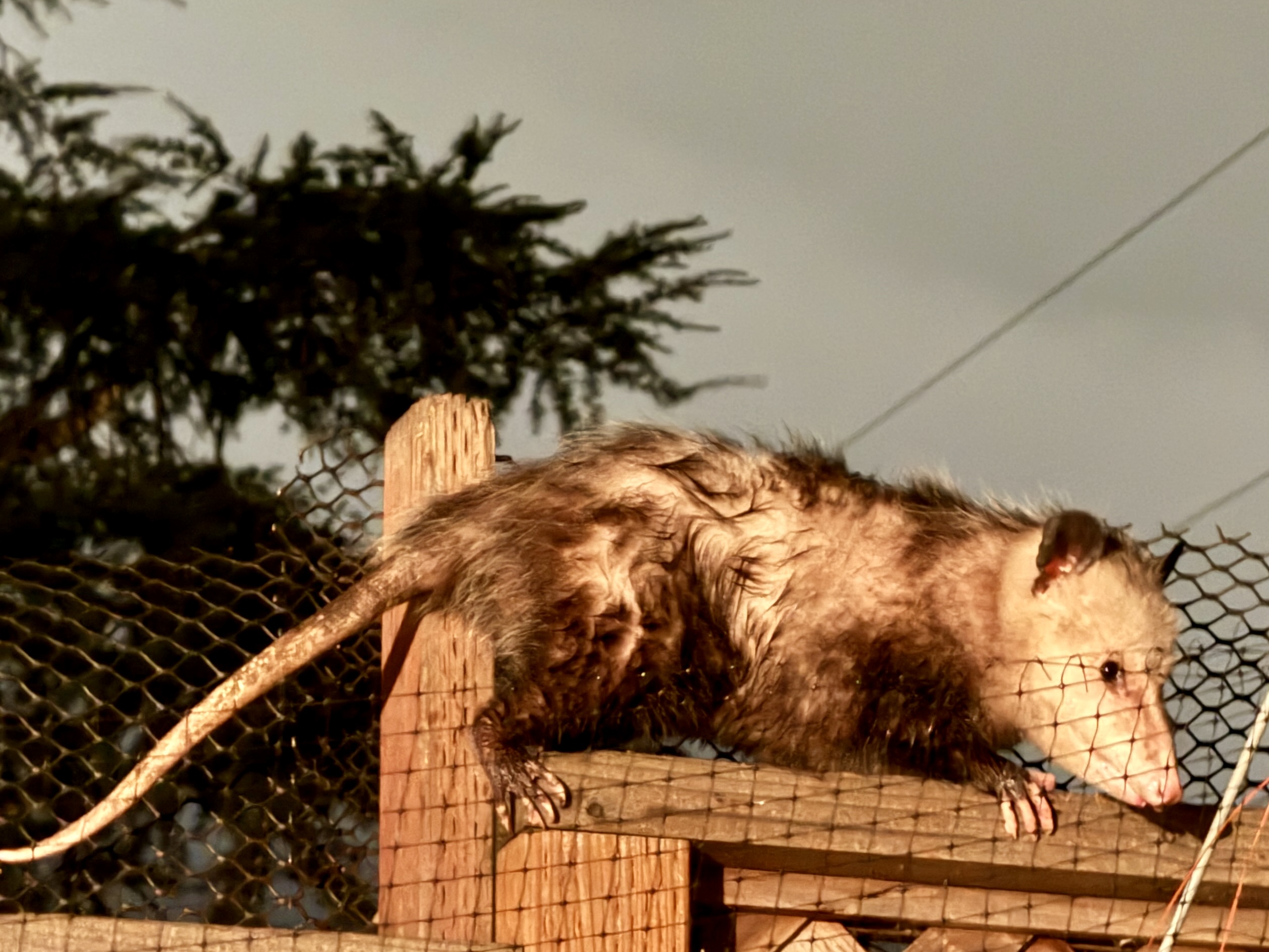
Various birds, squirrels, and perhaps this Virginia Oppossum drink from our fountain and the smaller birdbath on our deck. All thirsty guests are welcome.

We had one week in January with unseasonable temps in the seventies (F) and no rain; Mike ensured these water sources were clean and full.

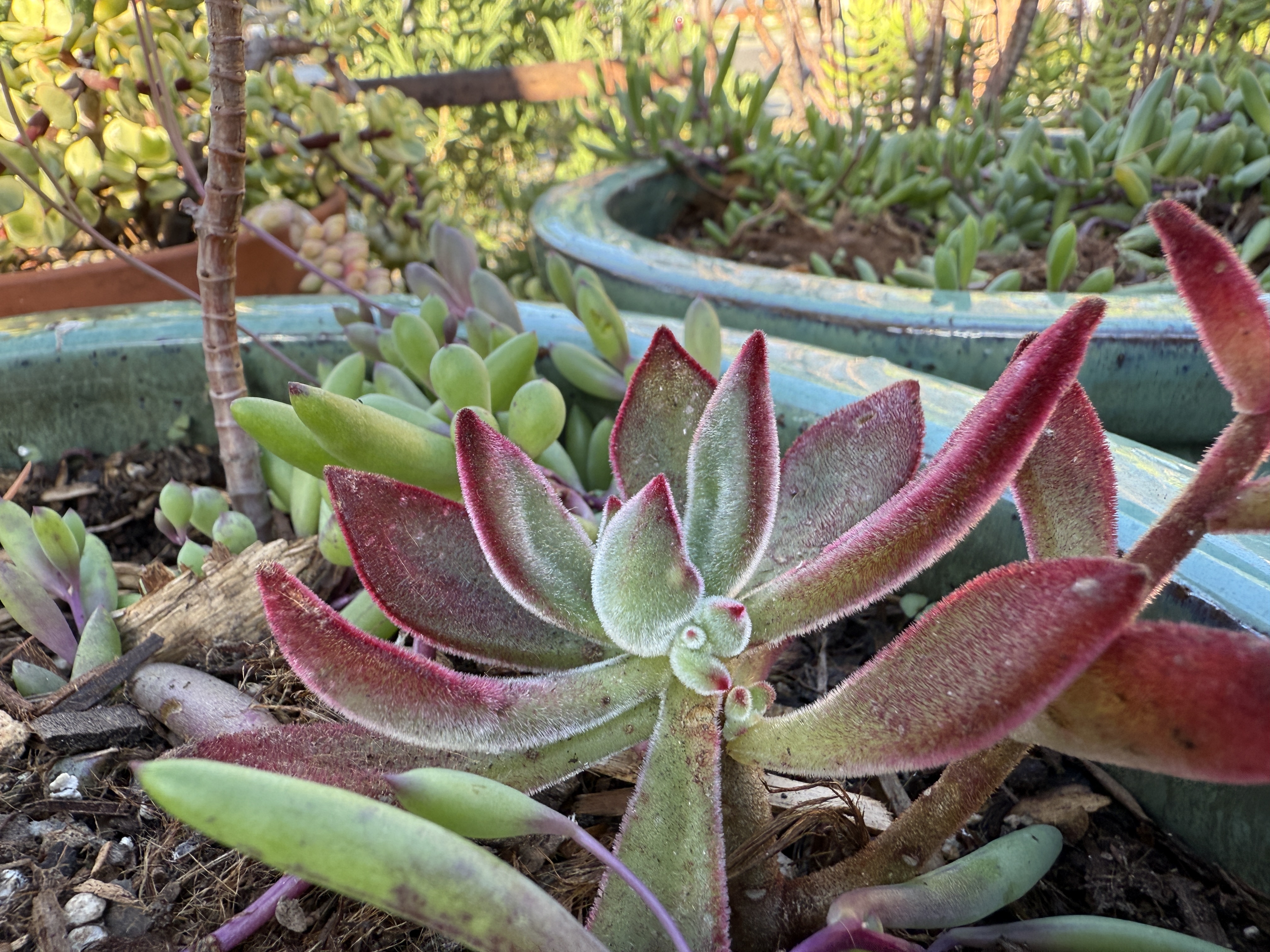
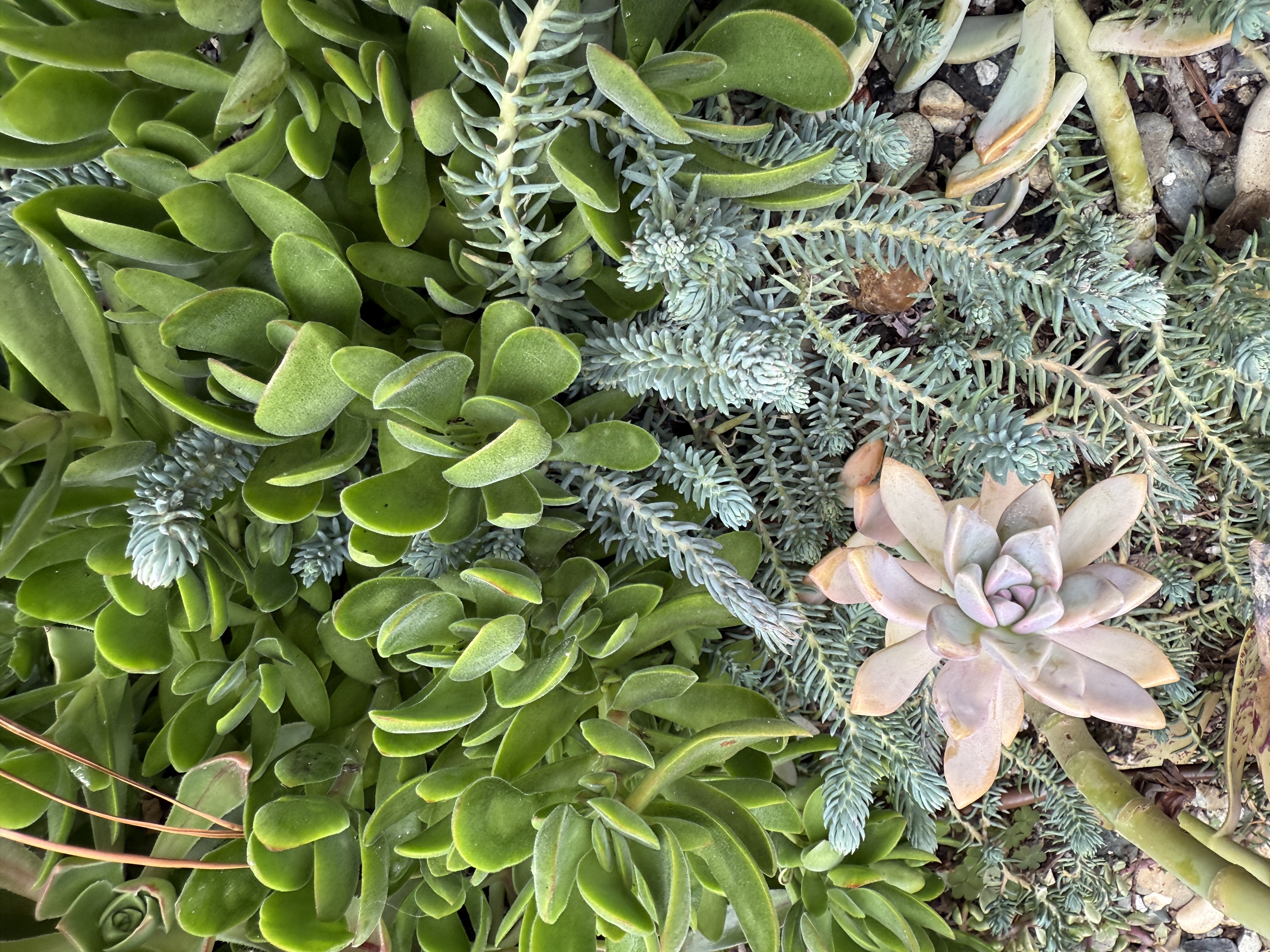
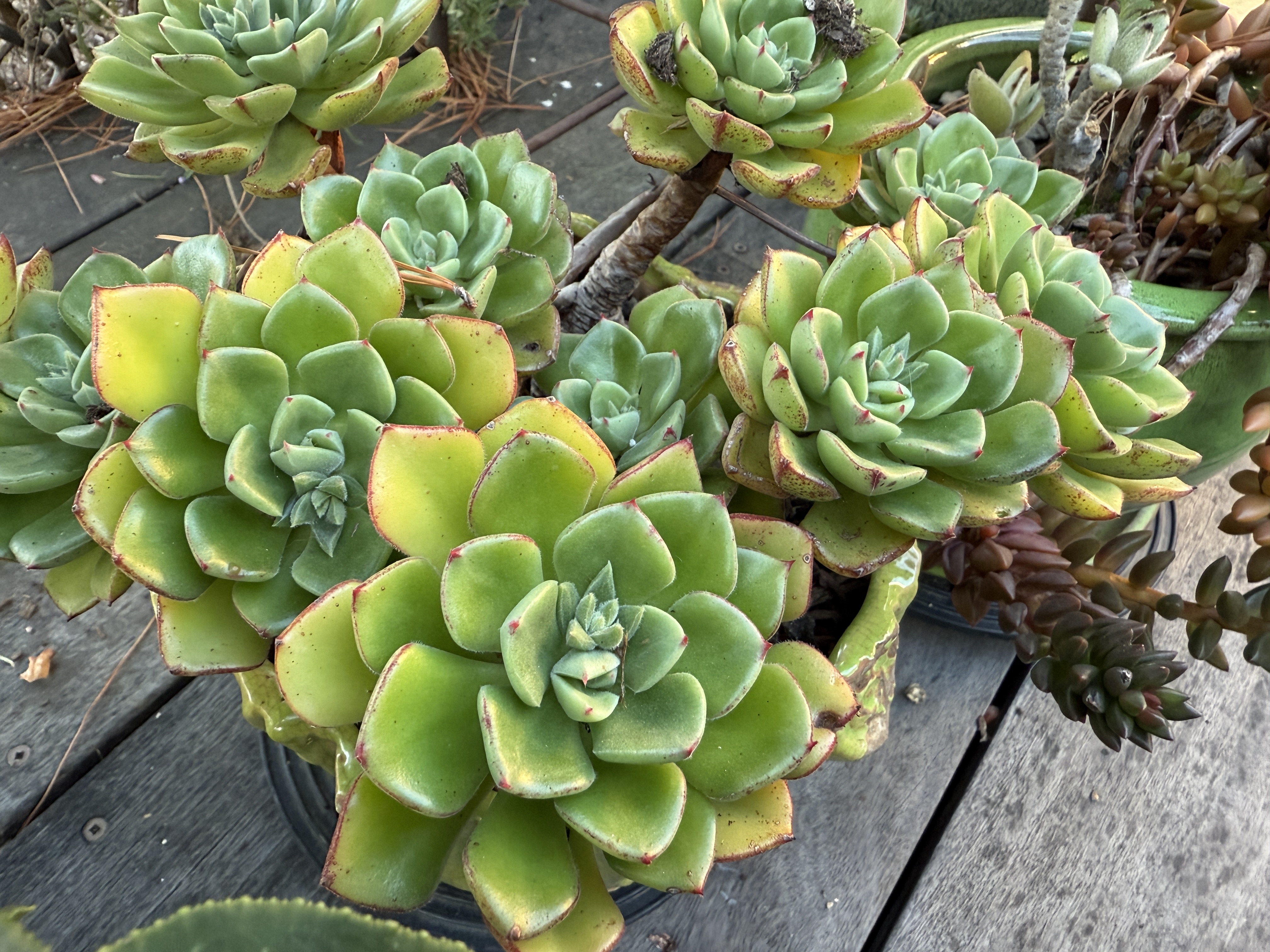
Over time, I’ve replaced potted plants along the deck with succulents. Succulents store moisture in their leaves, allowing the plant to go one to three months without water. Conversely, most summer annuals need near-daily watering, so I’ve learned to (mostly) resist when I head to the garden center.

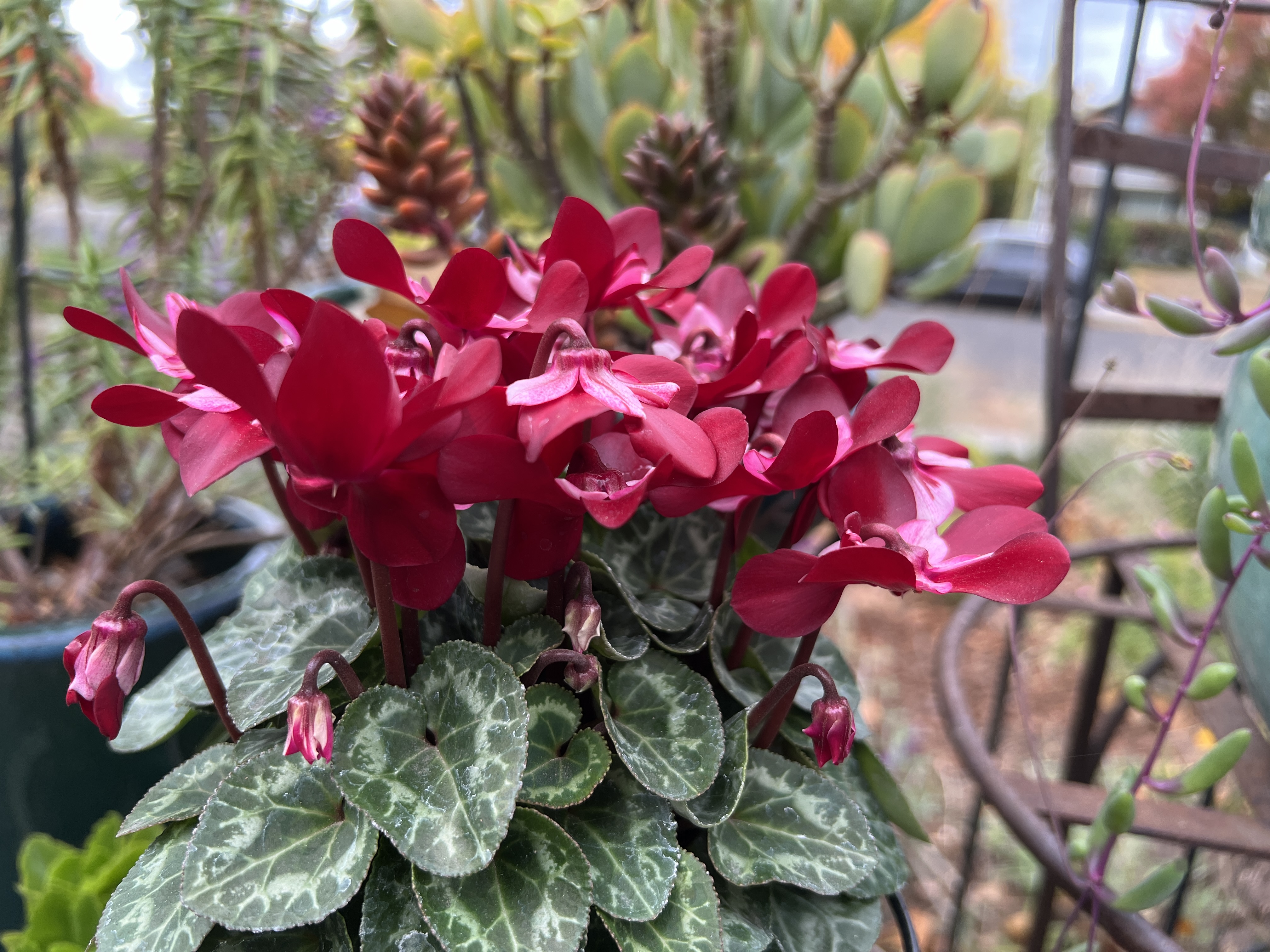
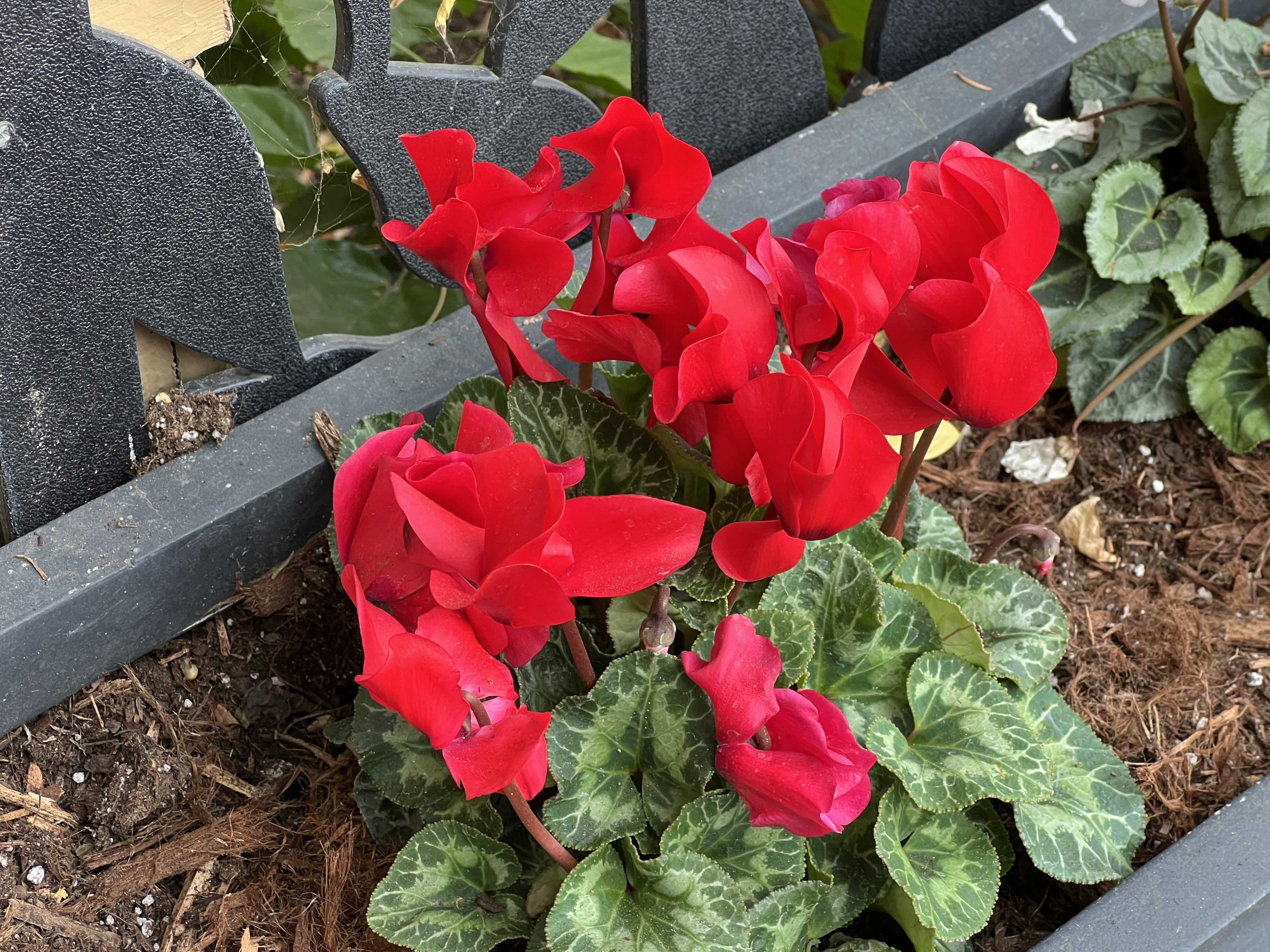
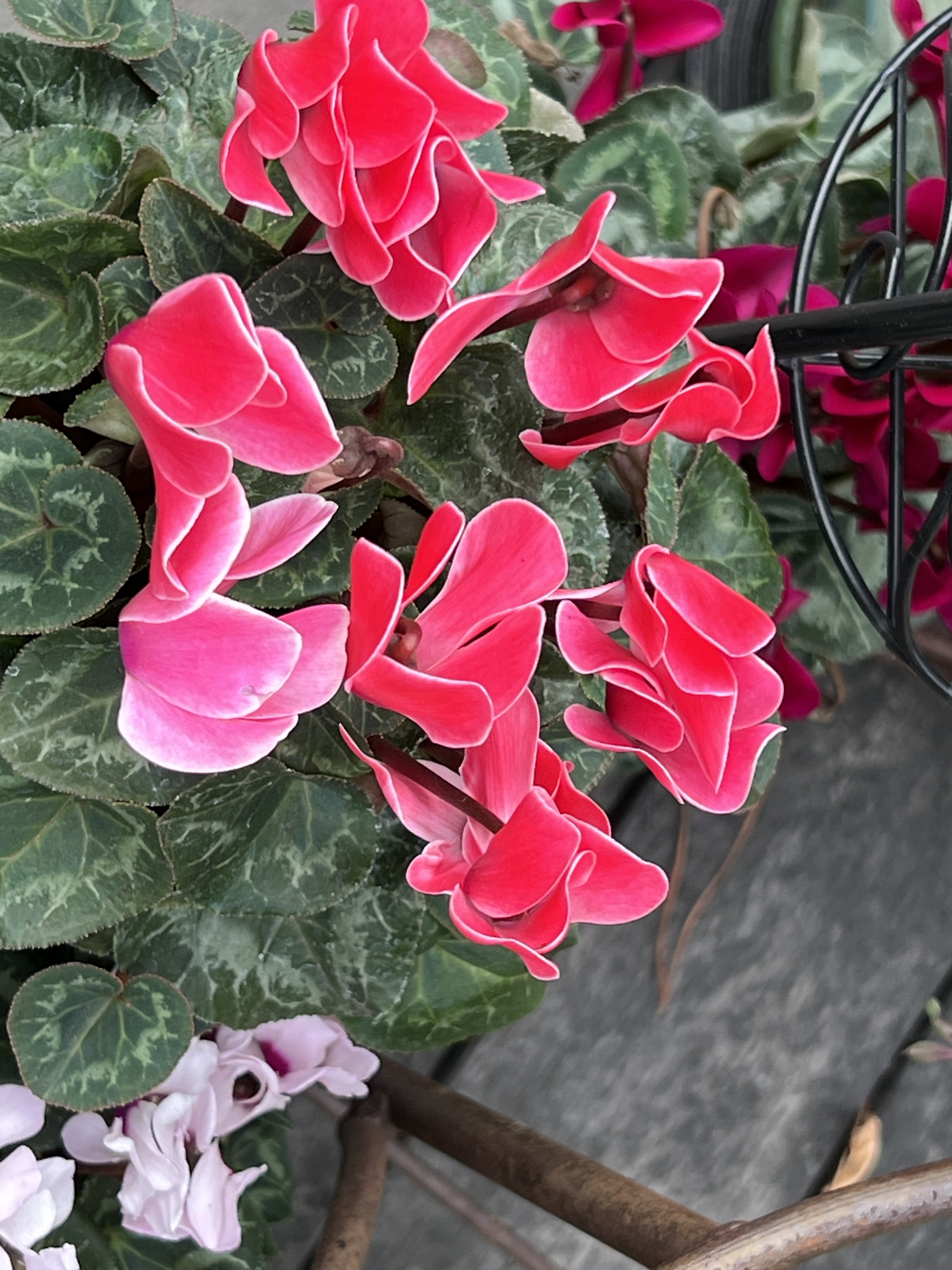
The newest addition to our deck is called an Othonna Capensis. It has thin purple stems and tiny yellow flowers. I transplanted it last summer into a waiting pot, but I wasn’t sure it would make it. The roots were loose and thin. To the contrary, it’s filled the pot nicely and its sending trailing purple offshoots down the sides. I add a few potted cyclamen for color in the fall, and when the corms go dormant, I replant them in different parts of the garden for color the following year.
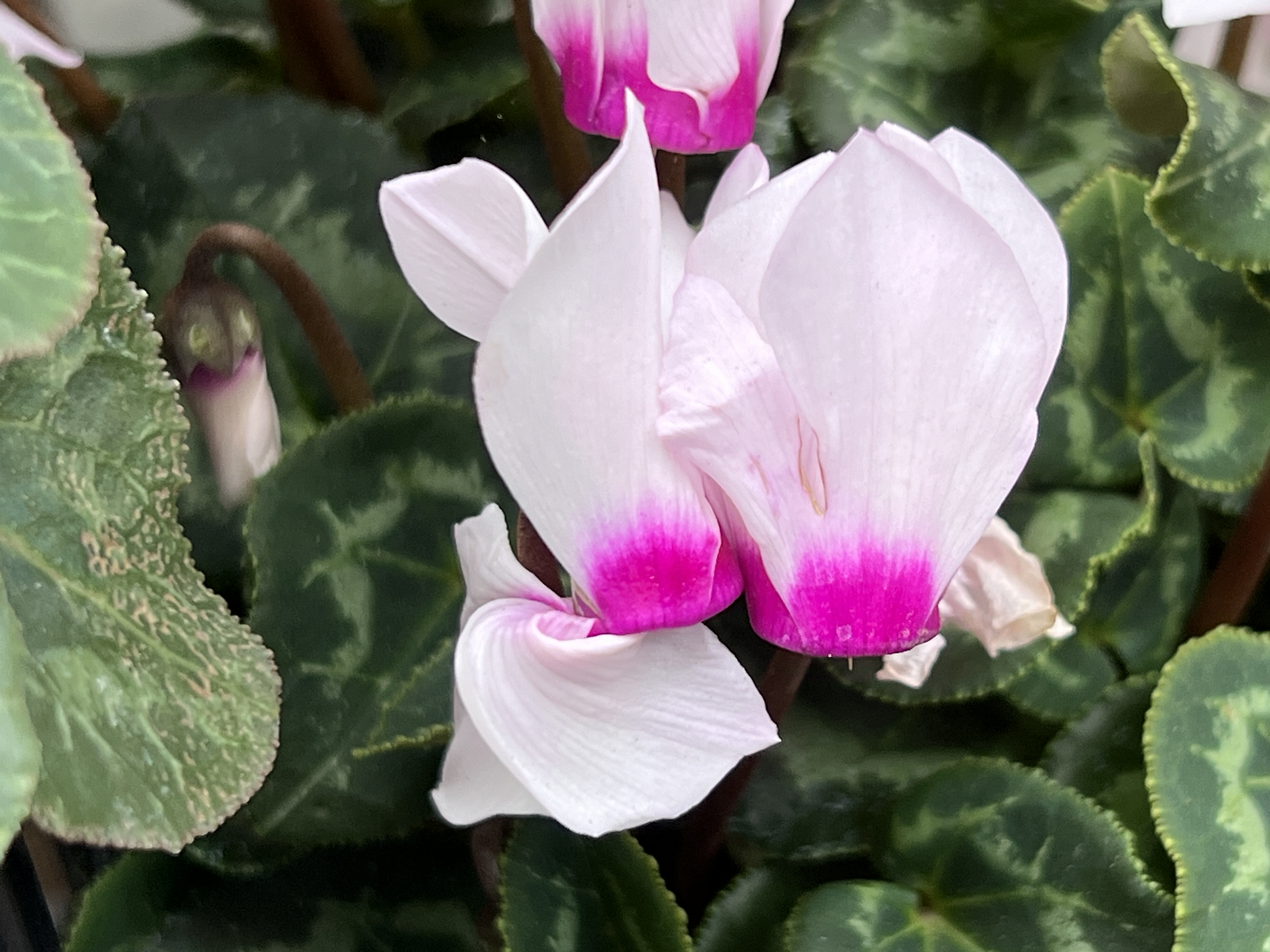
Working in my garden has been physically challenging these past few years as the pain in my hips worsened. After five years of maneuvering through the US medical system, I finally had a complete hip replacement this past Wednesday. From a medical perspective, the surgery was unremarkable, and I was able to come home the same day. I need to replace the left hip in the future, but I want to fully recover before contemplating another surgery.

If you garden in the Northern Hemisphere, you’ll know February is a decent time to be off your feet. The first six weeks of recovery will carry me through the end of winter, leading to the effervescent gifts of spring.

I’ll be ready.

Birds and Blueberries

A few months ago I took a beginning birding class from Let’s Go Birding! Although we learned about hummingbirds in the classroom, the field trip the following Saturday covered the gamut. Ever since I’ve enjoyed identifying the birds visiting our garden.

I have a nifty “Quick Guide” to commonly seen local birds to help me out. The illustrated guide gives a brief description of the bird’s size and coloring, along with the time of year they appear in your area. They’ve even provided a tiny box so you can check off the ones you’ve seen. Who can resist a little check box? Not me!

Ana's Hummingbird

Ana’s Hummingbird

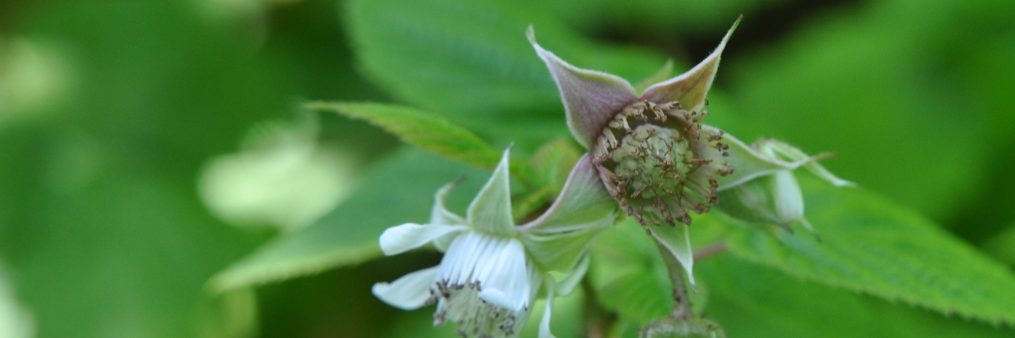
The Ana’s hummingbirds are here year round. We have three feeders to choose from, along with Mexican Sage, Abutilon, Raspberries and a few other flowers they enjoy. During nesting season the females also eat soft spiders and other small insects for protein.

lesser Goldfinch

Lesser Goldfinch

I spotted a Lesser Goldfinch this morning in the triangle garden. This one is enjoying  Bachelor Button seeds. I didn’t know before today that Bachelor Buttons and sunflowers are from the same family. They’re both members of the Asteraceae or Compositae family, a favorite of this tiny yellow bird.

Bewick's Wren

Bewick’s Wren


Bewick’s Wrens
eat the eggs, larvae, pupae, and adults of insects and other small invertebrates. They’ll occasionally eat seeds and fruit. I spied this one over the weekend on the back fence.  Dropped fruit means lots of tiny fruit flies, so as soon as I cleared out with my camera, I’m sure a smorgasbord was under way.

So, what do blueberries and birds have in common? Absolutely nothing. I’m just delighted to have my first handful of blueberries flourishing in the garden.


blueberries

Blueberries

Nesting Material: Do’s and Don’ts

First, a retraction.  For the last few years I’ve been stuffing mesh apple bags with laundry lint, an offering for the neighborhood birds and squirrels.  I’m not sure where I originally found the idea or if I came up with it on my own.

I asked about the lint at a recent birding class, and they said that experts no longer recommend it. The owner of our local birding store said it compacts when wet.  According to this Humane Society article it ” crumbles, and it may contain harmful residues from detergents and fabric softeners.”  I use green products in the wash and don’t use a softener so I thought it was fine.  Now that I know better, I’m spreading the word.

Conversely, the birding store suggested offering animal fur.  This seemed  counter-intuitive to me since birds are cat’s prey, but I decided to give it a go.  Instead of tossing the cat fur collected in the brush, I’ve been tucking it into the trees in our garden. Would we have any takers?

The answer is yes, and today I got photographic proof.

With my camera in hand, I saw a bird lift out of the shrubs with something white in her mouth. Could it be?  I snapped from a distance, but couldn’t be sure till I looked at the picture close up.  Sure enough, this bird has a mouthful of Beijing’s fur.  Yeah!!!!

House Sparrow

House Sparrow

So to recap: Laundry lint is bad for nesting but animal fur is a hot commodity. My apologies for leading anyone astray.