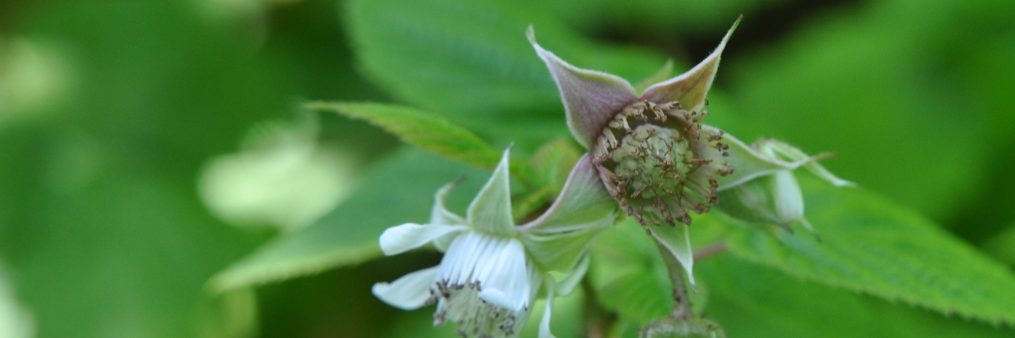
Weeds are imposters. They’re like a spy at a cocktail party, standing tall in their green suit, effortlessly blending in. To the untrained eye, they look like everyone else at the party.

They can’t fool this gardener. I’m a professional.
Not really, but as weeds go, I know things.
I’ve been uprooting the same half a dozen weed varieties in this garden for over twenty-five years. I know when they’ll appear in the garden, and I’ve learned ways to minimize them. Eradication, however, is futile. To garden is to weed.

I don’t mind weeding for the most part. I do it mainly by hand and at times find it therapeutic.
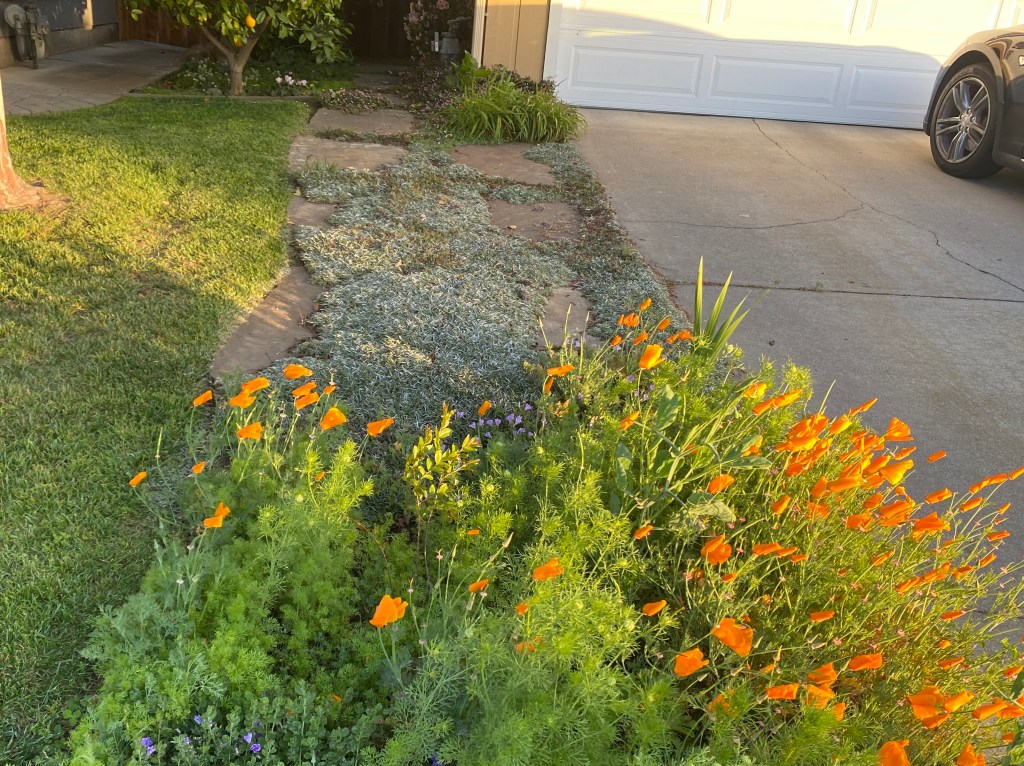
Oxalis, however, is a scourge. Oxalis grows along the walkway on both sides of the driveway. Dymondia grows between the paving stones. It’s described as “a dense mat that over time will choke out weeds.” Ha! The oxalis mocks me. It spreads its roots under the paving stones, then grows up through the dense planting. If flowers quickly, so if I don’t nip it in the bud, it quickly produces more weeds.

Oxalis hides in other parts of the garden, but it’s easier to pluck when you can get at the roots. I have to be in a reasonable frame of mind to weed the walkway, knowing that the oxalis will live another day before I start.
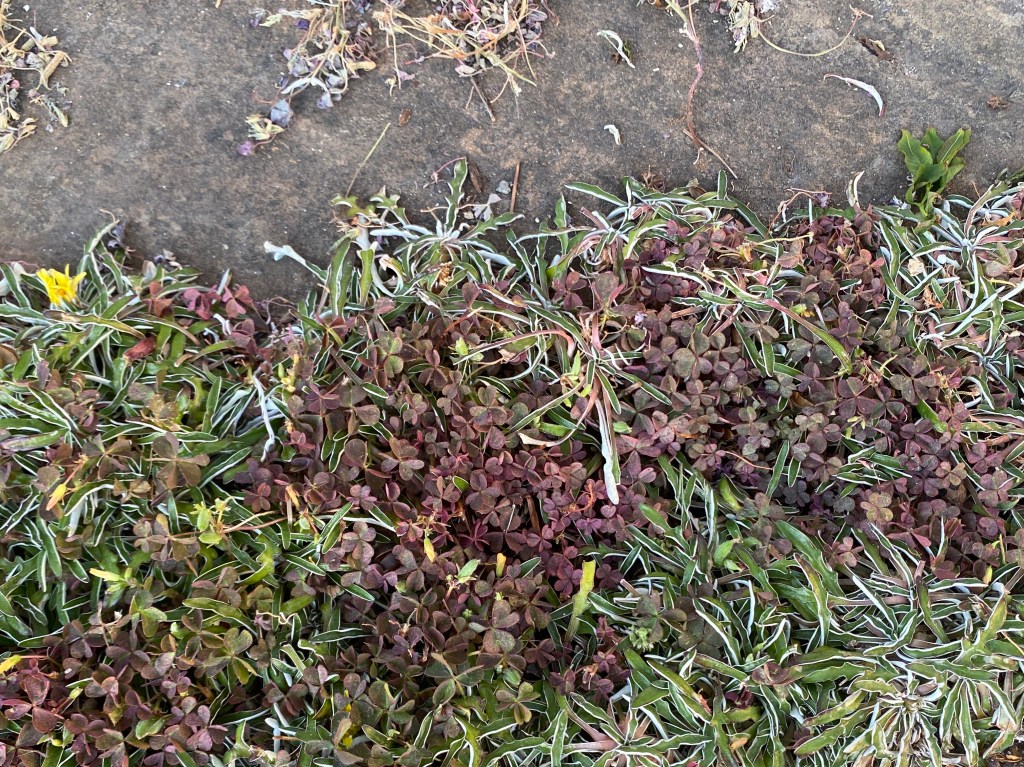
Even the origin of this weed’s name sounds sinister:
Early 17th century via Latin from Greek, from Oxus ‘sour’ (because of its sharp-tasting leaves).
Lexico.com
Oxalis is native to North America. It grows in poor soil and needs very little water to survive. It flowers eight months of the year. It’s sounds like a garden darling if you’re fooled by this sort of thing.

I know better. Yes, it’s a lovely green, but the oxalis has to go.
 Gardening Nirvana