The Winter That Never Was

daffodils

Daffodils growing in the curb garden

Spring is technically less than a month away, but the view outside my window is shouting, spring, spring, spring!

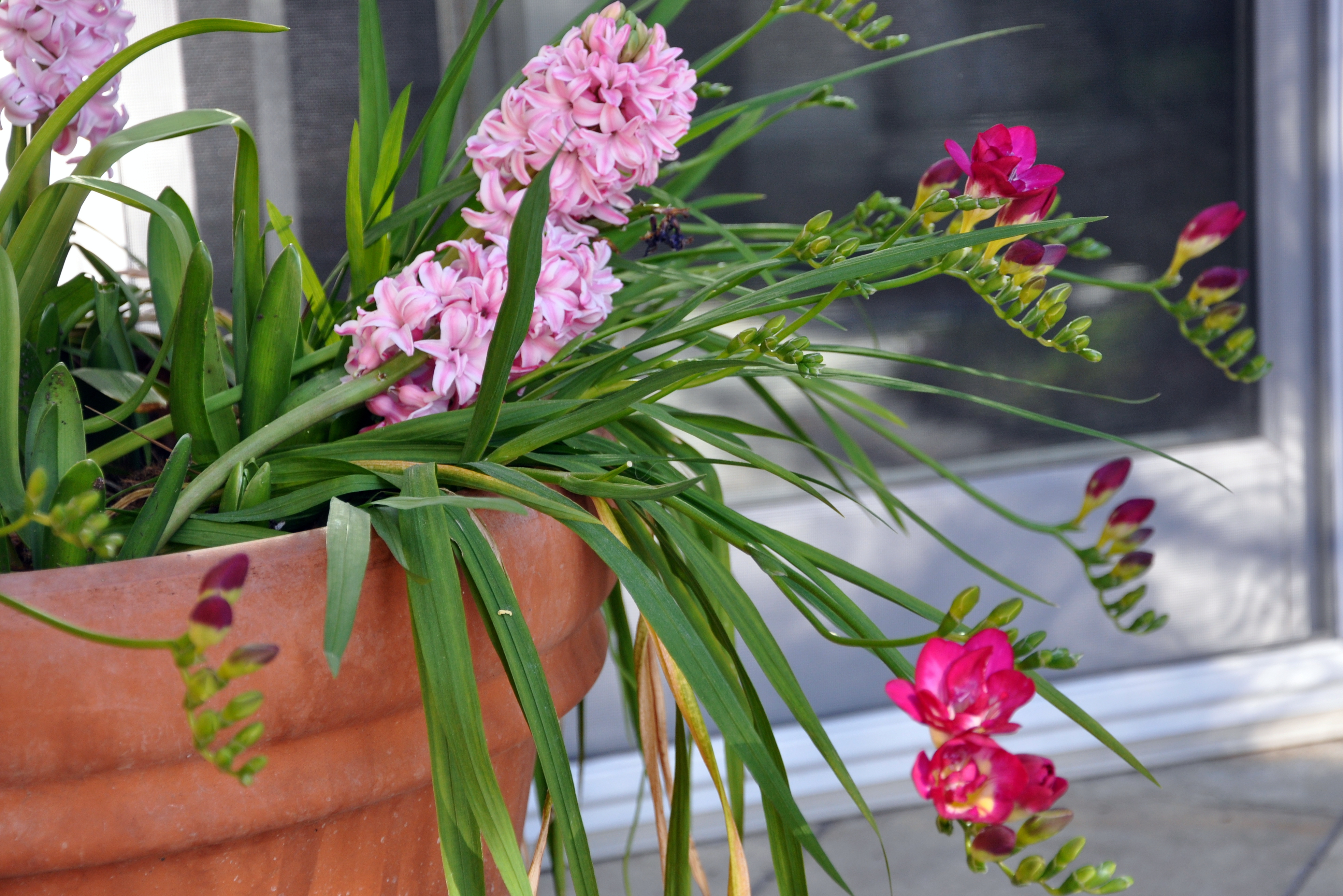
pink hyacinth and fuchsia freesia

‘William and Kate’ Hyacinth and fuchsia Freesia

San Jose, California is more that two-thirds of the way through the winter that never was.

Initially, I gave Winter the benefit of the doubt. Though the calendar announced the arrival of winter solstice in late December, Winter decided to take his time. As a woman in her mid-fifties, I respect that. I no longer move like a twenty year old and my memory isn’t that great either. Winter, however, forgot about January entirely. No rain and above-average temps ruled the month. Winter left us high and dry, leading us into year four of our historic drought.

Okay, so December and January came and went, but surely February would live up to its winter reputation: cold, windy and wet. We’re ready.

san jose temperatures february

Source: Accuweather

As you can see by the Accuweather chart above, virtually every day this month has been warmer than average, sometimes by as much as 12 degrees. Winter says no can do.

While the rest of the country is battered by rain, wind, sleet and snow, it seems ungrateful to complain. I enjoy beautiful weather as much as the next gardener, but it feels like cheating. It’s supposed to rain in January. February is known for cold, windy days and a good splashing isn’t unheard of either. Our forests, rivers, lakes and wildlife depend on it.  Winter left town and I miss him terribly.

Winter, won’t you please come home?

Poetry and Rain: A Bit of a Ramble

rainy day

Mouse doesn’t understand why I’m outside in the rain


Dancin’ In The Rain

So what if it drizzles
And dribbles and drips?
I’ll splash in the garden,
I’ll dance on the roof.
Let it rain on my skin,
It can’t get in-
I’m waterproof.

~Shel Silverstein

Rain

The promised rainstorms arrived in earnest late last week. What a welcome relief. Locals refer to these tropical storms as the Pineapple Express. They arrive from Hawaii, drenching us in warm rains, instead of the colder storms that push down from the north. You would never know it was February.

I reveled in the refreshing, cleansing rain and I’m sorry to see it go so soon.

The week ahead promises record-breaking heat in its place. I find it disorienting adjusting to this new normal.

Poetry is Dead

[The opinions that follow are not necessarily those of the blogger, nor do they reflect the opinion of our funder.] Funder? Oh I crack myself up.

On the drive home yesterday, my youngest son mentioned his school assignment: find and memorize a poem for a poetry slam. Both he and his older brother think that poetry is dead. “No one writes Greek poetry any more, Mom.”

I happen to like poetry. I defended my opinions and pointed out that the songs they love are poetry set to music. They weren’t convinced. The conversation ended when we got out of the car. Clearly I was outnumbered. But today when I rediscovered Silverstein’s poem the memories flooded back. My boys may have forgotten all those years we snuggled with a good book (including poetry), but I know that all that early reading laid a foundation deep within their brains. I read to those boys every night, many an afternoon, in book stores and in libraries. The backseat of the car always had a stash of books and I kept tiny books in my purse.

Poetry isn’t dead. It’s merely on an extended holiday, along with the rain. In the interim, I’ll drum my fingers to the rhythm of “it’s raining, it’s pouring, the old man is snoring.” Across the room, my son’s Beats™ go on.

About That Rain

lexington bridge 2-3-2015 1-53-33 PM

A divided reservoir: bridge in the background, all that grass used to be under water

As year three of the California drought drew to a close, something amazing happened: two weeks of storms making it one of the wettest Decembers in recent history. There was plenty of talk about the end of the drought and everyone felt some relief. That series of storms dumped enough rain to put us well above average for the season.

Then there was January. Typically one of our wettest months, San Jose registered “a trace of rain” measuring 0.02 inches of rain. According to our local paper, January was the driest on record.

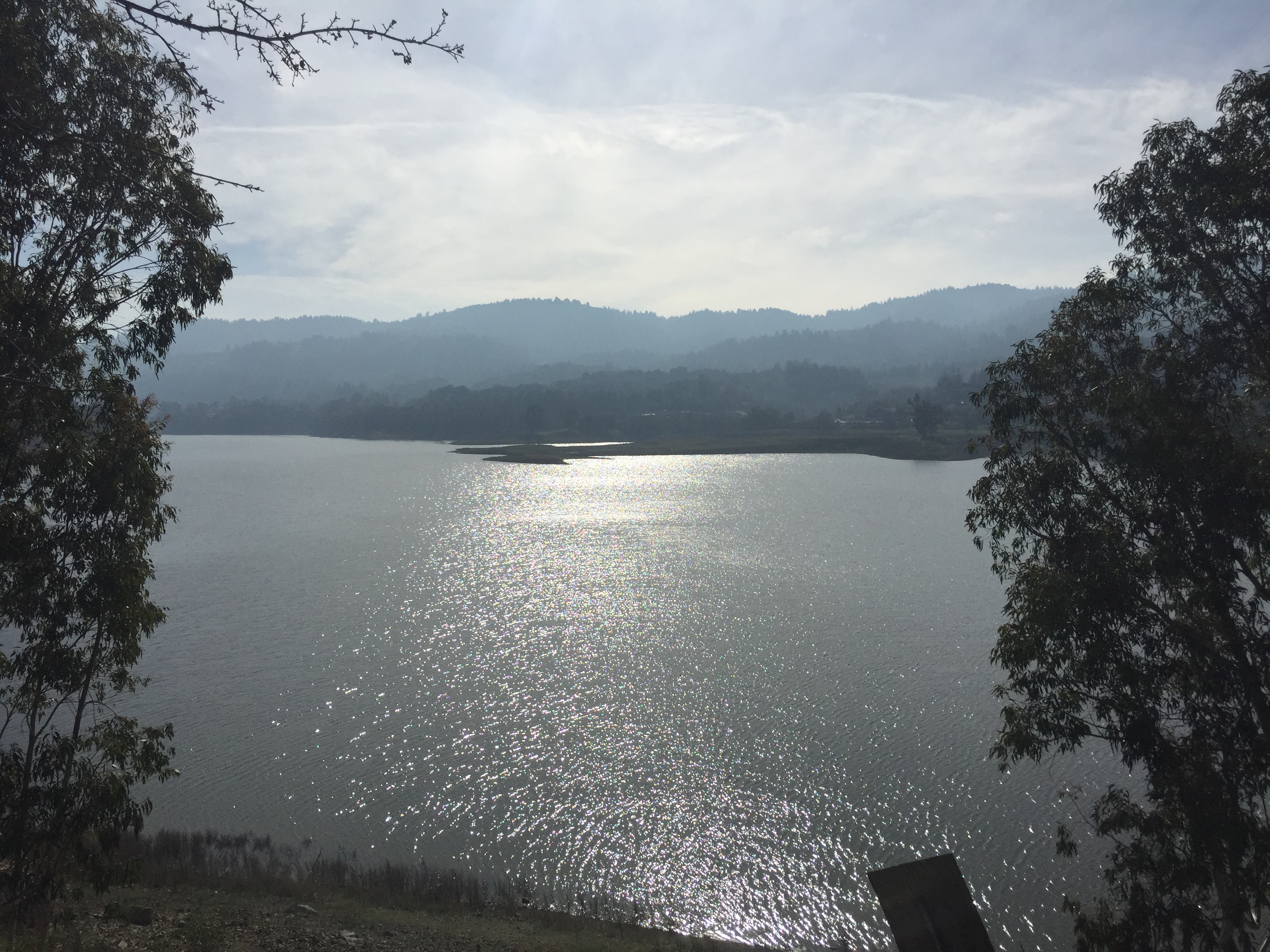
Lexington Reservoir

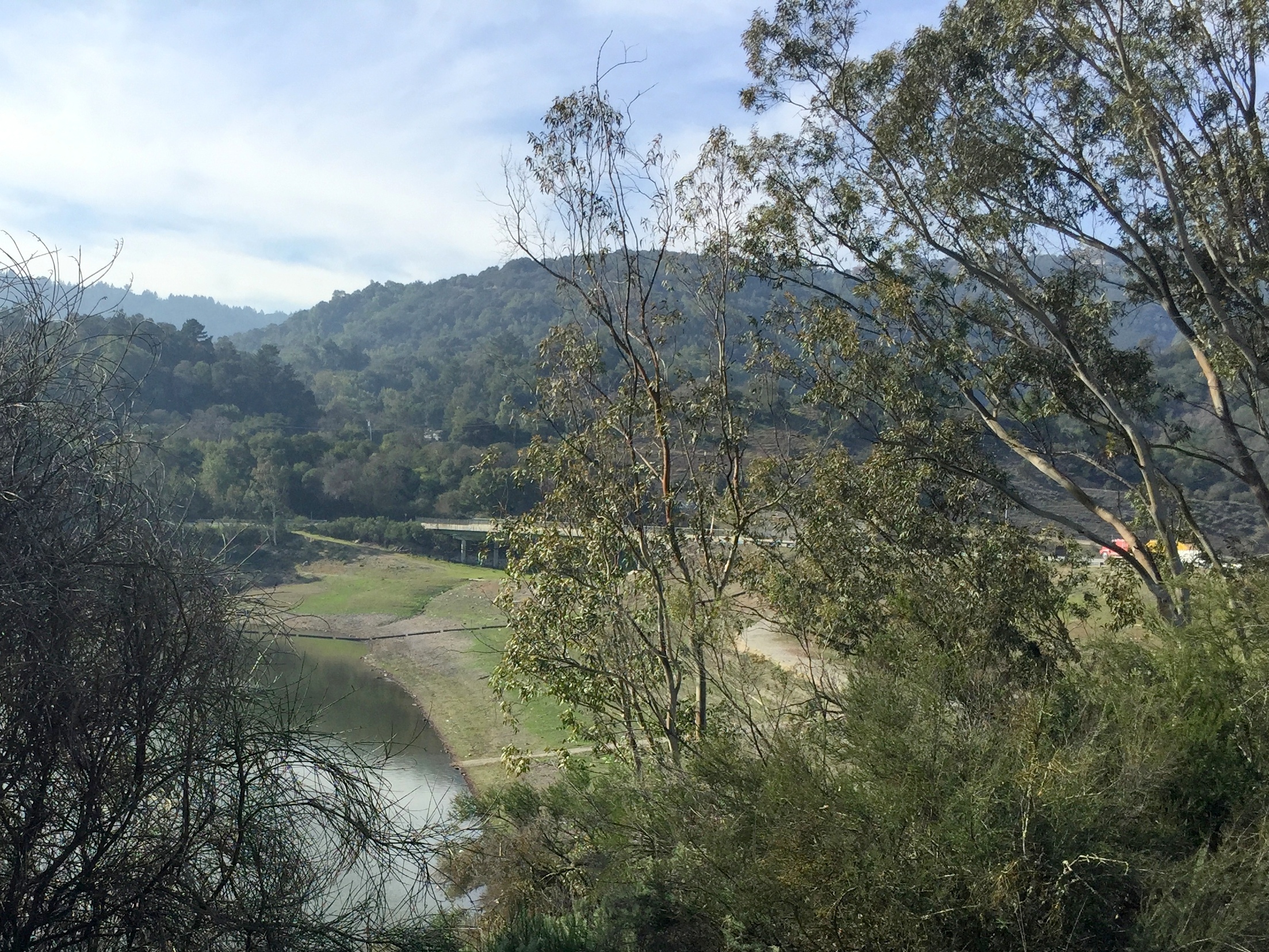
I drove over the bridge crossing Lexington Reservoir on my way home this afternoon.  The county built the reservoir in 1952. It serves as one of the primary sources of fresh water in Santa Clara County.  I made a detour so I could take a few pictures.

Lexington Reservoir 2-3-2015 1-58-22 PM

Lexington Reservoir currently at 32% capacity

Santa Clara County Water District captures water in the reservoirs during the wettest months, then they release it into the ground water basin during the dry months. It provides more than half the fresh water used in our county. The water levels continue to fall, compounded by the unseasonably warm temperatures.

Recently Updated7

Lexington Reservoir: The exposed grassy area used to be under water

lexington reservoir and santa cruz mountains

Heavy smog brought us another spare-the-air day. No rain or wind lead to unhealthy air quality

Gardening During a Drought

It feels irresponsible at this stage to plan a summer garden. We’ve talked of adding a water catchment system to use for irrigation, but unless it rains, it won’t do us any good. I researched a grey water system last year, but they aren’t without there challenges. The other half of the household is not on board.

I’m currently sheet-mulching half of the lawn in the back garden. I’ll plant drought-tolerant natives when the soil is ready. What remains is a small patch of green near the patio.

These are ‘small garden’ problems. Communities in California that rely on well water have seen that source run dry. Farmers need water to raise crops, and everyone needs clean water for drinking, cooking and bathing.

Gardening Nirvana

What is a gardening blogger to do? Should I rename this blog The Guilty Gardener? Should I abandon a garden blog altogether? I’m at a bit of a crossroads.

As we head into year four of this drought, we have a few bright spots on the horizon. Three days of storms are in the forecast this week. February and March still lie ahead. But it could be years before we recapture lost ground. Water is not mine to waste.

I would love to hear from you. What would you do in my shoes?

The Atlantic Photo: Dramatic Photos of California’s Historic Drought

All or Nothing: Rain in San Jose

rain on the street

Over worked storm drains send rain water down the street (that’s our curb garden on the left)

San Jose received about six inches of rain last year, marking year three of our drought. A more typical rainfall averages 12 – 18 inches annually. With that in mind, you can appreciate how welcome our recent storms have been. Unfortunately, the past 24 hours brought rain in the other extreme. Here’s what Accuweather had to say:

A Flash Flood Watch and a High Wind Warning are in effect for the San Francisco – Coastal North Bay including San José. Moderate to heavy rainfall and high winds are expected with flash flooding possible across northern California.

mid day rainfall

Mid-day rainfall

The public should closely monitor weather forecasts and take precautions. Driving conditions may be very poor at times during this severe storm.

stranded car

Stranded car. Police on the scene, help on the way

Several area schools closed for the day and we were all encouraged to stay home if we could. My husband worked from home and to my relief they cancelled a business dinner in the city due to power failures and flooded streets. I’m glad he is close to home on a night like this.

A few of the storm drains on our street backed up for a few hours, but otherwise it’s been okay. The North Bay, about two hours from here, took the brunt of the storm which continues till early Friday morning. It’s been an interesting day.

Downed trees and power lines are the biggest safety risk in storms like this. I learned something new today as well. After several years of drought, large trees shrink their roots in an effort to conserve water. When heavy rains hit all at once, trees are at greater risk of falling. I never knew.

This beautiful pine tree shades our garden year round and provides shelter and exercise for the squirrels. The tree grows in our neighbor’s yard at the corner of our shared fence. An arborist thinned the tree canopy just three weeks ago. At the same time they declared the tree healthy and in sound condition. What a relief.

pine tree pruning

Neighboring Pine Tree Gets a Trim

Californian’s enjoy moderate weather year round, so this is a big deal for us. Other parts of the country experience heavy snowfall, tornadoes, hurricanes and bitter cold. We simply suffer the occasional heat wave and of late, this confounding drought.

My hope is that the rest of the Bay Area weathers the storm as well as we have, and that we can appreciate this gift of moisture for our rain-parched state.

Wherever your are, I hope you’re safe, warm and dry. Cheers to you.

Raindrops on Noses and Sheet Mulch in Gardens

sheet mulching in the rain

Sheet Mulching in the Rain

Back to back storms this week lead to the usual traffic mayhem. A common refrain around here is that Californians don’t know how to drive in the rain. In the garden, however, all is well.

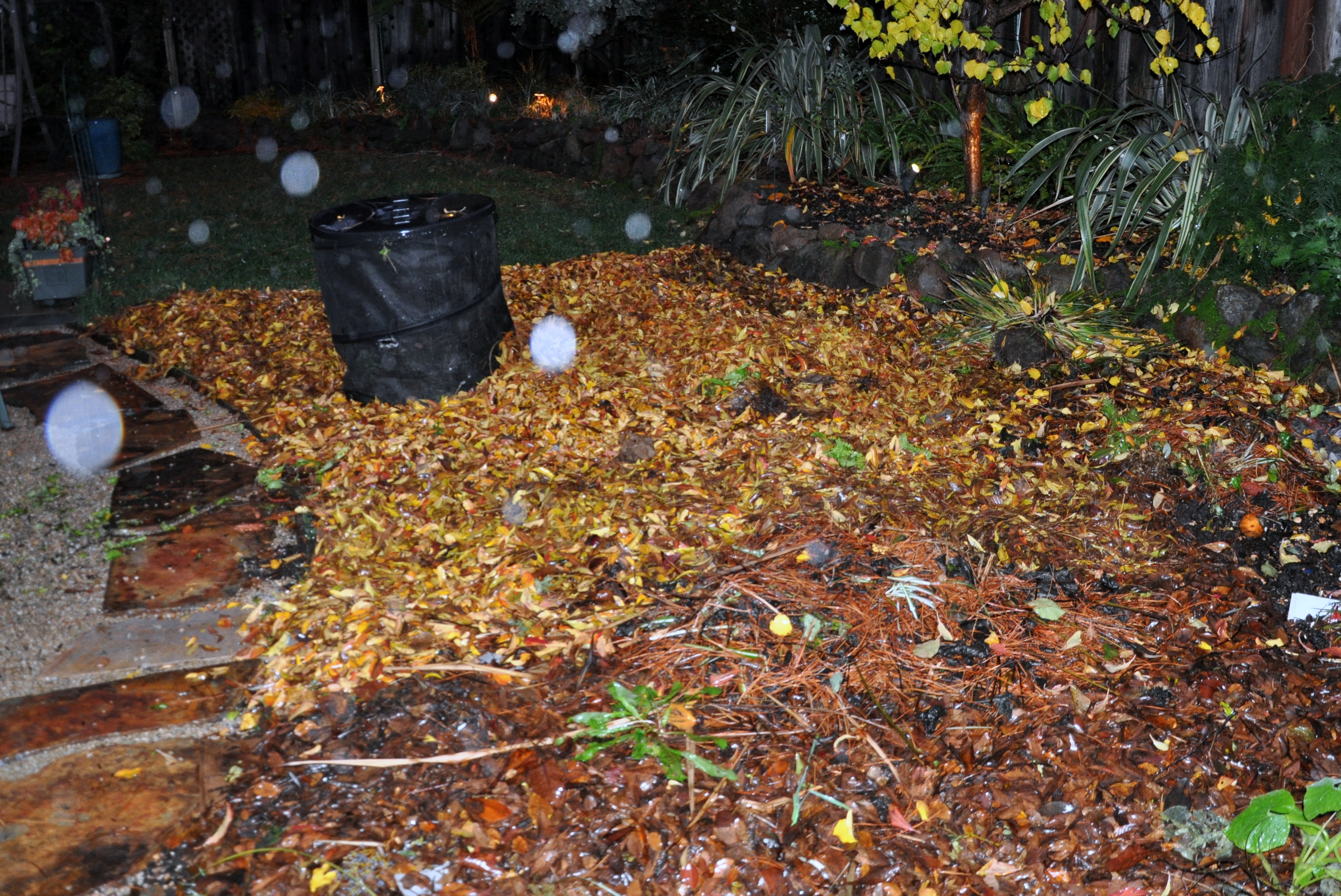
Anxious to finish my sheet mulching project, I’ve been gathering additional cardboard wherever I go. With my son’s help, I put down the last of the cardboard yesterday under a light rain.

With the cardboard in place, it was time to add a layer of garden waste.

Serendipity! Today’s storm brought a bundle of leaves to the ground, begging to be scooped into a wheelbarrow. I happily obliged.

It takes a lot of leaves to mulch a large area of lawn, so I gathered leaves in front of three different houses. No one complained! ;-) I started my sheet mulching project over a week ago, and after thirty minutes of digging managed to throw out my neck. It’s been a mess ever since and I worried I wouldn’t be able to finish the project on my own.  The better news is I did it. I raked, swept and scooped leaves for over two hours late this afternoon without stressing my neck. Ironically it hurts to stand up straight or lean back, but I’m fine bending over.

Whenever it rains, I find myself humming ‘Raindrops on roses’ from one of my all-time favorite movies, The Sound of Music. With apologies to Oscar Hammerstein I’ve come up with a gardening rendition. In case you’re not familiar with the tune, I’ve included  an audio clip below.

Raindrops on noses, this weather I’m smitten
Dark, cloudy skies, stormy weather has bitten
Brown, rotting leaves rainy weather does bring
These are a few of my favorite things.

Waterlogged earthworms are shaped like a noodle
Scooped from the gutter, in oodles and oodles
Soggy wet weather it makes my heart sing
These are a few of my favorite things.

Sweeping the gutters, the rain water splashes
Raindrops that stay on my nose and my glasses
Storm after storm rainy weather it brings
These are a few of my favorite things.

When my gloves tear, and my neck stings
When I’m feeling had
I simply remember my favorite things
And then I don’t feel so bad.

The incomparable Julie Andrews sings My Favorite Things in the 1965 movie classic The Sound of Music.

The Case of the Shrinking Lawn

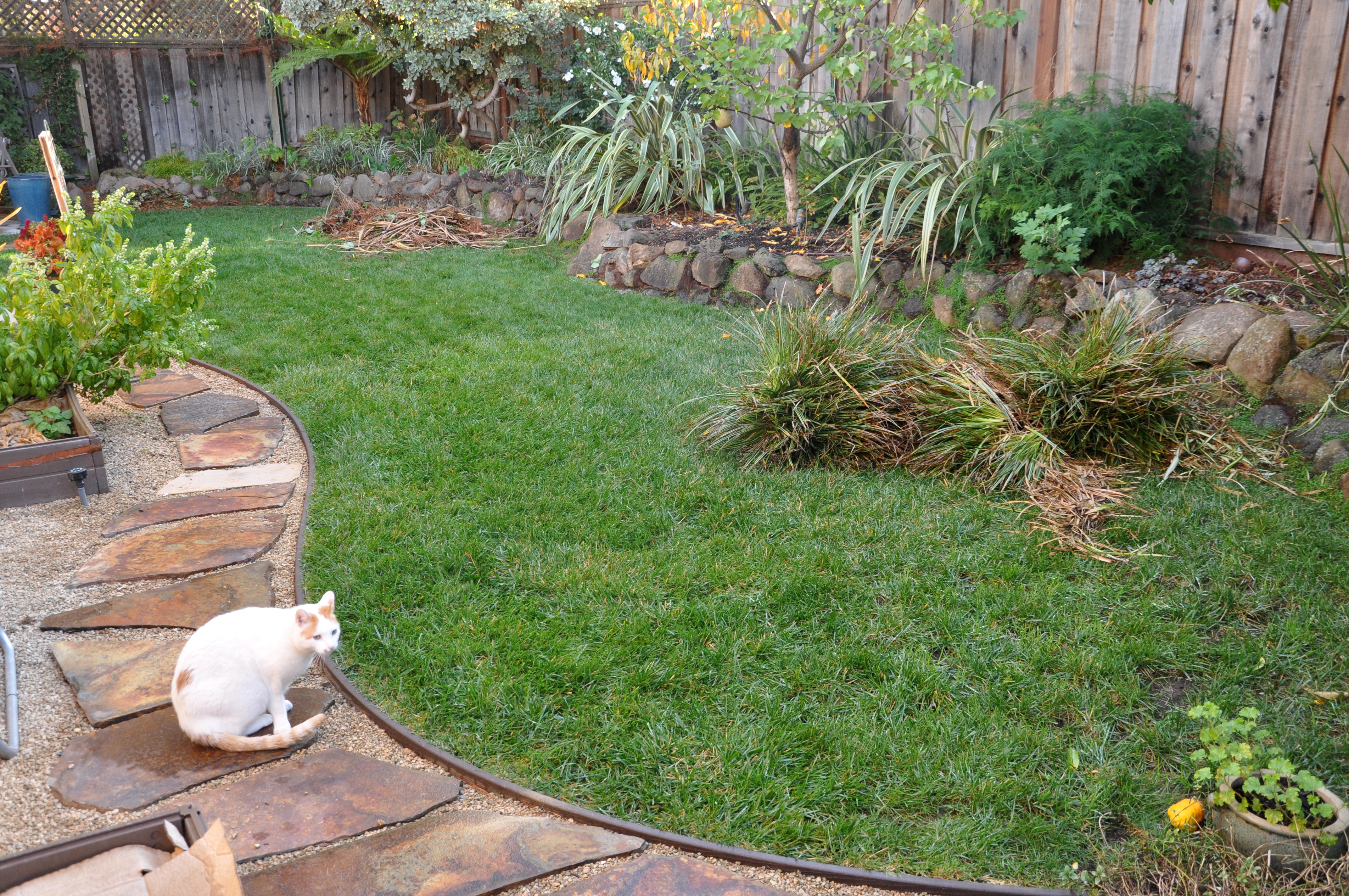
existing lawn

Existing Lawn

My lawn is shrinking, my lawn is shrinking!

Oh happy day.

We’ve been tossing the ‘lawn/no lawn’ ball back and forth for a while. We’ve reached a compromise and split the difference. Half the lawn in our back garden remains. The other half will convert to native perennials. I’m pretty excited. This change will reduce water use and attract native species to the garden.

After trying to dig up the lawn in our sidewalk strip last year, I learned it’s a slow and arduous task. I gratefully hired Nick to finish the job.

Imagine how thrilled I was when I read Diane’s post Undoing Three Years of Procrastination.  She explains a method known as sheet mulching, recently implemented in her own vast and beautiful Ontario garden. Instead of digging up the lawn, you apply layers of soil, cardboard,compost and mulch. They gradually decompose, and at the same time kill the grass, leaving rich, organic soil in its place.

Here are the instructions Diane used from Goodbye Grass, Hello Garden

Sheet mulching—a simple technique that involves layering cardboard, compost, and other organic material over the turf—kills the grass and leaves behind beds with rich soil. A considerable amount of organic debris goes into the bed construction, so stockpile plenty of autumn leaves, composted manure, and garden waste before beginning. Beds that are sheet-mulched this fall will be ready to plant next spring.

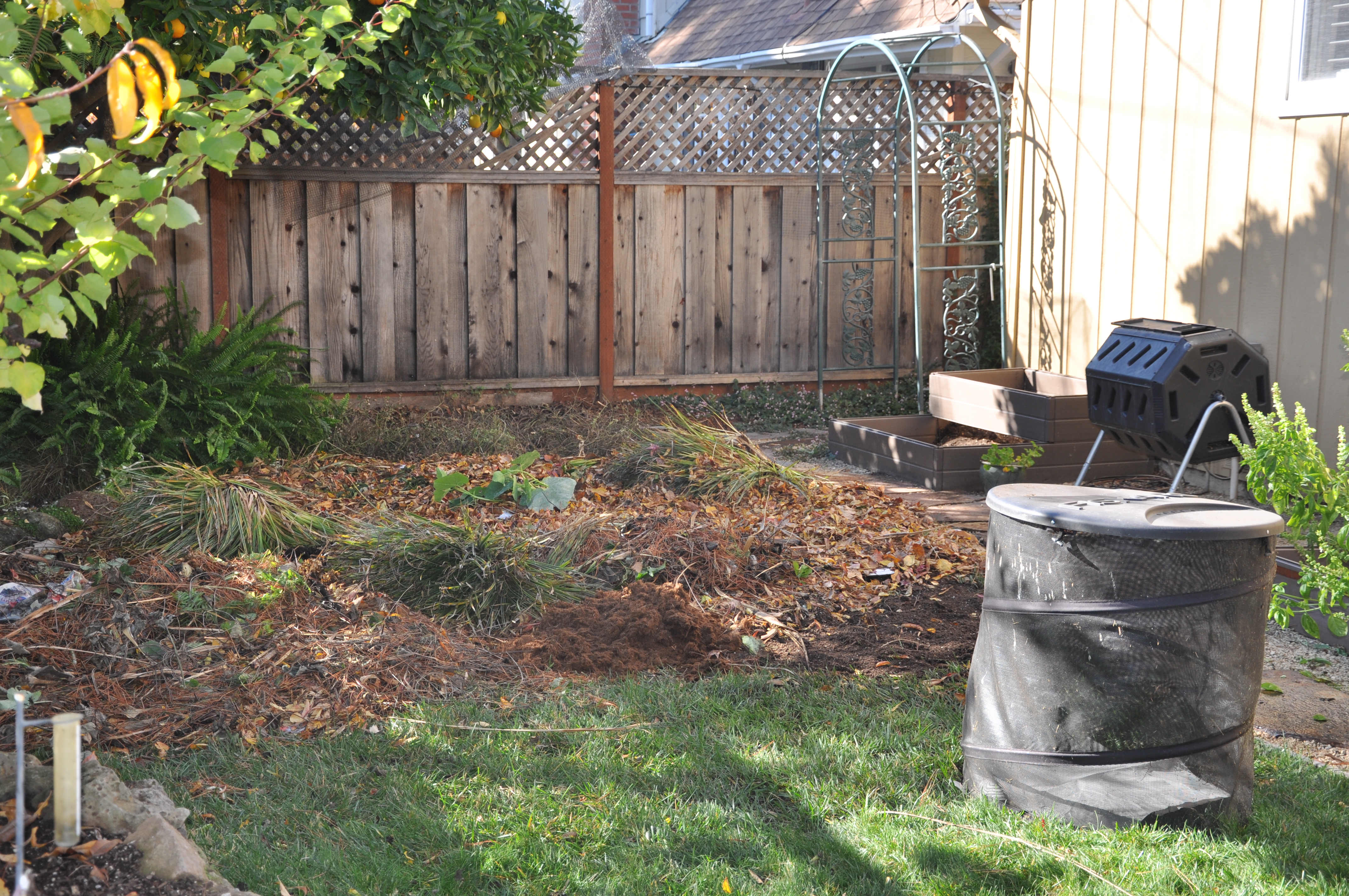
sheet mulching

Sheet mulching ingredients

Last weekend I did a big yard clean up and created two small  piles of organic debris. This morning I brought home about a dozen free boxes from a local market and we got to work.  We ran out of ‘ingredients’ before finishing, but made a good start.

garden sheet mulching

Half way there

I emptied both of my composting bins as a base layer, then transferred soil from the summer vegetable beds. That was enough to cover about half of the area. We added the layer of cardboard and then covered it with decaying leaves, pine needles and other organic matter.  Once I gather additional cardboard and organic material to finish the rest of the area, I’ll buy mulch for the final layer.

Thanks for the inspiration, Diane!

Wildflower Hike

Karen and Dylan weren’t able to join me on Monday for our walk. Instead I hiked the Quicksilver trail on my own in search of wildflowers. I hoofed it up the hill and got my heart rate going, but I also enjoyed the opportunity to stop several times along the way.

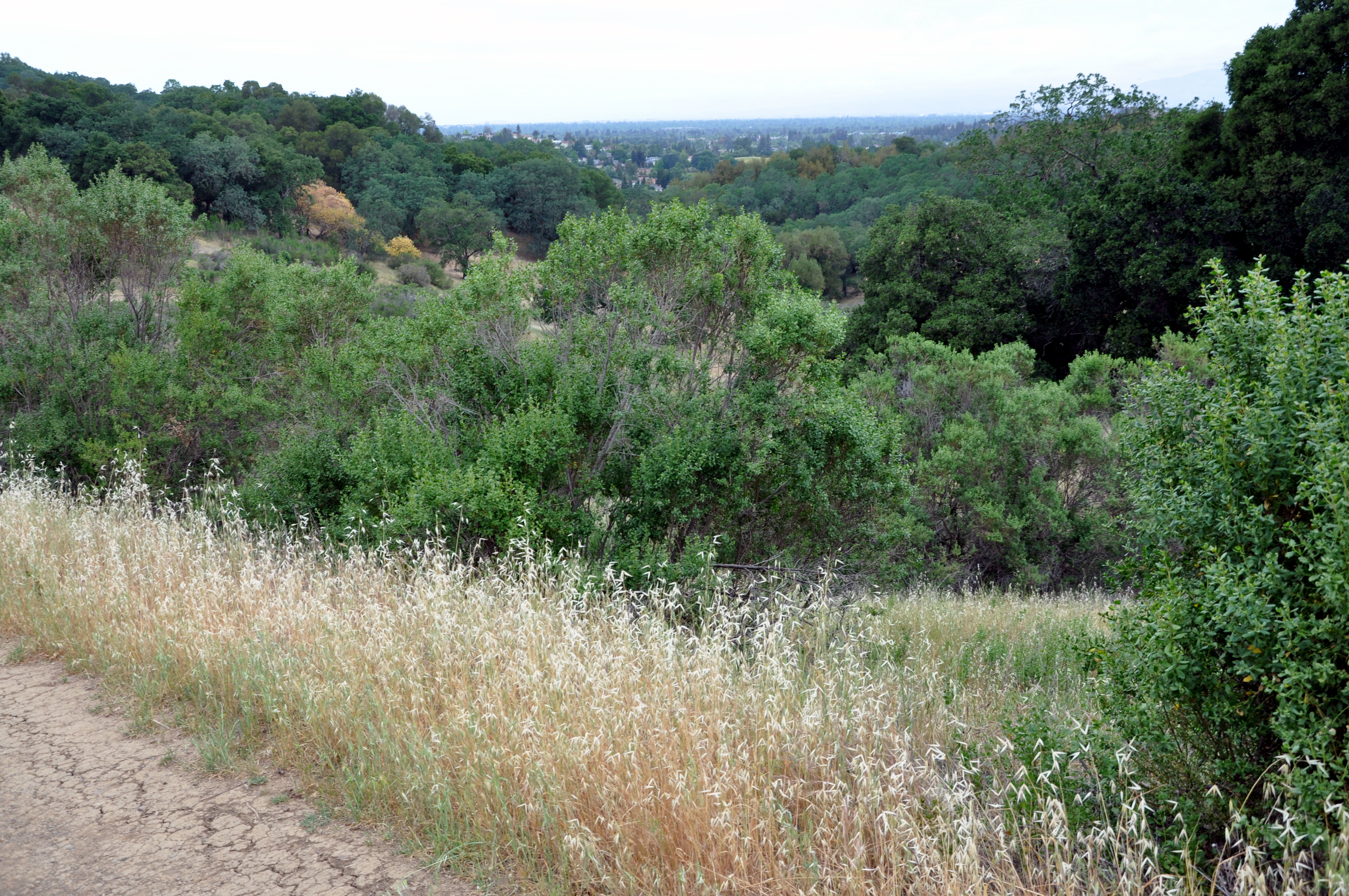
The hills, parched and dry, are a worrying site this early in the year. Most of the grass along the trail’s edge is golden brown instead of green.

dry grass along the quicksilver trail

View of Silicon Valley from the Almaden Quicksilver Trail

Here and there, though I spotted tiny dots of color. It stands to reason that wildflowers native to our region are able to withstand the drought.

Here’s a sample:

variety of wildflowers

Santa Clara County wildflowers

wildflowers

This reminds me of a delicate orchid

assorted wildfowers 2

I also passed several happy pooches enjoying the trail. A few of them stopped for a photo-op, but they were more interested in walking and playing.

blonde dog on the trail

Cutie-patootie number one

dogs on the trail

Cutie-patootie number two

Birds flew in and out of the dry brush, camouflaging well among the branches.

bird at quicksilver

Can you see me now?

Half way down the hill, I heard a cacophony of birds in one tree, clearly distressed.  Here’s a sample:

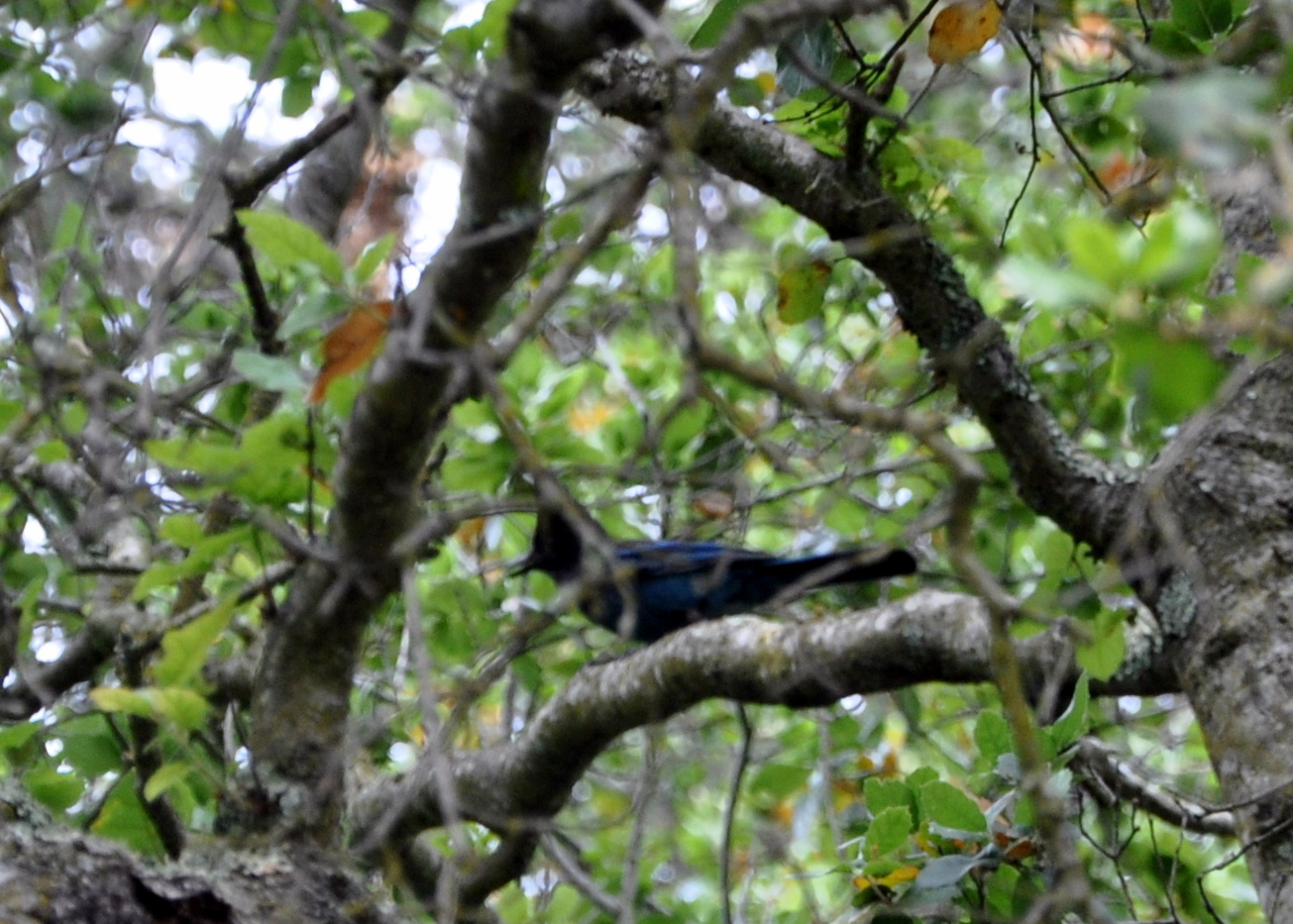
I strained to see what I assumed was a predator, moving the lens of my camera back and forth. In the split second it took to adjust my eyes, I spotted the hawk. Just as quickly it flew away, a jay hot on its tail. My reflexes just weren’t fast enough.

Steller's Jay

Steller’s Jay

On the other hand, I’m pretty sure I spotted a Who from the beloved book Horton Hears a Who!  That, my friend, made my day.

wildflowers

Who-ville? Who knows.

Succulents ♥ Heat

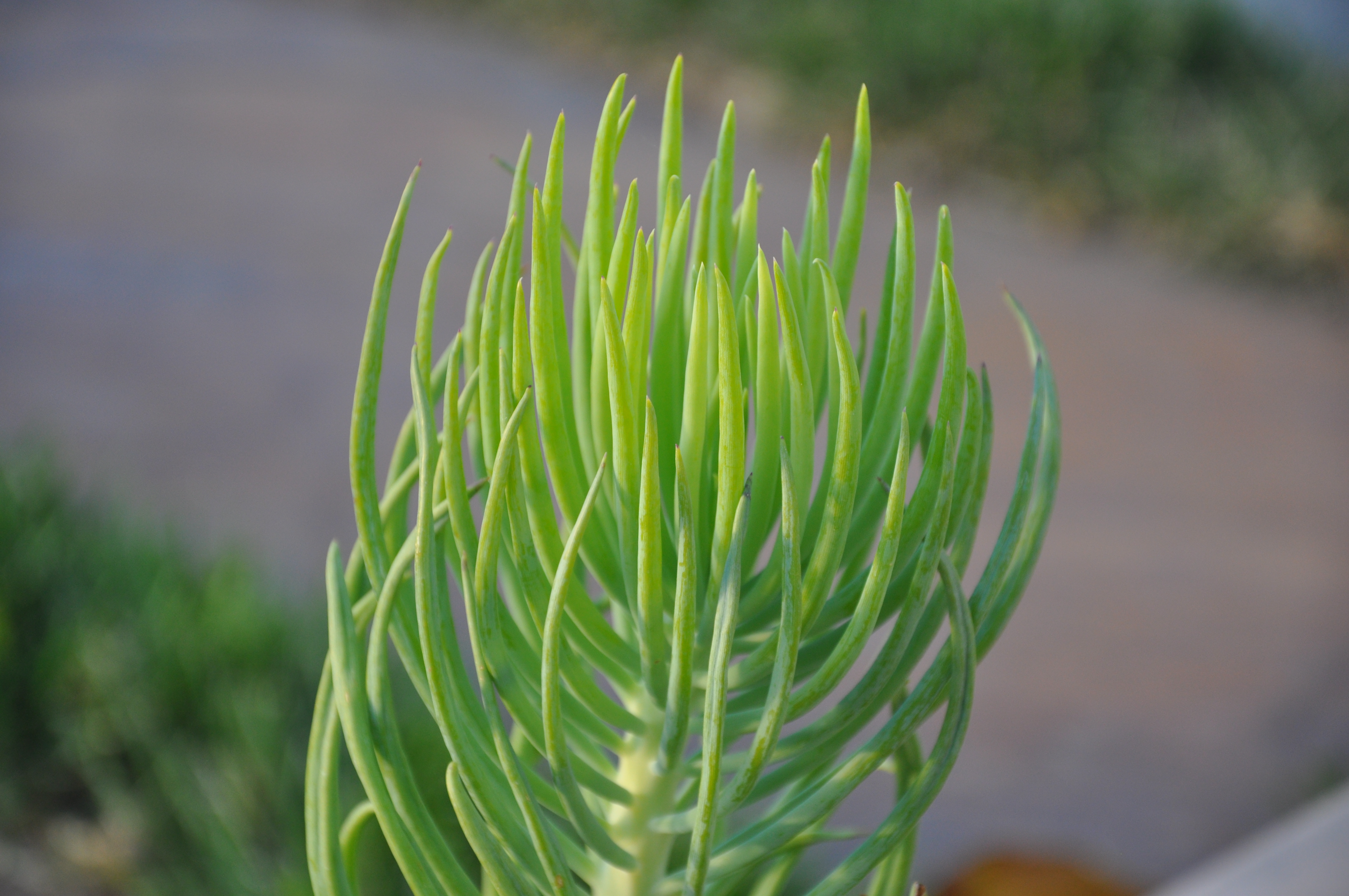
While I’m not a fan of the heat, the succulents sure are. Amazingly, I’m only watering them about every ten days. They look refreshed, don’t they?

Senecio Vitalis

Senecio Vitalis

Panda Plant ‘Kalanchoe tomentosa’ from Madagascar

Panda Plant ‘Kalanchoe tomentosa’ from Madagascar

assorted succulents

Echeveria agavoides *  Echeveria peacockii * Rainbow Elephant Bush Portulacaria afra ‘Variegata’

A certain feline enjoys rubbing his fluffy white cheeks along the edge of the pot. He’s probably about to whisper “how do you manage to look so good in this heat?”

mouse smells succulents

Remember to stop and smell the flowers

Felis catus

Felis catus

Thankfully,the high today is only 88 °F (31 °C ). It’s cooler still on Saturday which is such a relief. Our Little Free Library dedication is tomorrow at 3:00 so if you are in the area, please join us.

Little Free Library

Little Free Library surrounded by roses and sweet peas

Have a terrific weekend.

Heat and Water

First, the heat.

Our forecasted high for today is 100F (38C).  It’s going to be hot again tomorrow and Friday before cooling down for the weekend.  I have both the temperament and the complexion for the British Aisles, so this weather puts me out of sorts. Mouse agrees.
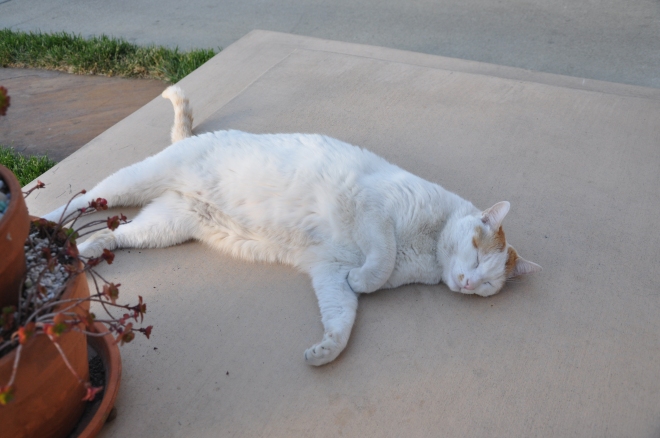
Mouse Trying to Cool Off

Mouse Trying to Cool Off

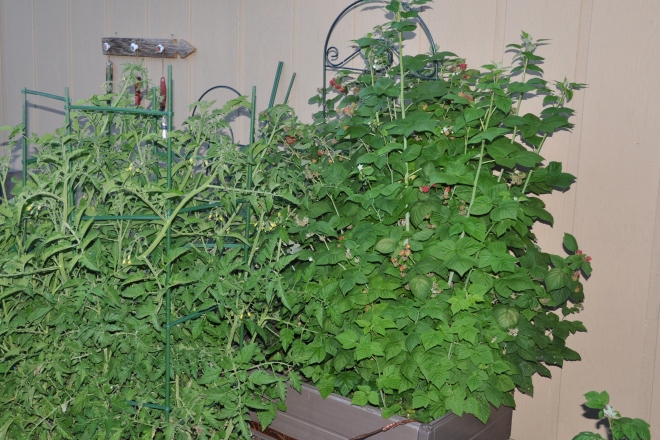
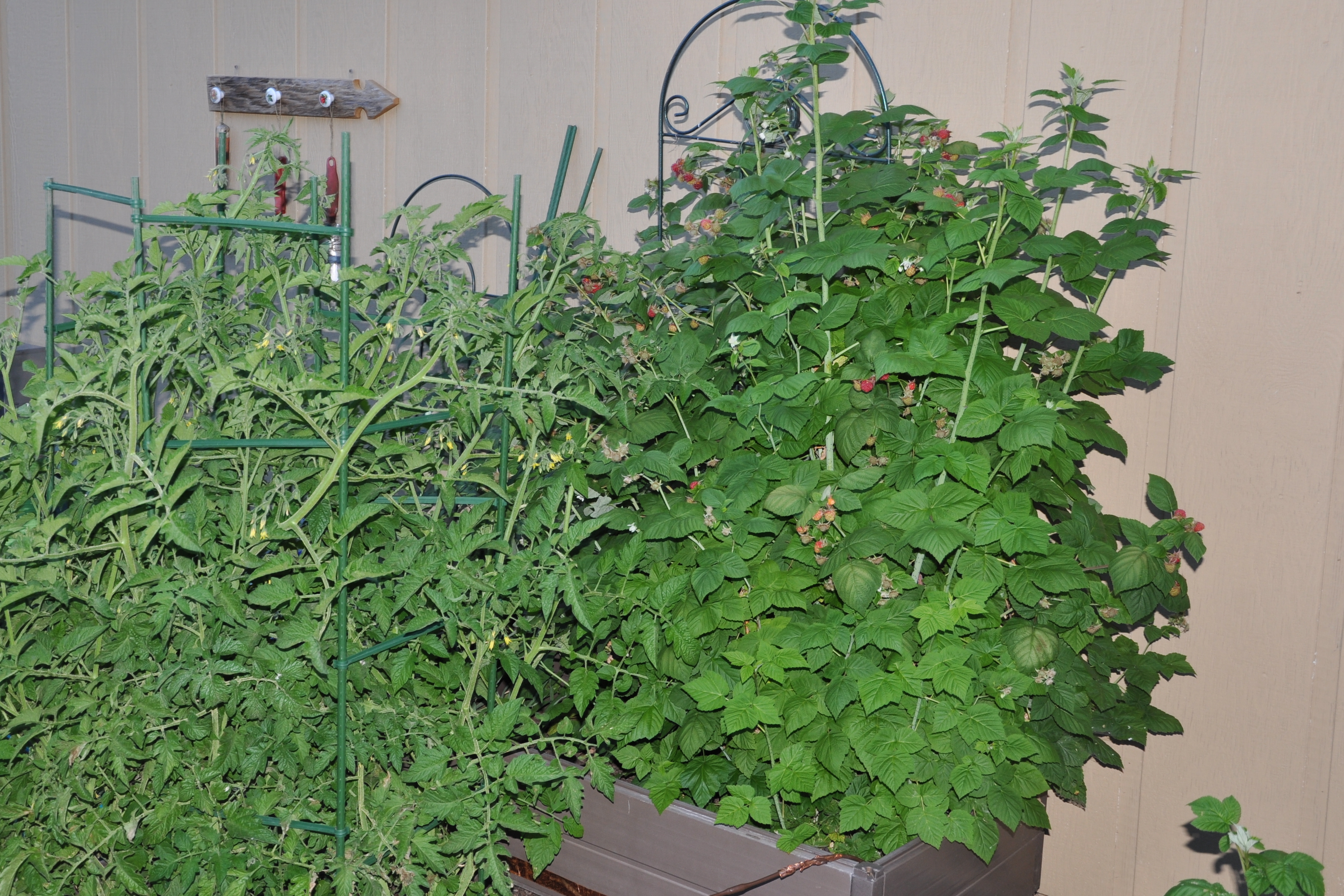
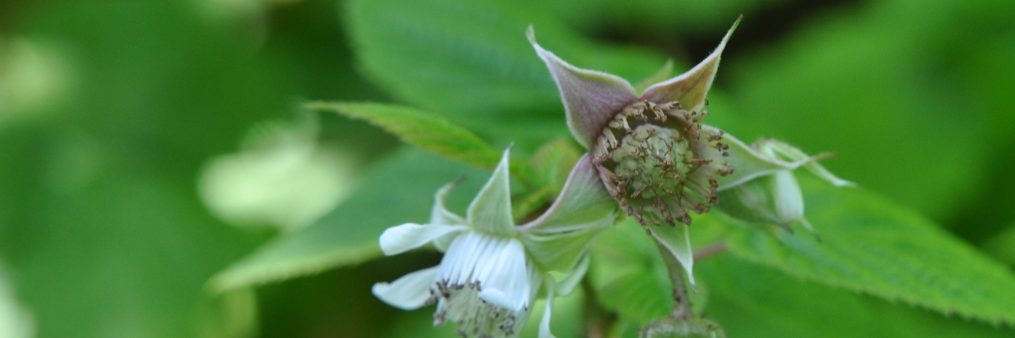
My lettuce looks a bit on the wilted side, but the rest of the garden crops are enjoying the summer.  (Oh wait, it’s still spring…it’s hard to tell anymore).  The pumpkin seedlings are up, the raspberries  are flourishing and the tomatoes are yelling, ‘look ma, I’ve grown!’
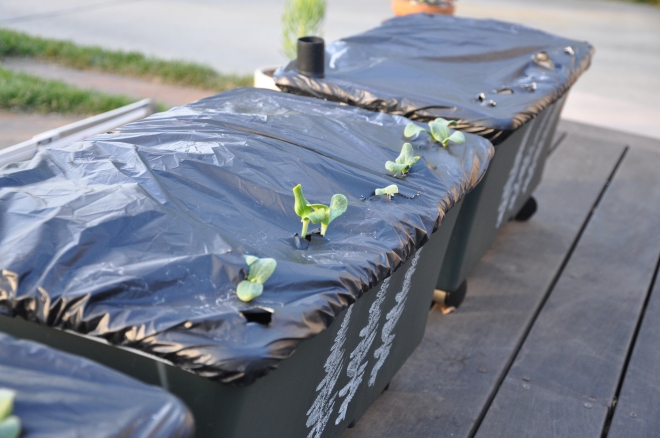
sprouting pumpkins

Sprouting Pumpkins

tomatoes and raspberries

Tomatoes and Raspberries Enjoy the heat

Unfortunately we’re in the middle of a terrible drought.  Above-average temperatures further evaporate our low reservoirs. Dry grasses increase fire risk.

Which brings me to water.

I met with Cheri Garza of San Jose Water Company for a household water audit. She really knows her business, and taught me a lot. Outdoors, she inspected the hose bibbs, our irrigation system, the irrigation schedule and the water main.  She tested for leaks and watering efficiency, then measured the square footage of our lawn.  She liked the sidewalk strip conversion (we removed the lawn and capped several sprinkler heads.  She said a lot of water goes to waste in the strip.

Indoors, she checked faucets, showers and toilets in each bathroom, then checked the kitchen faucet, dishwasher and washing machine.

On the plus side, our indoor water usage is efficient.  All the faucets, toilets and showers use 2 gallons per minute or less.  I do minimal hand-washing , which is less efficient than a fully loaded dishwasher and the same for clothes washing.  The down side is that it will be harder to reduce when mandatory rationing sets in.

Outdoors, however, there are many ways to improve our water efficiency.  San Jose Water is offering partial rebates and we qualify for all three.  They allow you one year from the date of the audit to complete the projects.  Originally they rebated seventy-five cents per square foot.  They’ve increased that amount through September to $2 per square foot if you replace water-thirsty lawn with approved native and drought tolerant plantings.

The second rebate offers up to $5 per sprinkler head.  Our sprinklers are only four years old, but the new and  improved Rainbird U-Series uses up to 30% less water.

The third rebate went into effect in January and applies to a graywater system.  Water savings amounts to 17 gallons per person, per day, or on average 14,565 gallons per household per year. I need to do my research on this, but on the surface, I love it.  You divert graywater from your washing machine and use it to water non-edible landscaping.
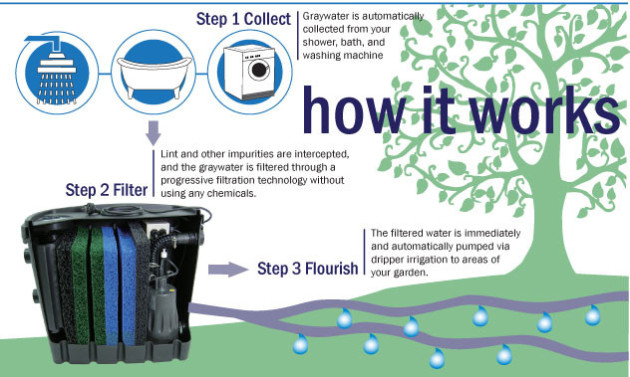
graywater system

Water Wise Group graywater/greywater system

Here are a few general tips for water savings outdoors:

  • Drip irrigation is the most efficient way to water landscaping.
  • Water in the morning, to reduce evaporation
  • In California, turn off your irrigation system completely in December until mid-March.
  • Water your lawn for three to seven minutes, three to four days a week.
  • Go Native! Attract birds and beneficial insects and at the same time conserve water

To save water indoors:

  • Shower for ten minutes or less
  • Don’t flush at night
  • Run full loads of dishes and laundry
  • Replace out of date toilets with 1.28 gpf

It’s a lot of information to digest, but I’m excited at the possibilities.

If you have more tips, please share them in the comments below.
Fab Freesias Frolic in the Rain

It’s raining.  Honest to goodness, puddle-forming, hair-curling rain.

This is the first substantial rain in San Jose in two months. Everyone else seems to be suffering from too much weather; we haven’t had enough.  I walked with a friend for an hour this morning and it never let up. Fantastic.

My garden freesias share my enthusiasm.  This is their first shower of the season.

freesia buds pink

Nature’s perfection

freesia in the rain pink

Refreshed

They aren’t the only ones happy about the downpour.  The squirrels are chasing each other around and around the pine tree with glee. Meanwhile, a hummingbird tried to make sense of the fruit tree.  It’s known as a four-in-one or a fruit cocktail.  It’s one tree with four grafts.  This one grows pitted fruit: peaches, plums, apricots and nectarines.  The grapes were an after thought by yours-truly on her way to the compost bin.  They still had some life in them so I hung them on the branches for the birds.

fruit tree

Hummingbird at rest

I’ve enjoyed watching the progress of this potted beauty. It sits on the back steps, so I can see it from indoors. I pass it on my way to do the daily rounds: emptying the kitchen compost bin, snapping pictures, checking on things. I pulled weeds for an hour yesterday, and cut back some of the dead growth from last November’s frost. It felt great to get out there and do a bit of work after nursing a crummy cold for over a week.

freesia progression

Four week progression

The yellow freesia was a surprise. It popped out from under another plant and seemed to bloom in a flash. Yellow is such a cheerful color, don’t you think?

freesia buds yellow

Yellow freesia buds

yellow freesia

These popped up earlier this week

If you are sick of the wind, the rain, the snow or the drought, I hope things turn around for you soon. I plan to enjoy every minute of this rainy day and, fingers crossed, hope for more to come.